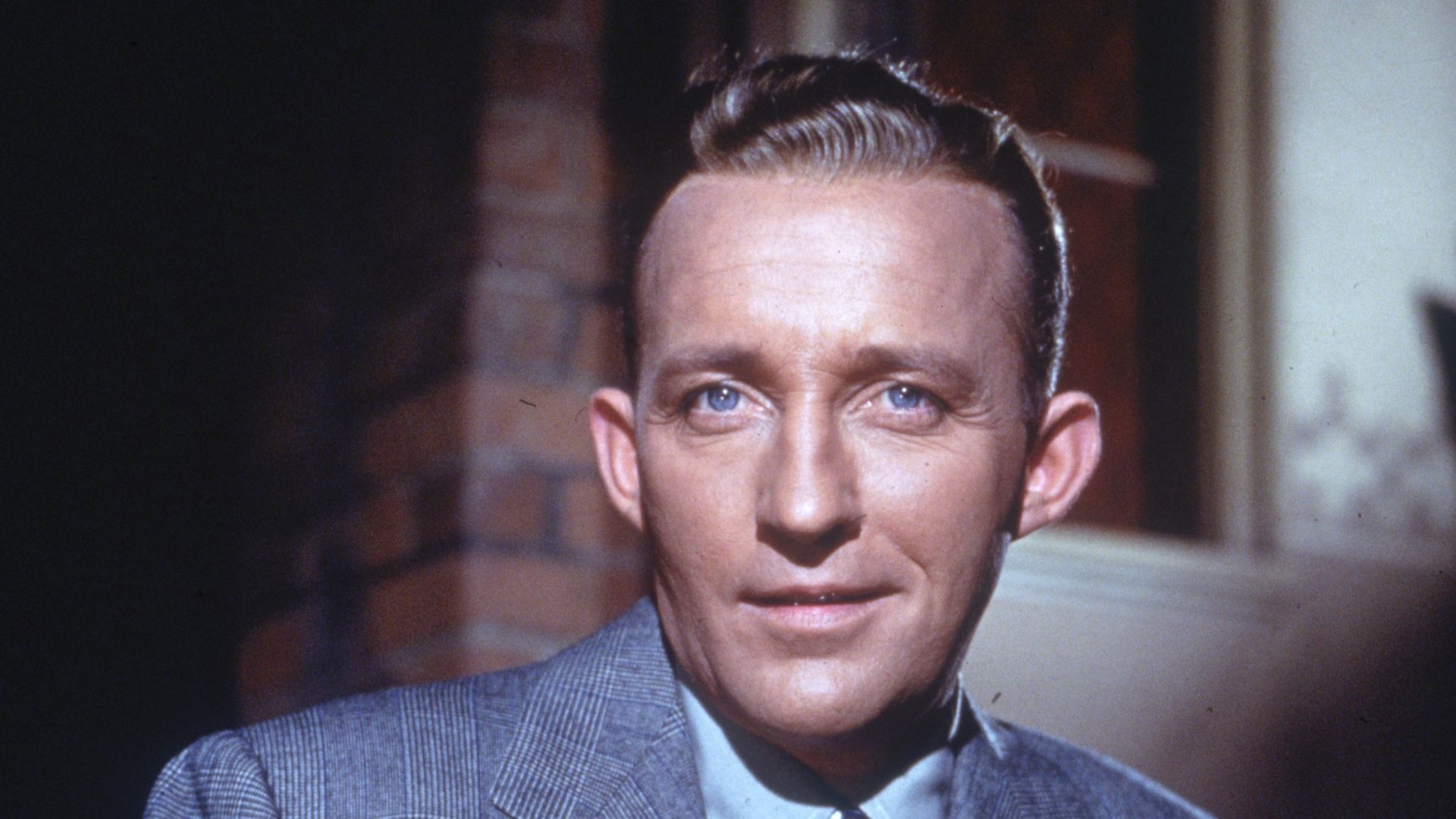

Bing Crosby is a name often synonymous with the American ideal of the holiday season. In fact, it even goes beyond the states! Growing up outside the country too, I fondly remember the sounds of "White Christmas" played in my home.
But as far as the legendary entertainer's journey in Hollywood goes, though, the song and the film named after it were far from being his only career highlights. In fact, you could even say they represented the later years of his career.
Take a walk down memory lane with us as we explore the early years of Bing Crosby's career in photos, from his whirlwind rise to fame to the movie roles that brought him acclaim years before White Christmas ever became part of his legacy…
 © Getty Images
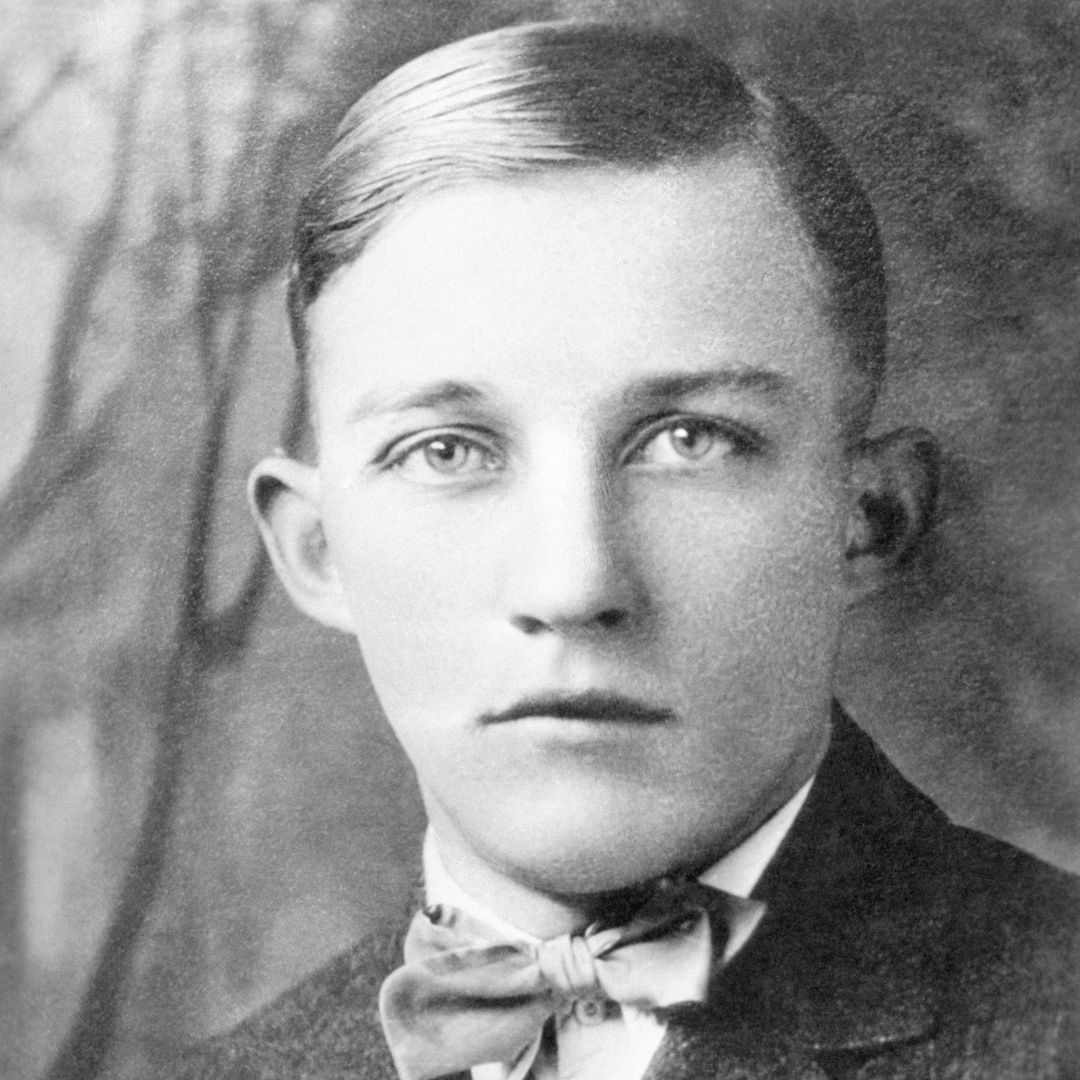
1919
Pictured here as a blue-eyed teen, a young Bing (born Harry Lillis Crosby Jr.) quickly grew infatuated with music and the art of performing when he took his first summer job in 1917 at Spokane Auditorium, seeing Al Jolson ad lib and performing parodies of Hawaiian standards. Who knew of the greatness to come!
 © Getty Images
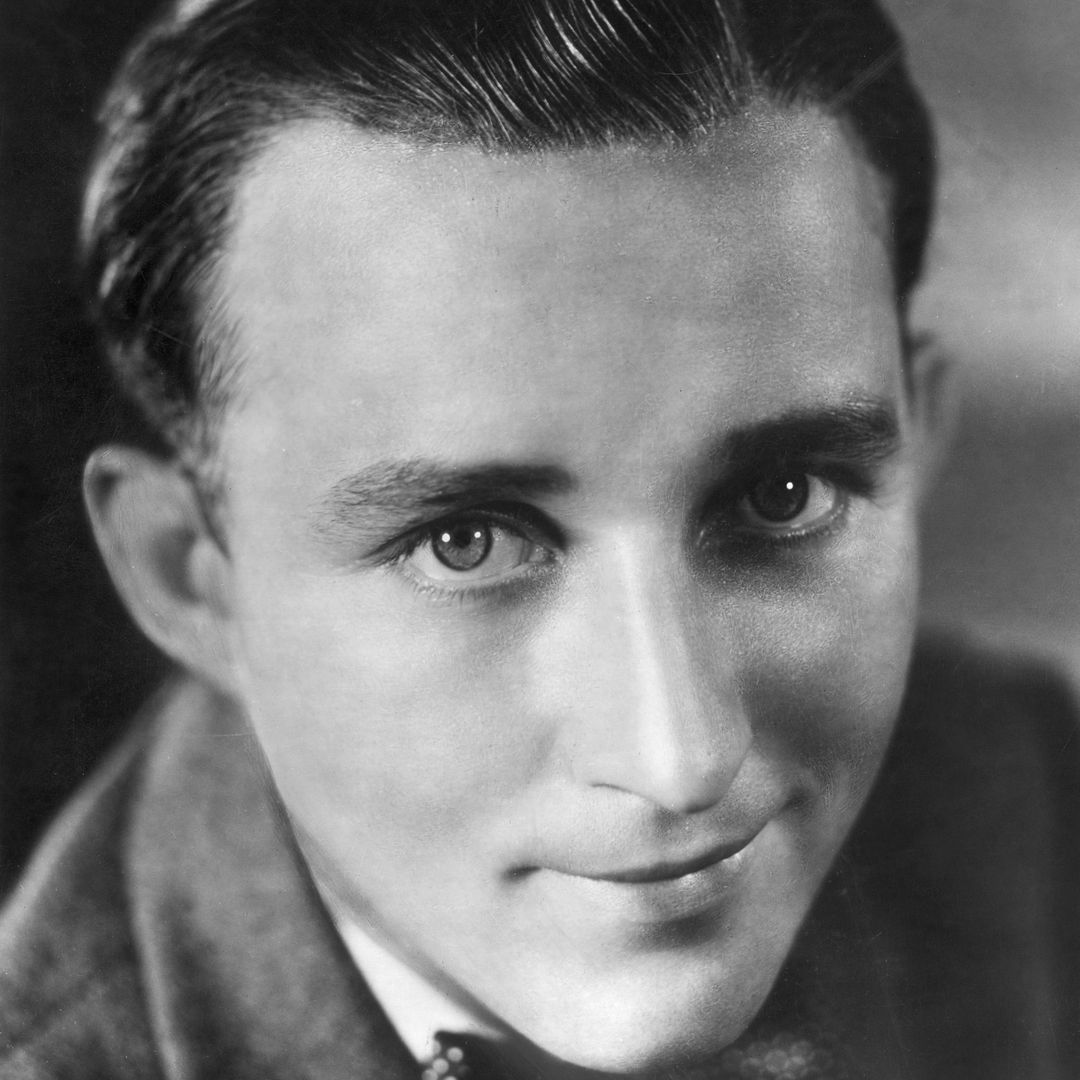
1925
By the early 1920s, Bing began performing in local bands, often singing on radio shows and in small theaters. After performing at The Clemmer Theater in 1925, he and one of his closest bandmates, Al Rinker, decided to try their luck in California. Through management by Paul Whiteman, they eventually joined the Rhythm Boys, even scoring a number one hit in 1928 with a cover of "Ol' Man River," although the young Bing, who sang lead, quickly found himself as its biggest rising star.
 © Getty Images
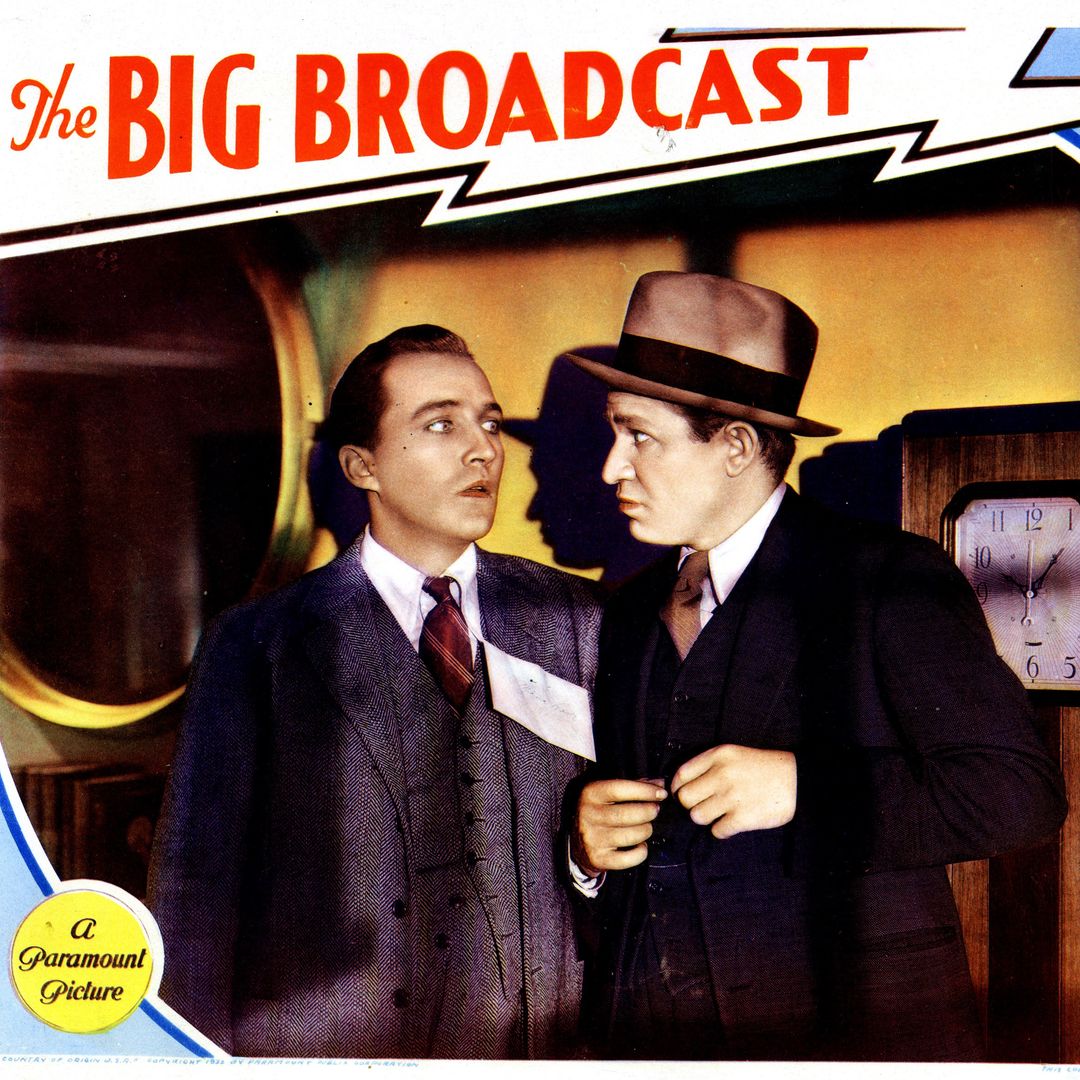
1932
By 1930, he began growing dissatisfied with the Rhythm Boys, eventually breaking away from the group after signing a solo film contract. He appeared in a nationwide radio solo show, 15 Minutes with Bing Crosby, in 1931 that made him a star singer and gave him several hits. However, his career took on a new form with his solo feature-length film debut in 1932 with The Big Broadcast, a commercial success that also got him got him positive notices as an actor for the first time.
 © Getty Images
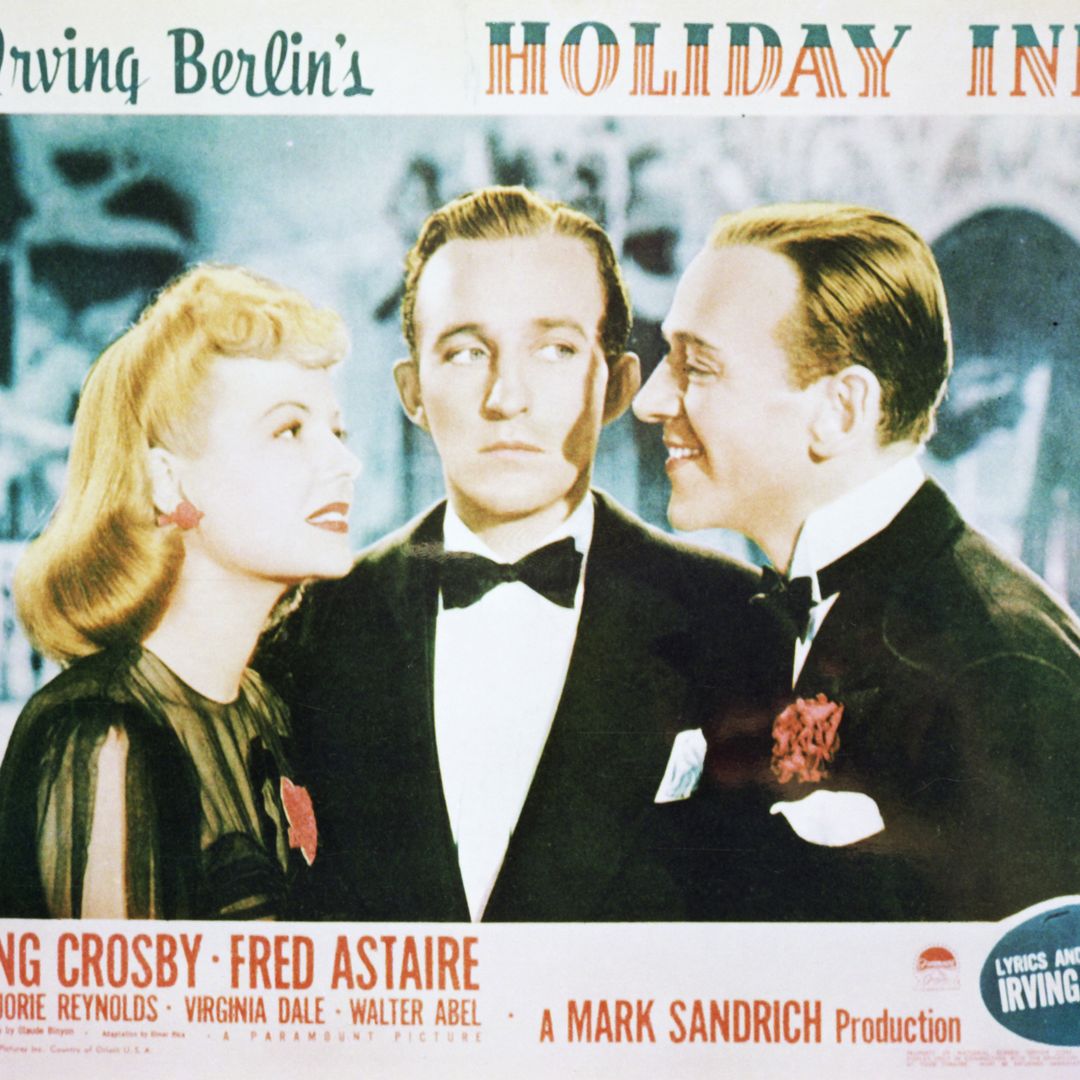
1942
By the early 1940s, Bing was a household name, a veritable box office guarantee and one of the decade's most popular crooners, especially renowned for his musical comedies. In 1942, he starred in Irving Berlin's Holiday Inn, and sang the track "White Christmas" in it for the first time, which Irving had penned (did you know that's how old the song was? And that it wasn't originally written for the film of the same name? Hard to figure that one out, isn't it?).
The film was another smash, and the song in particular was a global phenomenon, winning an Academy Award for Best Original Song and going on to become one of the best selling singles of all time (it is often considered the best selling physical single ever, with 50 million in reported sales).
 © Getty Images
1945
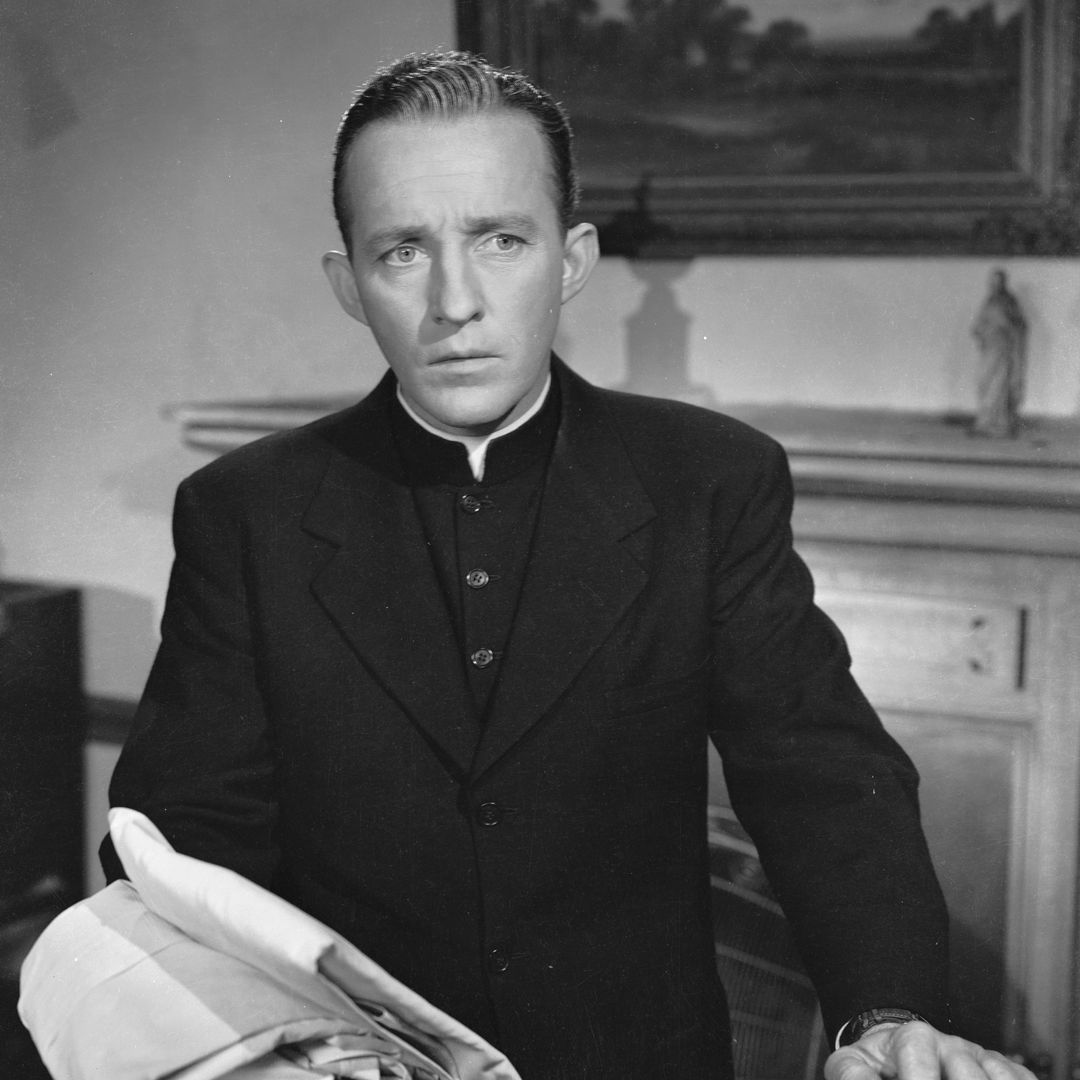
By 1945, he'd established himself as a critical darling in cinema as well. Earlier that year, he won his very first Academy Award, for Best Actor in 1944's Going My Way. He earned another nod for reprising his role in the film's 1945 sequel, The Bells of St. Mary's (pictured here).
 © Getty Images
1954
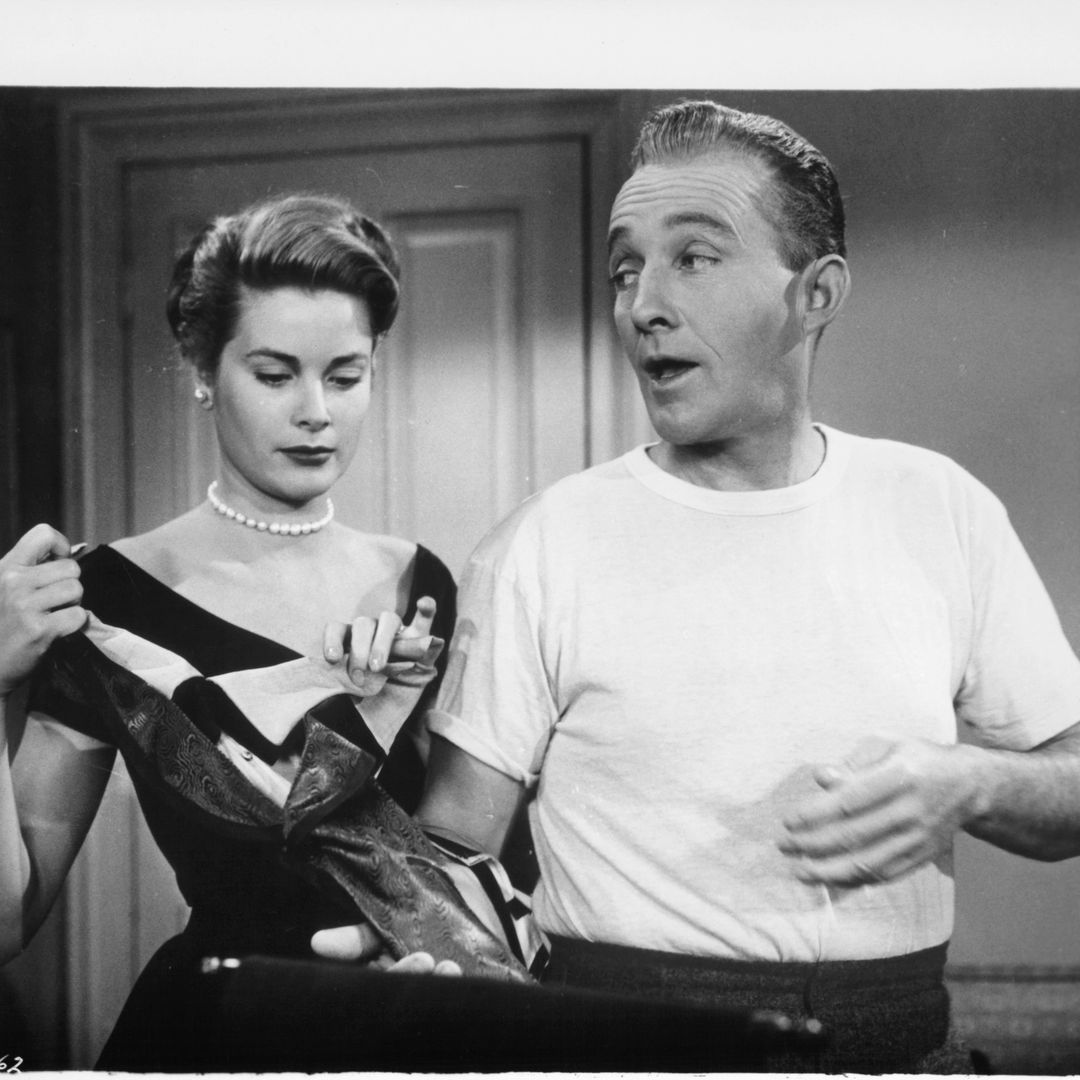
And so we come to 1954, the year of two banner releases for Bing — not only was this the year he finally starred in White Christmas, a film that has since gone on to become an American holiday classic, but also in The Country Girl. His dramatic turn as an alcoholic entertainer aging out of the industry and clinging on to his wife (played by Grace Kelly) earned him a third Oscar nod and renewed attention as a dramatic lead (it also netted Grace an Oscar win, even if I think it should've gone to Judy Garland for A Star is Born).