Fame can be a double-edged sword, and for some bands, hitting the top of the charts and achieving worldwide success was just the beginning of the end. While millions of fans were singing along to their hits, these groups made the shocking decision to call it quits for a number of reasons, from internal tensions to creative differences. No matter the reason, the impact of these sudden breakups is still felt in pop culture today, and has left us wondering what smash-hit singles and albums we would have been treated to if these groups had stayed together a little longer.
From Hotel California hitmakers The Eagles’ on-stage fallout to countless fiery clashes over creative direction and songwriting credit, many of the world’s biggest bands were no strangers to internal controversy. Today, we’re taking a look at the wide range of reasons behind some of music’s biggest breakups – from heat-of-the-moment splits to amicable partings – and whether these iconic acts ever managed to find their way back together again.
The band never returned after their 1984 hiatus
The Police
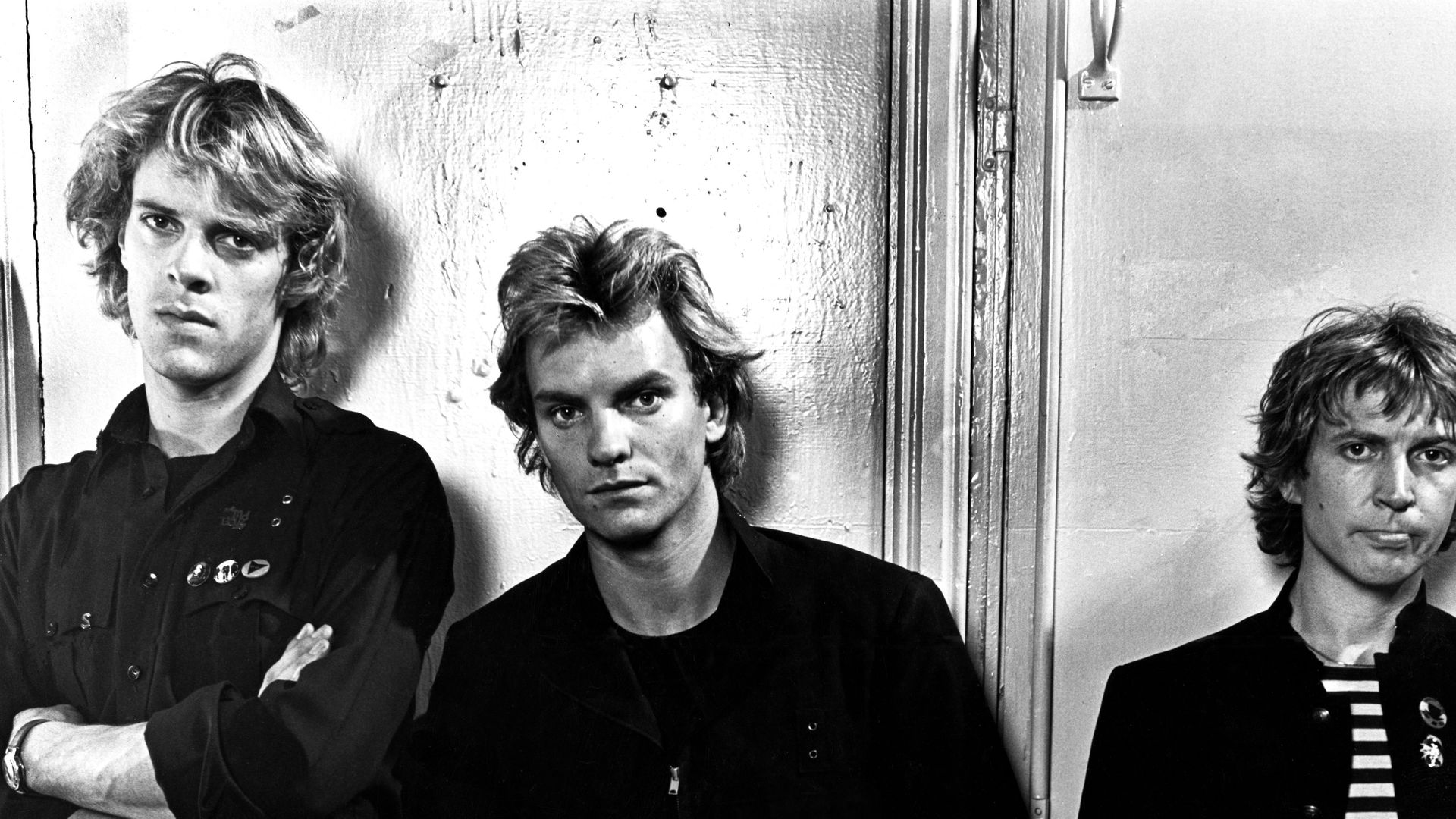
Bursting onto the British new wave scene in 1977, The Police became global sensations with hits like Roxanne and Message in a Bottle that fused rock, reggae, and punk influences. By the early 1980s, the trio were selling out arenas worldwide, and further cemented their superstar status with the release of their album Synchronicity (1983), featuring the unforgettable anthem "Every Breath You Take”.
The Police went on hiatus in 1984, after finishing their tour, due to creative tensions within the group. Members Andy Summers and Stewart Copeland were reportedly unhappy with Sting’s disproportionate creative input and songwriting dominance. During their hiatus, Sting, who allegedly felt creatively stifled in the group, released his first solo album, The Dream of the Blue Turtles (1985), and the band effectively never reunited, and stopped working together after 1986. The group later reunited in 2007 for a world tour.
Morissey and guitarist Johnny Marr reportedly had creative tensions
The Smiths
Hailing from Manchester in 1982, The Smiths became one of the defining bands of the British indie scene, fronted by Morrissey’s unmistakable vocals. With landmark albums like The Smiths (1984) and Strangeways, Here We Come (1987), they actively went against the glossy synth-pop sound of the decade, earning themselves a devoted fanbase. They left behind timeless tracks like “This Charming Man” and “How Soon Is Now?”.
The group parted ways in 1987 reportedly due to creative tensions between Morrissey and lead guitarist Johnny Marr, with the latter wanting to experiment sonically while Morrissey preferred to stick with the band’s jangle-pop style. Johnny also felt pressure after becoming the band's de facto manager after the group fired their managers, telling NME, “ I wasn’t prepared to do it, and so it became untenable. There was no way forward.”
Axl was the only original member left after 1997
Guns N' Roses
Rising out of the Los Angeles rock scene in 1985, Guns N’ Roses quickly became one of the world’s most electrifying bands thanks to their raw, hard-rock sound. Their debut album, Appetite for Destruction (1987), packed with anthems like "Welcome to the Jungle” and "Sweet Child O' Mine", catapulted them to international stardom, and the band followed up with relentless world tours – one just shy of three years – and four more studio albums.
The band essentially broke down in stages, beginning with Steven Adler's firing in 1990, Slash’s departure in 1996 and ending when bassist Duff McKagan left in 1997; guitarist Matt Sorum, who replaced Steven, was reportedly fired that same year by Axl Rose, whose alleged controlling behaviour led to internal tensions. The group effectively became Axl’s solo project, rebuilt with new members, and the band released their long-awaited album Chinese Democracy in 2008.
You may also like
Liam and Noel's feud came to a head in 2009
Oasis
Dominating the ‘90s Britpop scene was Oasis, who skyrocketed to fame with their debut album Definitely Maybe (1994) and its smash-hit follow-up (What’s the Story) Morning Glory? (1995), featuring the classic anthems “Wonderwall” and “Don’t Look Back in Anger”. Renowned for their working-class swagger and media-fuelled persona, the band became one of the biggest acts in the world for over 15 years.
Despite their astronomical success, the band’s story was defined by the explosive feud between brothers Liam and Noel Gallagher, which reportedly culminated in a backstage fight at a Paris festival in 2009 over Liam promoting his clothing brand, Pretty Green, in the festival program. After Noel quit the band, it effectively ended Oasis – though the infamous duo have since joined forces for a highly-anticipated reunion tour in 2025.
The band had a notorious on-stage confrontation in 1980
The Eagles
Hailing from Los Angeles, The Eagles soared to fame in the ‘70s and quickly became the ultimate American rock band, blending harder elements with country and folk tones to create their signature, era-defining sound. Albums like Hotel California (1976) – and its infamous title track – helped propel them to stardom, and their 1976 compilation album, Their Greatest Hits (1971–1975), is currently the best-selling album of all time in America.
An infamous feud had long divided the band, allegedly marred by disputes over creative control, royalties, and pressure from their astronomical success, which culminated in a notorious on-stage confrontation between Glenn Frey and Don Felder in 1980. After breaking up indefinitely, the band reunited in 1994 for Hell Freezes Over and, with a rotating lineup of new members, have remained together since, though less actively so than in their heyday.
The duo famously split after the release of their most successful album
Simon & Garfunkel
Both childhood friends and musical partners, Simon and Garfunkel regrouped in the early ‘60s to form one of the most distinctive and notorious groups of the era. Hailing from Queens, New York, the folk-rock duo, known for their impeccable harmonies, produced hits like “The Sound of Silence” and “Mrs. Robinson", and earned themselves seven Grammy awards over the decades.
Despite these accolades, the group ended up splitting in 1970 over creative differences – with a burgeoning acting career, Paul Simon allegedly felt Art Garfunkel wasn’t as involved with the band, while Art reportedly wanted more creative control over the group’s songwriting. In a 2023 interview, Paul called their studio recording sessions “a real tug of war”, adding that he eventually thought, “‘I gotta get out of here’”. The group split right after the release of Bridge Over Troubled Water (1970), which became their most successful album.
The group remained close friends after their split
Wham!
Formed in 1981, British duo Wham! – the brainchild of friends George Michael and Andrew Ridgeley – quickly became one of the decade’s defining pop sensations. With their infectious hooks, vibrant energy, and George’s undeniable star power, the duo brought us smash-hits like “Wake Me Up Before You Go-Go”, “Careless Whisper”, and the festive anthem “Last Christmas”, and even became the first Western pop group to perform in China.
The duo split amicably in 1986 following the release of their third studio album, Music from the Edge of Heaven (1986). While fans speculated that Andrew may have felt overshadowed by George’s popularity, both maintained that the split was mutual, with George eager to explore a solo career, and the pair agreed that Wham! had accomplished everything they’d set out to do. The two remained close friends for the rest of their careers.
The band split for good after the untimely death of one of their members
Led Zeppelin
Emerging from London in 1968, Led Zeppelin redefined rock with their blend of blues and folk alongside harder elements, setting the stage for the emergence of heavy metal. From Robert Plant’s soaring vocals to Jimmy Page’s legendary guitar riffs, they became one of the biggest bands in the world, with era-defining tracks like “Stairway to Heaven" and “Kashmir”, even touring the world with their very own aircraft, The Starship.
Led Zeppelin’s breakup came in the wake of drummer John Bonham’s untimely death in 1980. Unable to imagine continuing without him, the group chose to disband out of respect for John’s memory and family. While the remaining members reunited for a one-off concert in 2007, the group have not shared any plans to return permanently.