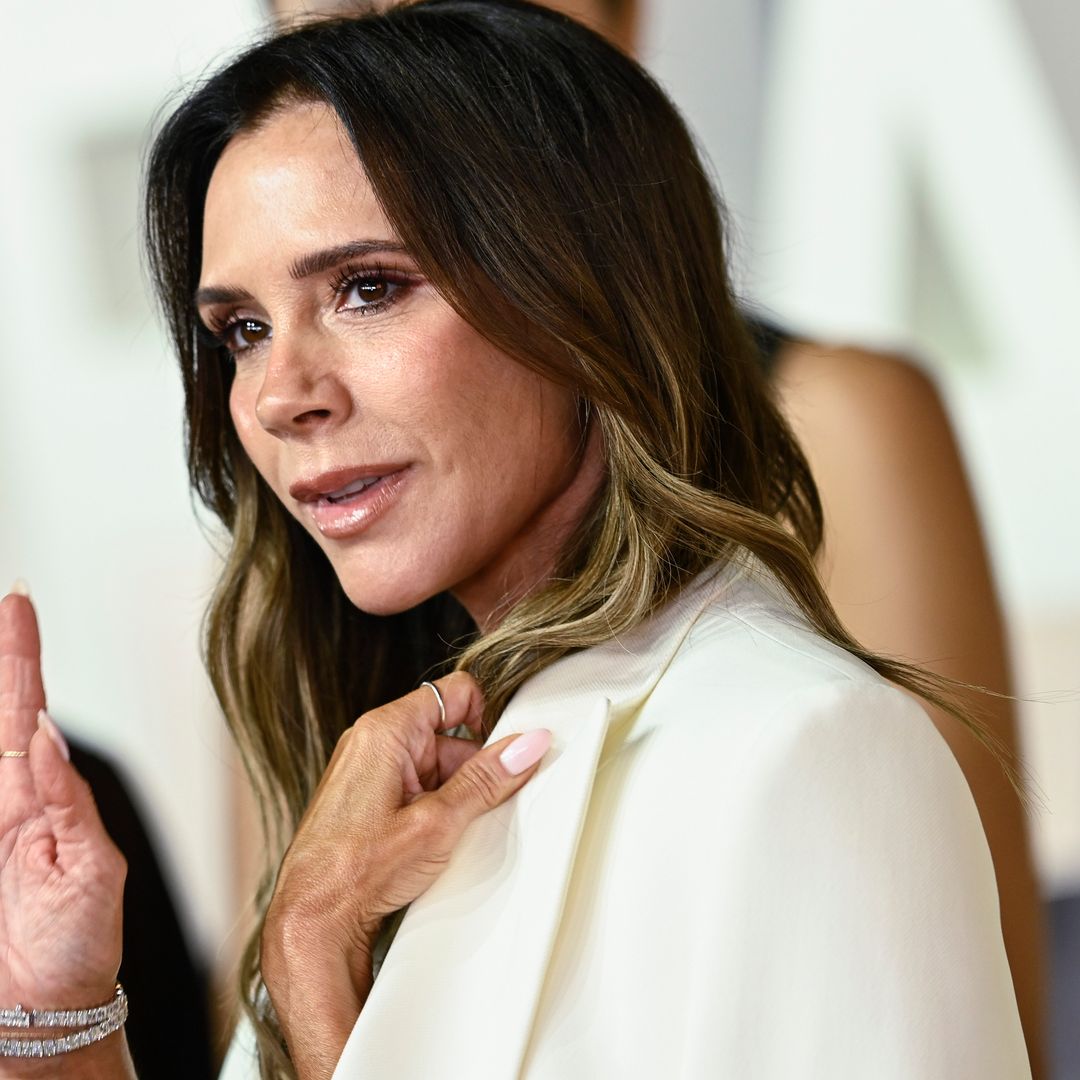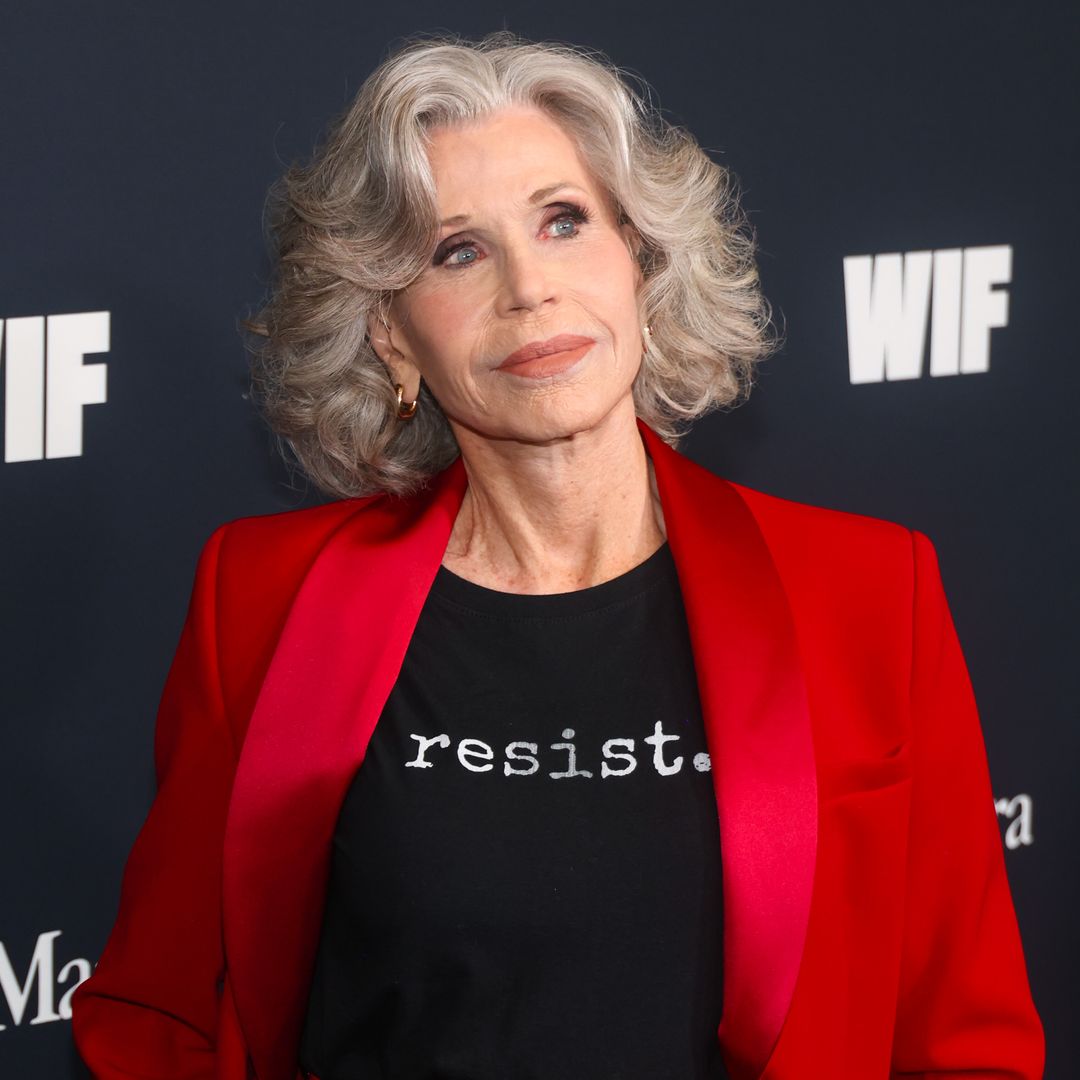

Melanie Chisholm has made a heartbreaking confession about the toll fame took on her body and mental health during the final years of the Spice Girls.
Speaking candidly to The Times of London in an interview published on Saturday, January 24, the singer – best known as Sporty Spice – revealed how deeply body image struggles affected her as the world’s biggest girl band began to unravel.
 © FilmMagic
"I was exercising more, eating less, getting smaller and smaller," Melanie, 52, recalled. "It was a very physical thing, very noticeable."
The Spice Girls – made up of Melanie, Victoria Beckham, Mel B, Emma Bunton and Geri Halliwell – dominated the 1990s before officially disbanding in 2000, with each member going on to pursue solo careers across music, fashion and television. But behind the scenes, Melanie says her relationship with food and her body was becoming increasingly destructive.
 © Getty Images
"When you’re with each other for so much time and your eating habits change, they’re aware," she explained of her bandmates’ concern. "They did try to speak to me, but I wasn’t ready to hear it."
The most painful moments, she admitted, came when the spotlight disappeared. "I’d come home, and it was just me. I was with my family in L.A. and I couldn’t get out of bed. I was crying and crying," she said. "I’d started having a binge-eating disorder, but I didn’t understand it."
 © Gareth Cattermole/Getty Images
After reaching a breaking point, Melanie eventually sought professional help, beginning a long process of recovery that included therapy, holistic treatments and a renewed focus on movement for wellbeing rather than punishment.
"I had talking therapies and holistic therapies, like acupuncture," she has previously shared. "Sport became really important to me, too."
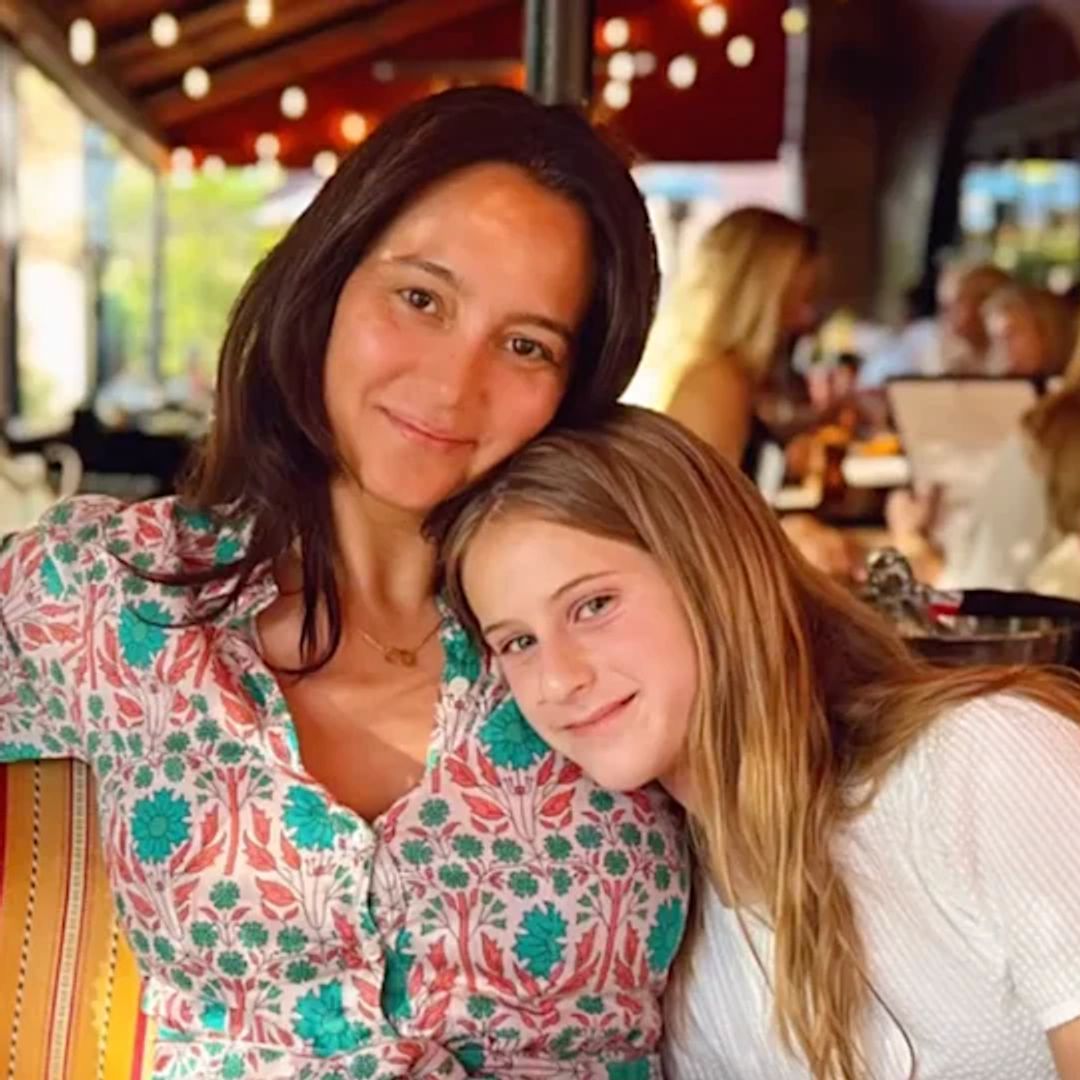
A turning point came years later when she became pregnant with her daughter Scarlet, now 16, whom she shares with ex-partner Thomas Starr.
 © Getty Images
"When I was pregnant with Scarlet, that was such a huge moment," Melanie said. "For the first time in my life, I was proud of my body. I was like, 'Wow.'"
Now, Melanie continues to speak openly about her experiences, hoping to challenge the culture of perfectionism that surrounded pop stardom in the 1990s – and to remind others that healing is possible, even after years of silent struggle.