
We all want to lead a healthy lifestyle. As much as exercise is a crucial element to enhancing our overall wellbeing, physically and mentally, it's undeniable that our nutrition is fundamental to ensuring we keep in optimal health.
Nutrition and diets get a lot of press, and you'd be forgiven for thinking that everyone is constantly banging on about protein and why it's imperative we think about it daily.
Make no mistake, this is for good reason. Protein is essential for muscular support, hormone regulation and making us feel full.
Emma Bardwell, registered nutritionist and author of the Sunday Times Bestselling book, The 30g Plan, £13.27 / $17.89, echoes the sentiment about the importance of protein, but she also tells us not to forget another major diet staple, which is just as important: fibre.
It's been well-documented that most of us are probably not getting enough fibre. Emma spoke to us to share how we can combat this.
The one thing missing from our diets. And no, it's not protein
Emma said on social media: "Everyone's obsessed with protein, but barely anyone's talking about the other game-changer: fibre. Protein is essential... I think we all know that now. But what about fibre?"
Chatting with HELLO!, Emma went into more detail about why fibre is such a crucial element of our diet for so many reasons.
Why is fibre so important?
Emma notes that while fibre was initially thought of as simply being good for keeping bowel habits regular, recent studies have shown how it now plays a "critical role" in feeding our gut.
"These bacteria work synergistically inside us like tiny pharmacies, breaking down indigestible fibres from food that we eat and turning them into beneficial compounds called short-chain fatty acids (SCFAs)."
Emma adds: "These SCFAs have a wealth of health-giving potential and can influence many systems and organs in our body, including immunity, hormones, mood, heart, skin and metabolic health."
 © Alamy Stock Photo
'Gut microbe' is another buzzword you've probably heard a lot in recent times.
What are these all about? Emma breaks it down…
"Gut microbes do a multitude of things, including: manufacture vitamins, regulate the immune system, influence sleep quality, support cognitive function, mood and mental health; plus many more."
So now that we know why fibre needs to be a dietary priority, how do we go about it?
 © Getty Images
Emma's book follows the '30g' rule, which means that we need 30g of protein per meal, 30g of fibre per day and 30-plus different plants per week.
It can be hard to do without visuals or simple guides…
How do we get more fibre in our everyday diet?
"The thought of eating 30g of fibre a day can feel overwhelming for many people, so the best way to approach it is with 'fibre stacking'," advises Emma.
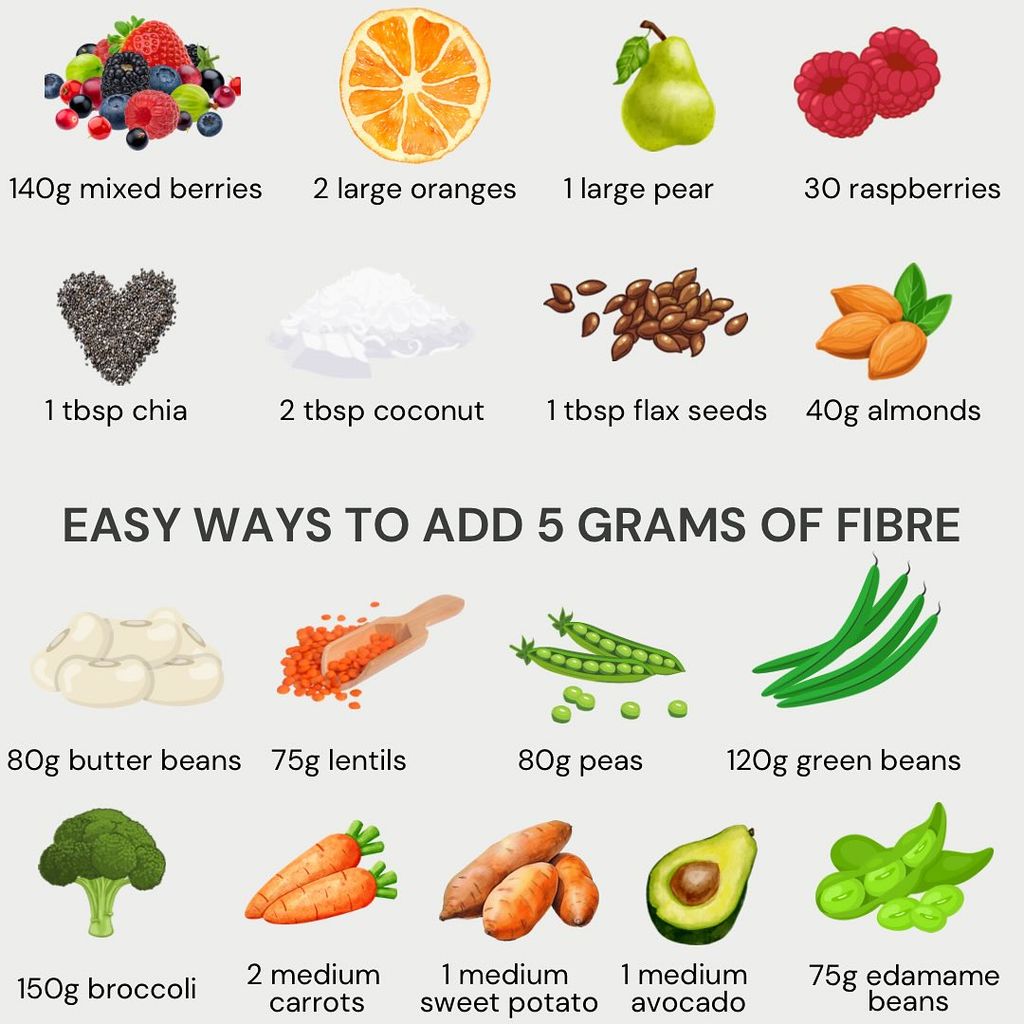
"That means breaking the 30g down into smaller, more manageable amounts. A useful guide is to think about trying to add five grams of fibre to meals and snacks throughout your day."
 © Instagram/EmmaBardwell
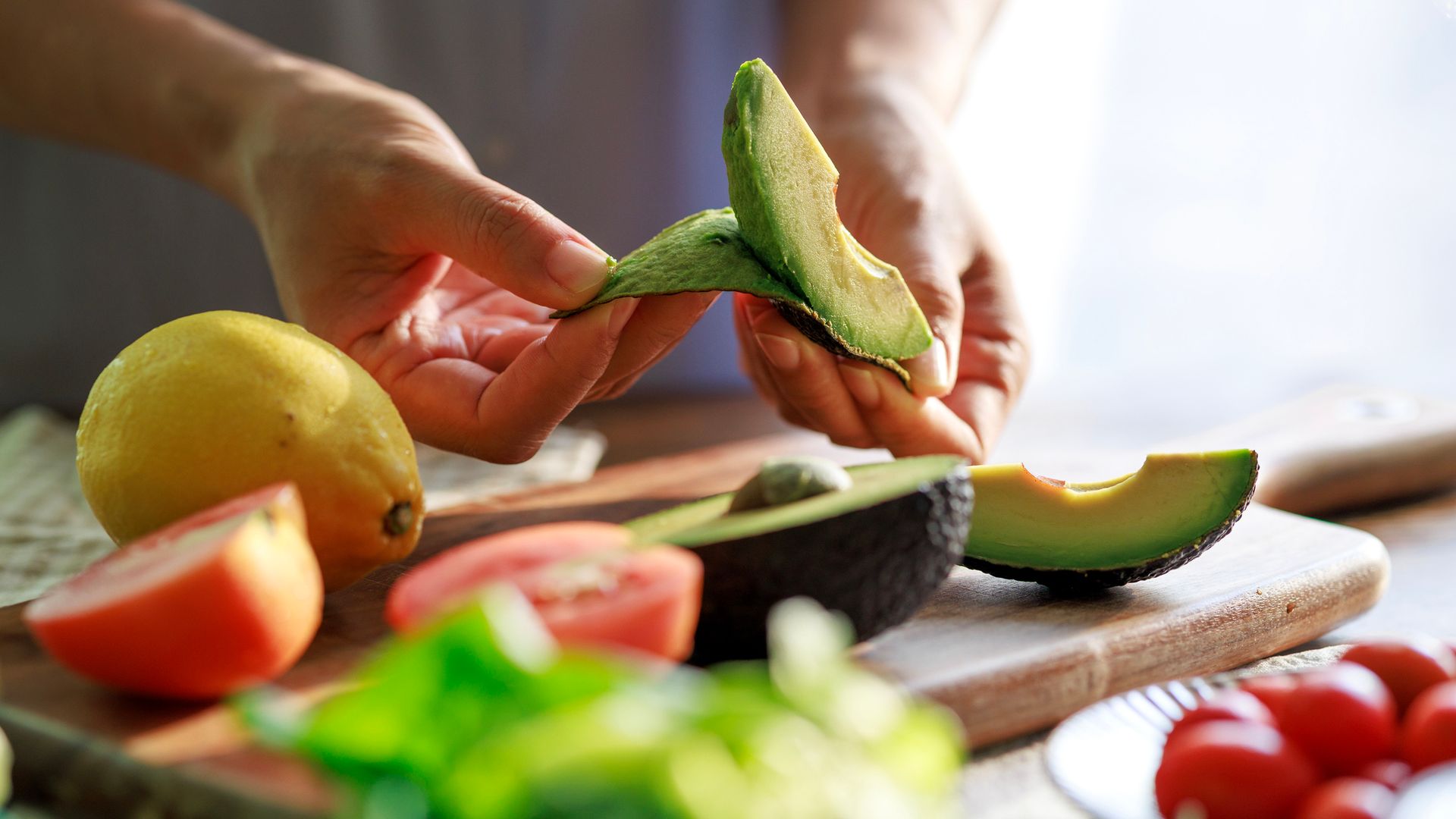
"This might look like: two large oranges; one large pear; 40g almonds; one medium sweet potato; one medium avocado; and many more."
It's something that, as a lifestyle writer who is passionate about health and nutrition, I've focused on much more in recent times.
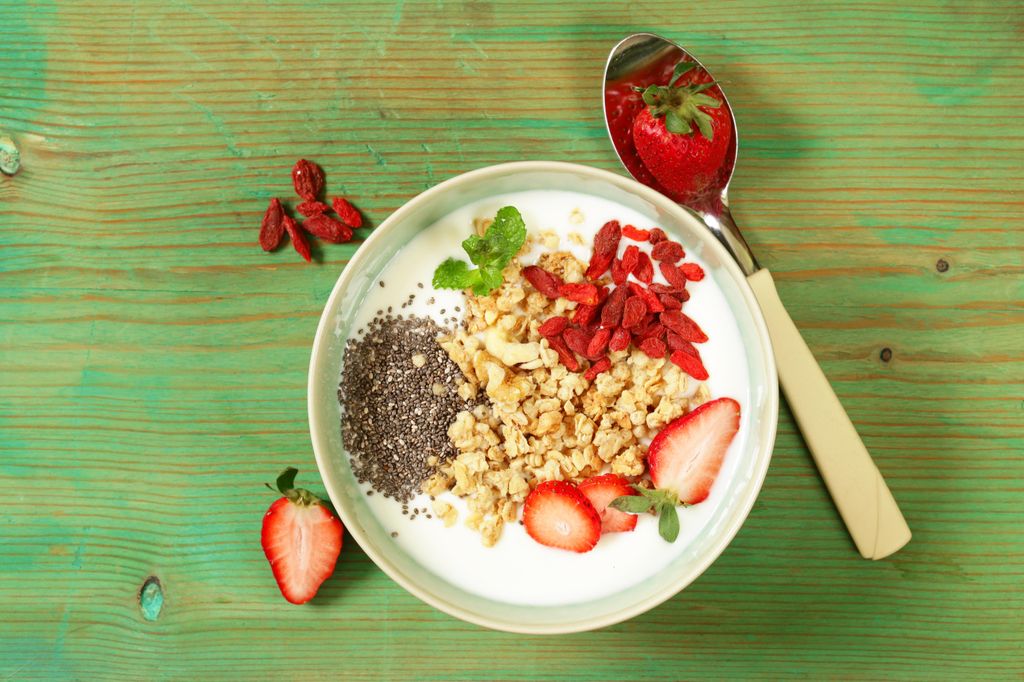
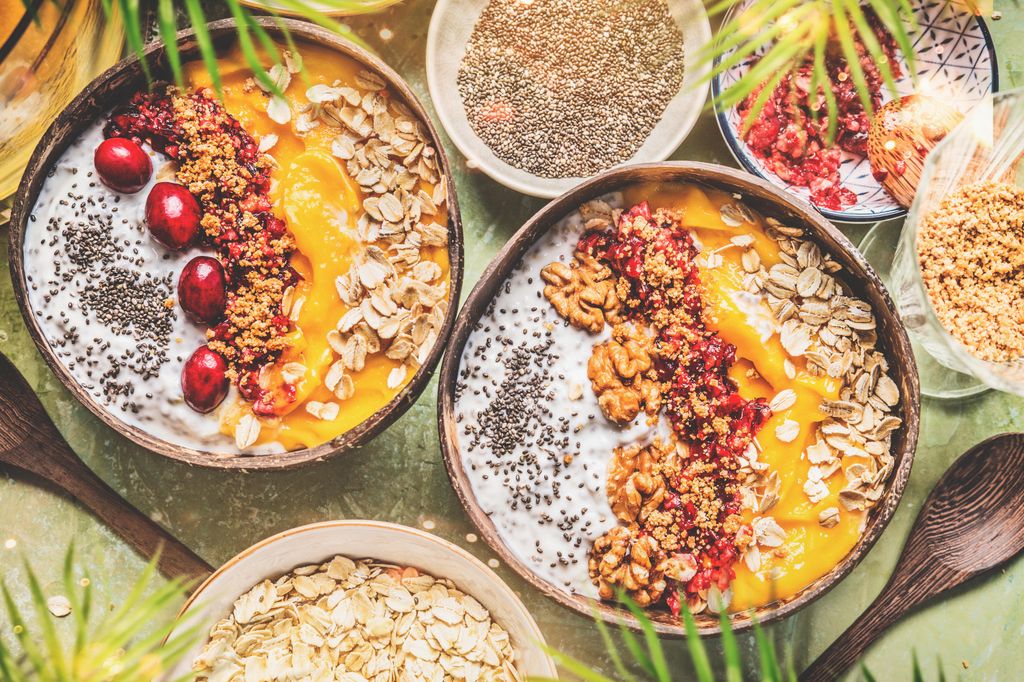
As an example, I always make sure I have two tablespoons of chia seeds in my overnight oats every single day.
 © Alamy Stock Photo
Or, if I'm working from home (and therefore have easy access to a blender), I'll throw them in a smoothie instead for a bit of variety, which is also packed with Kefir, full-fat yoghurt and fruit for extra doses of protein and fibre, not to mention the healthy gut bacteria.
Two tablespoons of chia seeds aren't enough to reach the daily recommended amount of protein and fibre alone, but they'll give you roughly 5-10 grams, so you're well on your way to hitting that target.