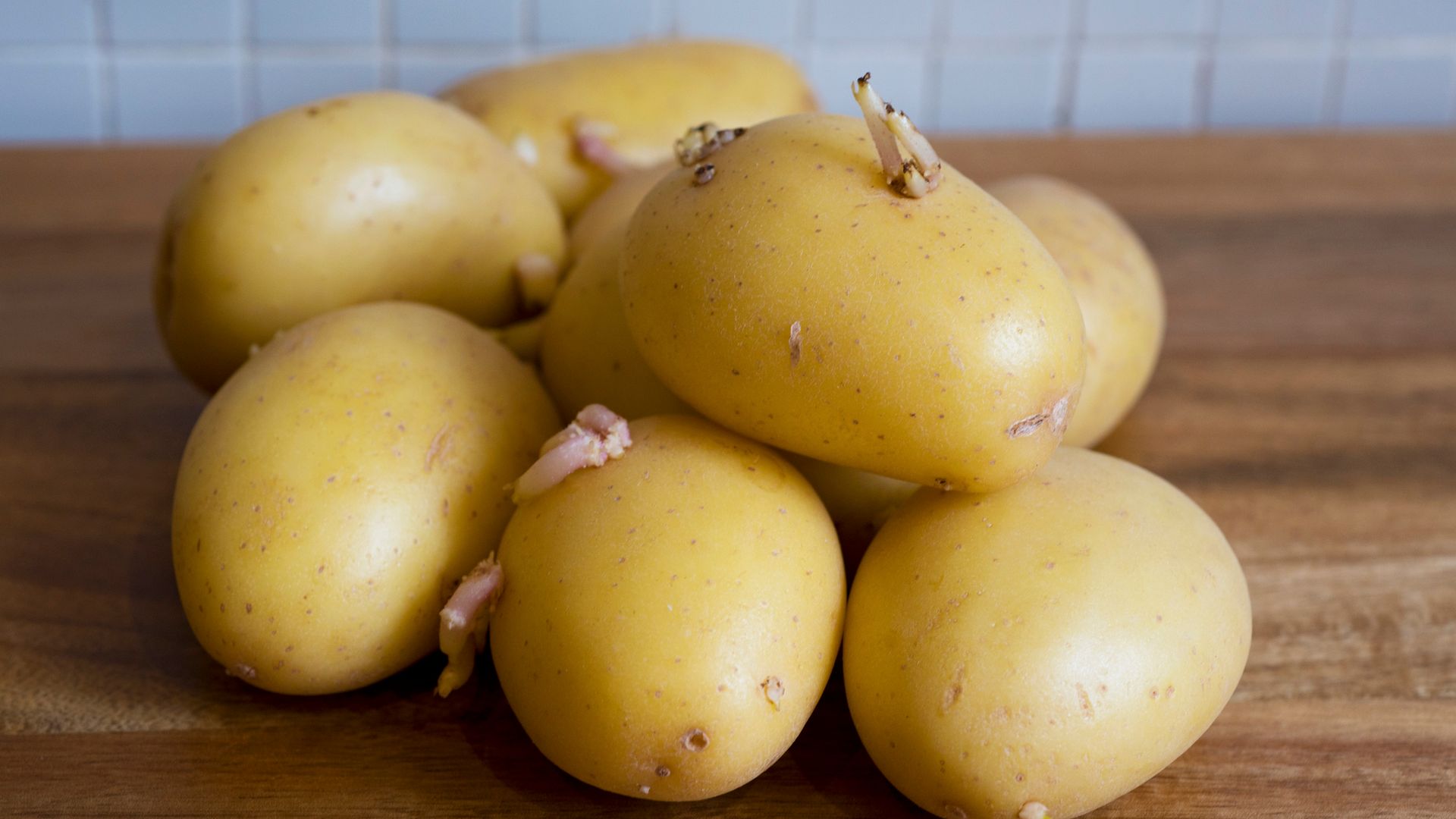

Potatoes are a kitchen staple for anything from chips to mash, but warm environments and bright conditions can often contribute to them starting to sprout and turn green. If you're anything like me, you'll know that one minute they're fresh from the supermarket, and the next they're being fished out of the storage cupboard looking less than appetising for me and my children. This means they are one of the most commonly wasted food ingredients in the UK, with an estimated 700,000 tonnes of potatoes thrown away every year. But while sprouted potatoes may not look as appetising, are they actually safe to eat? And what are the signs that potatoes have gone bad? As a health and nutrition coach, I wanted to explore the science.
Why do potatoes sprout?
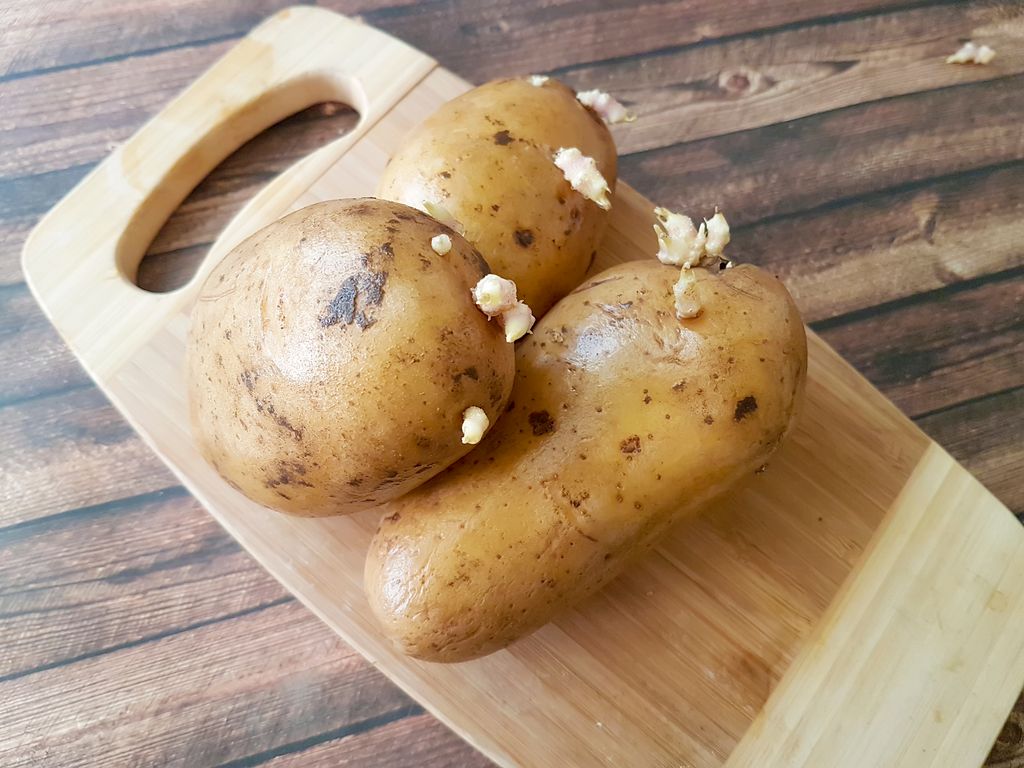
Potatoes are living tubers, which means they’re biologically designed to grow. When they are stored in warm, humid, or brightly lit conditions, they begin to sprout in preparation for new growth. This is a natural process, not necessarily a sign that the potato has gone off, but it does indicate that the potato is ageing.
Are sprouted potatoes safe to eat?
Sprouted potatoes can be safe to eat if you handle them properly. If the potato is still firm and the skin isn't green, you can cut off the sprouts and any green areas and cook the rest thoroughly. However, if the potato feels soft, is shrivelled or has a strong odour, it's safest to get rid of it.
The concern with sprouted potatoes is in natural compounds called solanine and chaconine, which increase as the vegetables age. These natural toxins can cause nausea, headaches, or digestive upset if consumed in large amounts.
"While levels are generally low, higher concentrations are found in potato sprouts and bitter-tasting peel and green parts, as well as in green tomatoes. The plants produce the toxins in response to stresses like bruising, UV light, microorganisms and attacks from insect pests and herbivores," the World Health Organisation shares. "To reduce the production of solanines and chaconine, it is important to store potatoes in a dark, cool and dry place, and not to eat green or sprouting parts."
How to tell when potatoes have gone bad
 © Getty Images/iStockphoto
There are some tell-tale signs that potatoes have gone bad and are best to throw away, such as:
- Soft or mushy texture
- Wrinkled or shrivelled skin
- Green patches or spots
- A strong or rotten smell
If you notice any of these signs, especially in combination, the potato is no longer safe to eat, regardless of whether it has sprouted or not.
 © Getty Images
How to store potatoes to prevent sprouting
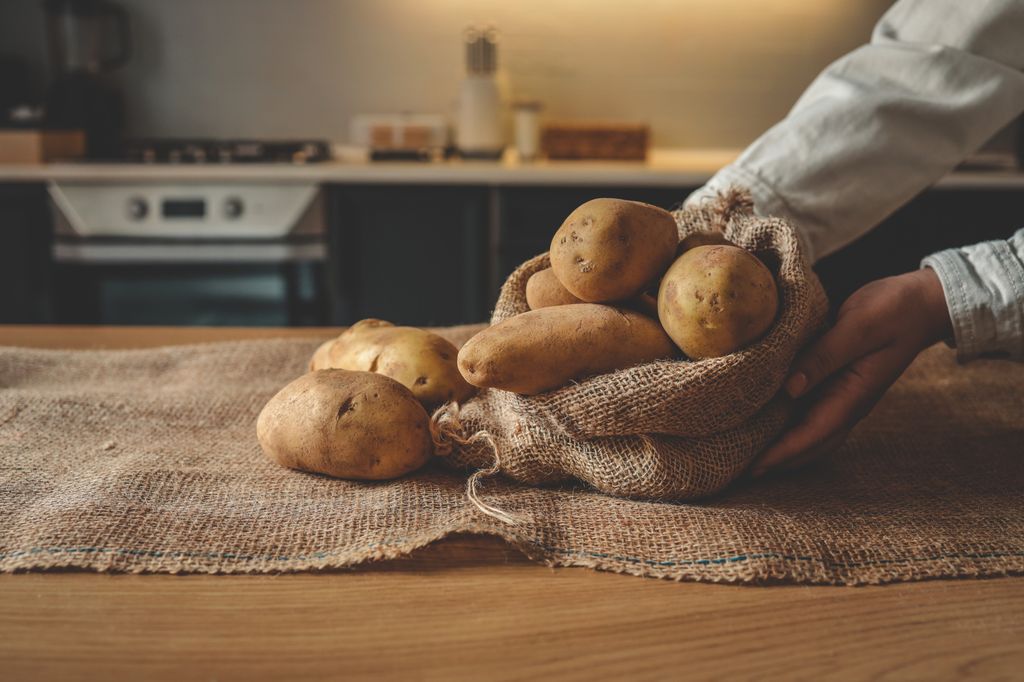
To keep your potatoes fresh and prevent them from sprouting quickly, store them in a cool, dark, and dry place, and keep them in a paper or mesh bag for airflow. From personal experience, I'd recommend against storing them near onions, which release gases that can accelerate sprouting. Meanwhile, be sure to check your potatoes regularly and remove any that are showing early signs of sprouting to prevent them from spreading to others.