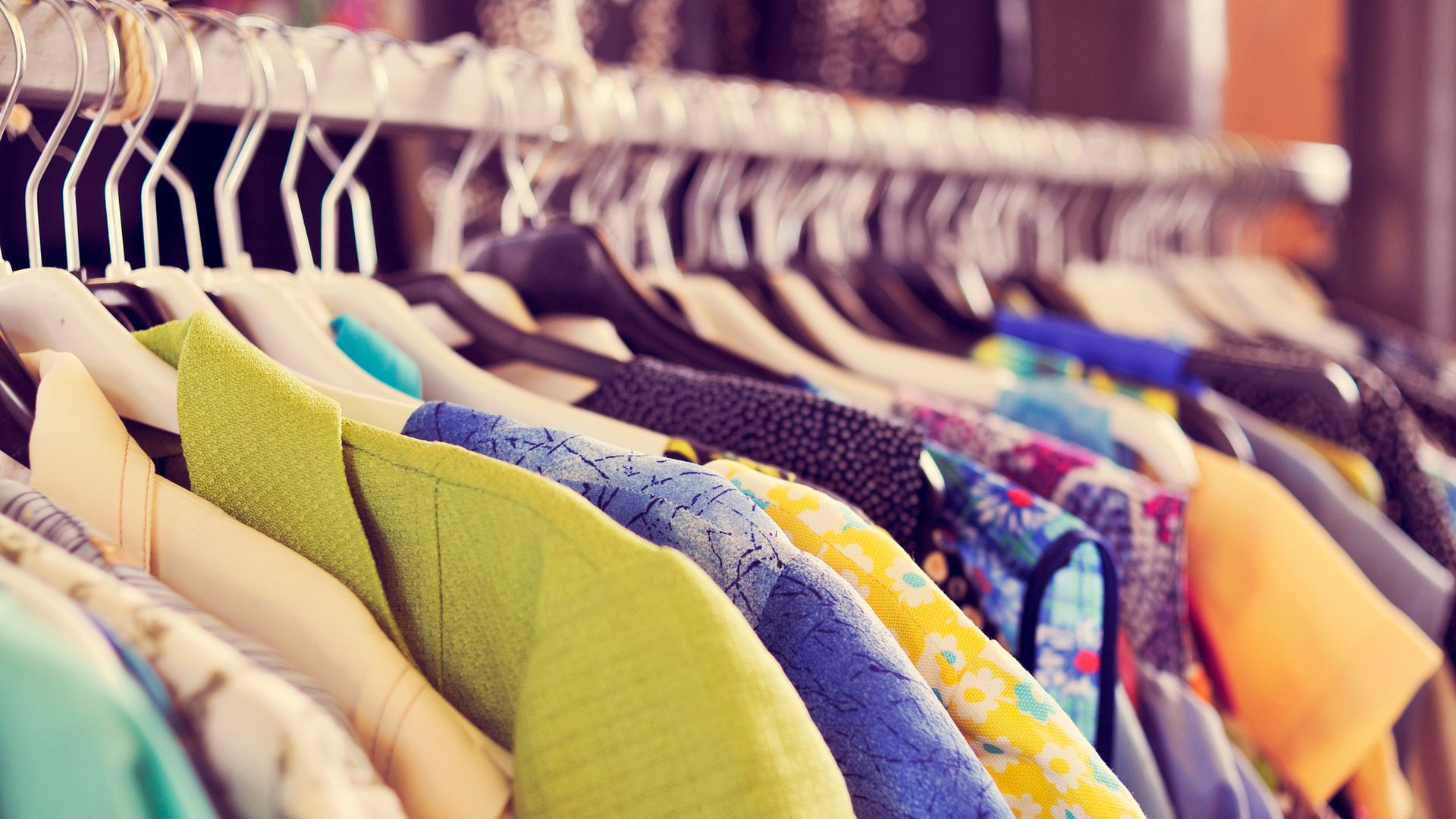
Not only is finding vintage designer clothing at a high-street price incredibly satisfying, but it's also a great way of ensuring you have super-chic staples in your wardrobe you can wear time and time again.
It's also, in turn, much better for the planet, and with fast fashion dominating headlines and becoming an issue younger shoppers are keen to address, there's never been a better time to urge people to follow suit.
I'm not exactly a fashionista, but my love for Vinted knows no bounds. I'm a sucker for a bargain and try to avoid fast fashion as much as possible, so second-hand clothing is right up my street.
However, like most things, there are risks and, sadly, some unfortunate shoppers have been known to pay hard-earned cash for fakes.
You may also like
Experts at vintage fashion retailer Messina Hembryhave shared five red flags you need to be armed with while shopping for preloved items.
The simple tricks can help shoppers spot fake designer or branded clothing before they buy and, ultimately, save their coins for something genuine.
Josh Hembry, the COO of vintage fashion retailer Messina Hembry, said: "There's huge demand for vintage designer and branded clothes at the moment, but that also means there's a higher risk of fakes and poor-quality pieces entering the second-hand market.
There are five key things to look at when buying second-hand to avoid being duped
"For a trained eye, it's easy to spot a fake from miles away. But if you're new to second-hand shopping, there are a few essential checks to keep in mind.
"From feeling the fabric and inspecting stitching, to checking care labels and logo placement - it only takes a few minutes to identify red flags that suggest something might not be genuine."
Click through the gallery to read some tips they highlight...
The experts explain that fabric is a big giveaway. More expensive, high-end items will feel soft thanks to the creatures using premium materials – this is why they cost more!
"High-quality fabrics are soft and natural-feeling, while cheap counterfeits may feel coarse. Leather items should have a varied texture and subtle natural scent, whereas fake leather often looks too uniform and smells synthetic."
Don't be afraid to really study the item, particularly the stitching. What you're looking for is clean, neat and consistent stitching.
"Pay close attention to seams, pockets, and the area around labels. Authentic pieces typically use thread that matches the fabric colour, rather than a contrasting one.
"You also shouldn’t see messy or visible stitching on the back of the label where it’s attached to the garment, so if you do, it's a sign the piece may be fake."
The same can also be said for fastening: "Zips should feel heavy and glide smoothly. High-end brands often use branded zips such as YKK.
"Check that the bottom stop aligns neatly with the pull. Buttons on genuine items are securely sewn in and may feature brand-specific details or logos."
We can all think of fashion logos that are truly iconic; therefore, spotting ones that aren't legit should be easy, right? Not always. Fakes are definitely getting more sophisticated.
"Look out for blurry printing, incorrect spellings or off-centre logo placement, which are all common signs of fakes.
"Comparing the details with official product images online can help spot any discrepancies."
Sizing can be tough to get right, but experts say premium and designer brands follow standard sizing and cut, so pay attention to how a garment fits you.
"Inconsistent sizing, like a size label not matching the actual fit or measurements of the garment, can be a red flag that it's counterfeit."
Read care labels with a meticulous eye. Are there spelling mistakes? Mismatched fonts or missing information?
Messina Hembry say these are all red flags that something is afoot. If there is no label at all? Well, save your money and avoid at all costs. Better to be safe than sorry.
Sign up to HELLO Daily! for the best royal, celebrity and lifestyle coverage
By entering your details, you are agreeing to HELLO! Magazine User Data Protection Policy. You can unsubscribe at any time. For more information please click here.