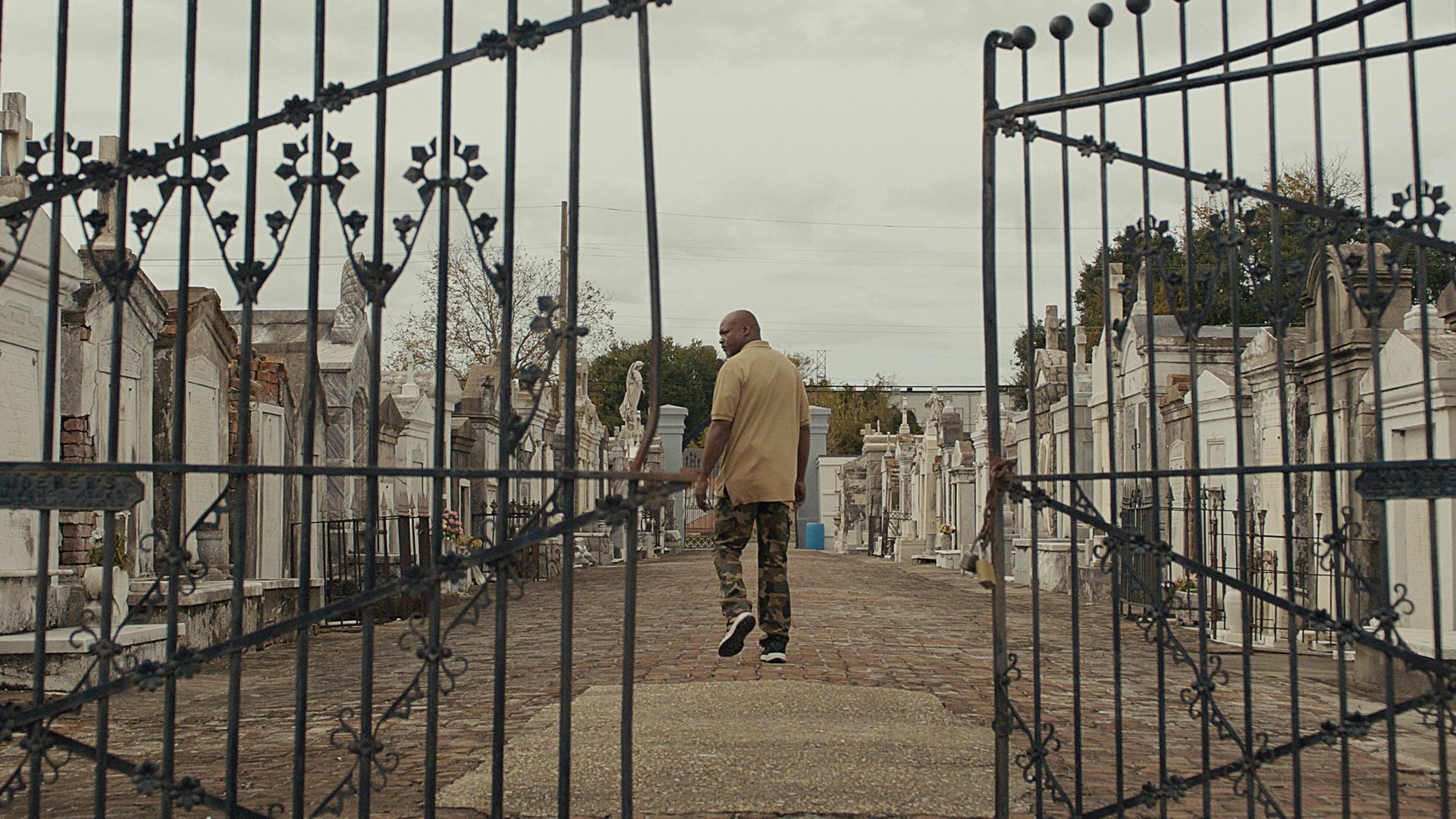

Netflix is known for its hard-hitting documentaries, and the streaming giant has just released its latest one, Katrina: Come Hell and High Water. The three-part documentary speaks to survivors of Hurricane Katrina, which hit the United States in 2005. The hurricane caused 1,392 deaths and $125 billion worth of damage, mostly affecting New Orleans in Louisiana. The relief effort following the disaster was widely criticised at the time due to its slow action and perceived systemic failures of government, in both local and federal branches.
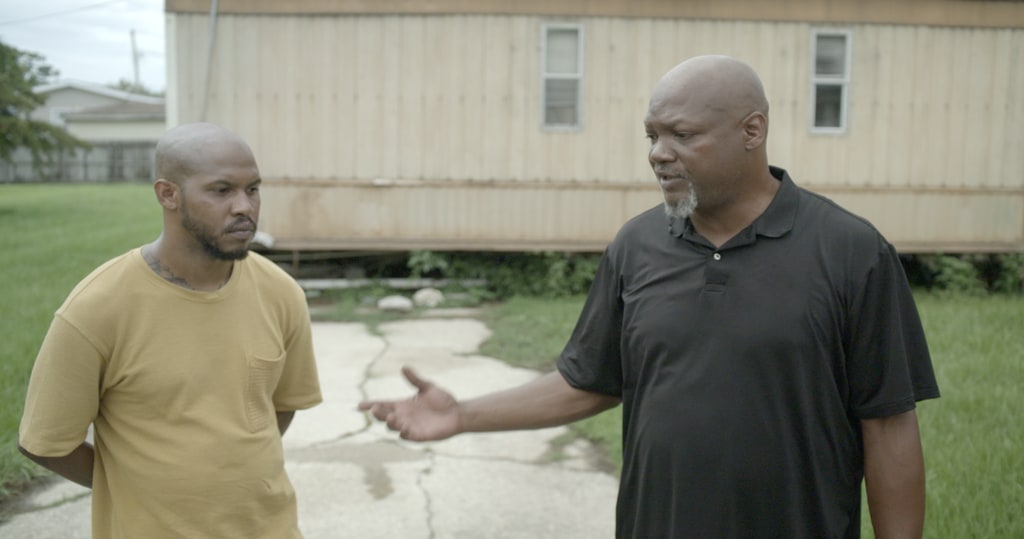
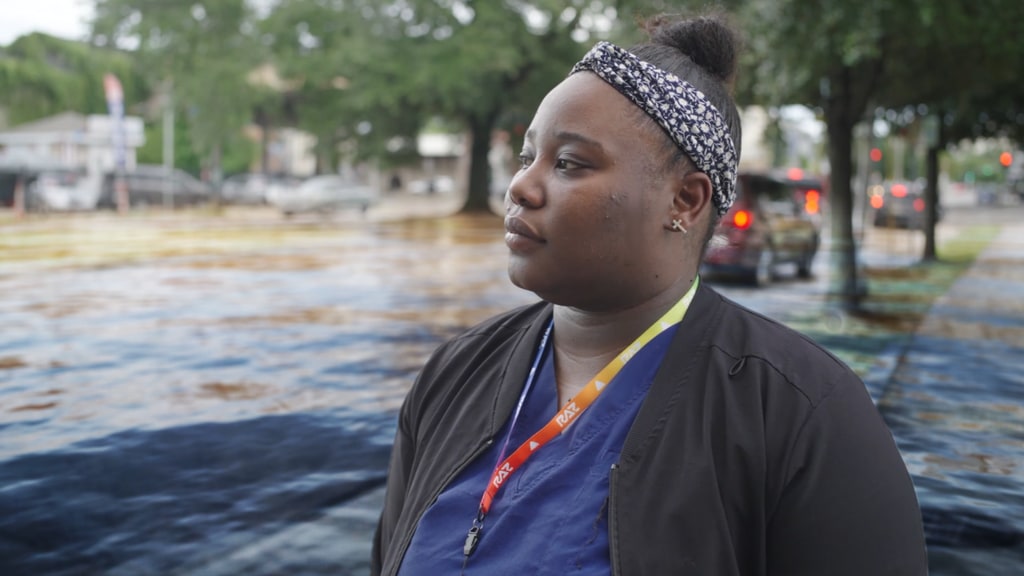
A synopsis for the series reads: "This is the story of a brutal coastal hurricane turned cataclysmic through human error and neglect. Over the course of a gripping and emotional three episodes, the people of New Orleans recount their past, extoll their present and lean into the future of what they and their beloved city survived and have become 20 years later.
"The series sets the stage for a tragedy - whose man-made elements expose the systemic governmental neglect that led to the city being defenseless in the face of the storm – and Katrina's devastating impact that changed New Orleans irreparably. Detailed, harrowing and triumphant first-person accounts and never before seen archive illustrate the magnitude of Katrina, the aftermath of the levees breaking and the bungled recovery.
"From executive producer Spike Lee and the award winning team behind The Perfect Neighbor, Katrina: Come Hell and High Water puts you in the eye of the storm and elucidates how that storm still rages 20 years later."
 © Netflix
Fan response
Since it landed, the documentary has been lauded by fans who have been streaming it in its thousands. The series made its way to the top spot on the American charts, while sitting in the No. 3 spot for the United Kingdom, only behind Hostage and Love Is Blind UK. The series is also at the top of streaming charts in Canada, while it has slotted into the No. 2 position in areas like Malta and the Bahamas.
Taking to social media to praise the series, one said: "Just finished watching this and my fear of water has been elevated even more. If you do not know about Hurricane Katrina, this would be a great start. Netflix have outdone themselves yet again with this docu-series," and a second added: "Watched that Katrina documentary yesterday on Netflix. That whole situation was way worse then what I thought as a kid."
 © Netflix
A third enthused: "This Katrina doc on Netflix is really good. Netflix has been in the bag with this docs man," while a fourth wrote: "If you haven't watched Katrina, Come Hell and High Water on Netflix, you must. Everyone must," and a fifth shared: "The Netflix Katrina documentary is 10x more heartbreaking than the one on National Geographic."
Other viewers posted: "This Katrina documentary on Netflix has me tore up. Those people went through a lot, more than I knew," while another declared: "After watching the Hurricane Katrina documentary on Netflix, New Orleans was failed and everyone needs to be held accountable." One more responded with: "I'm a sucker for a good Netflix documentary and Katrina did not disappoint," and a final wrote down: "Not me crying watching this Katrina documentary on Netflix, I didn't ask for all this on my day off."
Hurricane Katrina
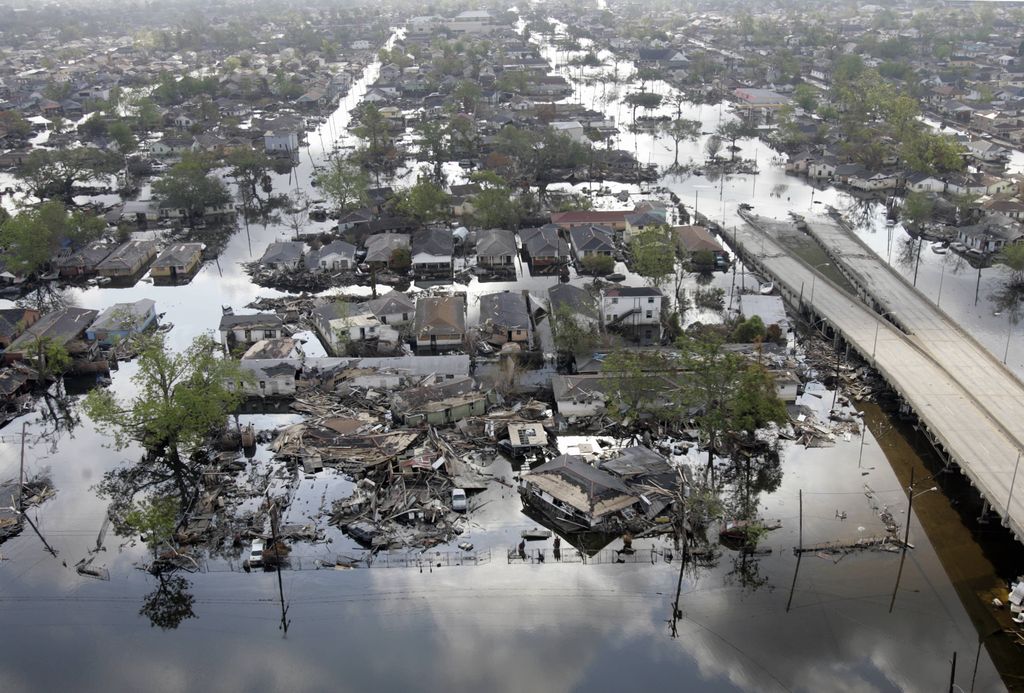
Hurricane Katrina was a Category 3 storm that hit the United States in 2005 majorly affecting Louisiana, Mississippi and Florida. It is the costliest Atlantic hurricane in recorded history; tied with 2017's Hurricane Harvey, the two both caused $125 billion in damages. However, Katrina caused a lot more deaths, with 1,392 people believed to have been killed as a result.
 © AFP via Getty Images
As a result of the storm and flood barriers failing, 80% of the city of New Orleans was flooded and it's estimated that around 100,000 and 150,000 people were still in the city despite evacuation notices. Responses to the disaster by the government were heavily criticised, leading to the resignations of Michael D. Brown, the then director of the Federal Emergency Management Agency, and Eddie Compass, the police chief of New Orleans.