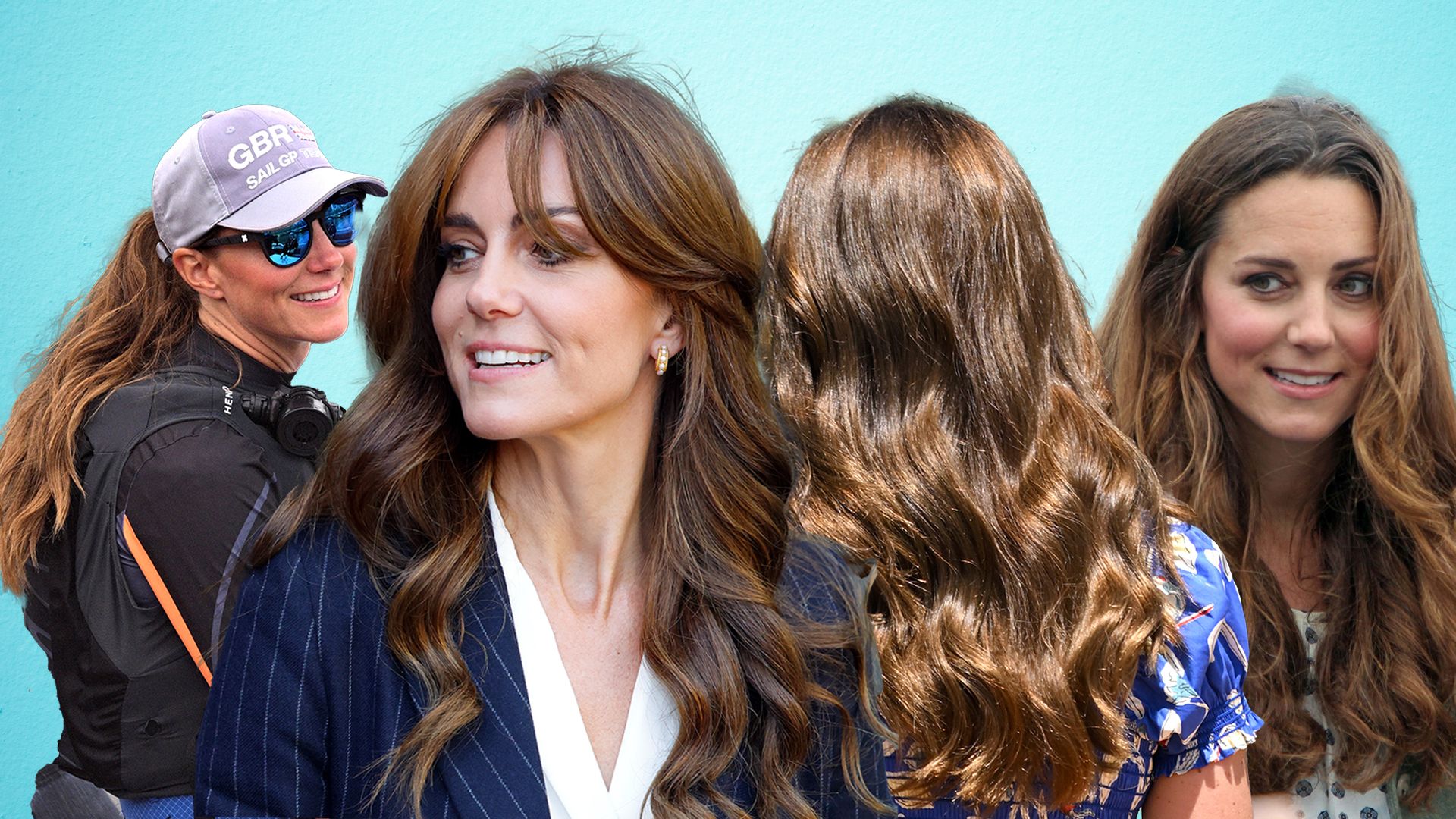
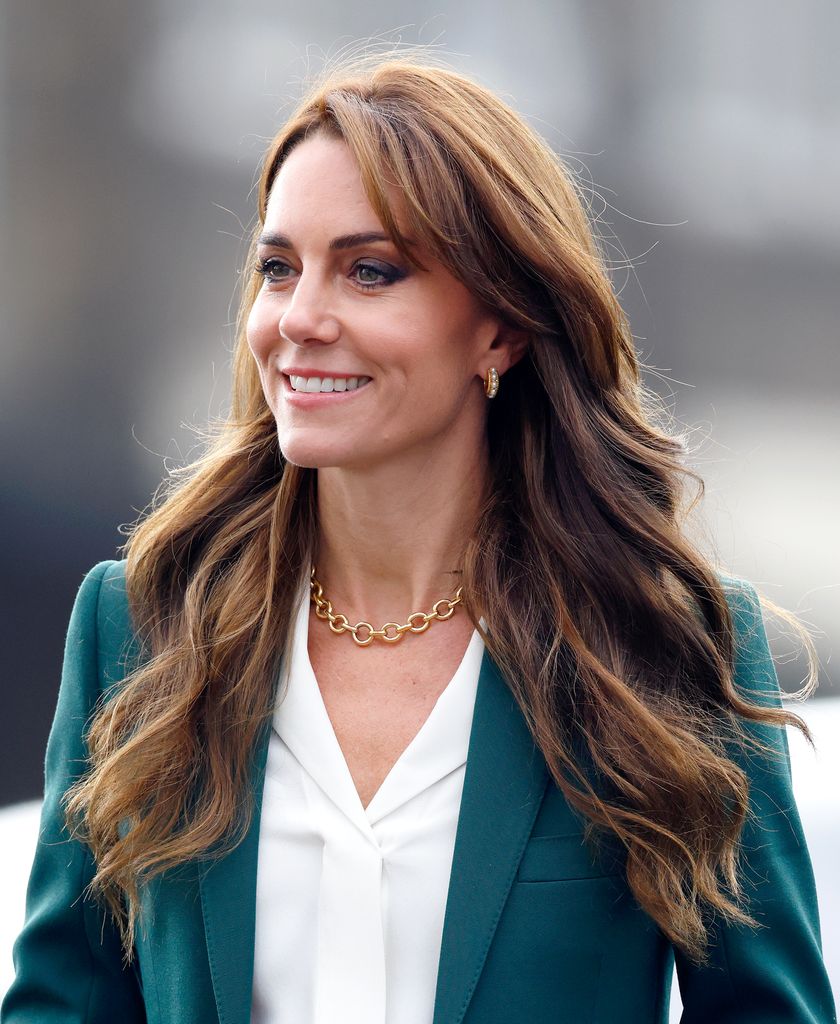
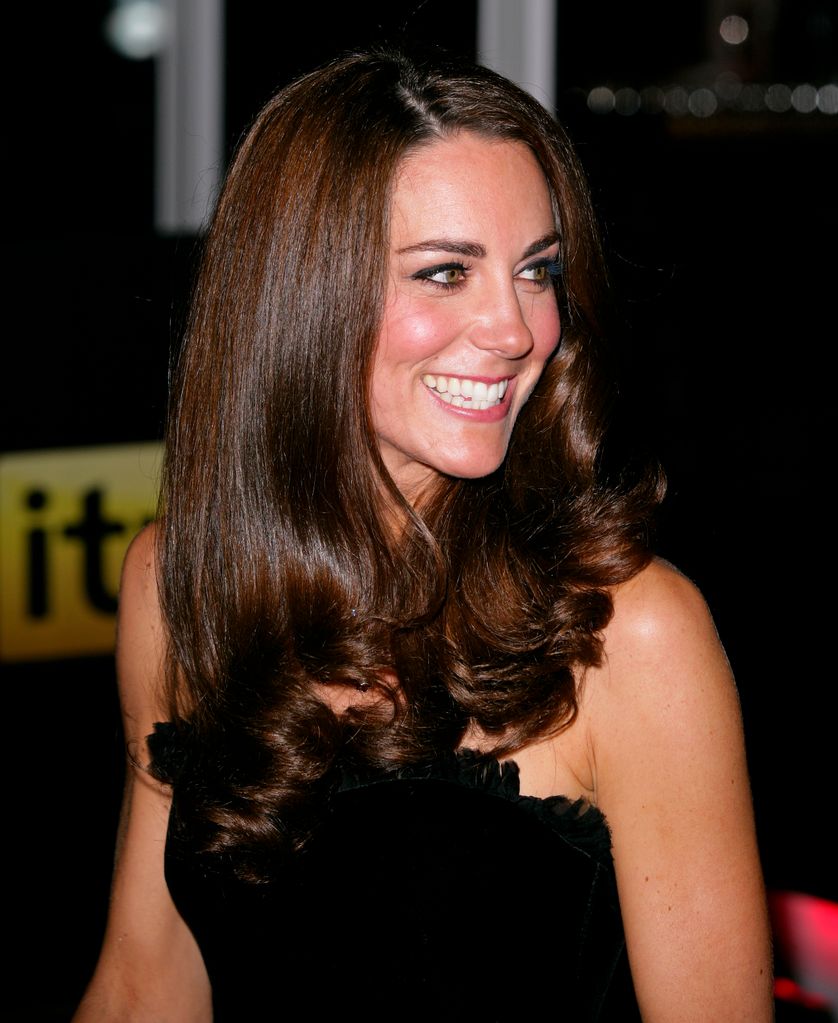
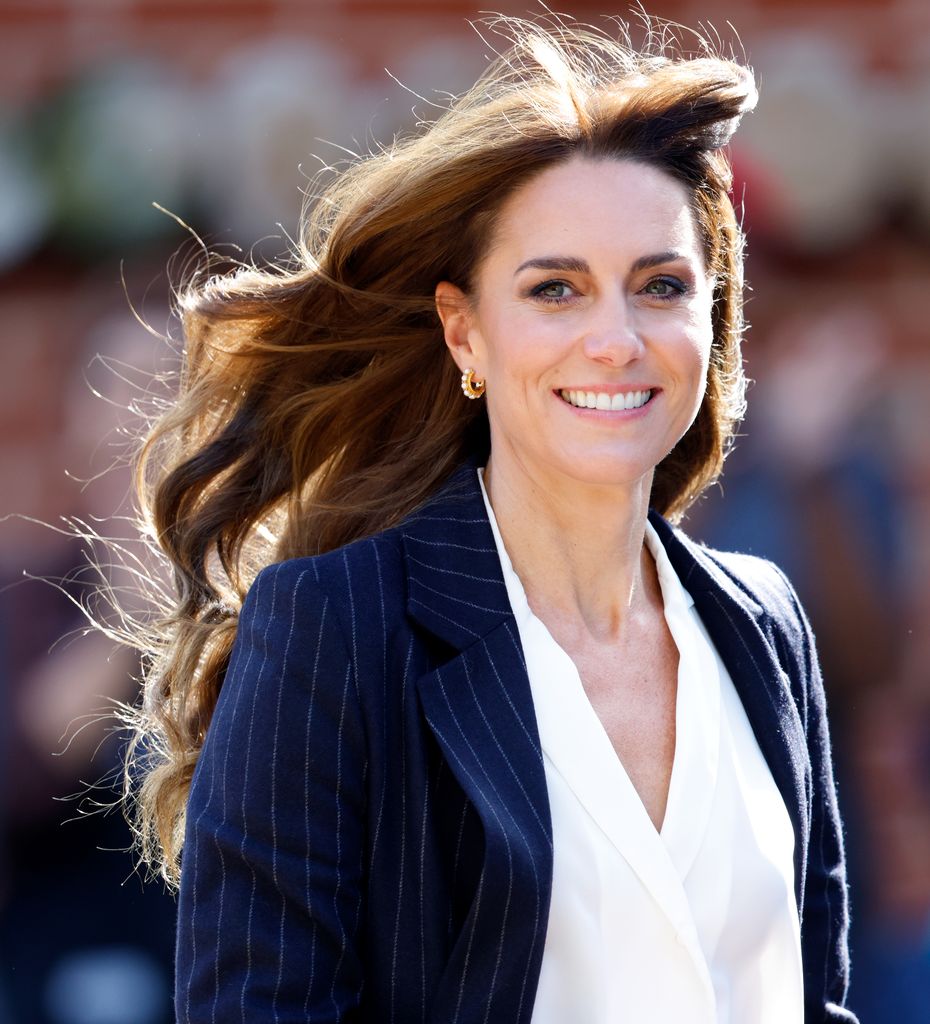
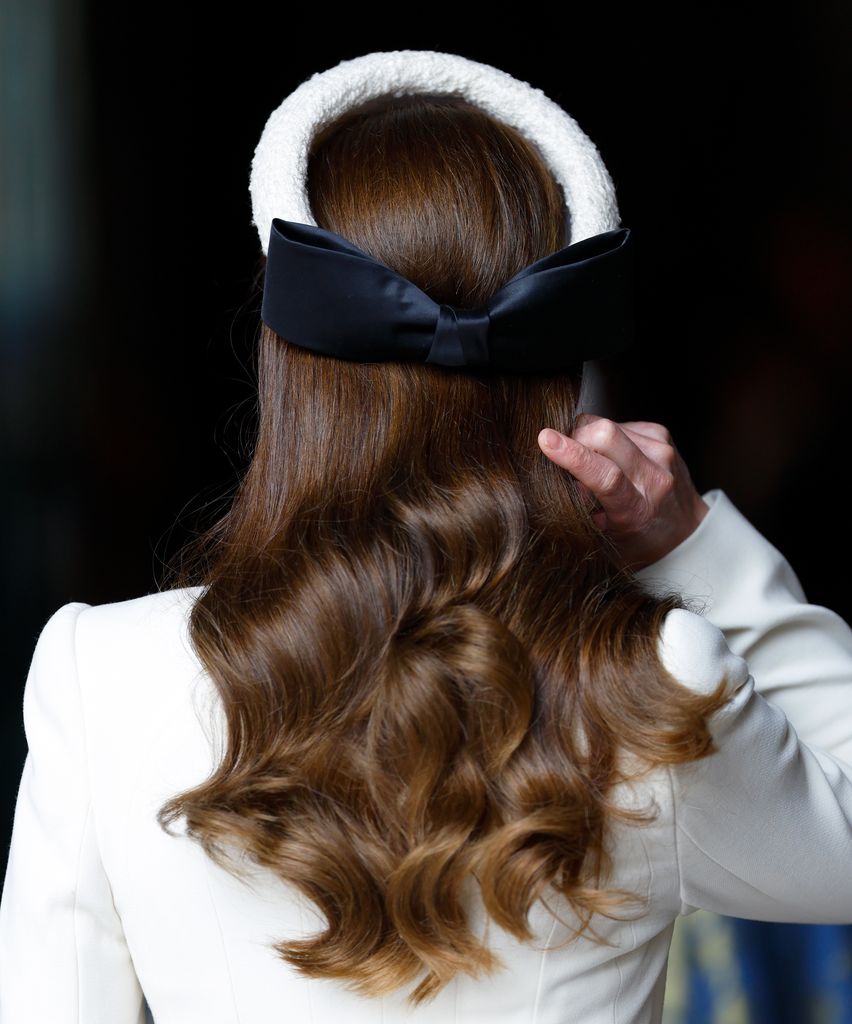
When it comes to royal beauty, the Princess of Wales' hair is the gold standard - glossy, voluminous, and always perfectly styled. Whether or not she has hair extensions has long been a hotly contested topic, with hair experts remaining divided on whether or not the wife of Prince William has enhanced her natural locks with tape-ins or keratin bond extensions.
"They're not extensions," Kim Kardashian's hairstylist Chris Appleton previously told HELLO! with absolute certainty.
"She's got great hair, she always has done. I can tell by the ends of her hair that they're not extensions," whilst extension expert Olia Cutz, Founder of The Extensionist, thought otherwise.
"Kate could easily have had tapes or ultra bonds, which are incredibly tiny strands of hair extensions. They can add thickness and length to any hair type, but are so subtle they are incredibly hard to detect," she said.
 © Getty
According to Registered Nutritional Therapist Lucia Stansbie, what you eat plays a huge role in the health and vibrancy of your hair. Nourishing your strands from the inside out can also make a difference in the thickness and length. Can you really eat your way to Princess-worthy hair? Lucia explains how…
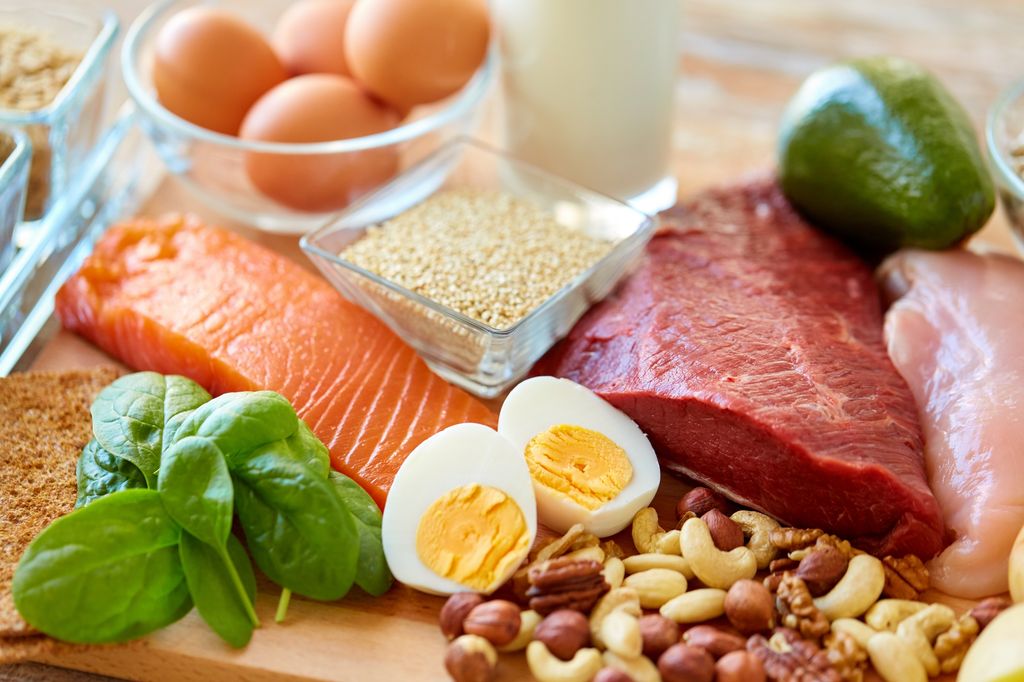
Protein is the building block of healthy hair
 © Ground Picture
Your hair is primarily made of protein, so skimping on it can lead to weak, brittle strands. Lucia recommends filling your daily plate with protein-rich foods such as:
- Lean meats (chicken, turkey, beef)
- Fish
- Eggs
- Legumes (lentils, beans, chickpeas)
Load up on Omega-3 fatty acids to feed your scalp
 © Max Mumby/Indigo
"A healthy scalp equals healthy hair, and omega-3 fatty acids are essential for reducing inflammation and promoting scalp health," says Lucia. The best sources? Fatty fish like:
- Salmon
- Sardines
- Anchovies
- Herrings
- Mackerel
Zinc helps to increase natural oils
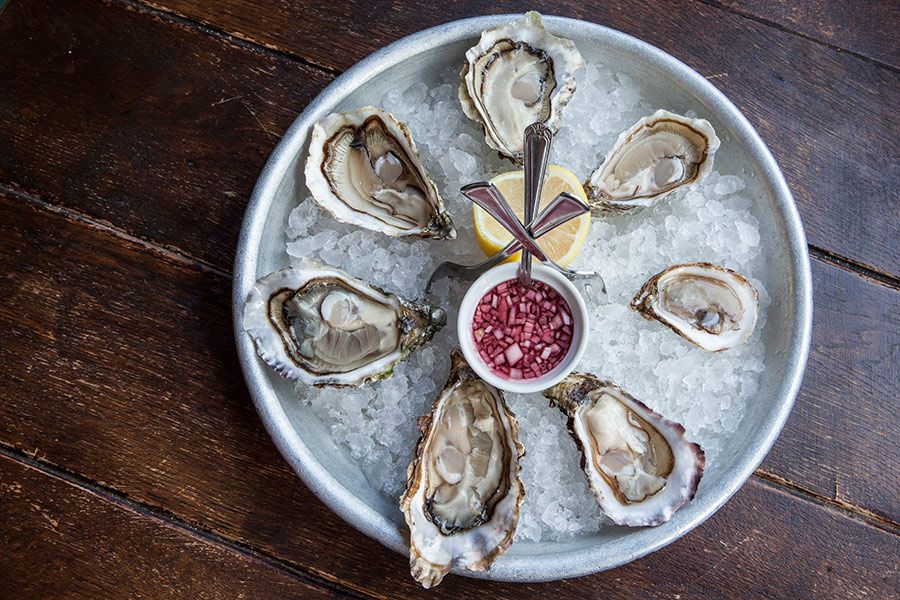
According to Lucia, "zinc helps support the hair follicle’s oil glands, which are crucial for keeping strands nourished and strong." To boost your zinc intake, reach for:
- Oysters
- Beef
- Pumpkin seeds
- Lentils
Vitamin D is a natural boost for hair growth
 © Getty
"Vitamin D doesn’t just support your immune system and bone health - it also plays a key role in the hair growth cycle. We synthesise it from sun exposure, but if you spend long hours indoors or wear SPF daily, consider supplementing, especially in the winter months."
Pair it with vitamin C, which helps stimulate collagen production. According to Lucia, the best sources include:
- Citrus fruits
- Berries
- Peppers (raw ones have more vitamin C than oranges!)
- Broccoli & Brussels sprouts
Load up on Biotin (Vitamin B7) for royally good hair
 © Max Mumby/Indigo
"Biotin is known for its role in strengthening hair and nails by supporting keratin production." To keep your hair looking as healthy as Kate’s, add these biotin-rich foods to your diet:
- Eggs
- Almonds
- Avocados
- Sweet potatoes
- Spinach
While a healthy, balanced diet can play a factor in supporting luscious, glossy hair, sometimes even a perfect diet can't fix hormonal issues - which play a major role in hair loss, explains Lucia.
"Hormonal balance plays a major role in hair health. If hormones are out of sync, hair thinning and loss can occur," says Lucia. Here are the symptoms to look out for:
PCOS (Polycystic Ovary Syndrome): High androgen levels can lead to female-pattern baldness.
Endometriosis: Heavy periods may cause iron deficiency, which is vital for oxygen transport to hair follicles.
Postpartum hair loss: Hormonal shifts and nutrient depletion after childbirth can increase shedding, though Lucia recommends checking for deficiencies and eating a nutrient-rich diet, which can help.
Menopause: Hormonal changes can thin hair, but a diet rich in protein and healthy fats can keep locks strong and shiny.


