Can you imagine living to be over 100? For decades, reaching a century felt like the ultimate longevity dream. But what if the goalposts have moved? Experts are no longer talking about human beings living to just 100 - they're now talking about reaching up to 120 years old - or more. It's not science fiction; it's a new reality rooted in the lives of the world's most enduring people, the "supercentenarians." The proof is in the records: The longest-lived person in history, Jeanne Calment of France, lived to an astonishing 122 years. And just recently, Spain's María Branyas Morera lived to be 117.
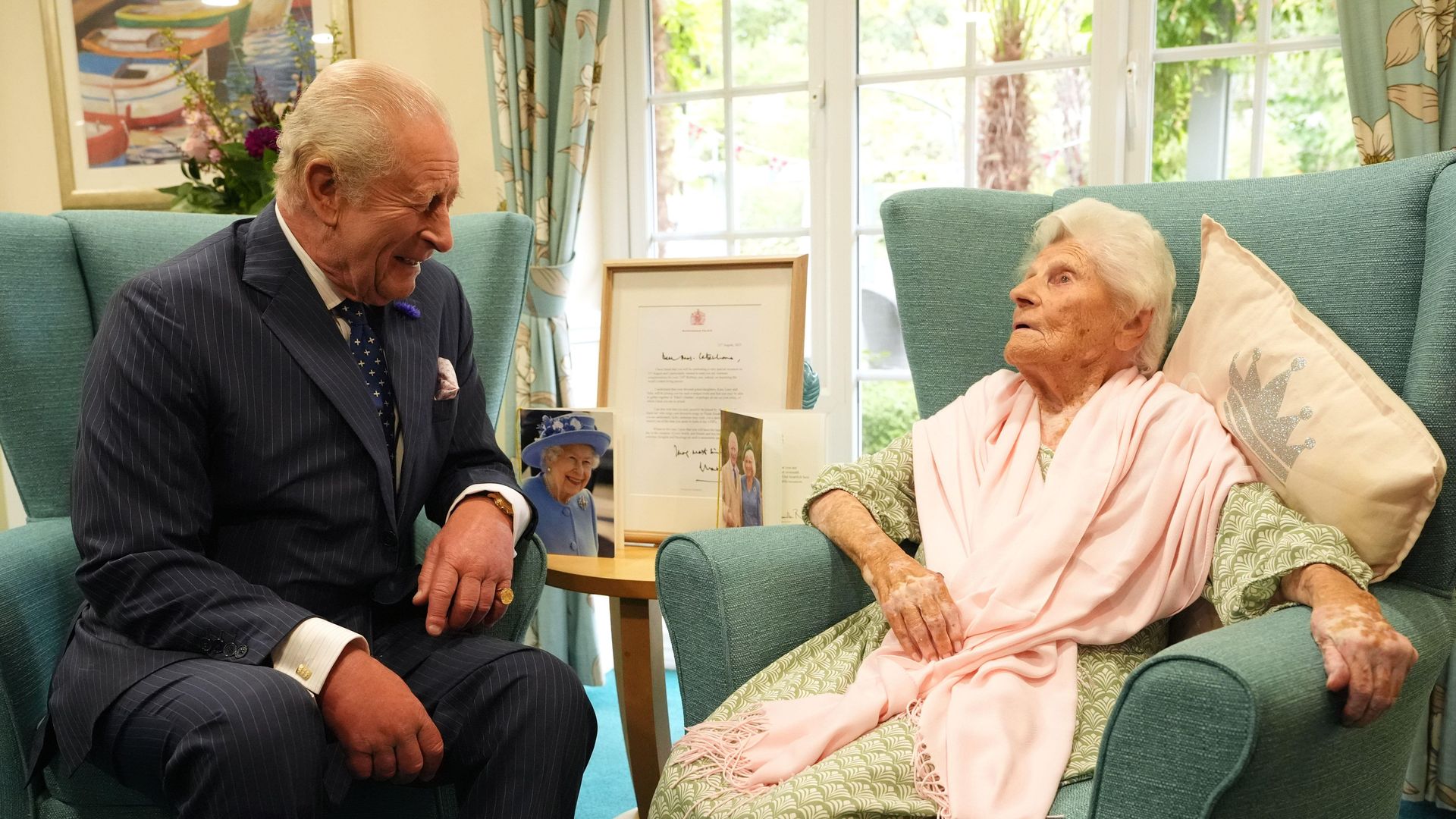
Today, people like the UK's Ethel Caterham, currently 116, and the US's oldest-living person Naomi Whitehead, 115 years old, are showing us what's truly possible.
With over 700,000 supercentenarians worldwide, the question is no longer if we can reach 120, but how. Leading longevity expert and author Dr Manuel de la Peña has been working to uncover the profound yet simple secrets behind this groundbreaking pursuit.
Get ready to learn not just how to live longer, but how to live better, based on the wisdom of those who have already shattered every record.
Is there a single main secret to the incredible longevity of these supercentenarians?
"The main 'secret' is knowledge. The best antidote to ageing is knowing precisely why we decline and, why we age the guidelines for staying in peak form - living with enthusiasm and health."
We hear so much about the Blue Zones (regions with a high number of people over 100). Do their inhabitants genuinely know the secret to living longer?
"Among the Blue Zones, their inhabitants keep their minds active, have positive thoughts, and physical exercise and a healthy diet are integrated into their daily routines. They have a purpose in life, a vital project, and spirituality and serenity are typical characteristics.
"They tend to maintain low stress levels thanks to a variety of practices that include having a solid social support system. They drink red wine in moderation, 1-2 glasses a day. They are keen gardeners. They have a high level of social connection, as well as a connection with nature, which positively impacts longevity."
So it's not simply about living longer, but, above all, living better?
"Indeed. The key is to extend life while remaining free of disease. To achieve this, I advocate for creating environments where the healthy option is adopted quite naturally.
"Beyond eating a balanced diet - one rich in vegetable proteins, fibre, and essential nutrients - and taking regular physical exercise, you also need to keep your cholesterol and blood pressure meticulously controlled.
"Consider taking probiotics, learning to manage your inner calm, listening to music, perhaps joining a dance school, and cultivating a spirit of solidarity.
"It is also vital to embrace spirituality, to eliminate 'toxic' people from your life, and, of course, to put yourself in the hands of good doctors who can help you properly value your health - something many people only appreciate once it's lost."
"Genetics accounts for approximately 25% of our overall longevity"
What weight does genetics actually carry in longevity, and to what extent?
"Genetics accounts for approximately 25% of our overall longevity. If we happen to be carriers of genes associated with a longer lifespan, this genetic influence inherited from our ancestors will certainly help extend life. Conversely, however, we can also inherit genes associated with various diseases - for instance, there are over 50 genes linked to suffering from high blood pressure. That is precisely why we are increasingly placing greater importance on epigenetics; that is, the influence of our daily customs on how our genes are expressed. If we consciously adopt healthy habits and lifestyles, we can positively influence our genetic expression."
Is stress - like the dizzying pace of modern life in large cities - an enemy of longevity?
"Emotional stress is the great scourge of this century. The organism can withstand a state of alarm for a time, but if the situation becomes chronic, it can enter psychosomatic exhaustion with countless clinical manifestations that cause a lot of physical and psychological damage."
In your opinion, is there a specific diet that helps us live longer and better?
"The optimal diet features a wide variety of vegetables, legumes and fruits, alongside wholegrains. You should aim for a handful of nuts daily, incorporate all types of fish -particularly oily fish such as anchovies, sardines, or salmon - and consume lean meats only in moderation. Avoid ultra-processed foods entirely and focus on a diet based on organic produce wherever possible. I also recommend taking three to four tablespoons of extra virgin olive oil every day.
"Hydration is also essential; you need to drink a minimum of eight glasses of water daily (that’s about 2 litres) to prevent dehydration. Practices like caloric restriction and intermittent fasting are also guidelines that are tremendously helpful."
So then, what habits negatively impact our longevity?
"Smoking, being overweight or obese, chronic stress, poorly controlled high blood pressure, a lack of regular physical exercise, high levels of LDL (or 'bad') cholesterol, and emotional stress. I have not met a single supercentenarian who smokes. The good news is that it’s always possible to change; for example, once you’ve gone two years without smoking, you are officially an ex-smoker, and after fifteen years, you are practically considered a non-smoker. It is simply a matter of making healthy decisions, as all of these factors can be corrected."
And conversely, what do you consider to be our best allies?
"Physical exercise, a healthy diet, and music collectively constitute a significant 70% of our potential longevity. Supercentenarians live with a great deal of inner peace and spirituality; all have faith. Physically, they eat sensibly, and they are invariably on the slim side. They all have low cholesterol, typically around 120, and their blood pressure is exceptionally well-controlled, usually at 130/70. None of them smoke."
"Back in 1900, people lived to around 30 to 35 years; by 2024, that figure had essentially tripled... It's safe to assume that the supercentenarian population will continue to increase"
What do you predict our life expectancy will be in a few years' time?
"The growth in life expectancy is truly exponential. Back in 1900, people lived to around 30 to 35 years; by 2024, that figure had essentially tripled... If there are currently some 700,000 people across the world over the age of 100, it's safe to assume that the supercentenarian population will continue to increase. I believe, sooner rather than later, we'll reach 120 years."
About the expert:
Dr Manuel de la Peña is a leading longevity expert and author of the Spanish-language book, Guide to Living Healthily to 120.