
Can you imagine that there's one natural remedy that helps you keep your sugar levels healthy, boost your memory, reduce stress and even support you through the menopause? Well, it exists, and it's not a recent discovery.
Science is now confirming what our ancestors already knew about the benefits of sage, which has been used for centuries in natural medicine, and its genuine power in helping us with everything from hot flushes to diabetes.
If this sounds like something that can help you right now, but you don't know where to start, don't worry! A pharmacist is helping explain the incredible properties of this common kitchen herb and exactly how we can use it to improve our health.
Does drinking sage tea lower blood sugar?
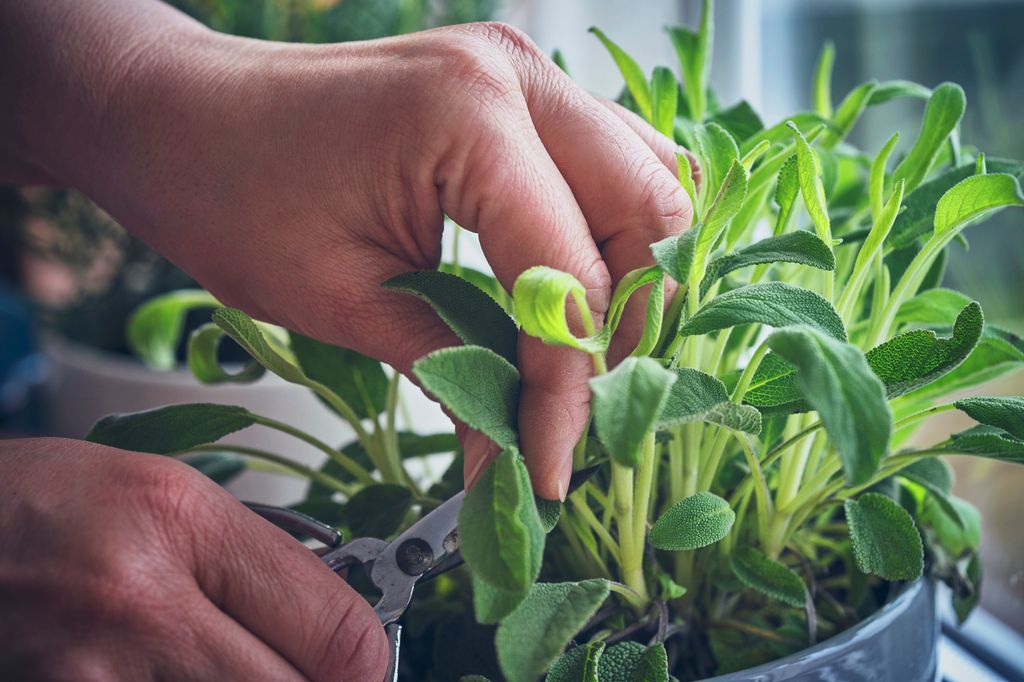
Sage (Salvia officinalis) has been recognised for its medicinal properties since ancient times, and recent studies verify that consuming it can improve glucose absorption in cells and reduce its concentration in the blood.
 © Getty Images
According to pharmacist Pilar Pérez, who is also CEO of eco-friendly beauty brand Albalab Bio, "Sage acts on certain liver enzymes involved in glucose metabolism, which helps to balance sugar levels in the body." These special properties mean that consuming sage can help people keep their blood glucose levels in check, provided it sits alongside other lifestyle choices such as exercise and a healthy diet.
Can sage really improve concentration and prevent memory loss?
In addition to its impact on sugar regulation, sage acts as a natural boost for memory and cognitive function.
Studies show that the antioxidants in sage help reduce oxidative stress in the brain and lowers the risk of neurodegenerative diseases such as Alzheimer's and Parkinson's
"There are certain compounds in sage that appear to influence neurotransmitters related to memory, such as acetylcholine," explains Pérez. "This could explain why consuming sage has shown positive effects on both information retention and short-term memory."
This benefit is largely attributed to the presence of antioxidants, such as rosmarinic acid, and other compounds that help to delay brain ageing and lower the risk of neurodegenerative diseases such as Alzheimer's and Parkinson's.
What are the benefits of sage for menopause, hot flushes and stress?
The benefits of this plant are not limited to sugar control and memory alone - sage is also a great ally during the menopause helping relieve certain symptoms. For example, because of its phytoestrogenic properties, it can help alleviate symptoms such as hot flushes.
On an emotional level, sage can act as a natural remedy for anxiety. "Some of the compounds in sage have calming effects that help reduce stress and anxiety," notes Pérez. This makes it ideal for those seeking something natural to help them relax after an exhausting day.
If you're suffering from bloating and sluggish digestion, sage tea could help. And for a beauty boost, "sage is used in cosmetics to regulate excess oil on the skin and strengthen hair," says Pérez.
 © Getty Images
How to make sage tea for maximum health benefits
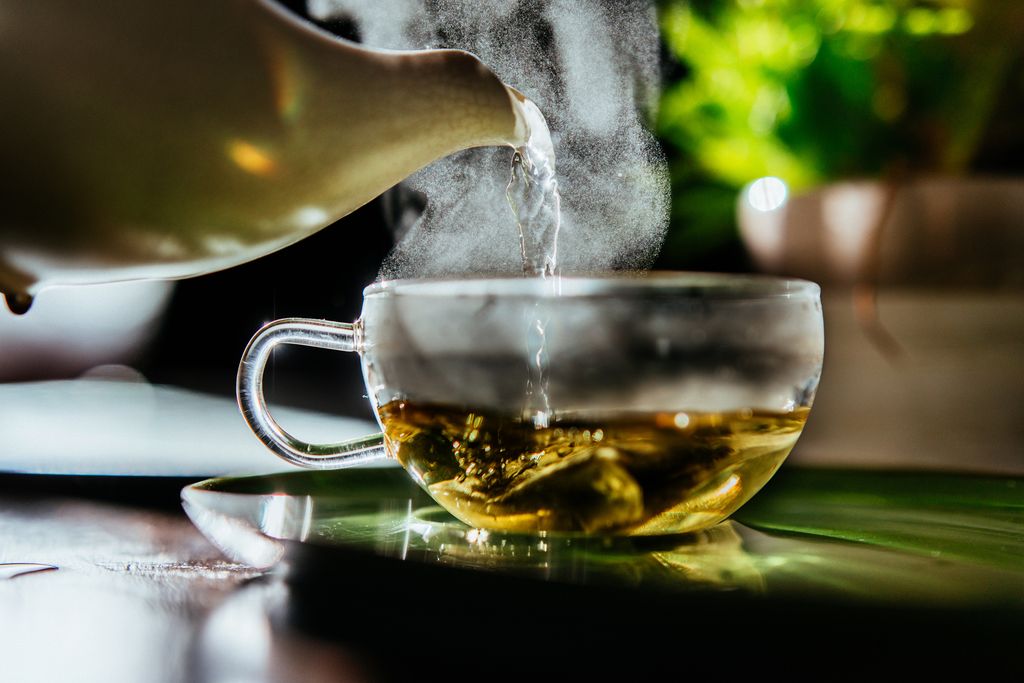
There are several ways to add sage to your daily life; one of the most popular is a sage tea, a simple and effective option. Preparation is very straightforward:
- Boil a cup of water.
- Add a few dried sage leaves.
- Leave to brew for 5 minutes.
- Strain the liquid to remove the leaves and drink.
You can also combine sage with other herbs or teas, such as chamomile or mint, to boost its digestive effect and improve the flavour. The pharmacist reminds us that "the recommendation is to only drink two or three cups a day at the most", for a short period of time to avoid adverse effects.
If you prefer a more concentrated and convenient form, sage is also available in capsule supplements. This format is ideal for those who wish to benefit from it without having to go through the trouble of preparing a tea. That said, it is important to ensure you buy quality supplements and stick to the recommended dose.
Avoid eating or drinking sage essential oil - it can trigger adverse effects on the nervous system.
Contraindications: Who should avoid sage?
Despite its numerous benefits, sage in tea or supplement form is not suitable for everyone. According to Pérez, it's important to avoid consuming sage as a natural remedy:
- During pregnancy and breastfeeding: It can increase the risk of miscarriage and reduce breast milk production.
- If you have epilepsy: Some compounds in sage can be neurotoxic in high doses.
- If you have high blood pressure: Although there is insufficient scientific evidence, some sources suggest that sage could increase blood pressure in some individuals.
What is the difference between culinary sage and spiritual cleansing?
Sage isn't just known for being consumed - whether as an infusion or as a spice in cooking - it's also used in "energetic cleansing rituals", an ancient practice.
 © Getty Images
In many cultures, it's burned as incense to remove bad energies and attract harmony to homes and spaces. However, it is important to differentiate Salvia officinalis from Salvia apiana (white sage), which is the variety most commonly used in these rituals.
References
- Akhondzadeh, S., et al. (2010). "Salvia officinalis extract in the treatment of mild to moderate Alzheimer's disease: a randomized double-blind placebo-controlled trial." Journal of Ethnopharmacology, 128(2), 265-270.
- Lopresti, A. L. (2017). Salvia (Sage): A Review of its Potential Cognitive-Enhancing and Protective Effects. Drugs in R&D, 17(1), 53-64.
- Akhondzadeh, S., Noroozian, M., Mohammadi, M., Ohadinia, S., Jamshidi, A. H., & Khani, M. (2003). Salvia officinalis extract in the treatment of patients with mild to moderate Alzheimer's disease: a double blind, randomised and placebo-controlled trial. Journal of Clinical Pharmacy and Therapeutics, 28(1), 53-59.
- Mirghafourvand, M., Mohammad-Alizadeh-Charandabi, S., Abbasalizadeh, F., & Hamishehkar, H. (2023). Effect of Salvia officinalis on hot flashes in postmenopausal women: A systematic review. International Journal of Community Based Nursing and Midwifery, 11(3), 217-227.
- Khodadadi, A., Gholami, M., & Khosravi, A. (2023). The effects of Salvia officinalis on glycemic control and lipid profile in patients with diabetes: A systematic review and meta-analysis. Complementary Therapies in Medicine, 66, 102835.