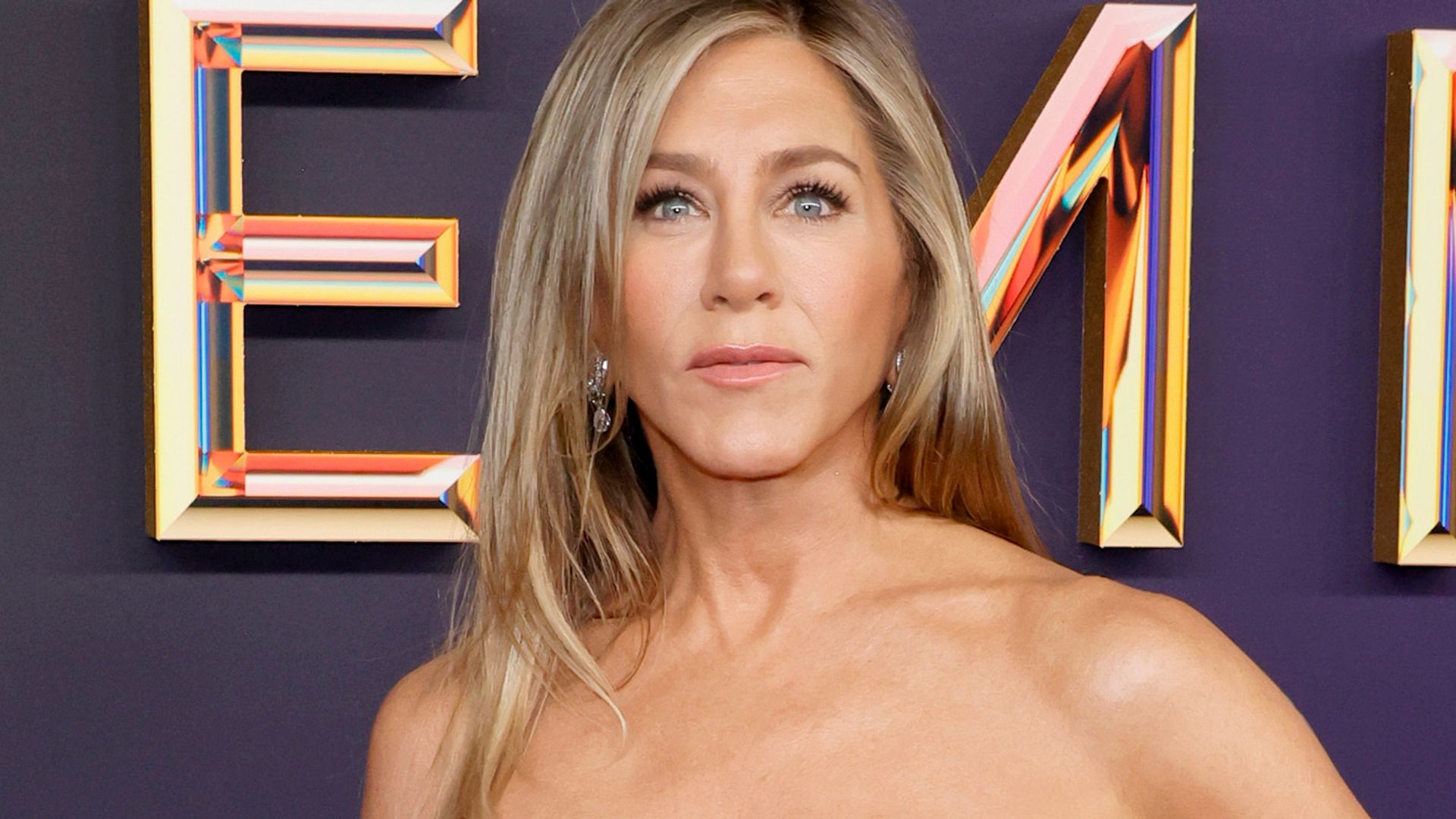

With her glossy hair, sculpted figure and glowing skin, Jennifer Aniston always looks the picture of health, so it comes as a surprise that the Friends icon struggles with a "punishing" issue that could cause a severe decline in health.
The 56-year-old, who celebrates her birthday in February, has spoken openly about struggling with insomnia, saying: "If I don't have a good night's sleep, the day is a walking punishment. Everything is an effort and my thoughts aren't very clear."
On when her sleep struggles began, Jen told People: "I think it started somewhere in my 30s or even earlier, but you just don't start to notice the effects of a lack of sleep when we're younger because we're so invincible.
 © Getty
"It began as something that I would just accept and then all of a sudden you realise the effects of your lack of sleep and how it affects your day and your work and your mind function and your physique."
Jennifer has lifestyle habits that help her to sleep better, including leaving her phone in a different room and exercising, but her diet is also key to managing insomnia.
 © Instagram
Managing insomnia
The star has spoken in the past about her love of eggs, and these could play a huge part in helping her to sleep.
Of eggs, Jennifer told ELLE in 2016: "When I wake up, I have warm lemon water and then I have a shake or avocado and eggs, which is one of my favourites." On how she prepares her eggs, she added: "I crack them into a bowl and I'll add a white or two into that and pour it all into the pan to get more protein sans too much yolkage. I'll have that with avocado toast sprinkled with olive oil, salt and pepper... or oatmeal with egg whites whipped into it right at the end."
Eggs and sleep
Keen to know if Jen's love of eggs could help with her insomnia, we asked nutritionist Hannah Alderson if eating eggs can help us sleep.

"Eggs are a bit of an all-rounder as they are so nutrient dense, making them a super fab snack - but they support sleep primarily through their impact on neurotransmitters, hormones and blood sugar regulation," Hannah, who wrote a book on the topic of hormones, Everything I Know About Hormones, said. "If they are good enough for Jen, then they are good enough for you."
She continued: "Eggs contain tryptophan, an essential amino acid required for serotonin synthesis. Serotonin is the biochemical precursor to melatonin, the hormone responsible for sleep timing. So, eggs contain the raw material for your sleepy hormone. Plus, eggs are a source of vitamin B6 and B12: B6 is involved in converting tryptophan into serotonin and melatonin, while B12 supports circadian rhythm regulation."
Hannah adds that eggs also contain choline, which has links with cognitive function and may support parasympathetic nervous system activity, which is your rest and digest state (and the state you are aiming to be in to sleep well).
 © Getty Images
The timing of Jennifer's eggy snack is key, too. "Eggs are most helpful when included earlier in the day as part of a protein-anchored breakfast to support circadian rhythm alignment later in the day," Hannah explains.
Other foods that can support sleep
As well as eggs, Hannah says that foods that contain tryptophan are a winner for sleeping well, including chicken, turkey, beans and legumes
"Magnesium-rich foods such as leafy greens, nuts and seeds support GABA activity promoting relaxation," she says. "Complex carbohydrates, including oats, quinoa and sweet potato facilitate tryptophan transport across the blood-brain barrier, supporting serotonin and melatonin production." Another tick for Jen, who said she adds eggs to her oatmeal.
Hannah notes that kiwi fruit has been shown in randomised trials to improve sleep. "They are king of the fruit in my opinion," she says.
On top of that, Hannah says that fermented foods such as yoghurt and kefir support gut microbiota diversity, important because the gut microbiome plays a role in your sleep / wake circadian signalling via the gut-brain axis.
Finally, she said that oily fish provides omega-3 fatty acids, which have been associated with improved melatonin and sleep quality, particularly in individuals with low baseline intake.
Sleep and nutrition
Given that Jen is known for her healthy lifestyle, we wondered how much of a part nutrition plays in sleep, with Hannah saying it's of "major" importance.
 © Getty
"Nutrition alone will not resolve all sleep issues, but it's a part of the bigger picture. Nutrition, meal timing, macronutrient balance and total energy intake influence your hormones and they create the environment for you to sleep."
Stress hormone cortisol is impacted by what we eat, in particular, Hannah explains. "Your cortisol rhythm is a major player with your sleep and your nutrition impacts cortisol far more than people realise. Under-eating, irregular meals, low protein intake and high sugar diets increase the likelihood of nighttime cortisol elevation and therefore poor sleep. "
She advises: "Aim for consistent meals containing protein, colour, fibre and good fats (including eggs) to support to best support for a better night's sleep."