
Skin can become more sensitive with age, and if you are over the age of 40 and noticing that you are reacting to your usual skincare, or your face feels drier or tighter than it once did, it may be a sign that your skin barrier needs support.
However, it can be hard to know what products to choose for your skin type when there are so many available, all promising healthy, glowing skin. So who better to ask for expert advice than Dr. Lindsey Zubritsky, a board-certified dermatologist who has over 1.6 million followers on her Instagram page, @DermGuru?
We caught up with Lindsey to learn more about exactly what happens to the skin barrier as we age, along with the expert tips and skincare routine to support it.
How the skin barrier changes as we age
 © Getty Images
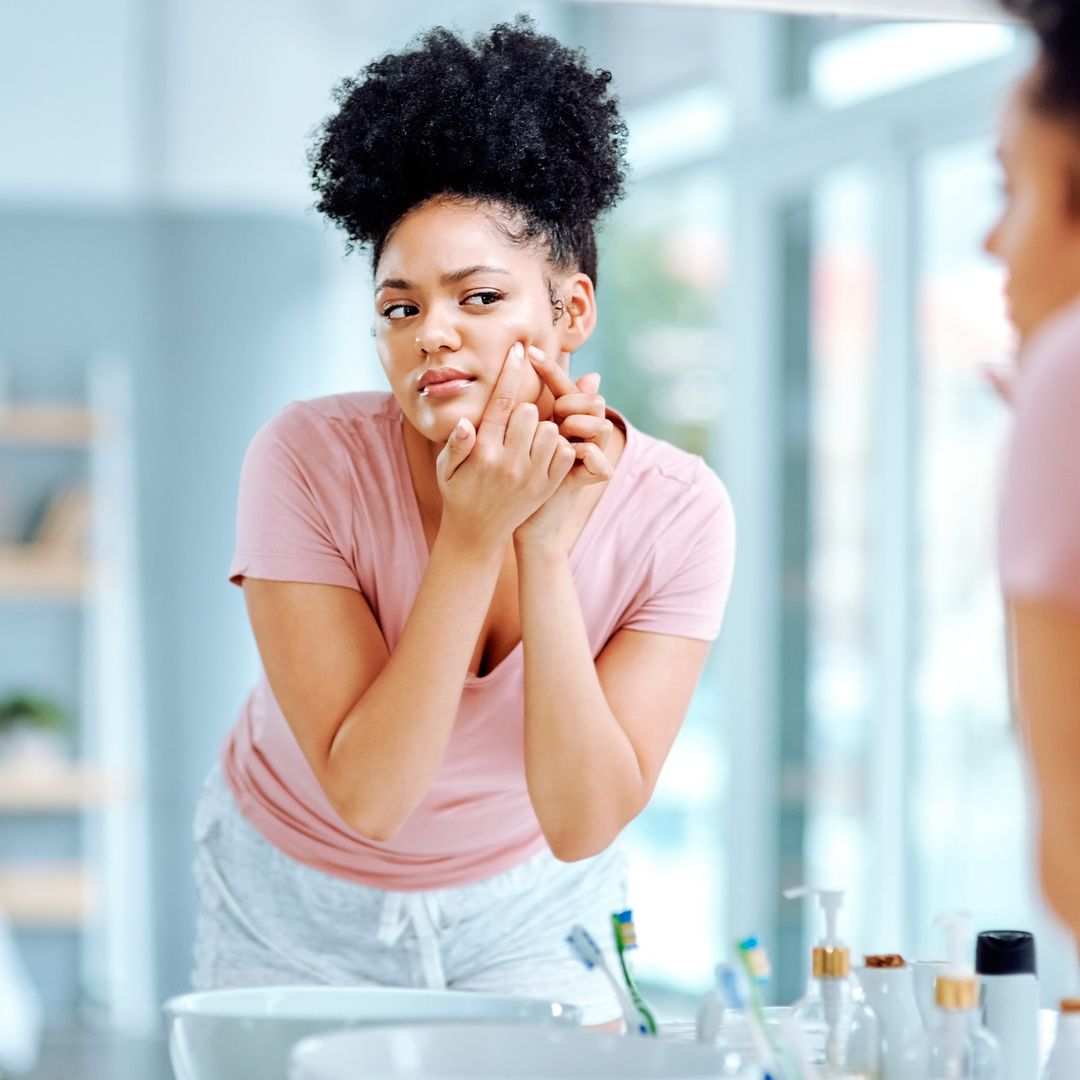
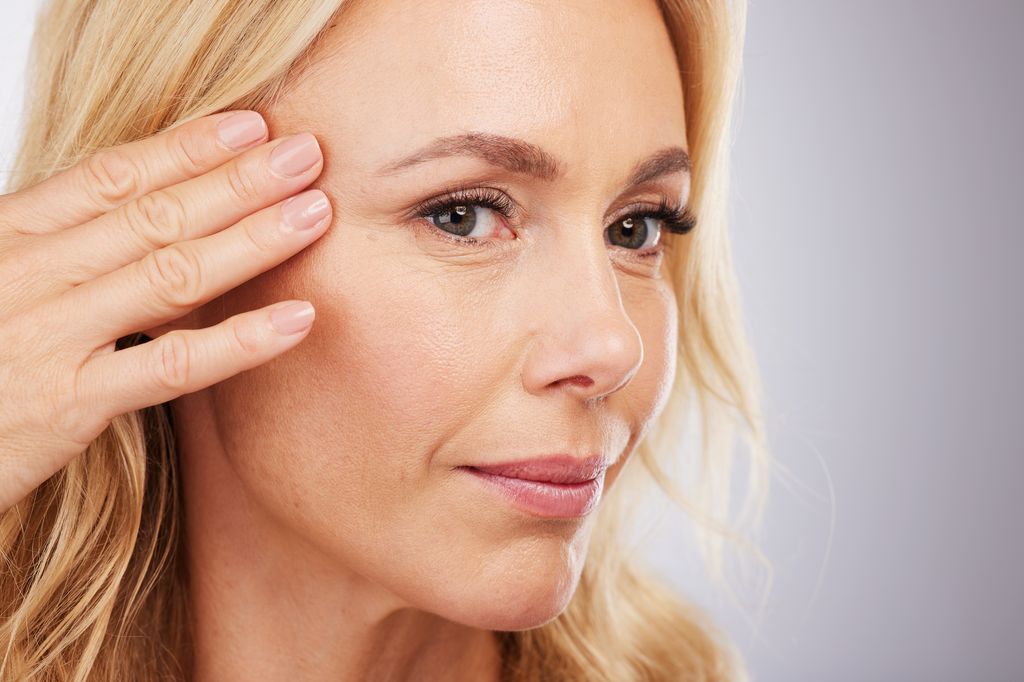
You're not imagining those changes to your skin - whether you're suddenly reacting to long-time favourite skincare products or your once clear complexion is much more sensitive and dry, it is likely down to changes to your skin barrier with age.
"As we age, our skin barrier becomes less resilient over time. The skin barrier functions like brick and mortar: skin cells are the bricks, held together by lipids like ceramides, cholesterol, and fatty acids. With age, we produce fewer of these lipids, and the ones we do make aren’t as effective," Lindsey explains.
"As a result, the barrier becomes less efficient, leading to increased transepidermal water loss. This is why ageing skin often feels drier, tighter, more sensitive, or easily irritated."
How can we support the skin barrier?
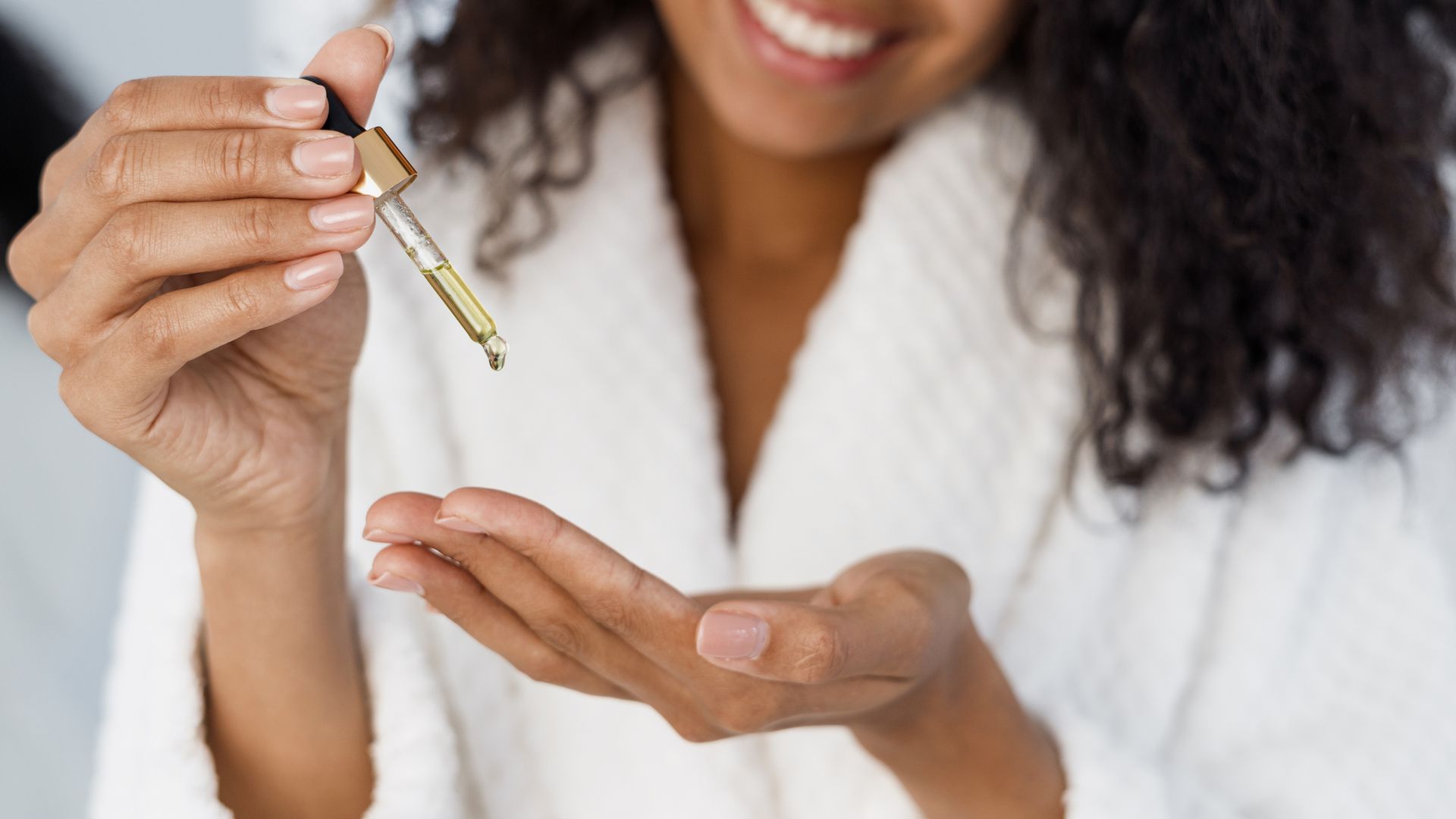
While these changes are common, you don't have to put up with them. Some changes to your skincare routine and some of the products you're using may help to support the skin barrier and overcome issues like dry or sensitive skin. Lindsey shares: "When it comes to supporting the skin barrier, the key principles are simple: be gentle, hydrate well, and replace what the skin is losing. Look for products designed to replenish barrier lipids, especially those containing ceramides."
Meanwhile, it may be tempting to completely overhaul your skincare routine and introduce new anti-ageing products in a bid to support healthier skin. However, according to the dermatologist, this may be counterproductive. Instead, stripping back your skincare routine and focusing on the basics - including SPF as a non-negotiable - may be the key to a healthier complexion. "It’s also important to avoid aggressive exfoliation and harsh actives, use a gentle cleanser, moisturise consistently, and apply sunscreen daily, as UV exposure is a major barrier disruptor."
 © Getty Images
Is it possible to reverse ageing?
If you've already started seeing signs of ageing or changes to your skin, you may be wondering if it's too late to change things and reduce fine lines, wrinkles or skin sensitivity, but Lindsey has some good news: "While we can’t turn back time, we can reverse many visible signs of ageing. One of the most effective and often overlooked ways to do this is by supporting the skin barrier," she says. "A damaged barrier leads to increased inflammation, redness, dehydration, and more noticeable fine lines and wrinkles."
The dermatologist says that it's best to focus on supporting a strong skin barrier to start with, before introducing targeted anti-ageing products.
"Once the barrier is healthy, the skin is better able to respond to targeted anti-ageing ingredients. From there, I recommend focusing on ingredients that support collagen and elastin production, which help restore firmness and plumpness. Peptides, retinols, and hyaluronic acid are all excellent options when used alongside a strong barrier-focused routine."