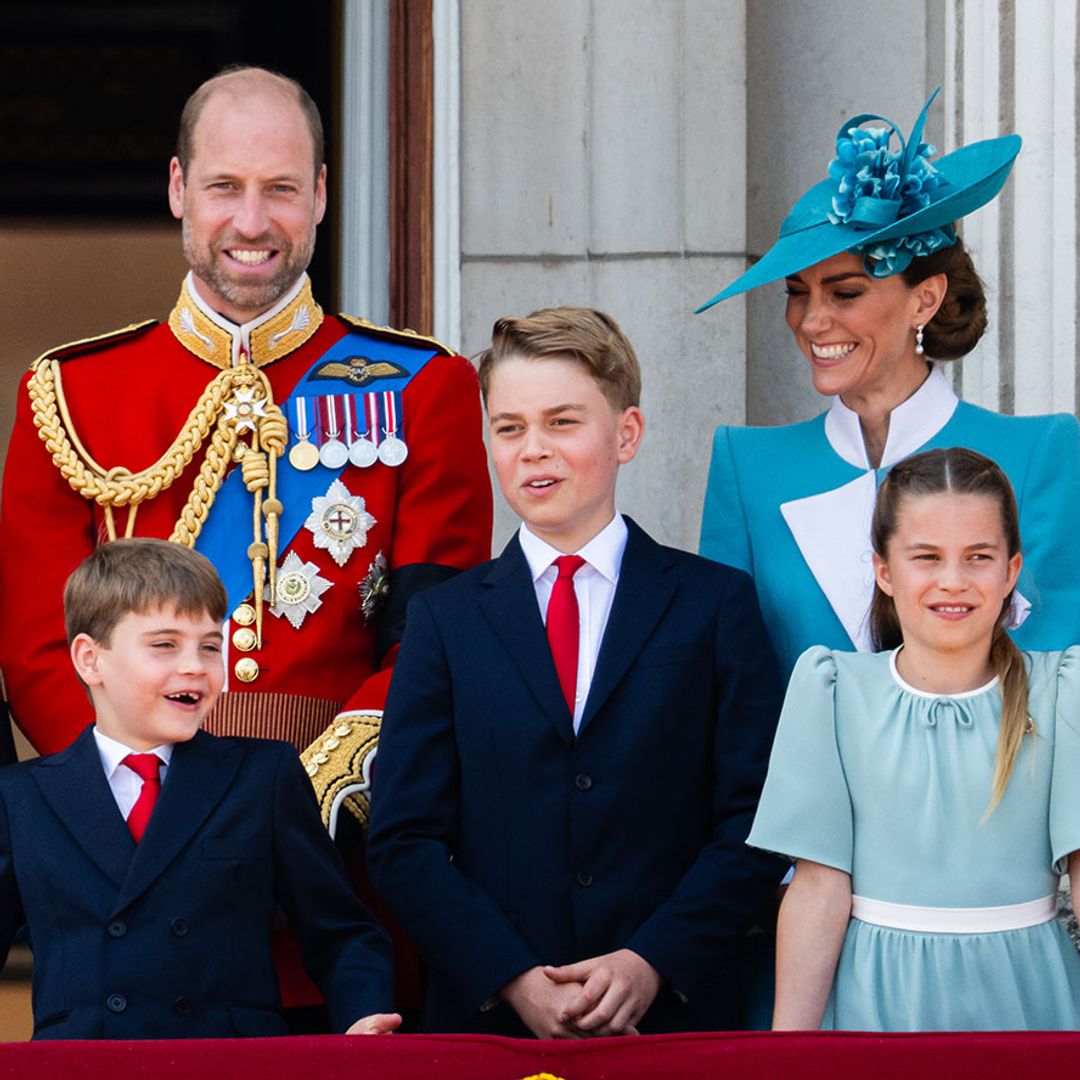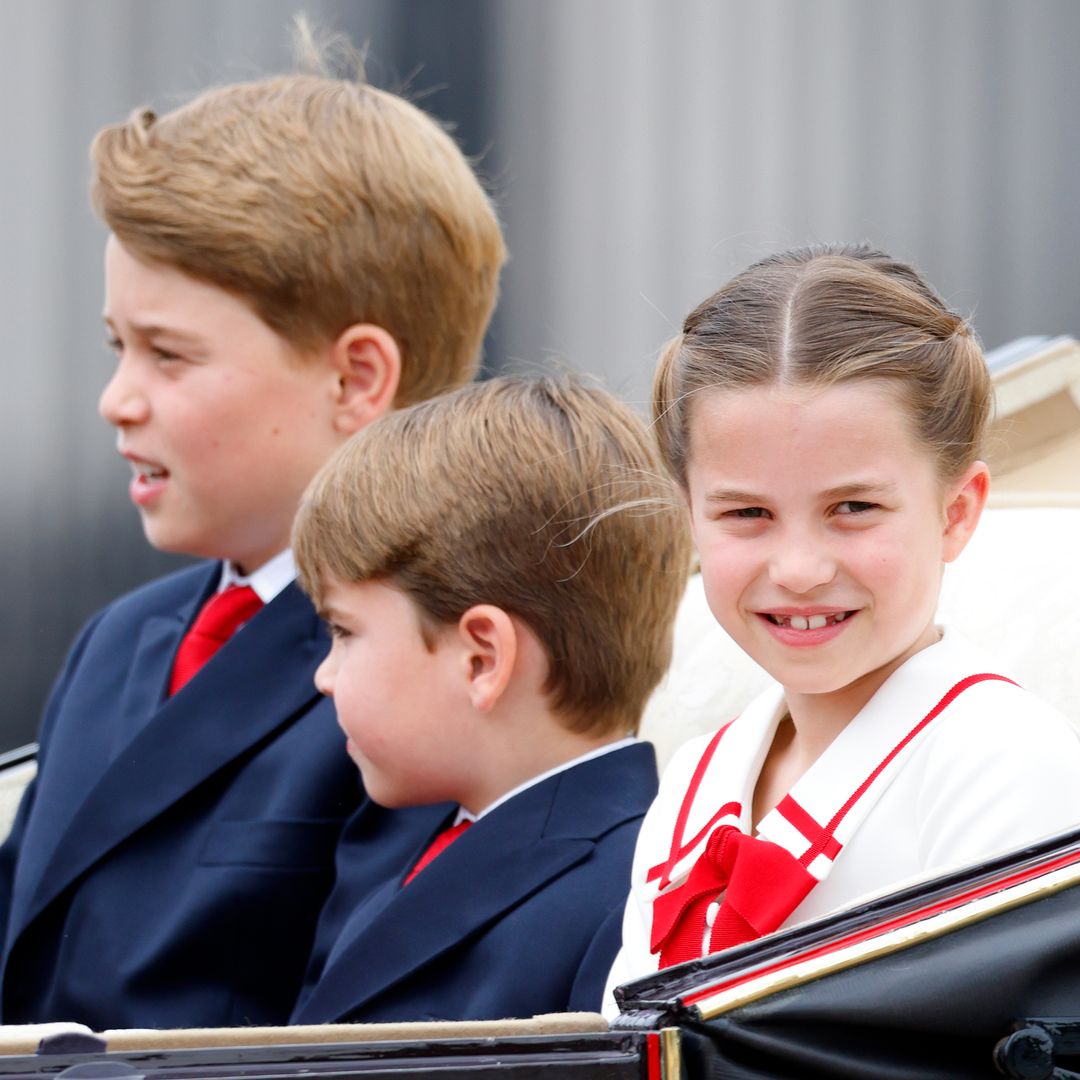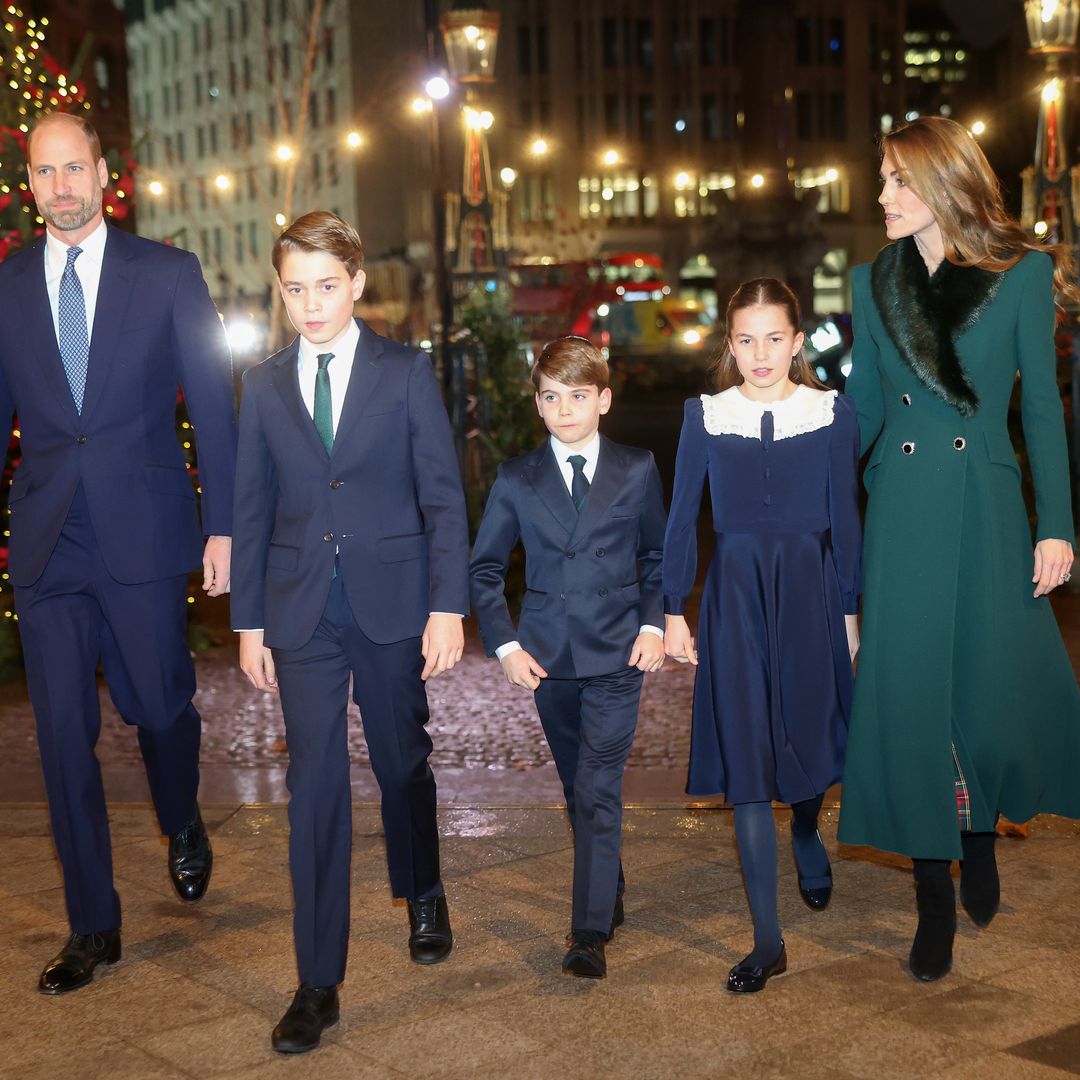
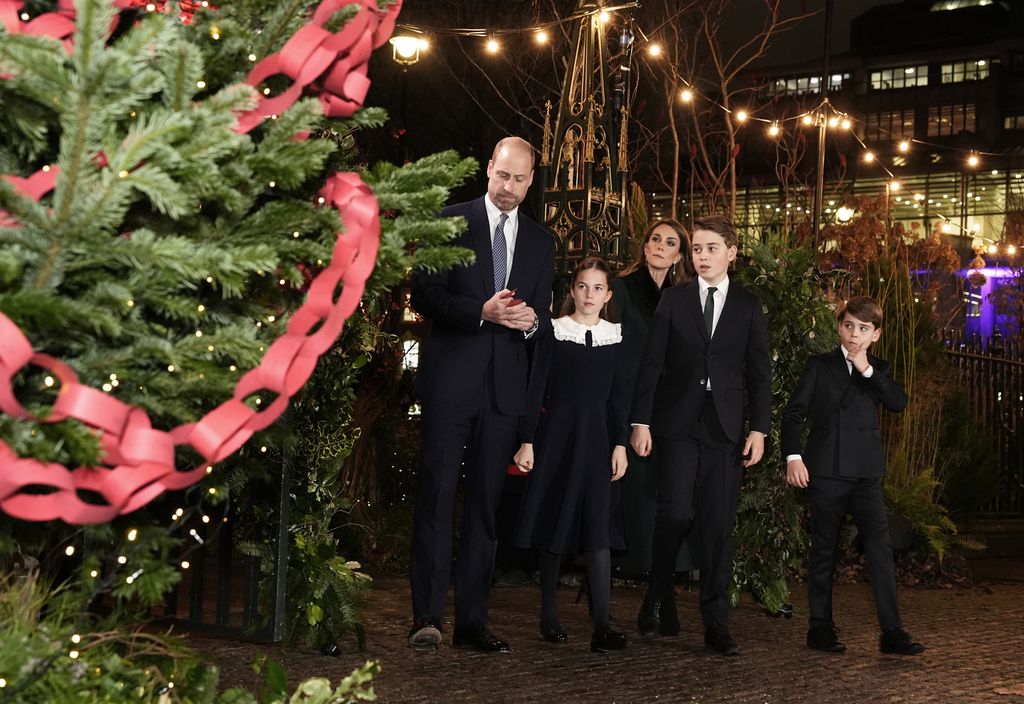
The Prince and Princess of Wales have quite the responsibility keeping the magic of Christmas alive for their three children, Prince George, Princess Charlotte, and Prince Louis. However, there is a popular kids' festive tradition that they are unlikely to pick up, despite the excitement of spending their first Christmas at their new home at Forest Lodge.
In 2021, Prince William, 43, spoke to Barry Alston on the Royal Marsden London Hospital's radio station from the Waleses' then-home at Kensington Palace. He answered questions from children, including a young boy called Theo, who asked the prince: "I love Elf on the Shelf – is Elf on the Shelf coming to your house?"
 © Getty
Bemused, William had no choice but to confess that he had no idea what Elf on the Shelf is. "So, Theo, I don't actually know what Elf on the Shelf is, but it sounds quite fun and I'd quite like to have an Elf on my Shelf in my house." At the time, William's children, George, Charlotte, and Louis, were eight, six, and three, respectively.
What is Elf on the Shelf?
Elf on the Shelf dates back to 2007 when Carol Aebersold and her daughter Chanda Bell self-published by the same name that came with an elf doll. Parents read the children the story and then, while they are asleep, parents move the elf to a different spot in the house each night, ready for the little ones to discover in the morning.
It's a tradition that is well underway at Bucklebury Farm, the farm owned by Kate's sister, Pippa Middleton, and her husband James Matthews. The farm's official Instagram account has been posting a photo a day this December, showing their elf moving around the farm, from the chicken coop to the goat field.
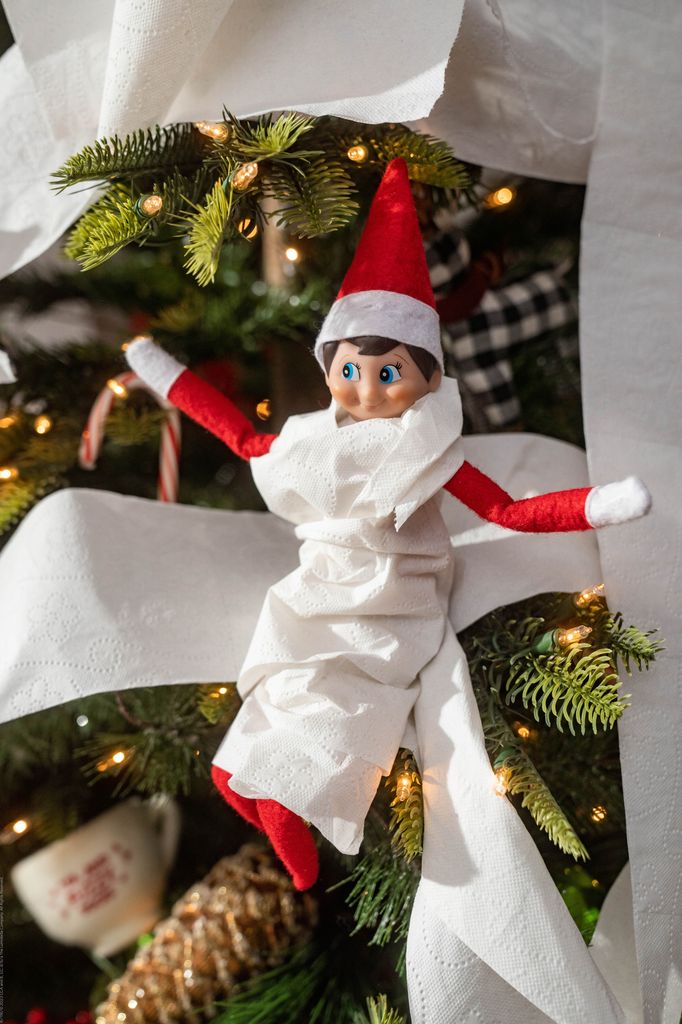 © Elf on the Shelf
Is Elf on the Shelf parenting expert-approved?
Whether the festive tradition has rubbed off on Kate from Pippa remains to be seen, but it is an activity that gets the seal of approval from Dr Sasha Hall, a HCPC-registered senior education and child psychologist. Dr Sasha told HELLO! earlier this week, that Elf on the Shelf tends to work with a child once they have gone through the toddler stage and, then, can have developmental benefits.
"Toddlers tend to interpret situations very literally, so the idea of a character watching them can sometimes feel confusing or frightening," she told HELLO!. "As children move into the preschool years, they usually become more confident in symbolic play. At this age, many children can hold two truths at once. They recognise that the scenario is make-believe while still enjoying the sense of magic, which allows them to engage with the tradition in a playful and positive way."
 © Getty
Dr Sasha added: "Talking about what the elf has been doing encourages imaginative thinking, conversation and early storytelling. Children often want to share the elf's adventures with grandparents, friends or peers, which can build social communication skills."