If you have always tucked your sun cream away in a drawer the moment the clocks go back, it is time for a rethink about your winter skincare routine. There is a common misconception that once the "big coat" comes out, sun protection then goes away.
However, even when the sky is a uniform shade of grey and the sun feels like a distant memory, ultraviolet (UV) rays are still very much at work. The truth is that UV radiation doesn't take a holiday. While you might not be at risk of a painful sunburn on cold and cloudy days, the rays responsible for premature ageing, fine lines and sunspots are present all year round, affecting your skin without you realising it.
Protecting your skin with sunscreen is far more than a vanity project; it is a fundamental pillar of long-term dermatological health.
Want to maintain a youthful, resilient glow? Then a high Sun Protection Factor (SPF) should be your most trusted ally, regardless of the season.
The daily non-negotiable for winter skincare
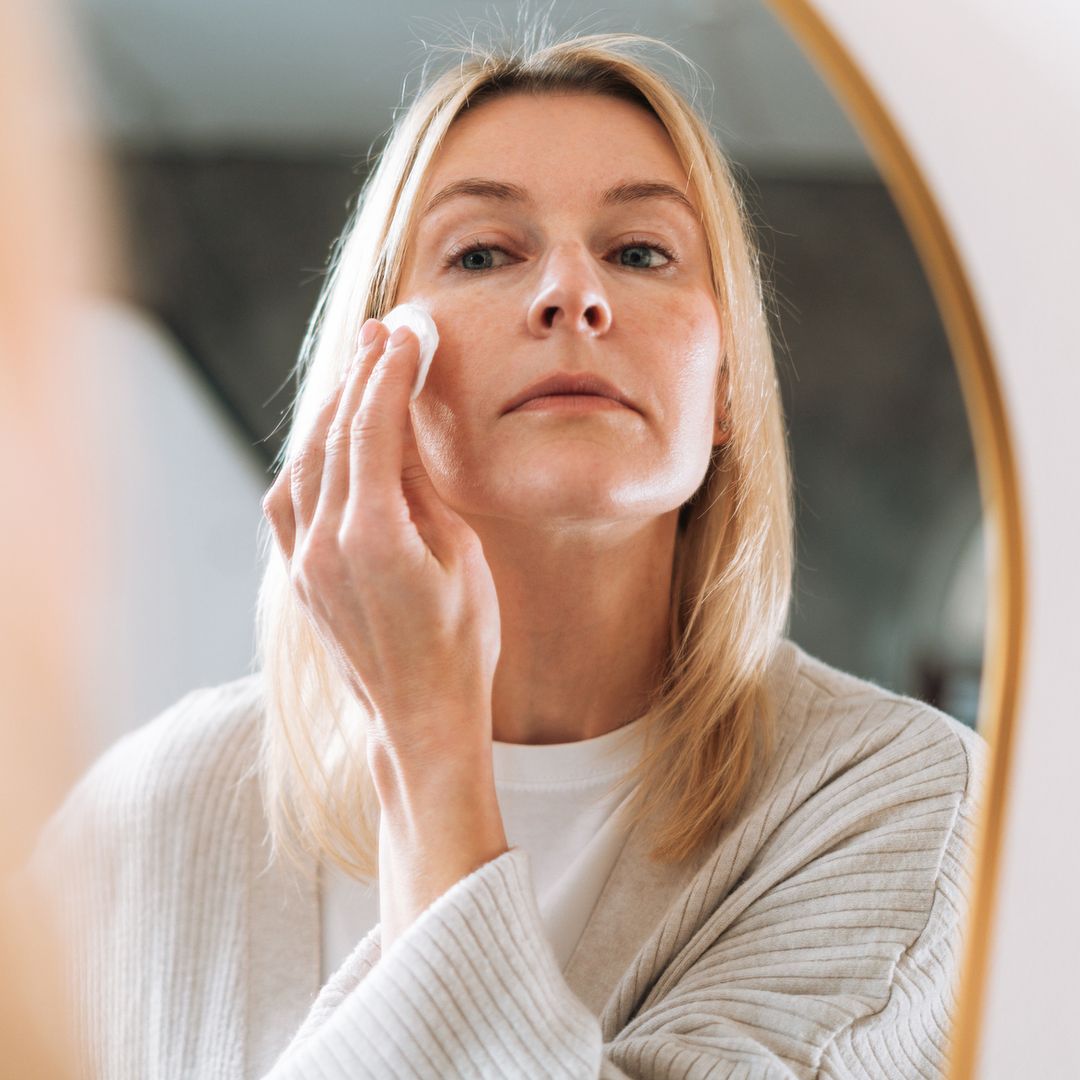
Personally, I have reached a point where I wouldn’t dream of leaving the house without a layer of protection. It is a habit I formed years ago following a piece of advice that stuck with me, and I follow it strictly. I usually opt daily for a specialist SPF 50 formulated for sensitive skin, but on days when I want a lighter touch, I might reach for a high-quality BB cream or a foundation with built-in protection.
It is such a simple, low-effort step - it takes no time at all - yet the long-term rewards are immense, and your skin will always thank you for it. By applying SPF now, you are helping delay your skin from showing signs of ageing.
To understand the "why" behind this daily habit, I sat down with pharmacist Elena Monje to delve into the science of winter skin protection.
 © Getty Images
Can sun cream actually slow the clock on ageing?
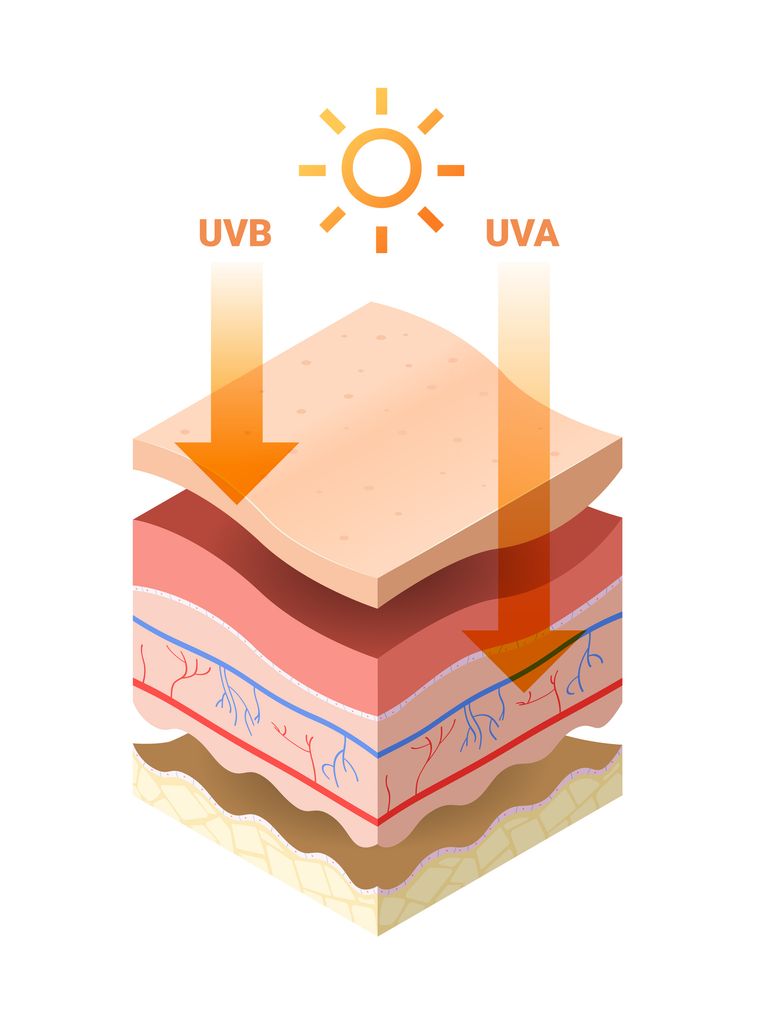
"It absolutely can. Daily sun cream use significantly slows down this process because it acts as a barrier against ultraviolet (UV) rays, especially UVA rays. UVA rays penetrate much deeper into the dermis and are responsible for what is called photoageing. These are the rays that lead to the destruction of collagen and elastin - the two essential proteins that keep our skin bouncy, firm and elastic.
"Without protection, these rays lead to the formation of wrinkles, uneven pigmentation and a general loss of radiance. By blocking these rays, your sun cream is effectively helping to keep your skin 'younger' for longer, reducing the visible signs of ageing."
 © Getty Images
Why is it necessary to use sun protection whether we're going to be directly exposed to the sun or not?
"It is so important to use sun protection even if we are not directly exposed to the sun because UVA rays can travel through thick cloud cover and even through standard window glass. Think about people who spend several hours a day driving without sun protection - you will often see more pronounced premature ageing and sunspots on the side of their face and hand [closest to the window].
"We also now have to consider 'blue light' emitted from electronic devices [like our smartphones, tablets and laptops]. We know that cumulative exposure can have a cumulative impact on the skin. I recommend using sunscreen every day."
 © Getty Images
Should we switch products when the temperature drops, or can we use our summer sunscreen all year?
"You don't necessarily need to switch for winter, but you should listen to your skin’s changing needs and, if necessary, change the type or formulation of your sunscreen during different seasons. For example, you may need to choose a more nourishing, moisturising cream if your skin tends to dry out in cold weather, or maintain a lighter texture if your skin is oily.
"It is so important to use sun protection even if we are not directly exposed to the sun because UVA rays can travel through thick cloud cover and even through standard window glass"
"The most important thing is to ensure it offers broad-spectrum protection (covering UVA, UVB, Infrared and blue light) and stays at a high factor. I always recommend an SPF 50."
Do you think people are now much more aware of the importance of including a good SPF in their daily skincare routine?
"Fortunately, yes. In recent years, there has been a real increase in awareness about the importance of daily SPF use. Thanks to better education on social media and high-profile health campaigns highlighting the risk of sun damage - including skin cancer and premature ageing - more people are incorporating SPF into their skincare routine as an essential step. Not just during the summer, but throughout the year.
"The growing number of incredible SPF formulations that are available for all different skin tones and types has made it easier than ever."