7 ways renters can dog-proof their home, according to experts
Over half of UK adults own pets, so finding a suitable home is essential. Find out the ideal features needed to make it a safe space for your furry friend
If you've ever house-hunted, either with the intention to buy or to rent, you'll know that it can be a hard task trying to get all the 'wants' and 'needs' on your list of features ticked off. Does it have the right number of bedrooms? Is it the right location? Within your budget? When you throw pets into the mix, for renters, there's an added layer of complexity. This is partly because, according to Landlord Today, just eight per cent of rental properties are listed as 'pet-friendly'.
However, an incoming Renters Rights Bill will essentially mean that landlords cannot 'unreasonably' refuse tenants' pets into the home. This, tied in with the fact that over half of UK adults own pets, means that more pet-owning tenants will be able to rent pet-friendly homes, and the demand is rising. But as any pet owner will know, the environment in which you raise an animal is crucial.
Chris Maxted, director of retractable dog gate supplier Dog-G8, reveals the features all homeowners and tenants should look for. The following features are not only essential for the safety of the tenants and the pets, but they will also decrease the chances of costly repairs from damage. Click through the gallery to see his best tips.
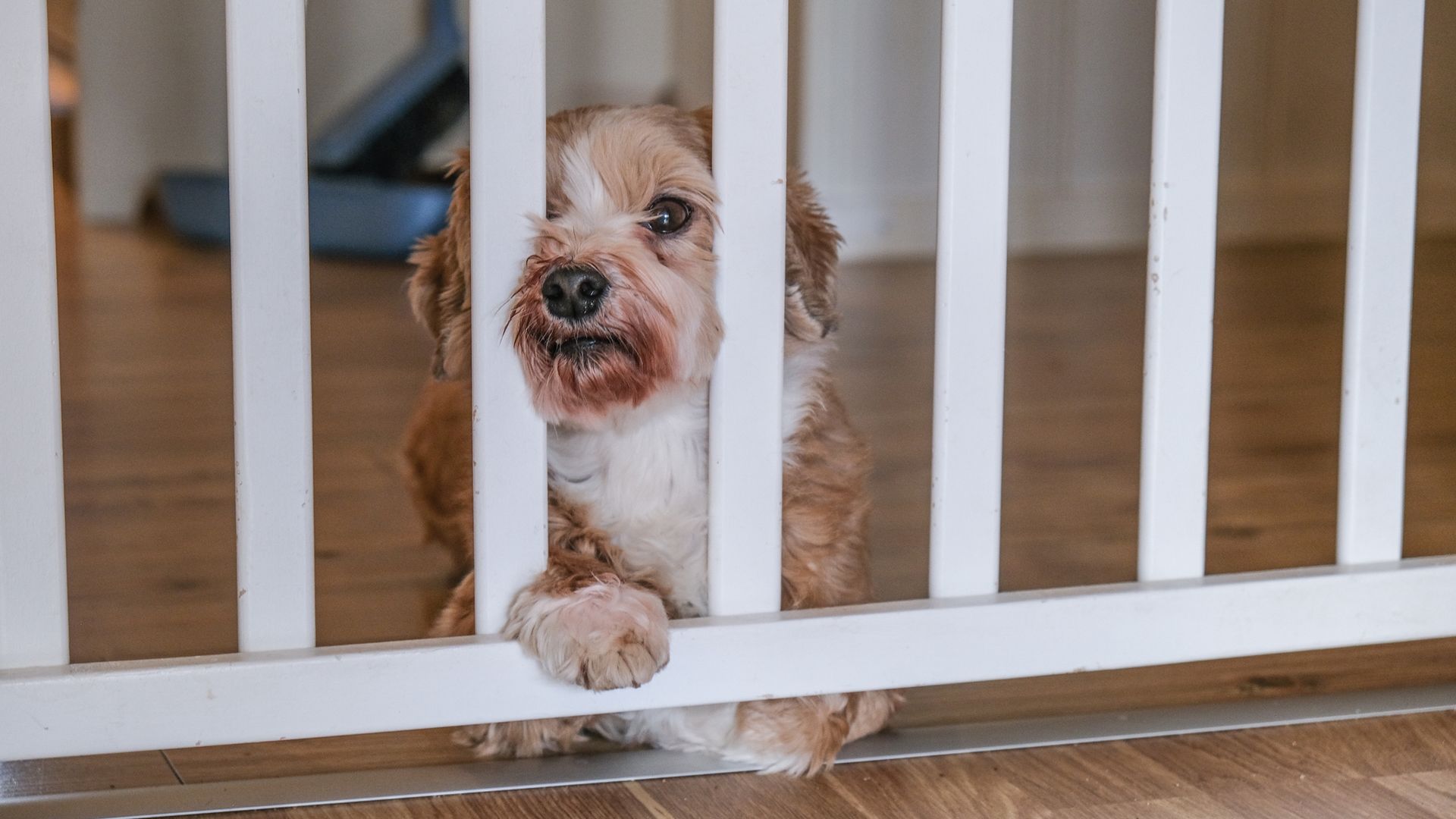
Chris notes that popular, open-plan layouts in homes are great aesthetically; however, they don't always provide the best environment. "They're not always the most practical choice for dogs, especially if you have a young family with children. Excitable dogs can quickly become overwhelmed in large, open spaces, and things like hot ovens, sharp corners, or staircases can become safety concerns." However, he advises that it can be overcome with the right equipment. "A retractable indoor gate offers a simple way to set flexible boundaries without making permanent changes to the space. It's especially useful for safety areas like the kitchen or stairs, helping to prevent accidents and giving you more control during busy times of day."
As someone who has historically only rented, when damage occurs in a rental property, I know all too well how it can play on your mind. It's best to get it sorted as soon as possible so you can ensure a full return on your deposit. For those who have pets, there is undoubtedly more risk. "Flooring takes a lot of wear and tear in a dog-friendly home," says Chris. "Muddy paws and scratchy claws can quickly damage certain surfaces. Choosing a property with durable and easy-to-clean flooring makes a big difference. Beyond flooring, it's worth checking for finishes that are more pet-friendly overall. Things like sturdy door handles (for dogs that learn to open doors), and furniture choices that can stand up to claws all play a role in day-to-day comfort."
Not everyone has the luxury of choice, particularly when it comes to budgeting and location. However, if you do have a pet, an outdoor space is something that should be high on your priority list. And it's just not having access to outdoor space for your pet to exercise that is crucial, but it's also about making it secure and safe. Chris notes: "Check for safe fencing, shaded spots, and easy access from the house. These features all create a more usable and enjoyable space for your dog."
This leads nicely onto Chris's next bit of advice. "A pet-friendly home isn't just about what's inside. Regular exercise and mental stimulation are important for your dog's wellbeing, so easy access to parks and walking routes should be part of your decision." As mentioned, it's not always easy to have access to a garden, especially if you're living in a city, but if your home has close access to a local park, then your dog will benefit.
Chris advises putting in extra measures when it comes to doors in your home. "Some dogs love visitors, others don't. Whether it's the postman, delivery drivers, or just friends popping in, having a secure area near the entrance can really help. A small porch or a gated hallway means your dog stays safely contained while you answer the door, reducing the chance of any accidents or bolt-for-the-door escapes."
If you're looking to rent and you have a dog, it's worth considering the length of the tenancy contract. Is it only six months? If you have a dog or other pet, it's worth considering a rental property that will allow a longer-term let. This will mean that you can figure out the environment that's best for your pet's needs without having to up sticks and move after only a year. "Your dog's needs will change over time," says Chris. "What works for a puppy may not work for a senior dog, and your own routine might shift, too. A good home for dogs allows for flexibility." Choosing a home that works for any aged dogs on a long-term basis for this reason is crucial.
When you have a pet, considering the noise and insulation is important. Will a dog barking bother your neighbours? Equally, will external noise upset your dog? Chris says: "If your dog is sensitive to loud noises, like fireworks, traffic, or neighbouring pets, it's worth considering how well the home is insulated. Thicker walls, double glazing, or a quiet location can make a real difference to their stress levels."
Sign up to HELLO Daily! for the best royal, celebrity and lifestyle coverage
By entering your details, you are agreeing to HELLO! Magazine User Data Protection Policy. You can unsubscribe at any time. For more information please click here.