

There is no denying that travelling can be expensive. For many, booking an annual holiday is simply not doable when people have bills to pay, mouths to feed, and jobs to attend. Naturally, other things become more of a priority. However, if you're anything like me and consider travelling an important part of your life, then finding the best deals and most affordable ways to go abroad will be something you think about often. While there is no getting around the fact that going away isn't free of cost, we've pulled together a complete guide on how to make travelling more affordable.
From when to book the trip, the best times to travel, to how to get cheap flights and eating on a budget, this is our ultimate bible on how to travel while saving yourself some pennies.
Planning an affordable trip: budgeting and time of year
While the cost of an overall trip is largely dependent on where you go, it's also the case that when you book and when you travel make a huge difference. It's long been the case that travelling during traditional school holiday breaks is going to increase the price of your holiday by a significant amount.
 © Getty Images
However, if travelling completely off-peak isn't feasible, then you might be able to secure a good deal by travelling during what is known as 'shoulder season', which refers to the period between peak and off-peak seasons. It'll mean you can still catch the nice weather from the height of summer, without the height of the cost. According to the Office for National Statistics (ONS), UK air fares fell by 34.8 per cent in September compared to August, one of the sharpest monthly drops on record.
If you're travelling without children, then it might suit you to travel entirely off-peak. For example, if you're heading to Europe and not in desperate need of 35-degree Celsius temperatures, then going abroad between the months of November to March will mean lower fares and less crowded hotspots.
Meanwhile, when it comes to the best time to book, it's just the month that's important, but also the day. Travel expert Jakes Maritz, co-founder of Expat Explore, thinks about when exactly you want to travel. "Tuesday and Wednesday departures are often significantly cheaper than weekends, so try to book midweek flights." When it comes to booking your hotel, try to secure a booking on a weekend for a mid-week arrival. "Keep an eye on Sundays," he says, adding: "Industry data consistently shows that this is the cheapest day of the week to book hotels."
 © Getty Images
Finding cheap flights
If you're going long-haul, i.e. too far to travel by car or ferry, there's no getting away from the fact that flying is essential. And, depending on your destination of choice, the flights can often be the priciest part of the whole trip. However, they can be one of the best ways to try and navigate a good deal, so long as you know the best tips and tricks of the trade.
 © Getty Images
According to Richard Edwards, a founder and CEO of digital company, Vibra Media, the best method to adopt is searching 'smarter'. "The biggest mistake I see is people searching the exact same way every time. Airlines use dynamic pricing that changes constantly, but most people search like prices are fixed. That's where they lose money."
A good starting point is to look at incognito mode, or clear your cookies, cache and browser history. This will mean that your algorithm is cleared, and your previous searches don't hike up prices. Another great option is to look into stopover flights: a method of travel where you stop for a few days in another country before reaching your final destination. You can often get accommodation included, plus you're ticking off another country off the travel wish-list.
When it comes to last-minute deals, the trick is to be flexible and open to the idea of going anywhere and from any airport. While this seems difficult for many, if you're the sort of traveller who has a 'get up and go' attitude, booking last-minute is likely something you're keen to explore. Being flexible with the location of the destination will mean that you could uncover less touristy spots that come with a less pricey flight.
Another go-to method that Richard recommends is using Google Flights' Explore Map feature. "Open Google Flights, enter your departure city, but leave the destination completely blank. Then click on the map view and you'll see flight prices to dozens of cities across Europe, all displayed visually."
 © Shutterstock / New Africa
The idea is that you could bag yourself a deal by being open about where you fly to. For example, if your heart is set on one destination, you might find yourself coming across a cheaper flight to a nearby city if flying there directly is looking a little pricier than you'd like. It exposes the full pricing landscape rather than tunnel vision on one route.
Budget accommodation options
Accommodation is often considered a home away from home when we travel, so it's important to feel comfortable and safe – and you can't really put a price on that. However, when it comes to cost considerations, think about the objectives of your trip. Are you looking for luxury or a convenient place to stay after a day of exploring? These scenarios and everything in between will determine how you search for the right place and the right deal.
Paying for a dearer hotel but opting for a budget airline might be a trade you're willing to make if indulging in luxury when you get there is more your bag. But if you're not planning on staying in your accommodation much other than to rest at the end of the long day, there's little point splashing the cash for a premium hotel.
Consider investigating options like apartments to rent, or even rooms in guesthouses. If you really want to embrace the travel life, hostels are a budget-friendly way to provide somewhere to sleep in between a backpacking expedition. They're also incredibly social if you're young and keen to make friends and memories on the road.
 © Getty Images
Eating well on a budget
One of my favourite things about travelling abroad is the local cuisine. It's one of the best ways to experience the culture of a place first-hand and be totally immersed in a whole new world of flavour. If you're clever, you can be quite savvy when it comes to saving on food abroad.
Firstly, it's tempting to target airport restaurants to "kick off" the holiday, but while this is fun to do, it's arguably throwing money away. Instead, opt for a sandwich to keep you going on your travels and save yourself for the big meal when you get there.
 © Getty Images
Depending on where you are, heading out into the open world and coming across food markets and street food stalls is a great way to throw yourself into the atmosphere of your destination and sample delicious, authentic food without a high price tag.
Not only that, but if you're going self-catered when it comes to accommodation, then this is your opportunity to save money on food. Tell yourself that you'll make 50 per cent of the meals during your trip completely from scratch. That way, you can still head to the local supermarket, discover local delicacies, but swerve a big bill.
Also, when you do eat out, don't be afraid to venture away from the centre of towns, often the busiest spots, to see if you can find a quiet place to eat away from the crowds. These sorts of places are often cheaper (and often have the best food!)
 © Getty Images
Free and low-cost activities
Once transport and accommodation are covered and a budget for essentials like food is set, then all that's left is to consider spending money on activities when you're there.
The type of trip you're taking will likely determine how much money you need. For example, if you've splashed out on an all-inclusive hotel and are planning on spending much of your trip horizontal by the pool with nothing but a cocktail and a book, your budget for activities won't need to be as big.
But if you're planning on moving around extensively when you're there, then having a healthy budget to your name is sensible – especially as hidden costs will be more likely to pop up during this type of trip.
Consider planning all of your transport beforehand (taxis, car hire, train fare from one town to another, boat trips, etc.) as well as listing the activities and highlights you want to see. Fortunately, if you're doing some sightseeing, then it's possible to factor in many free or low-cost activities such as visiting museums, local attractions, historical sites, hiking trails and more.
 © Getty Images
Smart travel hacks
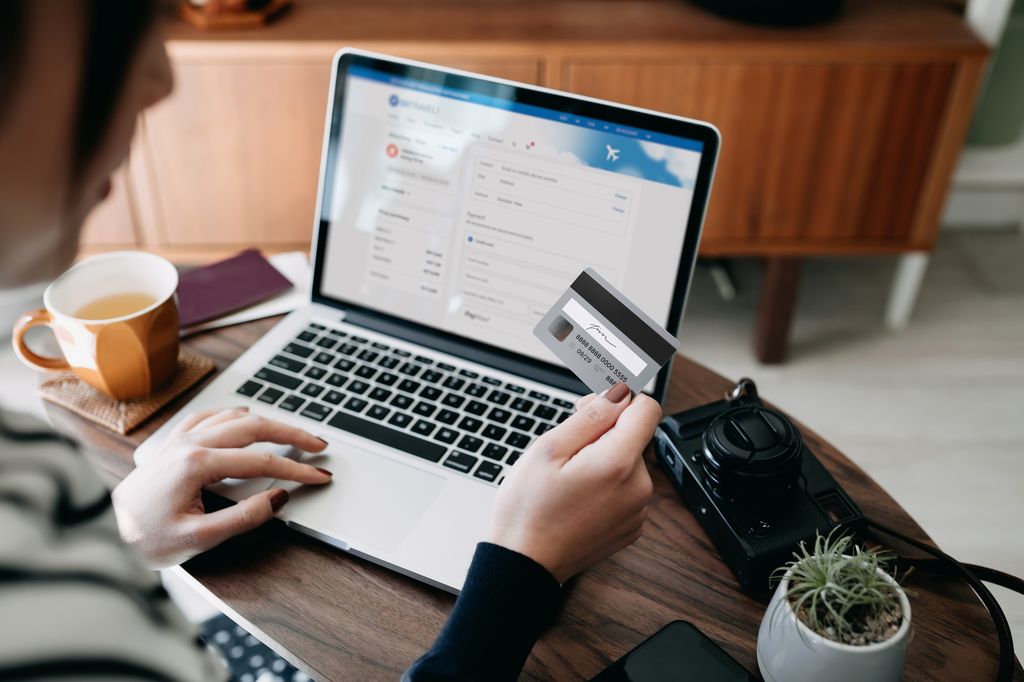
After transport, accommodation, food and activities are covered, the last remaining things to remember are costs that might hit you unexpectedly. One of the best ways to ensure that no nasty surprises occur is by taking out sufficient travel insurance, and while it might sound obvious, many overlook this aspect.
Insurance
Sean Doolan, an expert at travel insurance broker Swinton Travel Insurance, previously spoke to HELLO! about how travellers end up getting stung. Common mistakes people make are: travelling with no insurance policy whatsoever; not purchasing the right cover (e.g. a plan that covers winter sports if you're going skiing); not declaring medical conditions; and choosing the cheapest plan without reading the fine print.
 © Getty Images
e-SIMS
One surprising cost that often doesn't hit us until after the trip is our phones. There's nothing quite like receiving an enormous bill from your mobile network provider at the end of the month to take the joy away from a holiday. But rather than having no network data at all, consider opting for an e-SIM for when you're away. I tried this during a trip to Spain earlier this year, and it was a lifesaver.
Put simply, a dual SIM (usually an e-SIM) allows travellers to disconnect from their usual mobile provider and switch to a provider local to the country they are visiting. This means you can make calls, send messages and surf the internet using local fares and ultimately save a lot of cash when using your phone abroad.
Travel cards
While most places facilitate card payments these days, even abroad (look for a VISA or MasterCard sign), you could investigate a travel card, which is one of the cheapest ways to spend. You can set a limit so that you don't go over your budget, but most come with an app so you can 'top up' as and when needed. It also means that you're more likely to get the most accurate exchange rate.
To conclude, there are plenty of ways to ensure that you get the most value for money when it comes to embracing travel. The key is to be savvy, in the know, and willing to do some research online to save those pennies, so you don't miss out on seeing our wonderful world.