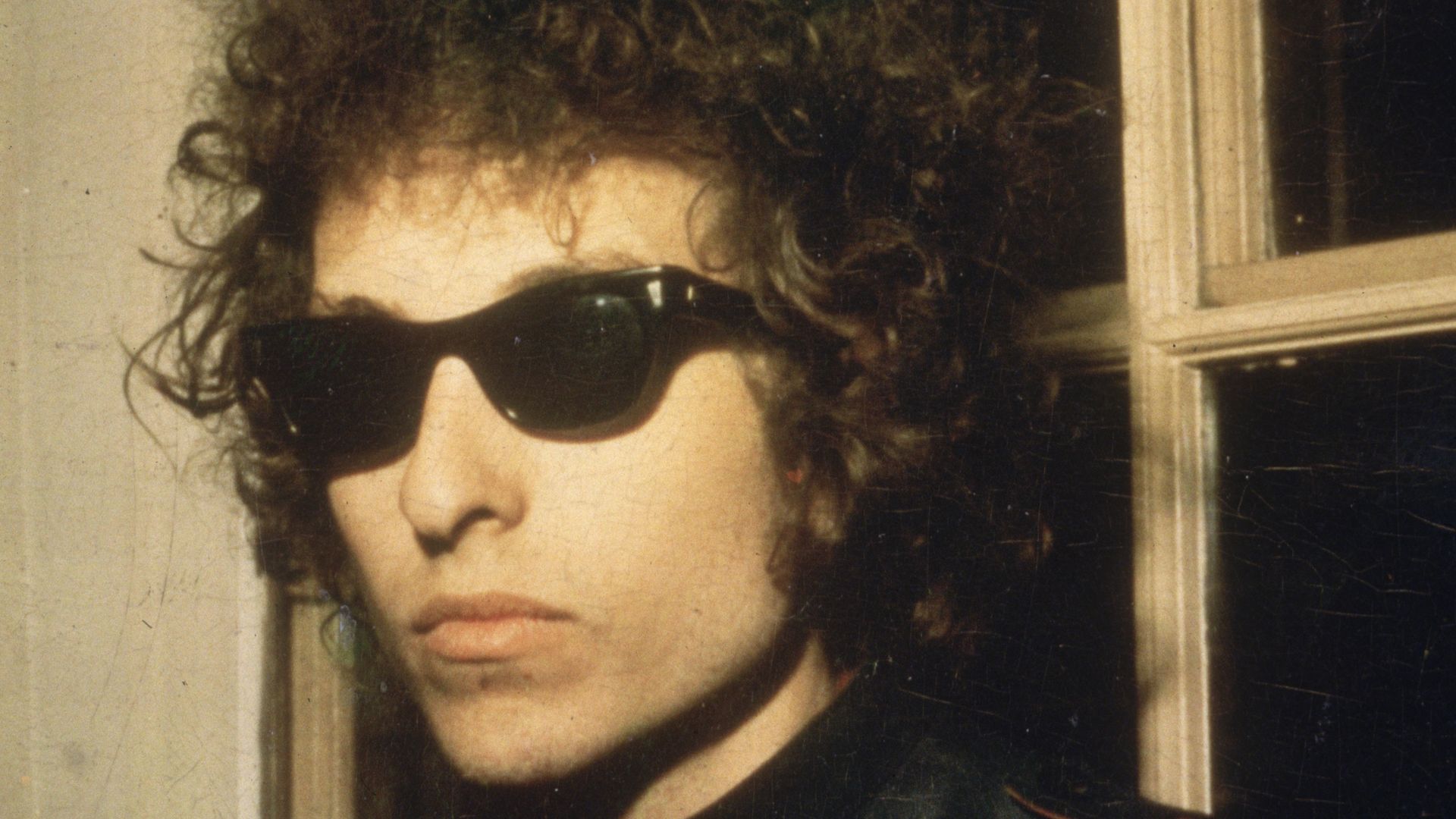
Bob Dylan is a name that is synonymous with the art of storytelling and protest in music, thanks to his legendary catalog spanning over six decades, his work as a poet and artist, and his depictions in movies like 2007's I'm Not There and 2024's A Complete Unknown.
However, despite the latter movie, which starred Timothée Chalamet as the young Bob Dylan, captured the period of his life between 1961 to 1965, we always see him only as "Bob Dylan," and never as "Robert Zimmerman."
 © Getty Images
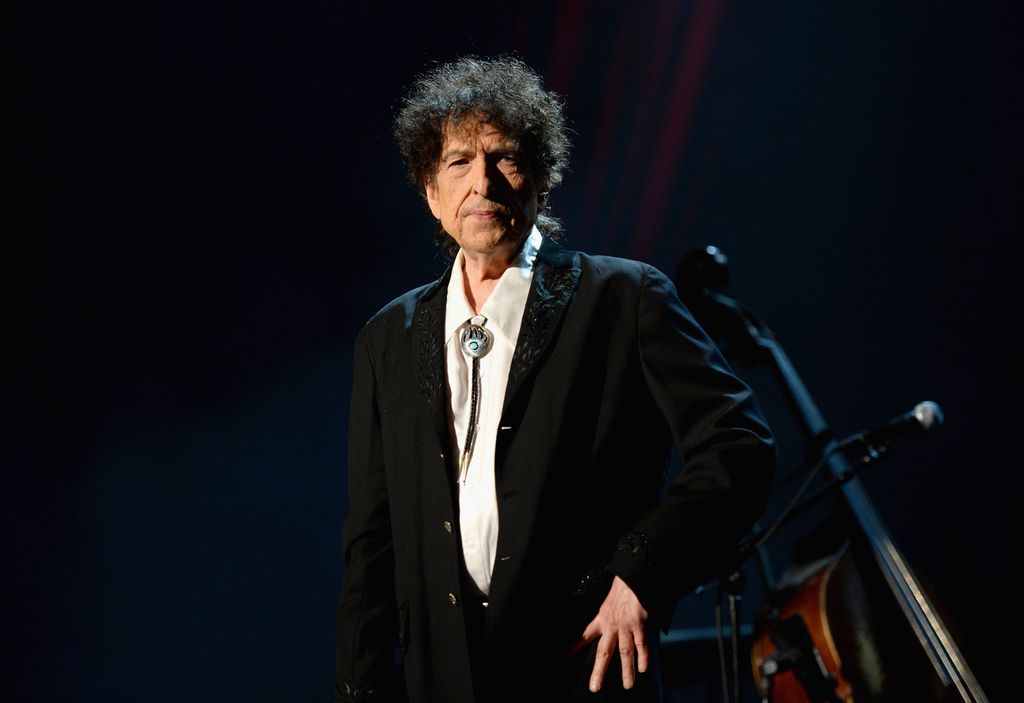
The Nobel and Pulitzer Prize winning songwriter, now 84, was born Robert Allen Zimmerman (his Hebrew name being Shabtai Zisl ben Avraham) in 1941 in Duluth, Minnesota to Abe Zimmerman and Beatrice Stone.
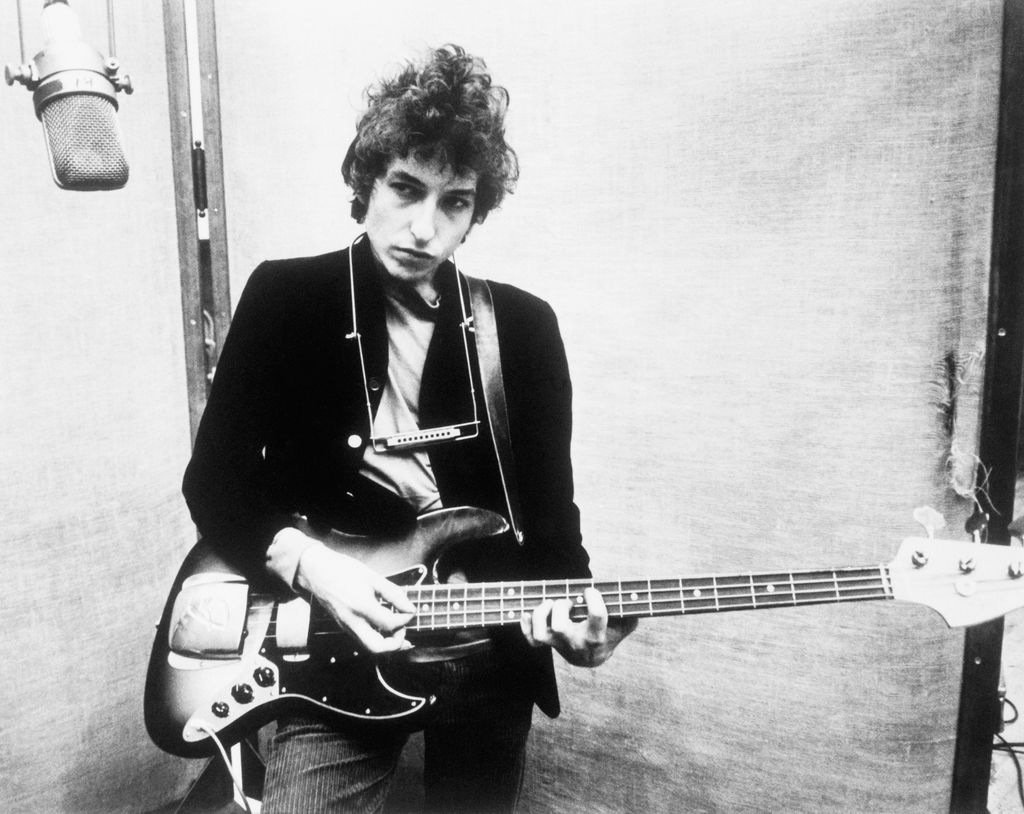
By the late 1950s, Robert began going by "Bob" and found other stage names to suit his style better, including a brief stint playing with Bobby Vee's band The Shadows during which he introduced himself to them as "Elston Gunnn," which Bobby recalled during a conversation with NPR.
 © Getty Images
By 1960, however, the eventual "Like a Rolling Stone" hitmaker moved out to New York City after dropping out of college to give his musical career a shot, thanks to help from musicians like Woody Guthrie, which is where James Mangold's Oscar nominated film then steps in for us.
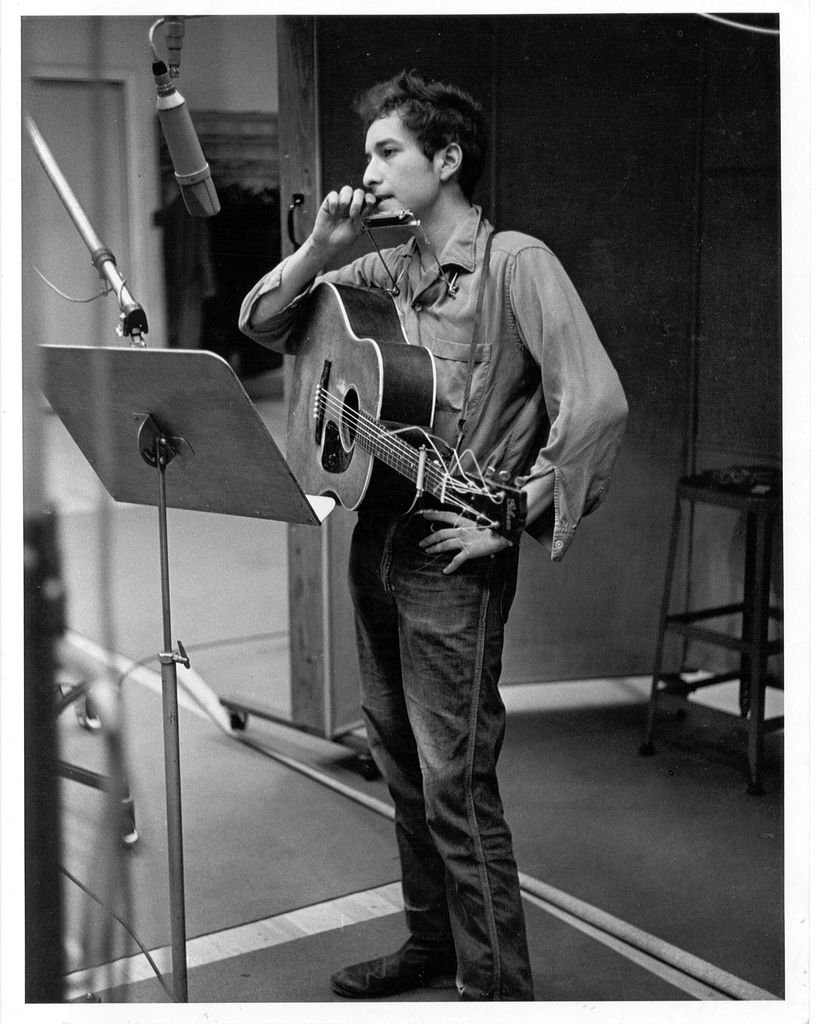
At this point in both the film and his life, he'd started going by "Bob Dylan." In his 2004 memoir, Chronicles: Volume One, he explained that he'd originally wanted to change his surname to "Dillon," but decided to go in a different direction when he found the poems of Dylan Thomas and sought inspiration from them.
His biographer Robert Shelton wrote: "Dylan first confided his change of name to his high school girlfriend, Echo Helstrom, in 1958, telling her that he had found a 'great name, Bob Dillon'," assuming that it came from either Marshall Matt Dillon from the show Gunsmoke, or one of the town of Hibbing, Minnesota's most prominent families.
However, while he was writing Bob's biography in the 1960s, the singer reportedly told him to "straighten out in your book that I did not take my name from Dylan Thomas. Dylan Thomas' poetry is for people that aren't really satisfied in their bed, for people who dig masculine romance."
 © Getty Images
Robert wrote that at certain points, Bob would claim that "Dillon" came from different sources, such as his mother's maiden name (which was proven to be untrue) or a family relative, and claimed that he only began going by "Dylan" when he moved to New York City.
In 1971, though, in the transcripts of a never-published interview with Tony Glover, Bob also explained that part of the reason he changed his name was the fear of anti-semitism at the time. "It wouldn't have worked if I'd changed the name to Bob Levy or Bob Johnston or Bob Doughnut," he said. "There had to be something about it to carry it to that extra dimension."
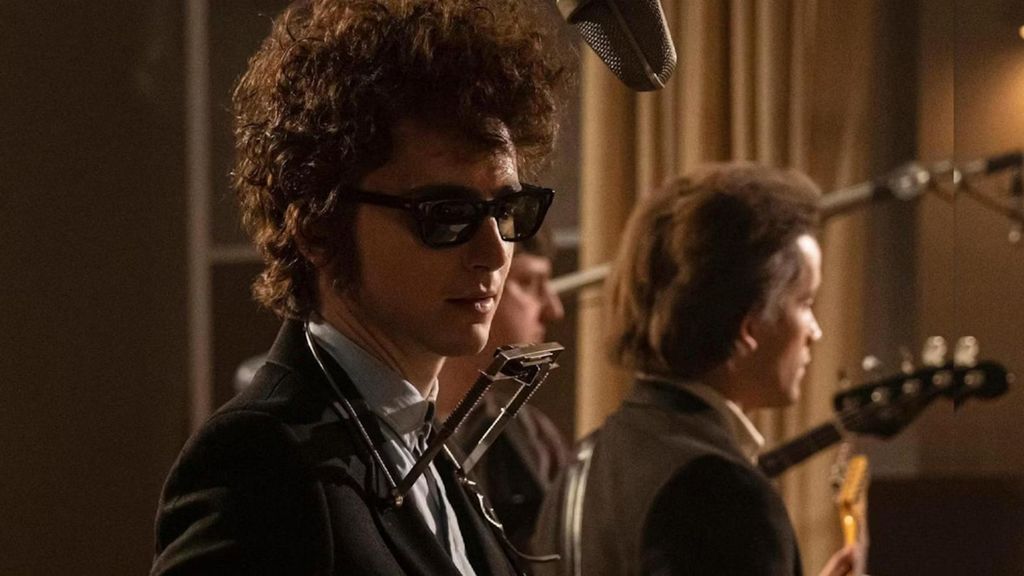
In August of 1962, per Clinton Heylin's biography The Double Life of Bob Dylan: A Restless, Hungry Feeling, 1941-1966, he legally changed his name to "Robert Dylan" in Hibbing, with his father Abe as his witness. In an interview with CBS in 2004, Bob dubbed his name change as "destiny."
"Some people – you're born, you know, the wrong names, wrong parents," he said. "I mean, that happens. You call yourself what you want to call yourself. This is the land of the free."


