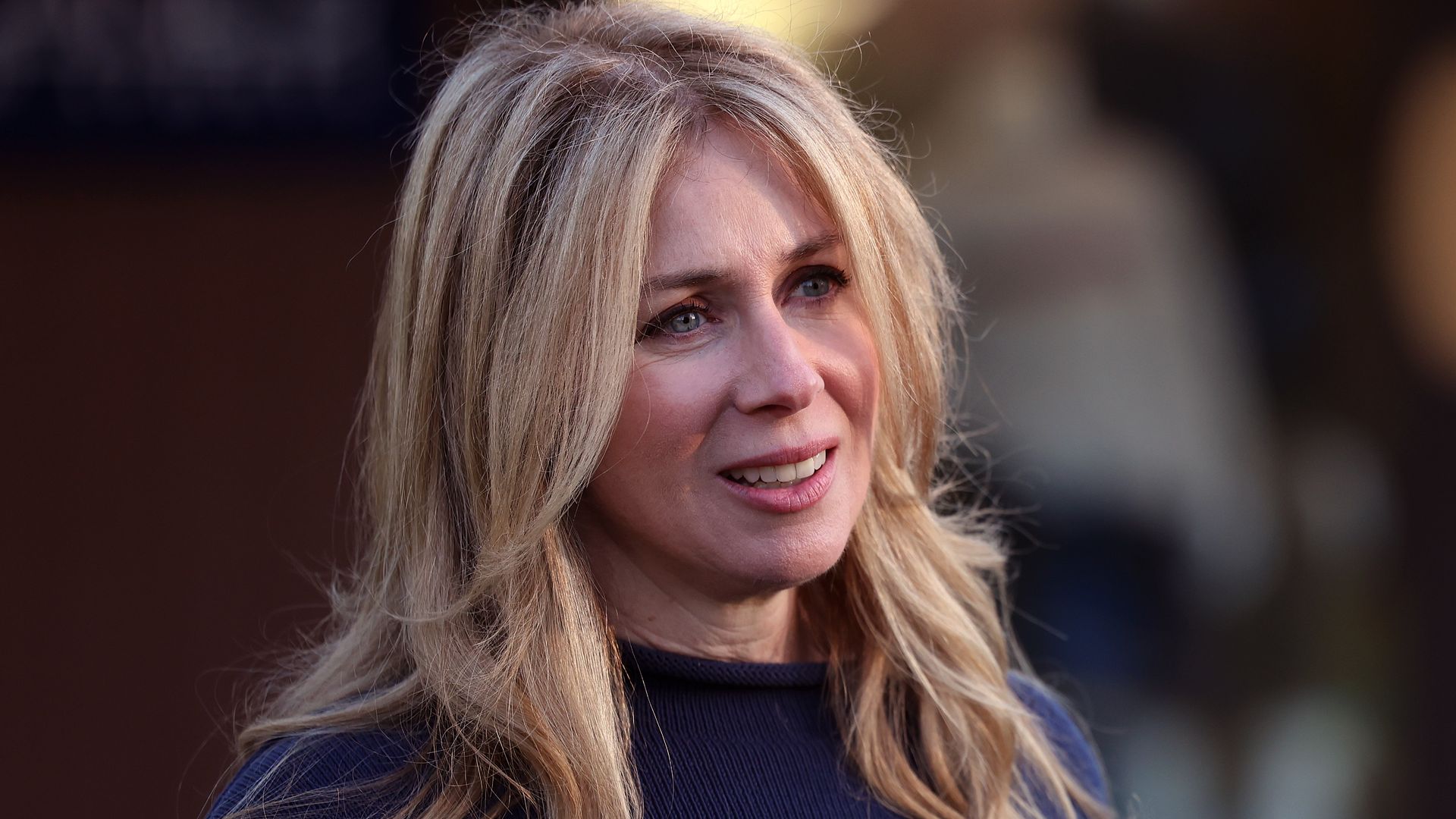

Becky Quick and her family have been privately managing her daughter's difficult health woes for the better part of a decade.
When the CNBC anchor's daughter Kaylie, now nine years old, was as young as about eight months old, her mother noticed she "wasn't hitting her milestones."
Visits to the pediatrician eventually led to a SYNGAP1 diagnosis, a rare genetic disorder, which the Squawk Box is now opening up about for the first time.
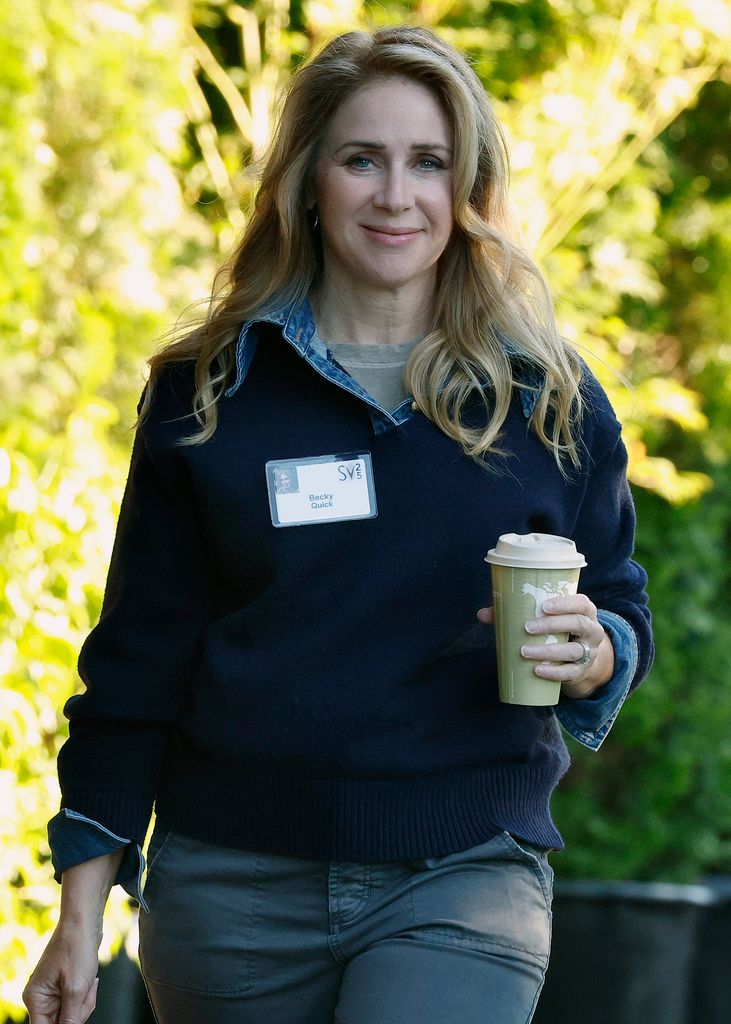
Speaking with People, Becky, 53, recalled how "you just kind of know as a mom that there's something going on," regarding the signs that led her to want doctors to check on Kaylie.
 © Getty Images
"We started working with therapists immediately," she said. "[They] helped Kaylie with her ability to roll over, with getting fluid motions, with eventually being able to walk and lots of things. But we also noticed some other things that were going on."
An EEG study subsequently revealed Kaylie was suffering from subclinical seizures, seizures that you can't see with your normal eye, and eventually, she was diagnosed with SYNGAP1, which causes an array of neurodevelopment disorders, per Cure SYNGAP1, when Chromosome 6 isn't producing enough SYNGAP1 protein, making it difficult for neurons to communicate effectively.
The diagnosis, which Becky remembers as "terrifying," was confirmed just before Kaylie turned three. "It was scary. I think it's kind of universal from other parents I've talked to, either who have kids with this disease or other diseases. You end up kind of blaming yourself," she said, adding: "You sort of think, 'Was it because I was drinking decaf coffee when I was pregnant? Is it because I kept coloring my hair?'"
"I had one doctor who told me, 'Well, maybe she's not going to be a Fortune 500 CEO, but she might go to college,'" she further recalled, noting: "I remember just being so mad at him at that point for writing off her prospects so early. But as you go through it, you're kind of hoping and praying that she'll just overcome it and the therapies will work and she'll be back on a normal track."
Family was, of course, her and her husband Matt Quayle's "biggest support," however, when it was time to go to work — Matt is the co-founder and executive producer of Squawk Box — the part of her that was grappling with Kaylie's health had to be put to the side.
 © Getty Images
"Because of my public role on TV, it wasn't something that I really talked about at work. I had to go to work and kind of shut that part off because it was just so...anything with your kids, you're so emotional, so caught up in it," she said.
"It's something you're dealing with all the time, but it's not something you can always share," the doting mom went on. "And that's me being on TV, I wasn't sharing it, but it's a story I hear from a lot of other parents who are walking this same path. It's hard to know who to talk to and who to lean on because it's just a path you're walking that you feel so alone on, and you feel like nobody else understands."
Becky is now speaking out about her daughter's protein deficiency in an effort to help others also struggling with it. "I started to realize that so many of us in these different communities are kind of walking that same path in a very lonely way," she said. "That if we could get the word out and kind of connect some of these communities so that they could learn best practices, and they all didn't have to just reinvent the wheel on what should we be doing in terms of working towards a cure or in terms of getting help for our kids, that we could learn from each other along the way."