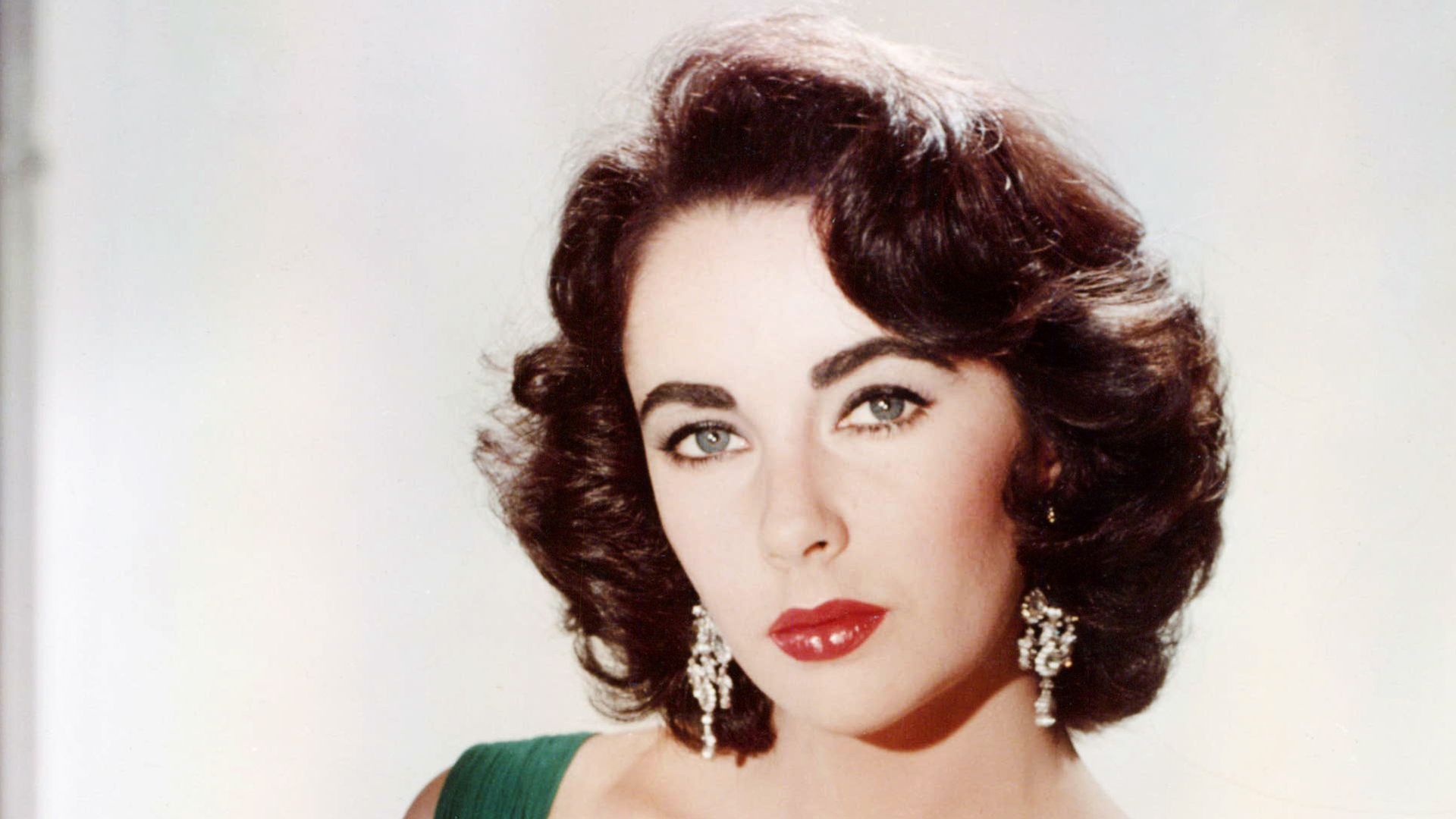

Hollywood relationships and romance have been headline-hitting marvels for as long as celebrity culture has existed. One of the most famous of all was the tempestuous partnership between Richard Burton and Elizabeth Taylor. When their electric on-screen chemistry in 1962's Cleopatra very quickly seeped into their real lives, despite both actors being married, their legacy on popular culture almost rivalled their impact on the film industry. The immense media attention and continuous spotlight placed on their relationship completely shifted the way that the public perceived fame and glamor in Hollywood. And, as HELLO!'s resident pop culture enthusiast, I can assure you that there are very few pieces of cultural treasure as iconic as the engagement ring he gave to her.
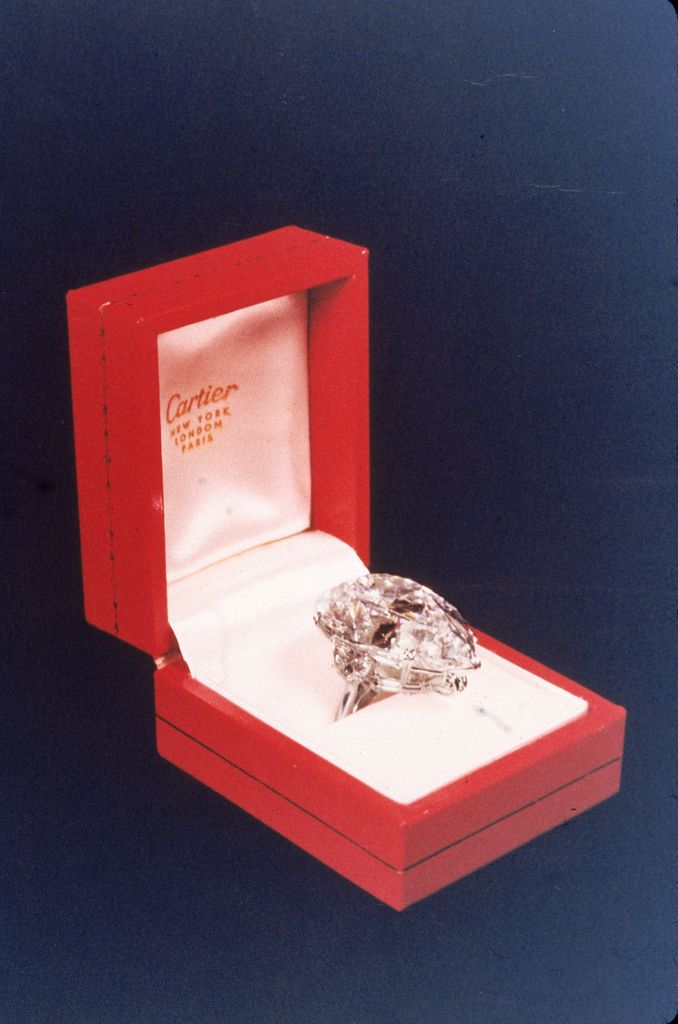 © Getty Images
Known as the Taylor-Burton Diamond, the iconic piece of jewelry is a 69.42-carat pear-shaped diamond and is one of the most famous celebrity engagement rings in history. The story behind the ring is equally fascinating – scroll down to find out everything about it…
Richard Burton was initially outbid
The original diamond was found back in 1966 in a South African mine, weighing 240.8 carats, but was cut by luxury jeweler Harry Winston into the now-legendary 69.42-carat pear-shaped diamond.
As a diamond ring, it was first put up for auction on October 23, 1969, in the Parke Bernet Galleries in New York City. Elizabeth had her eyes on the gem, having previewed it before the auction, but Cartier got their hands on it first with a bid of $1.05 million. On the very next day, Richard bought it from Cartier for $1.1 million.
Elizabeth's transformation of the ring made it iconic
However, it turned out that the gem was still too heavy to wear as a ring, so the couple commissioned Cartier to transform it into a necklace for Elizabeth to wear, with the final setting work often being credited to Oscar Heyman & Brothers. The gem represents everything that is luxurious and opulent about Old Hollywood elegance, and the experts agree.
Justin Daughters, managing director of antique jeweler Berganza with over 25 years of experience in the trade, commented: "The Taylor-Burton Diamond, a massive 69.42-carat pear shape, represents the apex of 20th-century jewelry extravagance. Richard Burton’s record-breaking purchase in 1969 was not just a symbol of love, but a cultural phenomenon. This diamond transcended jewelry; it was a relic of the Hollywood golden era's excess."
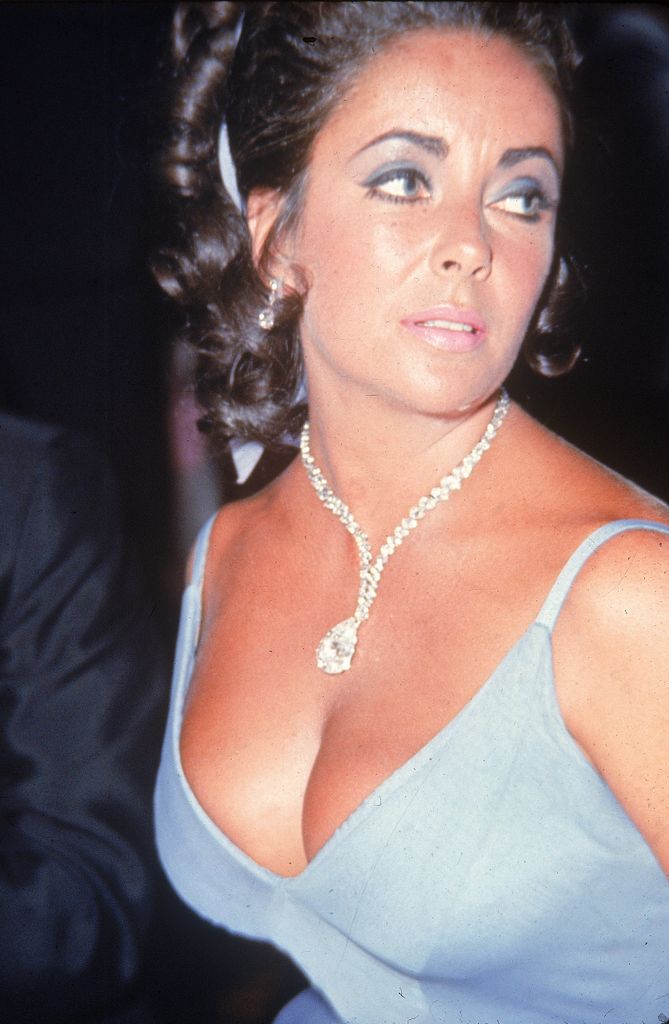 © Getty Images
The jewelry expert also noted the gem's "immense size and near-flawless quality" that placed it in a league above others, though pointing out that "its true value is tied to its extraordinary provenance, the iconic love story of Taylor and Burton," which he says adds a "premium far beyond its carat weight".
Why did Elizabeth transform the ring?
On the decision to transform it, he said: "The sheer audacity of the stone’s size (69.42 carats) immediately triggered a crisis of wearability. The initial platinum ring setting was a grand symbolic gesture, but it proved fundamentally impractical for Elizabeth Taylor to wear comfortably on her finger due to the stone's sheer scale and weight. This difficulty is what ultimately shaped the final piece."
Justin explained that, when it comes to high-carat jewelry, "practicality must ultimately dictate the setting", which is precisely why Richard and Elizabeth commissioned the stone's transformation into a more wearable necklace. "This design allowed the weight of the 69-carat stone to be distributed across the neck, making the piece wearable and transforming it into a legendary ceremonial jewel," he added.
What happened to the necklace?
Elizabeth eventually sold the necklace for $5 million in 1979, to help fund a hospital in Botswana, though Justin explains that the gem's estimated value today would be much higher, "driven by its unique legacy and rarity". He concludes that the ring was a "grand symbolic gesture", but the necklace's enduring wearability and spectacle was a "powerful lesson in design dictated by real life."