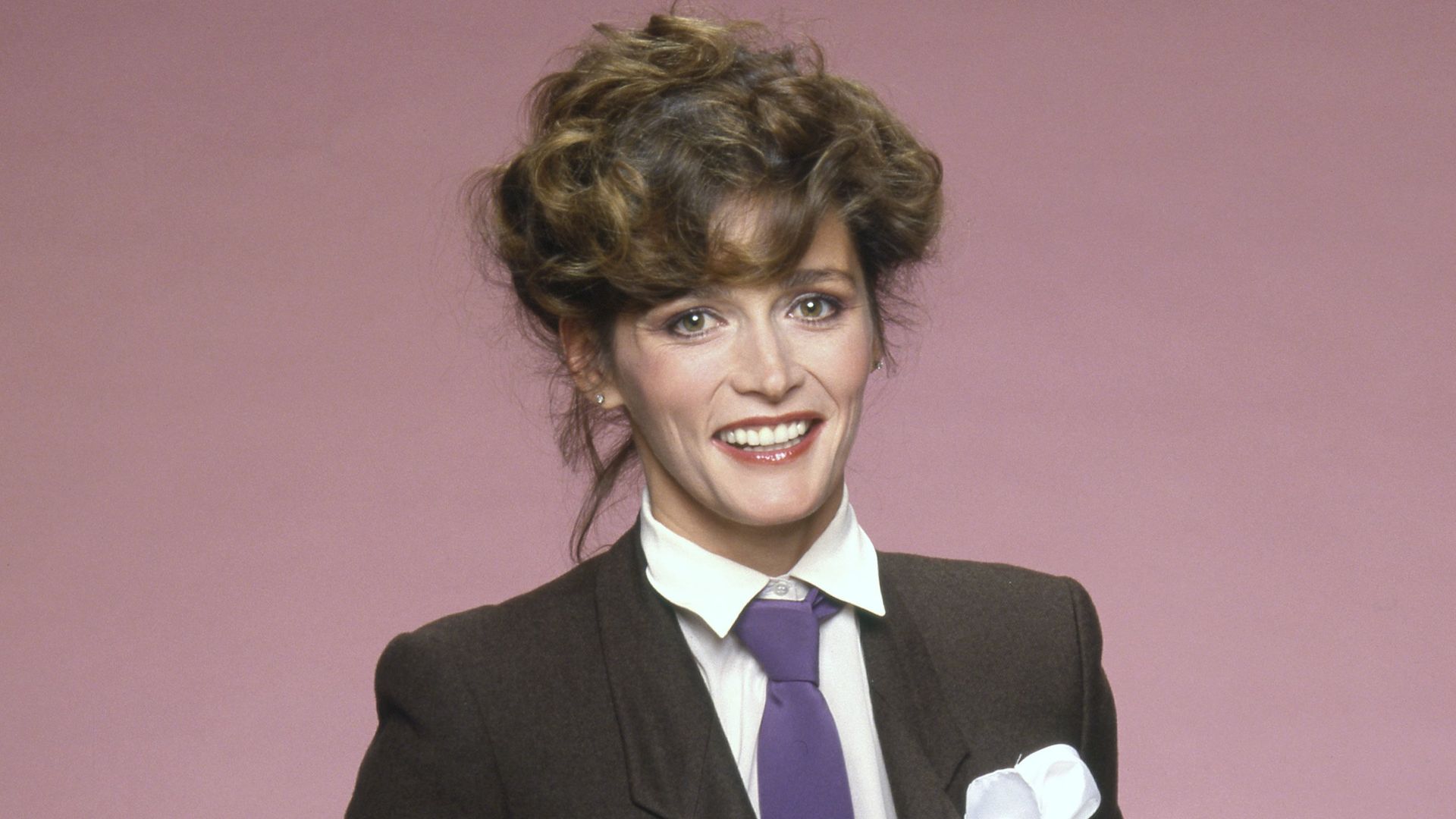

While the Superman franchise continues to fly high, many fans can’t help but return to the original film, which first hit screens in 1978. Starring Christopher Reeve as the titular superhero, Margot Kidder also emerged as a force to be reckoned with for her iconic portrayal of Lois Lane, a role that laid the blueprint for actresses like Rachel Brosnahan, who’s set to portray the character in the upcoming 2027 sequel film.
Margot - who struggled with her mental health during her time in Hollywood - continued to remain a strong presence in film and TV, while also becoming a legendary activist and reaching fans worldwide. Today, we’re taking a look back at the actress’ life, and her indelible impact on the Superman franchise.
Early career
 © NBCU Photo Bank/NBCUniversal via Getty Images
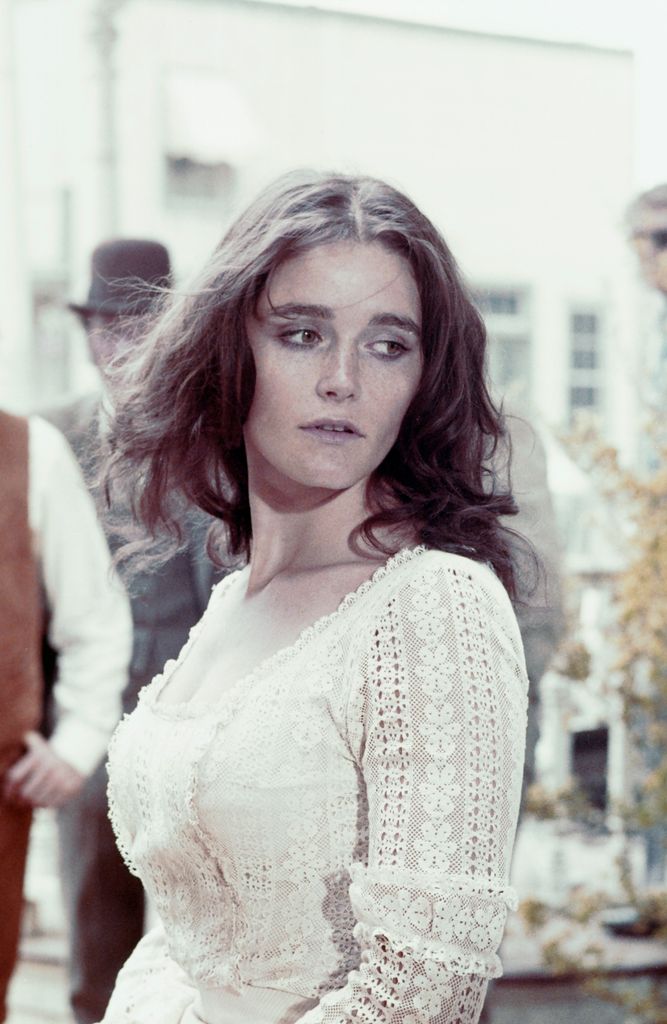
Born in the remote Northwest Territories of Canada, Margot’s love for performing was born after she saw a Broadway show in New York at age 12. “We didn’t have movies in this little mining town,” she told The Guardian. “I saw Bye Bye Birdie, with people singing and dancing, and that was it. I knew I had to go far away”.
After winning the Canadian Film Special Award in 1969, she first garnered attention for her starring role in the comedy Quackser Fortune Has a Cousin in the Bronx (1970) opposite Gene Wilder, later appearing opposite Robert Redford in The Great Waldo Pepper (1975).
A super opportunity
 © Ron Galella Collection via Getty
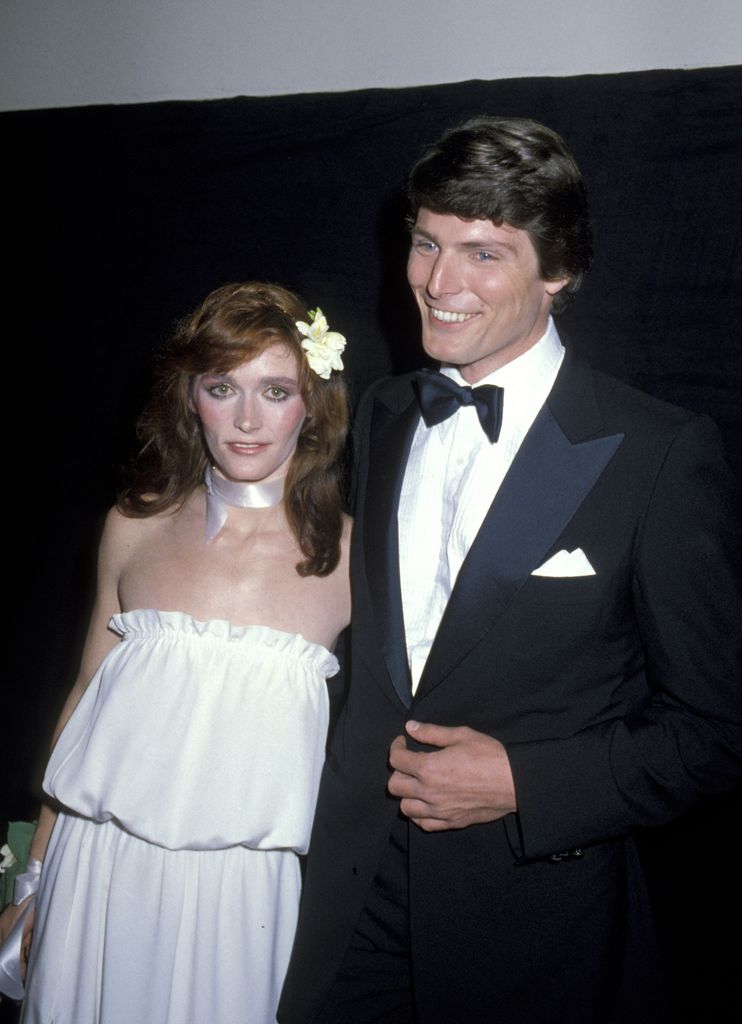
In 1978, Margot became the first actress to portray Lois Lane in a film in Superman, the franchise’s first first big-budget feature film. Reportedly the most expensive movie ever made at the time – with a budget of around $55 million – the film flew to the top of box office charts everywhere, and thrust Margot into the spotlight.
“After Superman came out, I found it very difficult and hard to deal with,” she said in 1997, per The Independent. “There is a sense of having to put on this phoney face when you go out in public. I wasn’t very good at it.”
Her second blockbuster of the decade came in the form of The Amityville Horror (1979), and Margot later went on to reprise her role as Lois opposite Christopher Reeve’s Superman in several sequel films.
Margot's love life
 © Toronto Star via Getty Images
After meeting on the set of 92 in the Shade (1975), Margot began a relationship with writer Thomas McGuane and moved to his Montana ranch; the pair welcomed a daughter that same year. After their nearly year-long marriage ended in divorce, she later married actor John Heard in 1979, though the pair separated just six days after their wedding day.
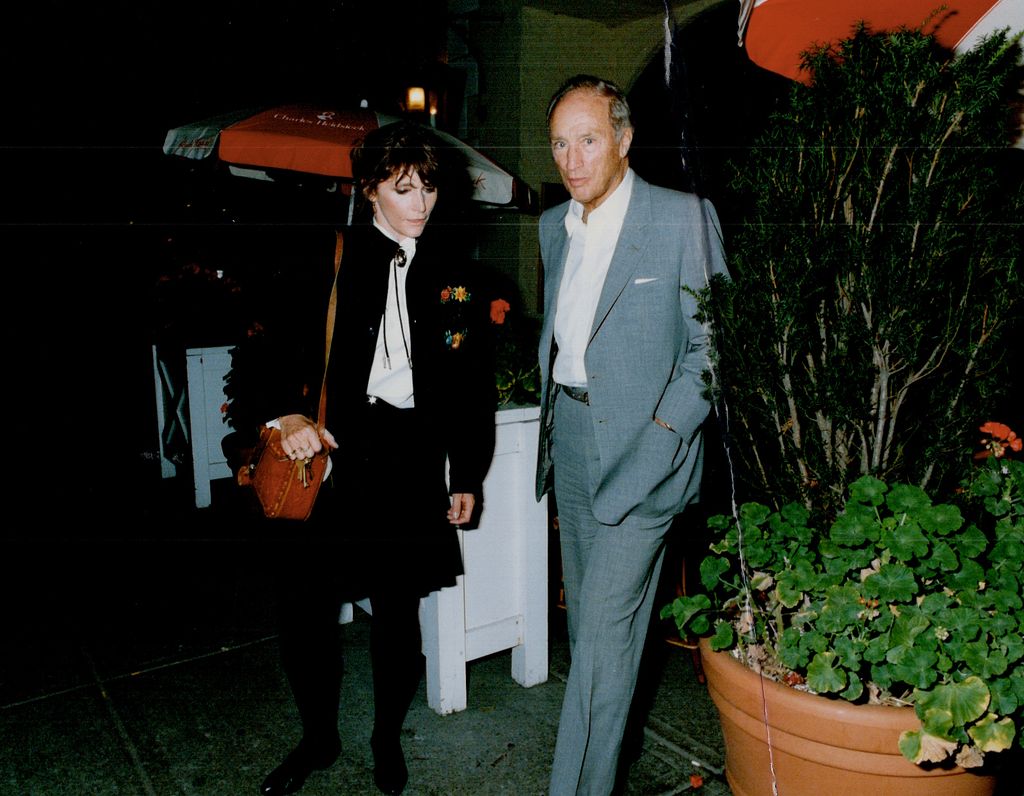
Her last marriage was to French film director Philippe de Broca in 1983, ending in divorce the following year. She was also romantically linked to Canadian Prime Minister Pierre Trudeau, Justin Trudeau’s father, that same decade.
Later career
 © Getty Images
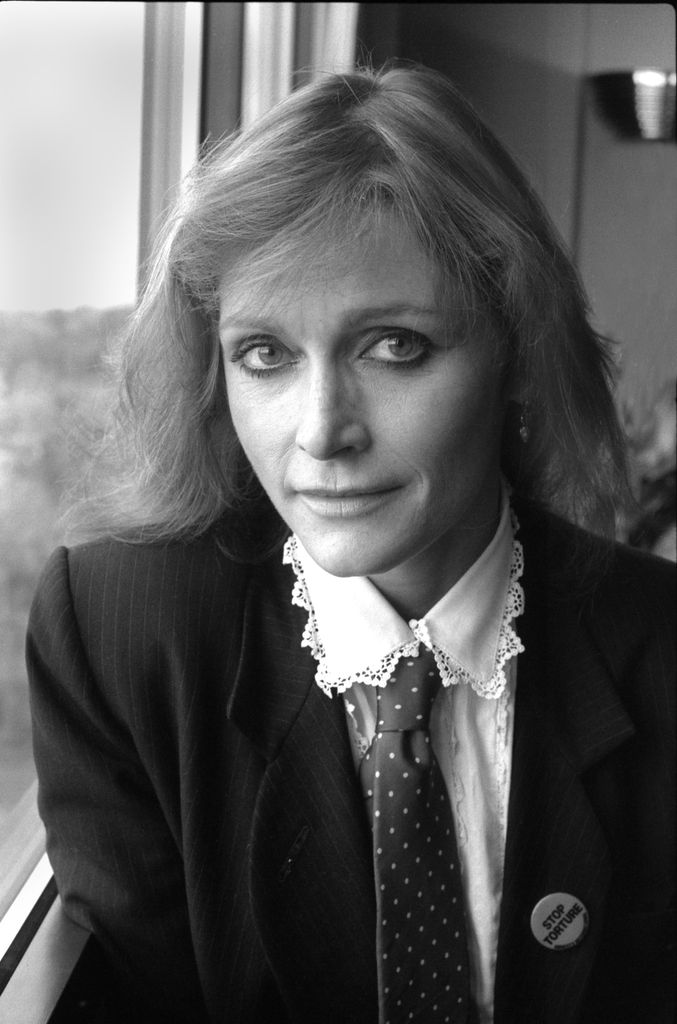
Margot was known for speaking openly about her struggles with mental health, including bipolar disorder. She later became an activist for mental health awareness, with a 1999 interview reporting that thousands of fans had sent her letters of support.
“What I get to do in talking about that is decrease the stigma,” Margot said. “It’s now become very rewarding to speak to people.”
The actress was also a political activist, opposing the Iraq War, and staunchly supported causes like LGBTQ+ rights. Alongside her later activism, she starred in independent films like the hockey-focused Chicks with Sticks (2004), and later returned to her horror roots in Halloween II (2009).
Legacy
 © Getty Images
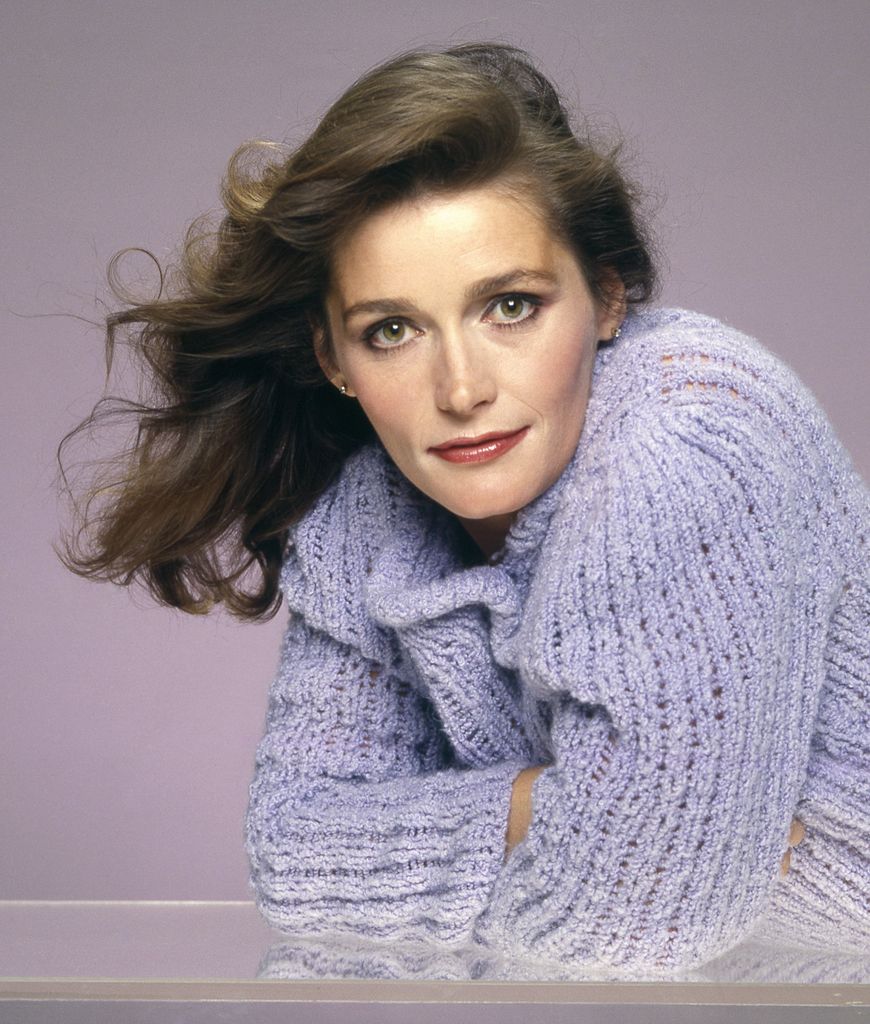
Margot passed away from a drug and alcohol overdose in August 2018, with her death ruled a suicide by a coroner.
“It’s a very unique sort of grief and pain,” Margot’s daughter, Maggie McGuane, told The Associated Press. “Knowing how many families in [Montana] go through this, I wish that I could reach out to each one of them.”
“Fly high, our friend, shine bright,” the Christopher & Dana Reeve Foundation wrote on X.
Whether through her legendary acting roles or staunch activism, Margot continues to be remembered as a shining light in Hollywood – and an inspiration for the Lois Lanes to come.