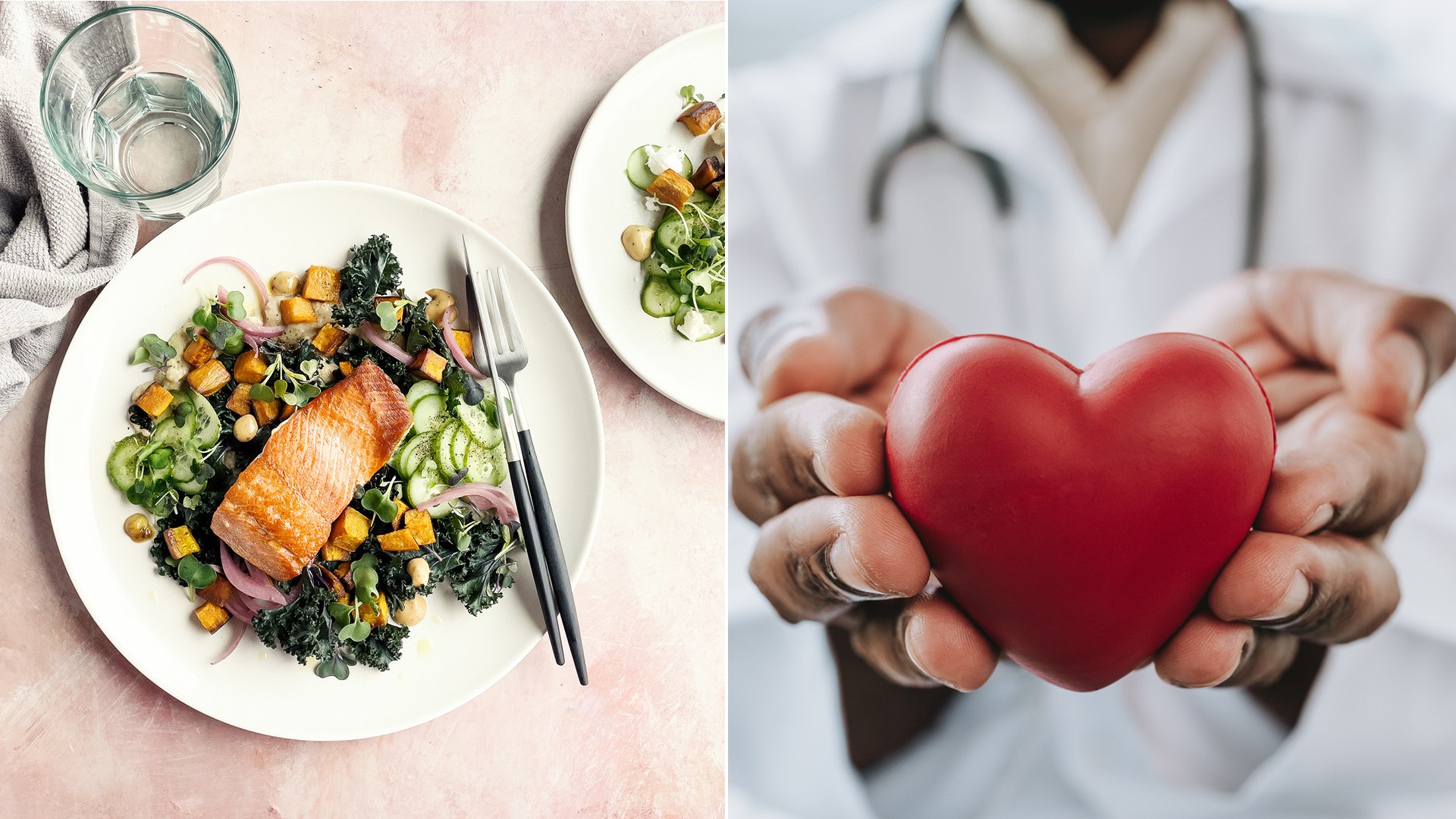

We all know the obvious culprits to avoid if we want to look after our heart.
Smoking, alcohol, and excessive amounts of junk food all clog up arteries and ultimately have a detrimental impact on our cardiovascular health.
We also know that cardiovascular fitness, such as walking, running or cycling, is a great way of making sure our ticker remains in great shape.
Checking my resting and recovery heart rate via my Apple Watch during a bike ride is something I do so frequently, it's practically becoming an unnecessary obsession.
However, when it comes to thinking about foods that directly improve our heart health, the answers might be less obvious. Fruits and vegetables are a given, but why are certain food groups so good for our hearts?
We spoke to experts to find out. Click through the gallery to see five foods that are "powerful armour" for protecting our hearts…
 © Getty Images
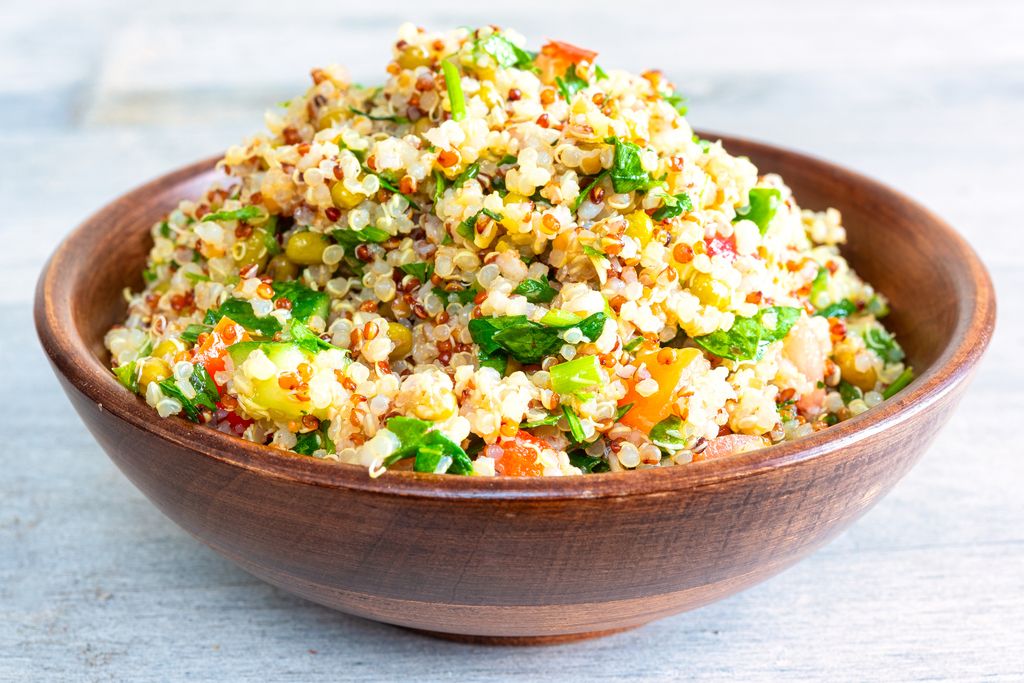
Whole grains, quinoa and legumes
Dr. Kezia Joy, a Registered Dietitian Nutritionist and Medical Advisor at Welzo, spoke to HELLO! and shared insight on why these foods are essential to a heart-healthy diet.
"Whole grains like quinoa are standard fare, as their soluble fibre assists in keeping cholesterol levels under control and supports long-term vascular health as well."
She adds: "These fibre-rich foods in the form of legumes, oats, and more are like a sponge, absorbing cholesterol and then excreting it from your system."
Personally, I love adding quinoa to pretty much any salad bowl. I also try to eat brown rice wherever possible, plus oats are a daily breakfast staple of mine. You can also add legumes so easily to curries, soups, stews and more.
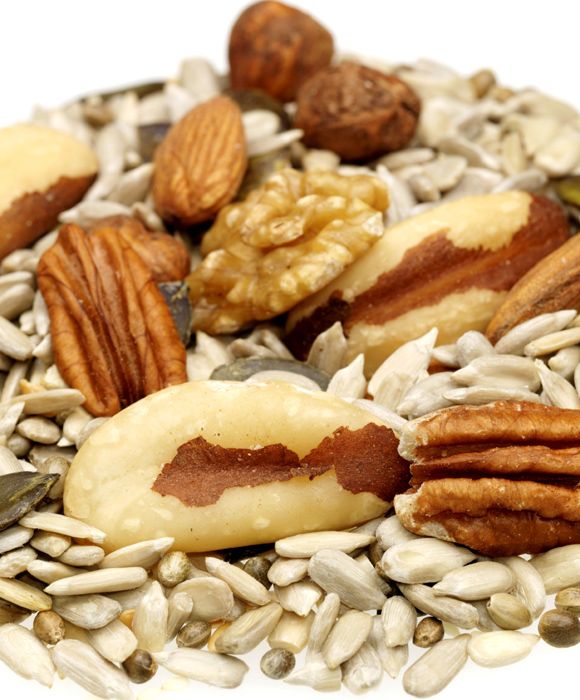
Nuts and seeds
Kezia says: "Think of these foods as though they were a kind of protective armour that nature seared upon the heart."
Fortunately, nuts are pretty self-explanatory and can be consumed on their own as a snack.
But if you need a bit more inspiration, I always ensure I sprinkle flaked almonds and walnuts into my overnight oats.
I also love throwing seeds like pumpkin and sunflower seeds into my overnight oats for an extra boost to the heart!
 © Getty Images
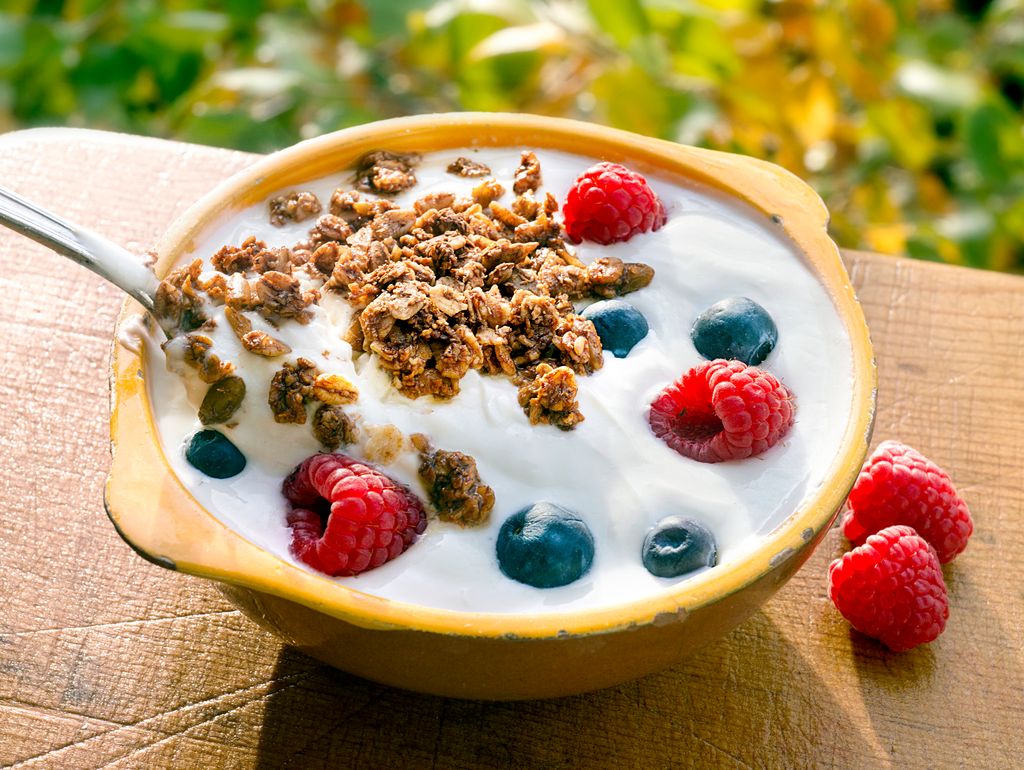
Berries
Like nuts, berries are full of antioxidants that form the foundation of a heart-healthy diet.
"They are your fuel remodelled and your cardiovascular system transformed into an unbreakable fortress," says Kezia.
Because of their high levels of antioxidants, they are also great at reducing inflammation in the body, which is a leading cause of chronic diseases such as cardiovascular disease, Type 2 diabetes and more.
 © Getty Images
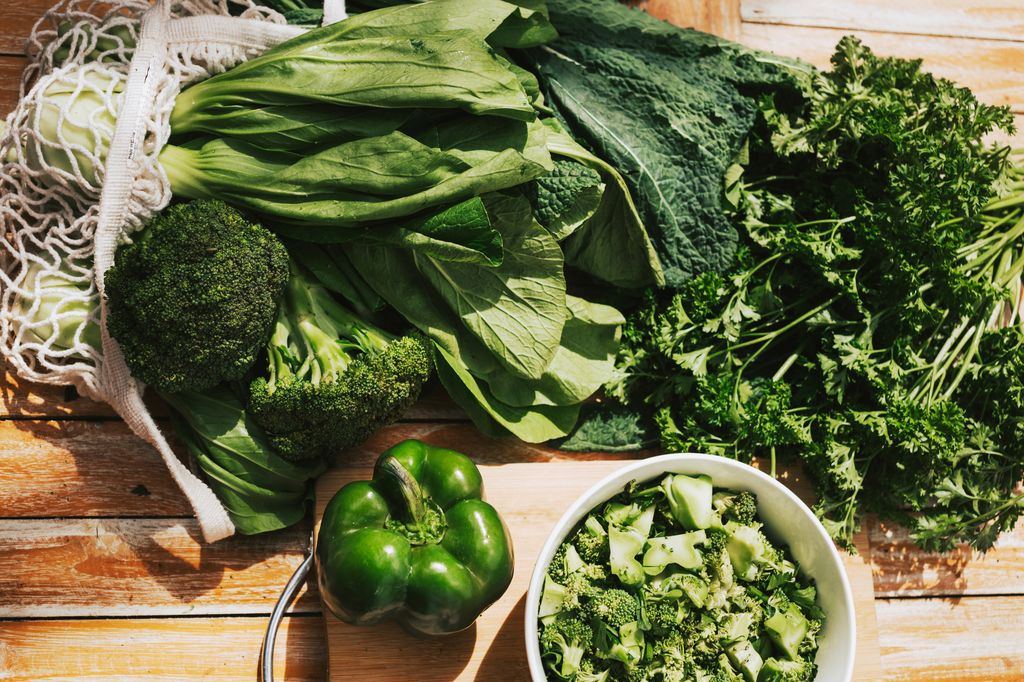
Leafy greens
Kezia says leafy greens are "powerful allies" when it comes to keeping your heart in its best shape.
"Every piece of juicy fruit or colourful vegetable you add to your diet is a bet on your heart strength for years to come."
 © Getty Images
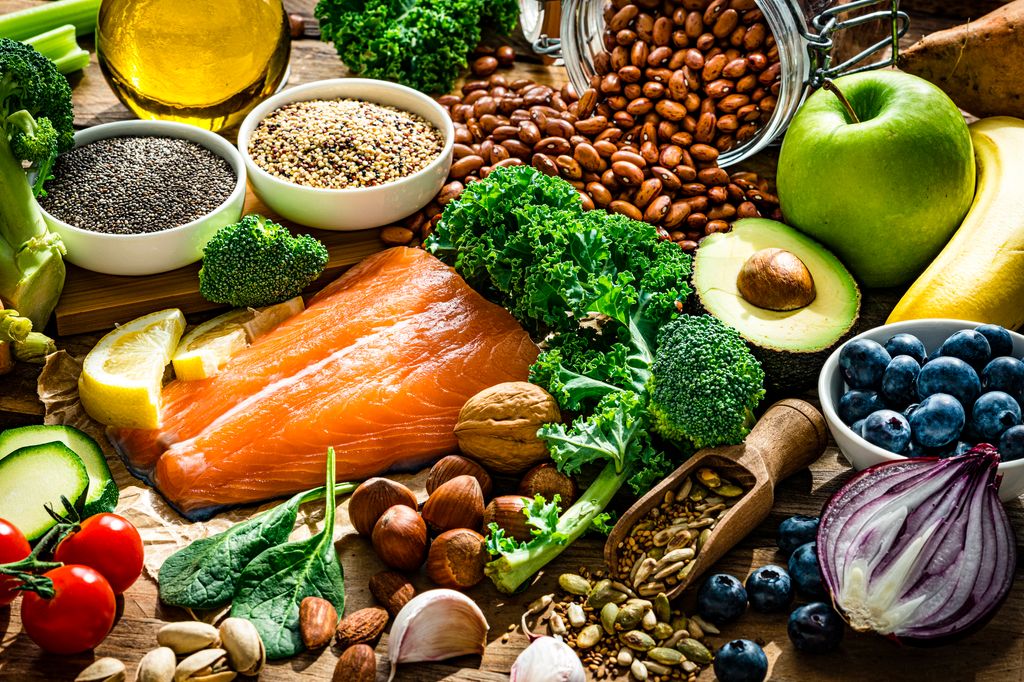
Healthy fats
'Fat' gets a bad rep, but there are such things as 'healthy fats', and they're great for the heart.
Think fatty fish like salmon, mackerel and tuna, plus avocados, nuts (as mentioned), olive oil, and more.
Kezia says: "Balancing the body's good and bad cholesterol with omega-3 fatty acids also reduces risk of blockages."
She concludes: "Together, these essential substances also enhance blood throughput, control blood pressure, and tame inflammation.
"With a broad-spectrum, multi-layered heart protection firm in place."
Foods to avoid
So now we know what foods we need to be consuming more of, what should we avoid?
Dr Farah Ahmed, Women's health GP and nutritionist at Dr Farah Women's Health, says: "It's not about never eating your favourite foods, but about limiting the ones that don't support your heart.
"I usually advise cutting back on fried or processed foods that are high in trans and saturated fats. Also, sugary foods and drinks, which increase the risk of diabetes and heart disease, and salty convenience foods, as too much salt can push up blood pressure."
Kezia adds: "The biggest wrecks to your heart are the highly processed foods that pack trans fats, added sugars, and excess sodium. In the long run, processed meats, deep-fried foods, and sugary drinks bring about weight gain and high blood pressure.
 © Getty Images
"It is a matter of not overly restricting yourself, but of choosing to moderate well. Instead of classifying food as 'good' or' bad', rethink how frequently you eat it.
"The more whole and natural your choices are, the greater will be your heart's thanksgiving for them."
Exercise vs food
Now we've sorted our diet, it's time to think about exercise.
"Exercise and nutrition are more like friends. While diet can cut down on risk factors such as high cholesterol (hypercholesterolemia) or hypertension, physical activity not only strengthens the muscle of our heart but also enhances overall circulation.
"Food provides raw materials needed for energy, healing and repair, while exercise means that these systems – heart, muscle, lungs, as well as liver – operate at optimum efficiency."