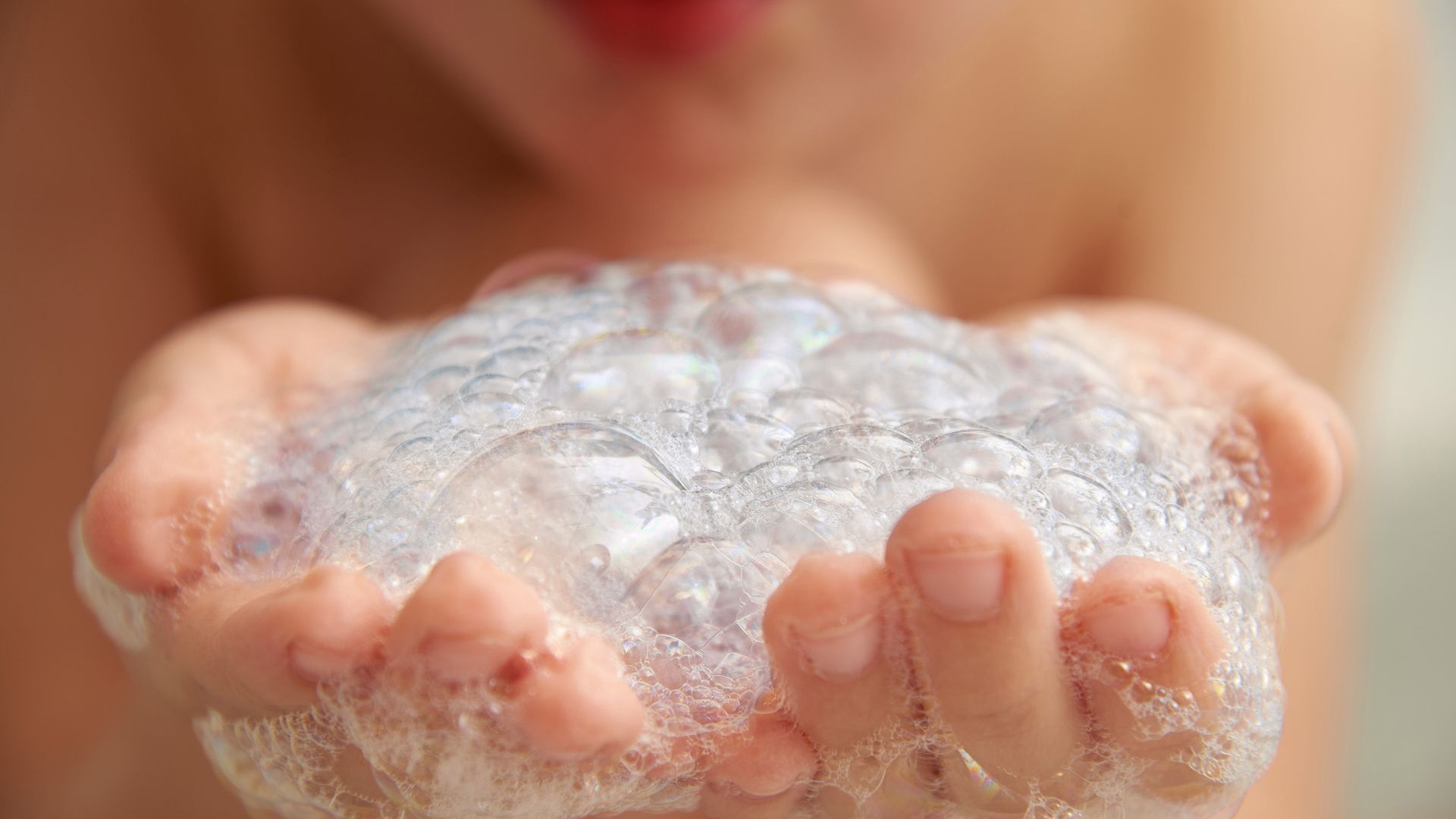
For parents, the bathtime routine with children can provide an opportunity to connect and calm down at the end of the day. And if soaking in a bubble bath or slathering on moisturiser is a part of your child’s wind-down regimen, you may want to rethink the type of products you’re using, an Ayurvedic doctor has warned.
Dr Sam Watts, a holistic health expert, shared details of a study that showed a correlation between the use of skincare products on children and the volume of phthalates - a toxic chemical - in their urine.
Speaking on Instagram, Dr Sam said: "One of the increasing cultural norms in our society seems to be the exponential use of beauty and body products on young children. Lotions, potions, creams, you know, chemical-ridden body washes and things like that. And I’ve just been reviewing some research showing how toxic these kinds of products are."
He continued: "What the data shows in a study of over 600 infants aged four to eight was a direct correlation between the volume of skin products used and the volume of toxic compound, something called phthalates, in the children’s urine. So what that data shows is that the more toxic chemicals you apply onto the skin, those chemicals are being absorbed into the blood, entering into the body, and that’s going to have all kinds of implications on things like hormones, immunity, carcinogenic and things like that."
Phthalates are a group of chemicals that are used to make plastics more flexible, but they are also commonly used in cosmetics, toiletries and packaging. They are known endocrine disruptors, which means they can interfere with hormones in the body. Exposure to phthalates in early childhood has been linked to neurodevelopmental, metabolic and reproductive concerns later in life.
We are all exposed to these chemicals on a regular basis, including through the personal care products we use, and packaging on food and drink, but children are more sensitive to the effects than adults.
The study Dr Sam referenced found associations between children’s use of skincare products and the phthalate levels in their urine. Lotions, oils and sunscreen were linked to the highest phthalate levels, but the results varied depending on the children’s ethnicity and gender.
While this may be a concern for parents who frequently use these kinds of products, there are alternatives available that can reduce your child’s exposure to these harmful chemicals while effectively cleansing and moisturising.
It’s not always easy to identify which products contain phthalates, but as a rule of thumb, ditching fragranced skincare and cosmetics is a good place to start. You may also like to avoid commercial skincare products altogether in favour of natural remedies, like the following, recommended by Dr Sam.
"Using a completely pure natural soap, using pure Aloe vera juice instead of moisturisers, and just using something like shea butter or coconut butter on sensitive skin. So there’s plenty of alternatives and plenty of options to replace chemical-ridden skin and beauty products when we’re looking after our young children," he shared.
Organic coconut oil can also make a great moisturiser, and its anti-microbial properties make it ideal for treating eczema and skin infections. Meanwhile, brands like Weleda, Green People and Nala’s Baby all offer children’s toiletries made using natural ingredients for little ones.