Serena Williams' frank Instagram post claiming her body "needed" weight-loss drugs has left one new mother feeling "let down" and personal trainers concerned as to the impact the news will have on their clients. The former tennis champion, 43, found losing weight a struggle after the birth of her first child, daughter Alexis Olympia, in 2017, and similarly struggled after the birth of her second daughter, Adira River, in 2023. It was this frustration that saw Serena start injecting the weight-loss drug GLP-1s six months later in 2024. Watch her explain her decision in a clip below.
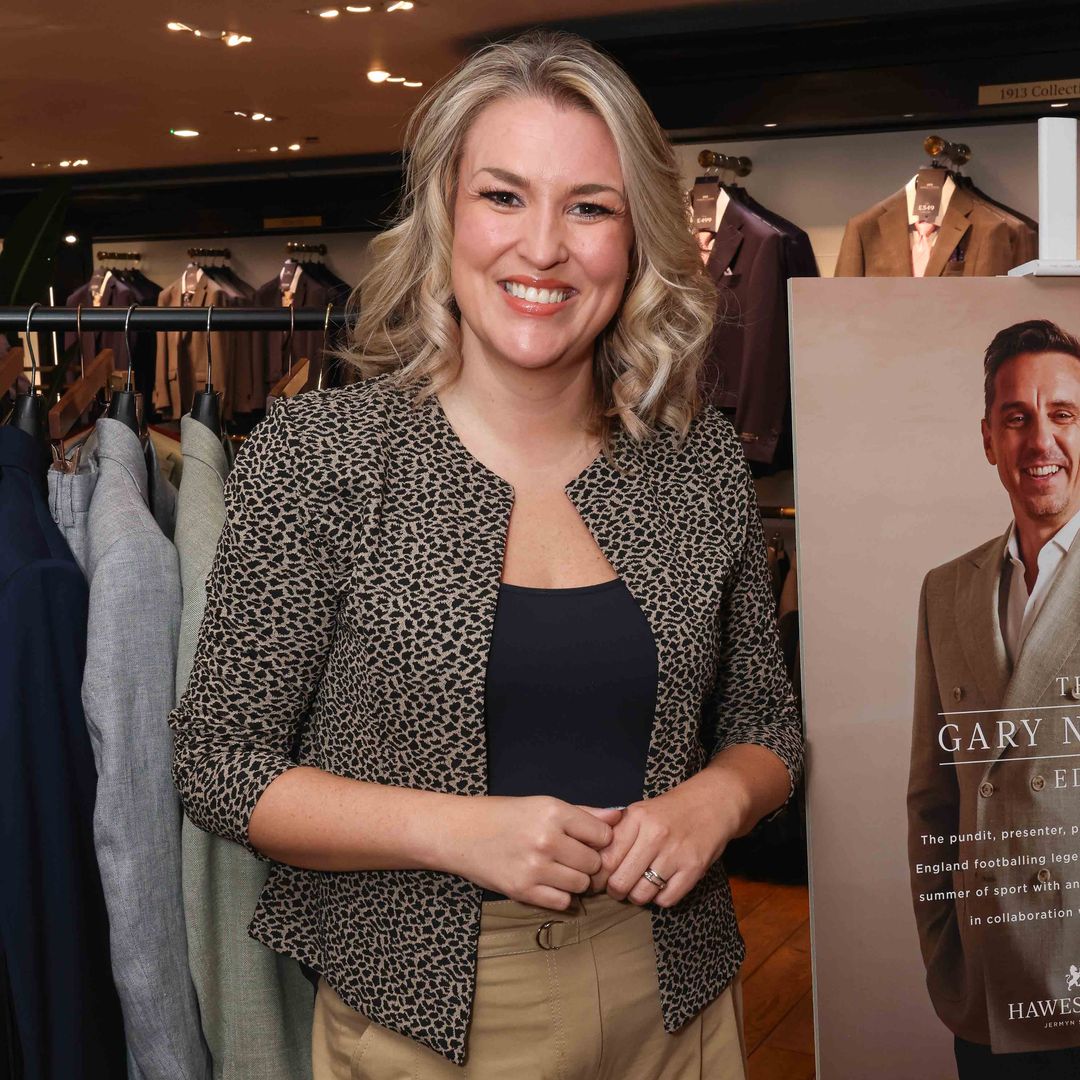
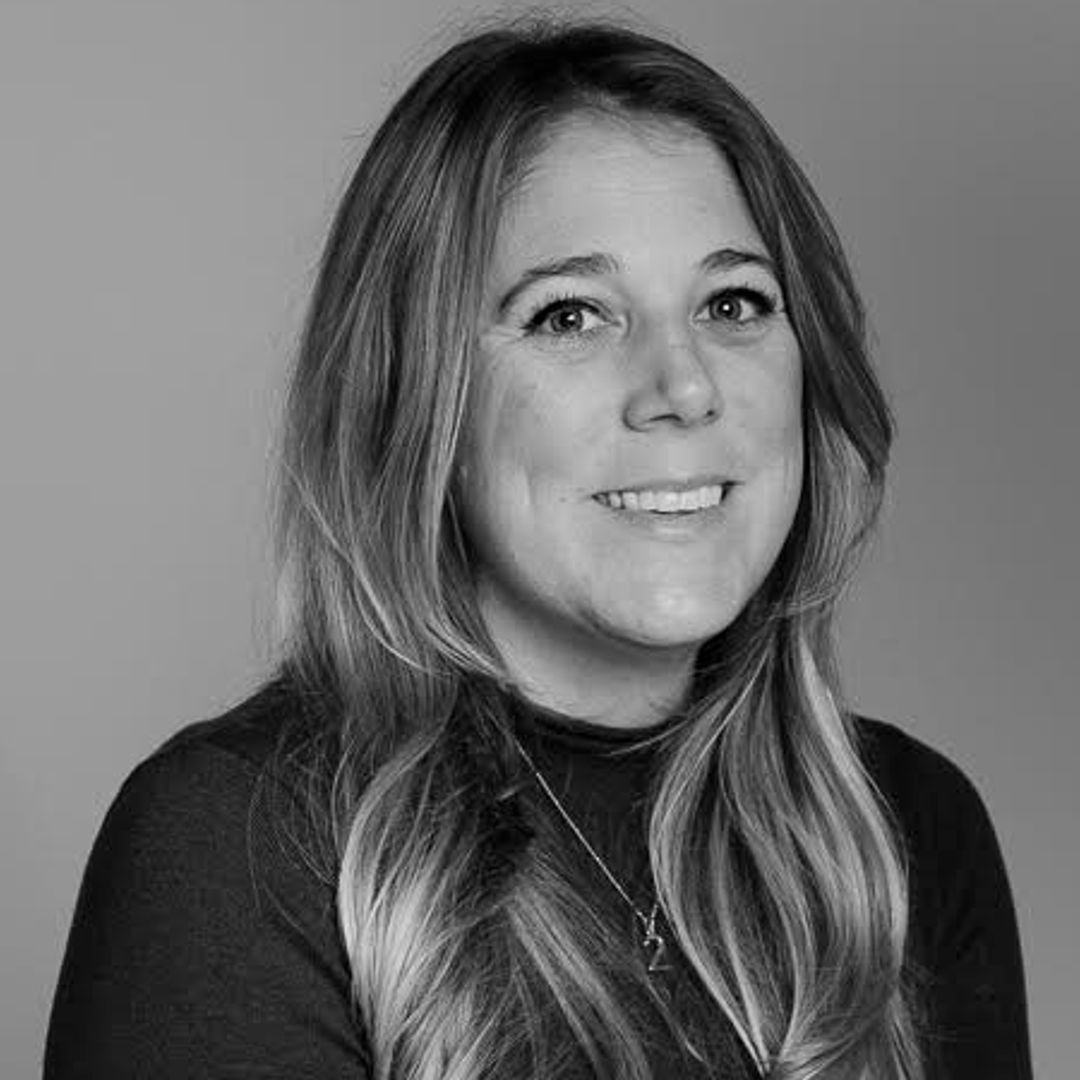
"I couldn’t disagree more with Serena's statement about GLP-1s being what her body needed after having kids," Hattie MacAndrews tells HELLO!. "After birth, the medicine my body needed was rest, time to heal, nourishing food, gentle movement and having a sense of community around me. Not a set of weighing scales. Motherhood is a time to unite and come together over the shared experiences, and I feel like Serena is letting us all down by joining in on this narrative that thinner is better, even when you've just given birth. As a new mum myself, I have never been more aware of my new, softer body shape and the way in which it affects my confidence and self-esteem."
Hattie feels Serena's comments simply add more pressure to an already highly pressurised period of life. "I would be lying if I said I haven't found this element of being post-partum hugely challenging. I have to remind myself, every day, that I have grown a life inside of me and this tiny little person needs me to survive. As a breastfeeding mother, this means I have to eat, nurture and nourish my body. Weight loss is absolutely not a priority, nor should it be for now. "
"Postpartum is such an incredibly delicate, fragile time and we're all just doing our best – so why can't the world leave us alone? Let us heal in peace, bond with our babies and adjust to this new way of life without feeling like we *need* to snap back into the smaller bodies we once lived in."
Lessening the stigma?
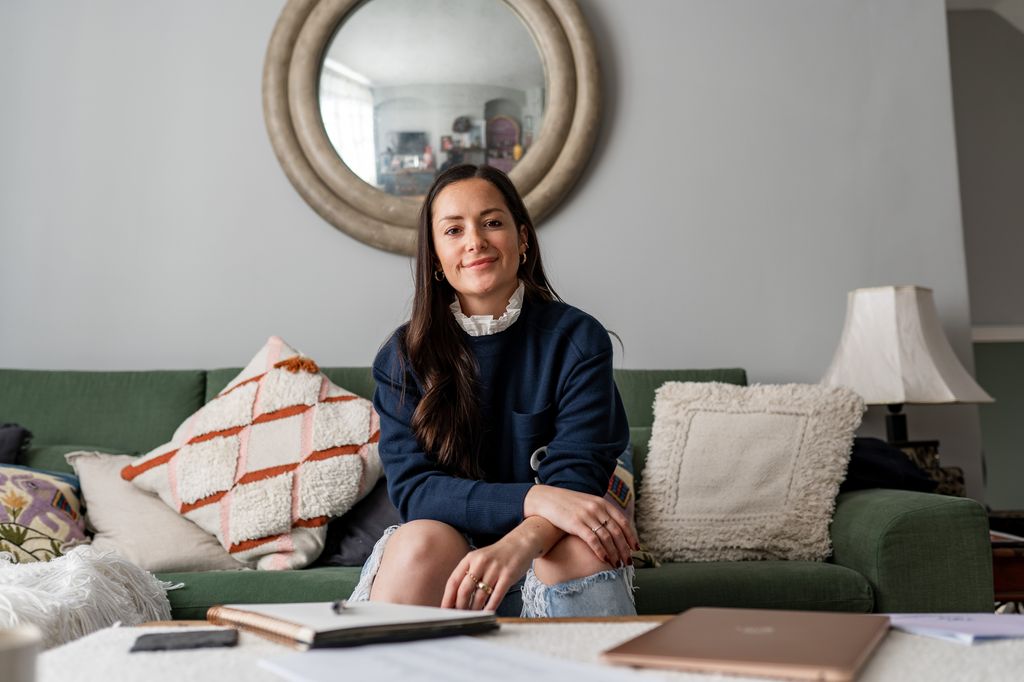
Personal trainer Sarah Campus, who specialises in post-partum fitness, can see both the upsides and downsides of Serena's "openness".
"[Her] decision could make some women feel reassured that even elite athletes sometimes need medical help," Sarah tells HELLO!. By sharing publicly her use of GLP-1 after kids, stating that it's what her own body 'needed' shows Serena's vulnerability and honesty, which actually can help break down stigma about postpartum challenges and medical interventions.
"However, this decision also has the potential to discourage many [women], making them feel discouraged by questioning why they may be struggling more with postpartum weight or if they 'should' also be needing medication to succeed.
Sarah also worries thatl Serena's revelation could create "unrealistic expectations for many postpartum women, especially if they assume that medication alone is the key to her recovery rather than actually her lifelong athletic foundation, resources, and coaching."
 © Instagram
'Not the whole truth'
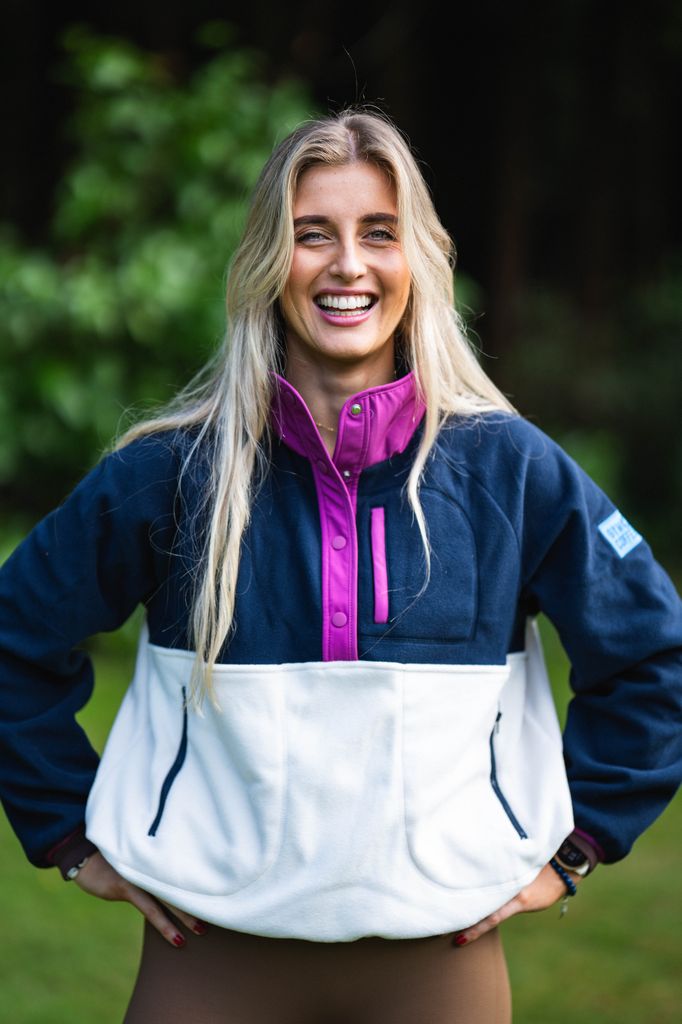
Personal trainer and mindset coach Chloe Thomas also fears that Serena's use of weight loss drugs will dishearten many postpartum women like Hattie.
"I know it can feel upsetting and even a bit unfair when you see someone like Serena Williams promoting GLP-1s. It almost sends the message that 'if even she needs it, what chance do I have?' I would remind my clients not to let that take away from their own journey. Serena's life is shaped by her sponsorships, brand deals, and decisions that don't reflect the real truth of what makes someone healthy, happy, or strong.
 © mark bass
"She will be getting paid a LOT of money to promote this so please remember what you see is not the whole truth. I would remind them that working on things on deeper than an injection could ever offer do will build resilience, willpower, learning to trust yourself and create habits that will serve you for life forever and that is the real win.
"A jab can't ever teach you self-love, it can’t build healthy habits, willpower and it can't give you the sense of pride you get from achieving these things yourself. Serena is a celebrity and tennis player, and she has a huge influence and is being paid for this. I would remind them they are on a healthy path that leads to freedom and to be proud because this is the kind of growth no ad can sell."
Frustration and sadness
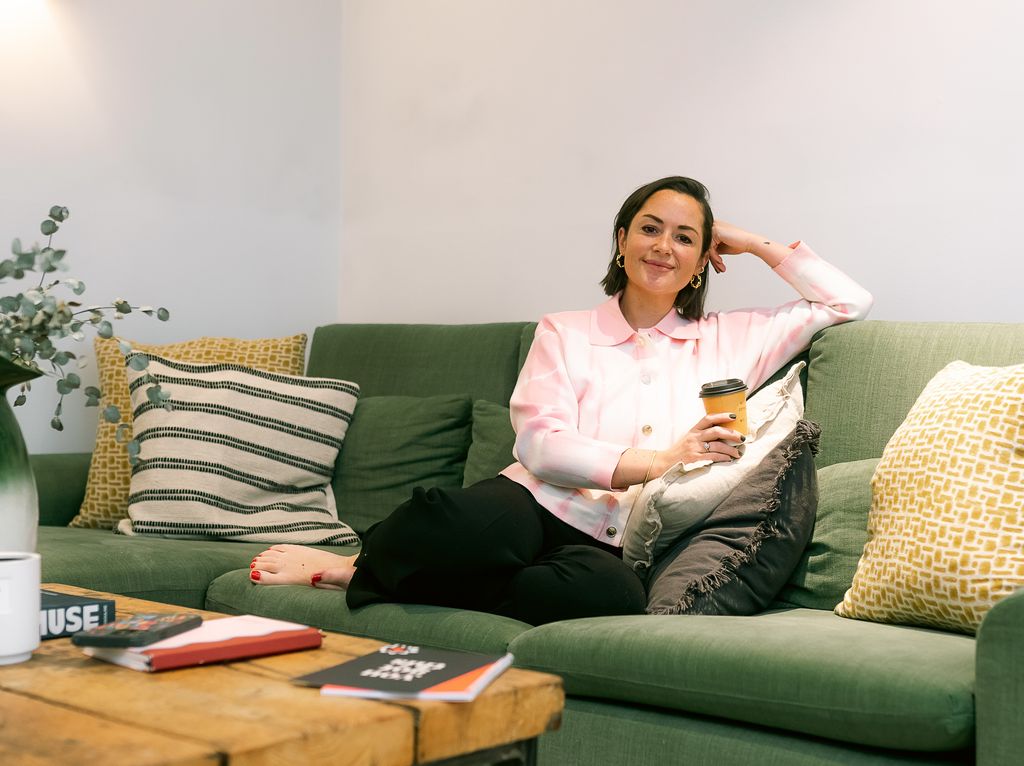
Hattie feels that Serena's use of GLP-1s is a sign that perhaps even "powerful" women like Serena find self-love a challenge in the harsh glare of the public spotlight.
"She is unquestionably one of the most talented, powerful women of our time – fitter, faster and stronger than 99% of the population. Yet despite her incredible success and accolades over the years, she too has in the end succumbed to the pressure to lose weight, believing that she's not good enough as she is. Her strong, athletic, healthy capable body is not good enough, if it's not thin enough.
"The use of GLP-1s has been normalised to such an extreme that no-one bats an eyelid at another influencer, celebrity or actress shrinking beyond recognition. But for an athlete like Serena, it hits harder.
"As a women's confidence coach, I have been delighted to see the movement of women moving towards becoming strong not skinny, taking ownership of their bodies (whatever shape or size) and generally moving away from the crazy restrictive 90s era – where 'heroin chic' was the goal.
"Serena had the potential to use her mighty voice in a way that could have done wonders for body confidence – encouraging young girls and budding athletes that they are so much more than their number on a scale. So in this sense, I feel saddened at this lost opportunity and that instead more pressure and noise has been added to such a noisy arena."