
Every time I go on Instagram recently, it seems I can’t escape ads for the newest wellness products promising everything from cortisol reduction and weight loss to anti-ageing. Their health claims are tempting, but when many of these products cost upwards of £30 for a month's supply, it would be very easy to spend a fortune on supplements and powders each month in the pursuit of wellness. But which of these are effective and which, if any, do we actually need?
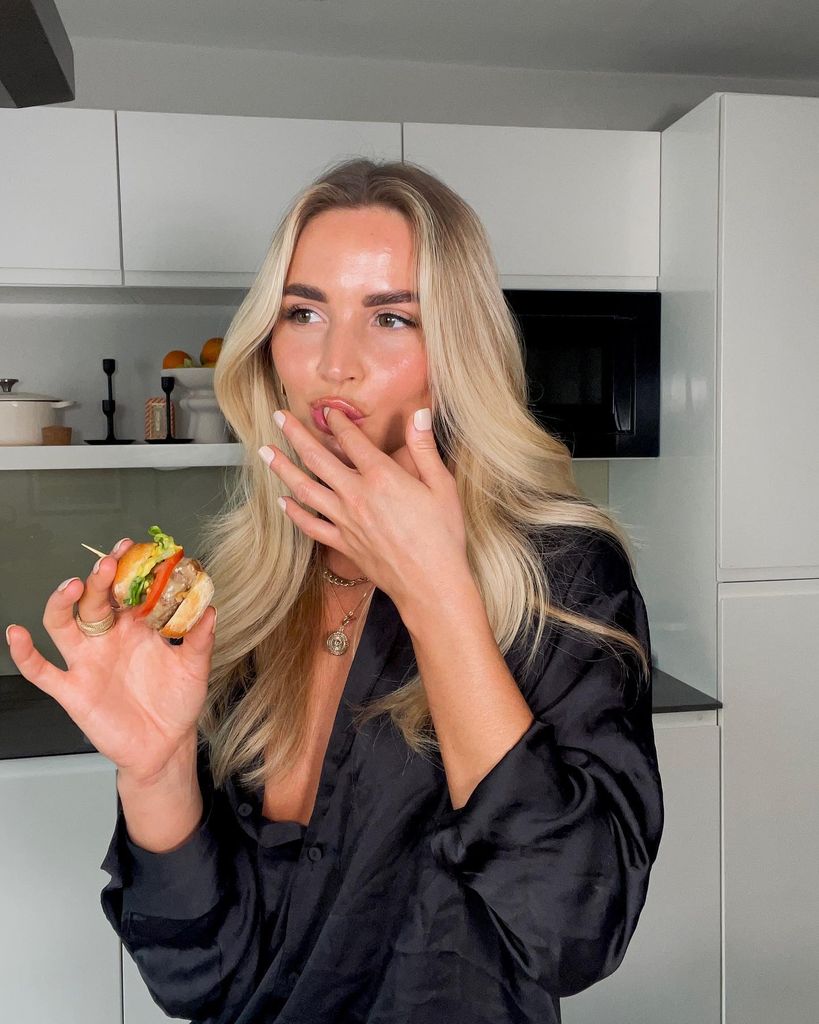
To clear up confusion, I asked one of the most recognisable faces on Instagram in this space, BSC-qualified nutritionist Emily English - aka Em the Nutritionist - to share her verdict on some of the biggest trends of the moment.
Electrolytes
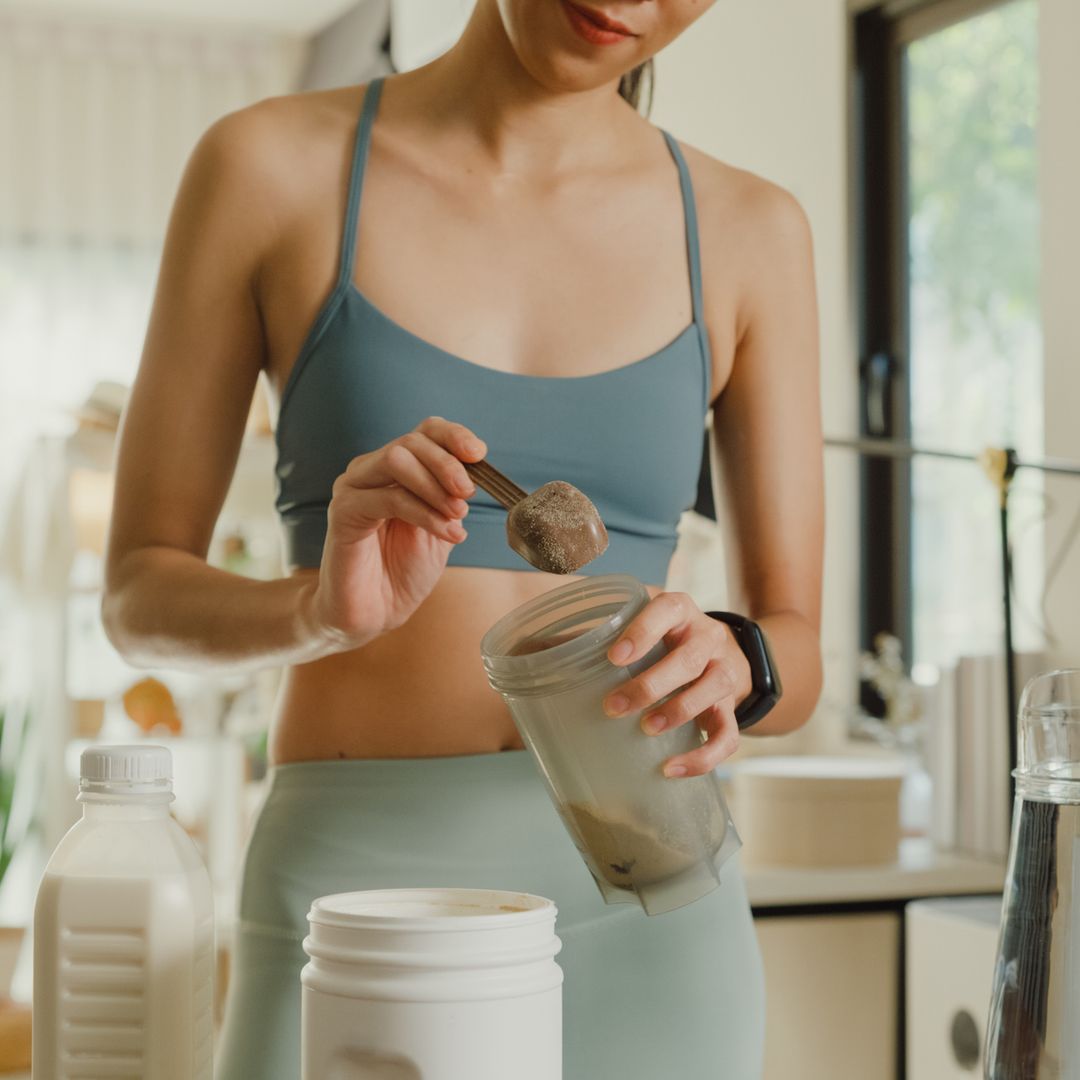
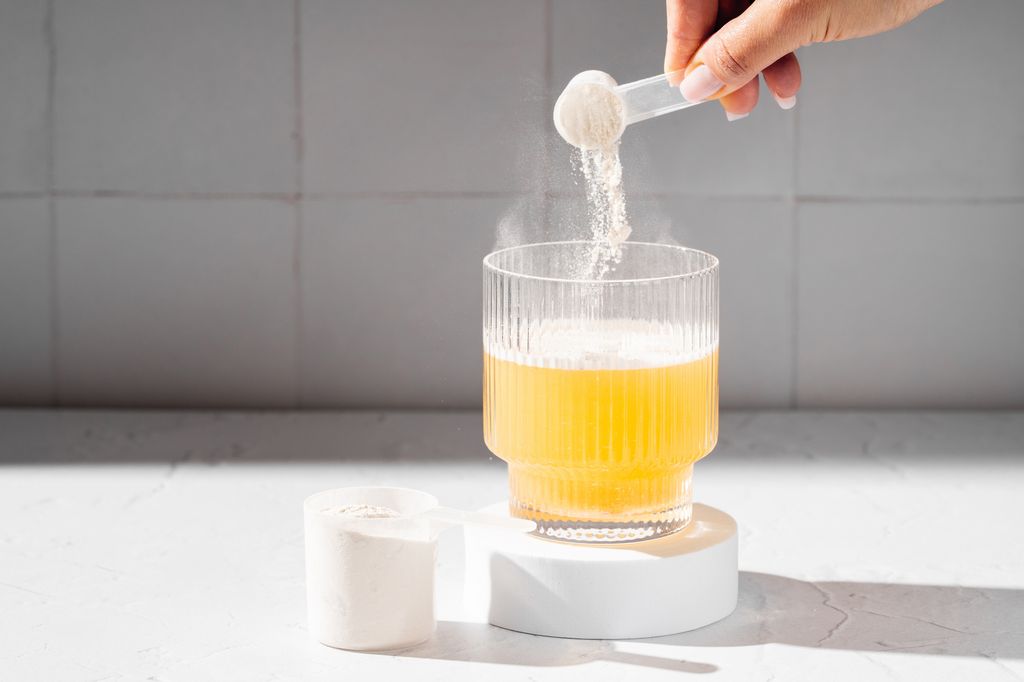
Electrolyte powders have seen a huge surge in popularity over the last year, with well-known wellness brands launching their own electrolyte products. But Emily says that although they can be helpful, they are not something we all need to be sipping on every day.
"Electrolytes can absolutely be useful, particularly after exercise when you’ve lost fluid and minerals through sweat. But they’re not something you need to be chugging every day, especially if you’re not exercising intensely," the nutritionist warns. "People often forget they’re high in sodium — I’ve seen clients drinking two a day without realising. Sugar-free versions can be a bit questionable in terms of additives. My advice: keep them for when they’re needed."
Cortisol-reducing drinks
 © Getty Images
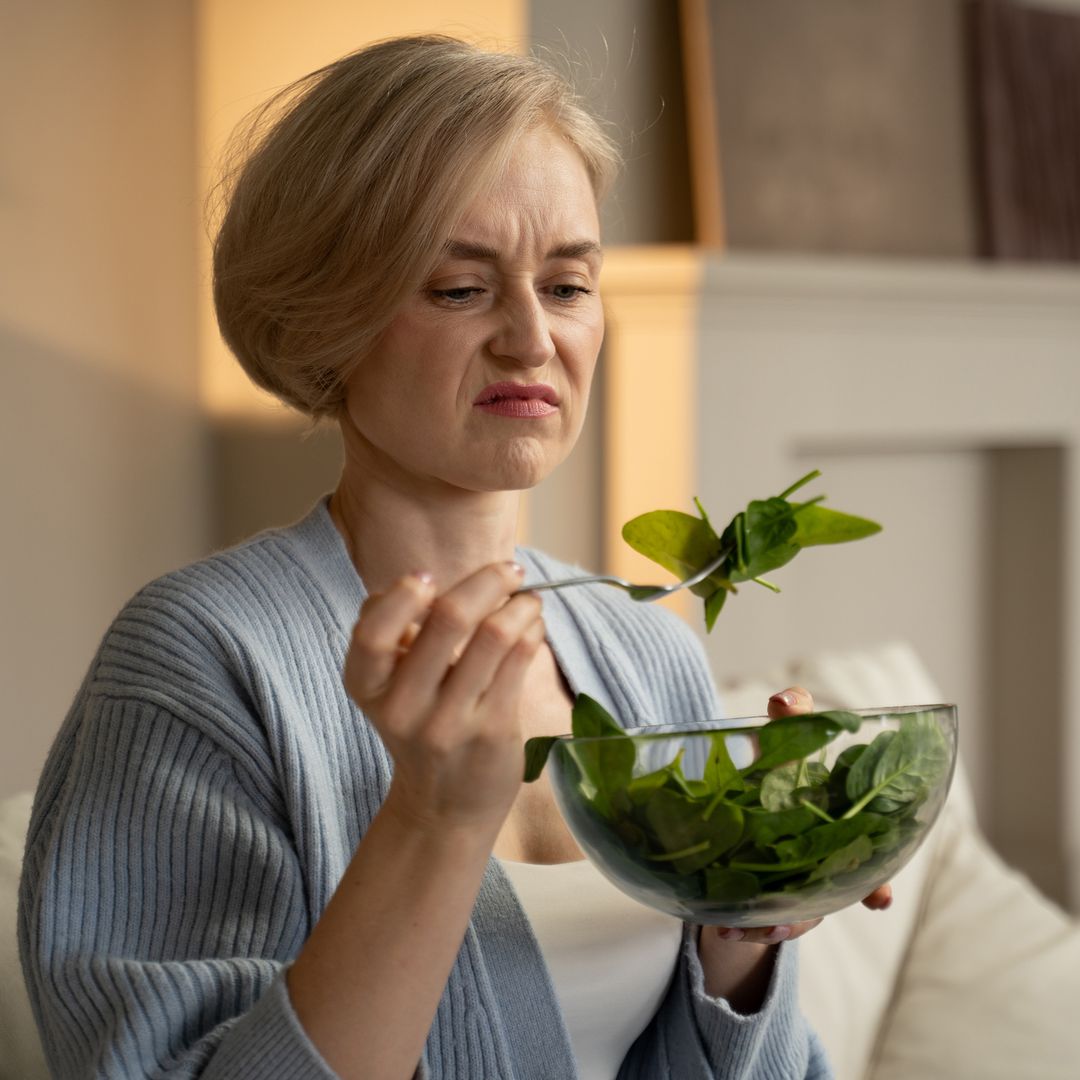
When you’re feeling stressed and rundown, the idea of a cortisol-reducing powder or drink can be tempting. Many of these products contain vitamins and minerals that support the nervous system and reduce tiredness, including magnesium, vitamin C and vitamin B6, but lifestyle changes can be equally effective, according to Emily.
"The best way to reduce cortisol doesn’t come in a can or bottle — it’s as simple as taking a few deep breaths. Breathing exercises, getting outside, and reducing stress load are free and incredibly effective. Drinks marketed for cortisol are rarely more powerful than lifestyle habits," the bestselling author says.
Adaptogens
Adaptogens are plants, herbs and mushroom-derived substances that help the body respond to stress, restore balance and support overall well-being, and are increasingly being used in lots of supplements and wellness products. Some ingredients you may have seen listed include Ashwagandha and L-Theanine. But do their benefits match up to the marketing claims?
"It’s an interesting space. Some adaptogens show promise, but the evidence is mixed," Emily says. "One of my personal favourites is L-theanine, which does have research behind it for promoting calm and focus. With adaptogens, it’s about experimenting safely and seeing what feels supportive for you, but they’re not essential."
Functional mushrooms
Functional mushroom products have become more mainstream in recent times, so much so that M&S have even launched their own Lion’s Mane mushroom powder, and there is an array of mushroom coffee products that are vying to take the place of your morning brew.
So what does the popular Instagram star make of this trend? "Often expensive, often hyped. They can be a nice swap for people trying to reduce caffeine, and there’s early research into their potential benefits, but we’re not at a place where they’re necessary. For me, they fall into the 'fun to try' category rather than a must-have," Emily says.
Bone broth
 © Getty
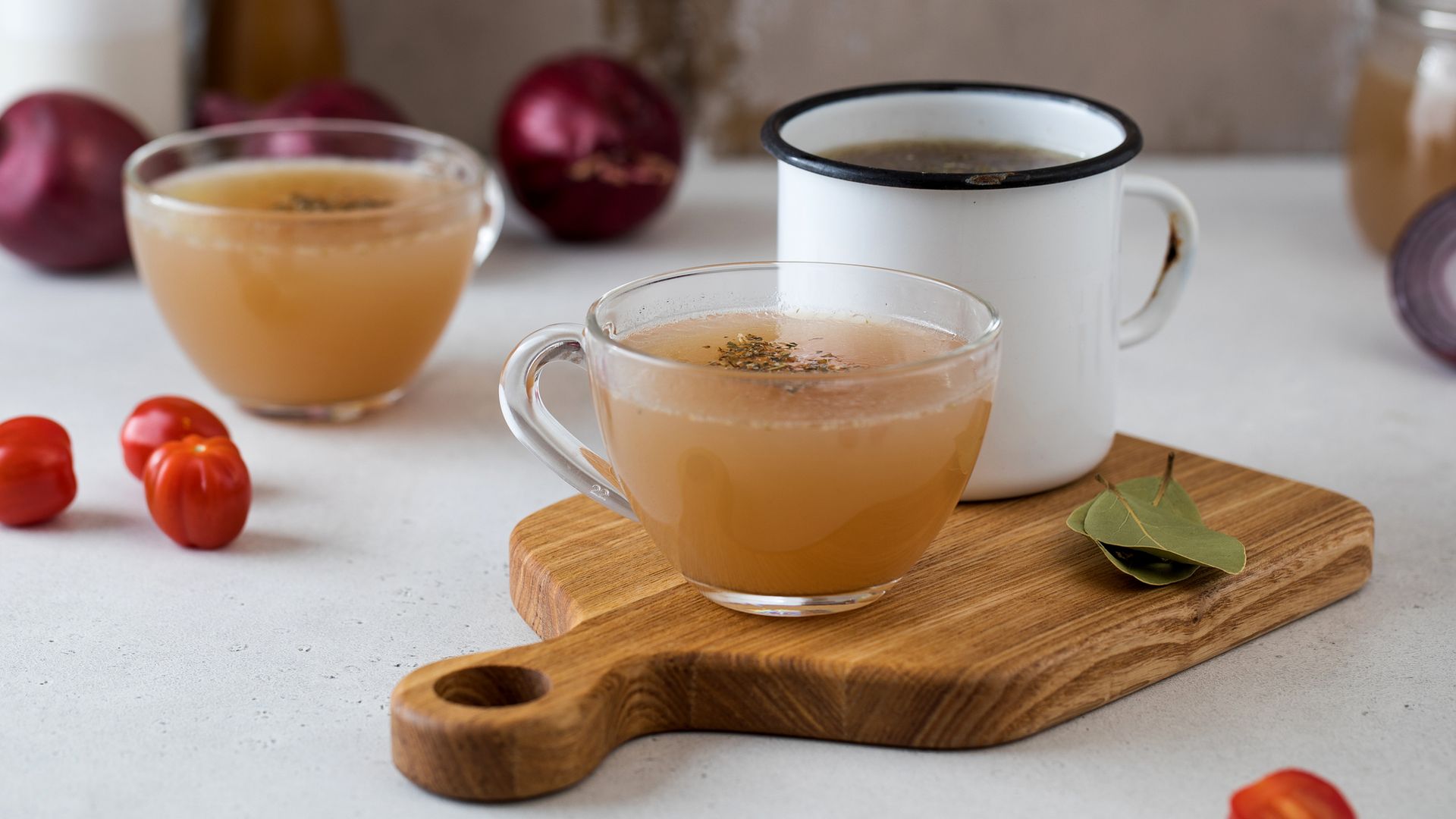
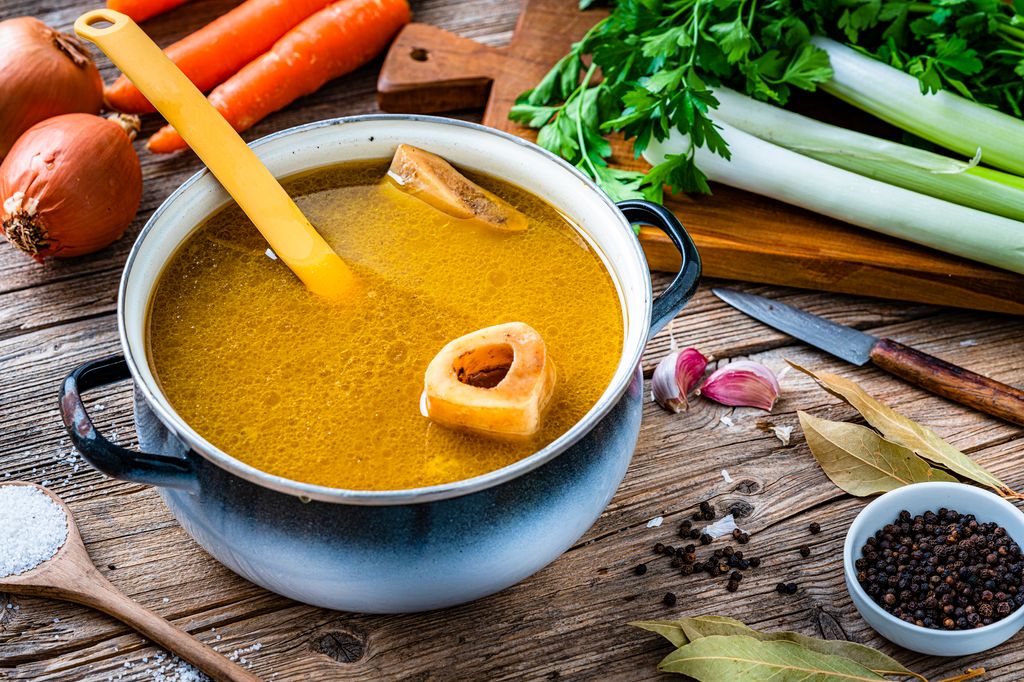
Bone broth has also seen a surge in popularity, and while there are lots of bone broth pouches, powders and even hot chocolate available to buy, this is something you can prepare very cheaply at home too. With promises of supporting gut health and improving hair, skin and nail health, is this something we should all be cooking with regularly?
"I do love bone broth and cook with it a lot. It’s a good source of collagen and glycine, which your gut barrier really appreciates," Emily explains. "That said, it’s not quite the nutrient powerhouse it’s sometimes made out to be. Think of it as a nourishing addition, not a cure-all."
Emily English is a BSc-qualified nutritionist and the founder of the renowned gut health supplement, Epetōme. Her cookbooks, So Good and Live to Eat, are available now.