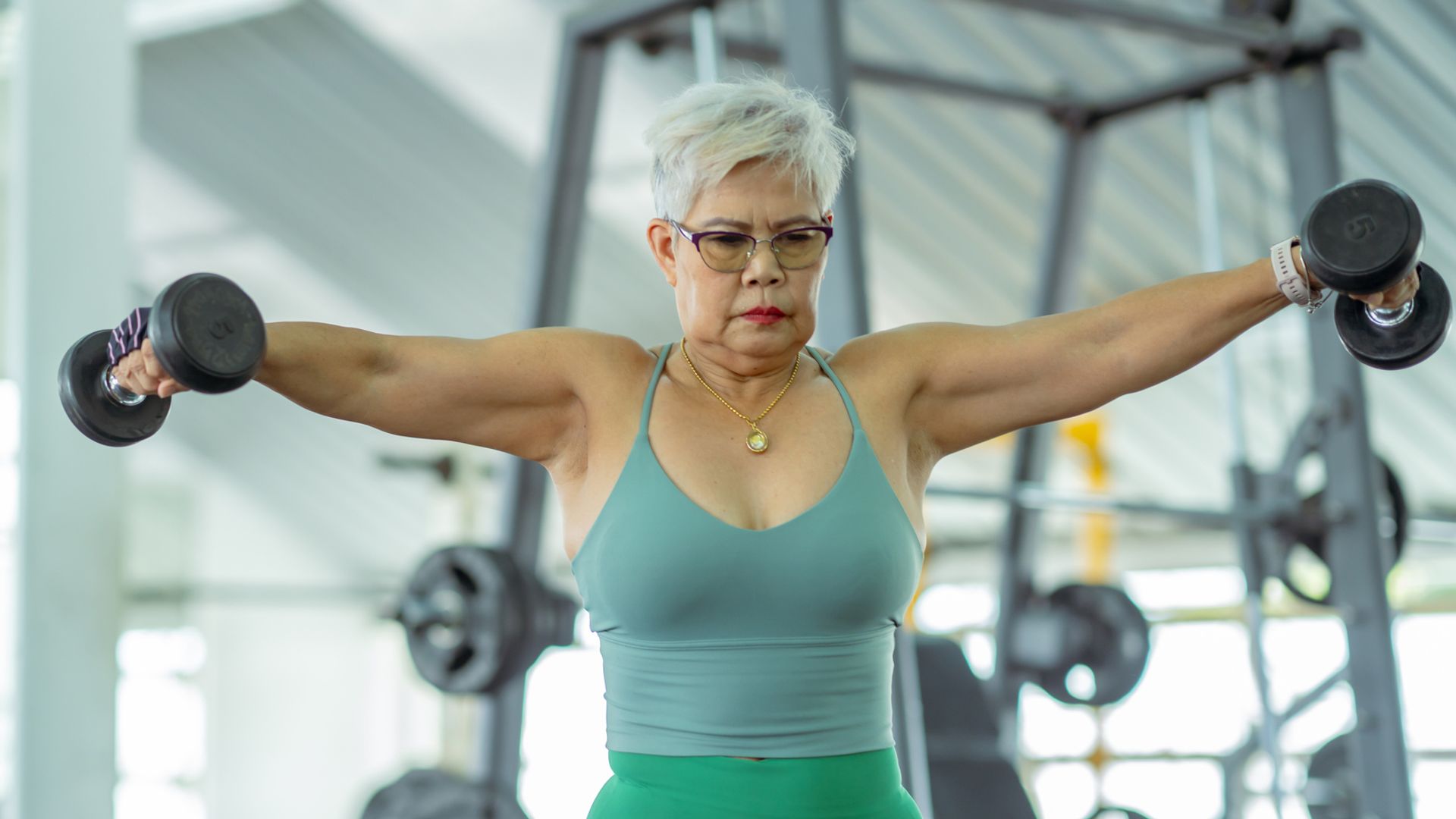

Strength training is a must during menopause, so more and more midlife women are hitting the gym or working out at home. If you've tried a muscle-building workout, from weights to pilates, you might be sticking to the strength exercises you've heard of or seen most often, and you might just assume they're all equally worthwhile and effective.
However, there are common exercises that can have the exact opposite effect that you'd want - and that can happen no matter what your age.
Experts at Madrid's FitGeneration fitness & nutrition academy warn that there are some moves that, far from offering benefits, could actually be damaging to your body, warning: "Sometimes, incorrect or ill-advised movements can compromise your joint and muscular health."
That's why the gym pros wanted to break down the worst strength exercises you may be trying that could actually be holding back your progress.
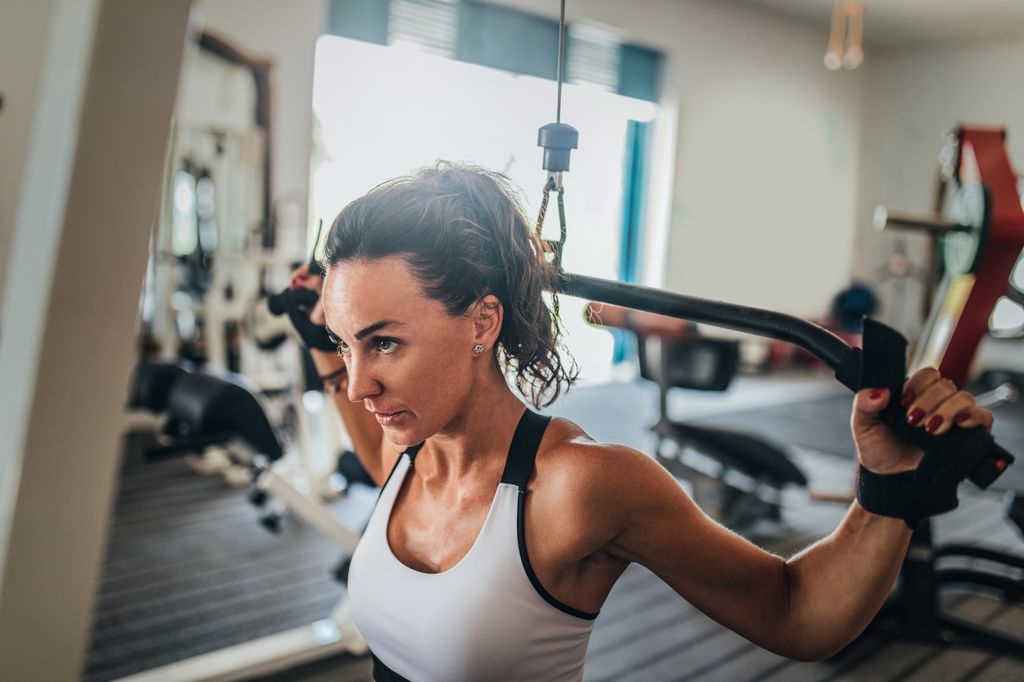
1. Behind-the-neck lat pulldown for your back
 © Getty Images
Let's start with one of the most common: the behind-the-neck lat pulldown - an exercise often used to work out the back. While this movement does activate muscles like the latissimus dorsi, it can compromise shoulder stability, significantly raising the risk of injury. This is because the position you're in forces the shoulders into an extreme external rotation, which isn't a natural movement for the joints.
Risks of the behind-the-neck lat pulldown:
- Excessive stress on the neck and shoulder muscles.
- Risk of joint injuries, particularly if you have previous joint issues.
- It's difficult to maintain the correct form, which increases the likelihood of pinching or muscle knots.
The back strength exercise to do instead:
Front lat pulldowns provide a much safer alternative. This exercise works the same muscles without compromising the natural position of the shoulders. What's more, it's easier to control and is ideal for both beginners and experienced gym-goers.
2. Dumbbell flyes for your chest
 © Getty Images
Although dumbbell flyes are popular for developing the pectoralis major (the chest muscle), the reality is that they aren't as effective as people might think. Many believe they offer a fantastic chest stretch, but studies have shown that the movement doesn't provide much significant extra stretch compared to other, more worthwhile exercises.
Potential problems:
- Needless strain on the elbows and shoulders.
- Risk of injury due to an excessive range of motion or lack of control.
- Low pectoral activation when compared to other exercises.
Try this chest strength exercise instead:
Cable crossovers will help to train your chest efficiently and safely. This exercise allows for far greater movement control, ensuring optimal muscle activation and preventing undue strain on sensitive joints.
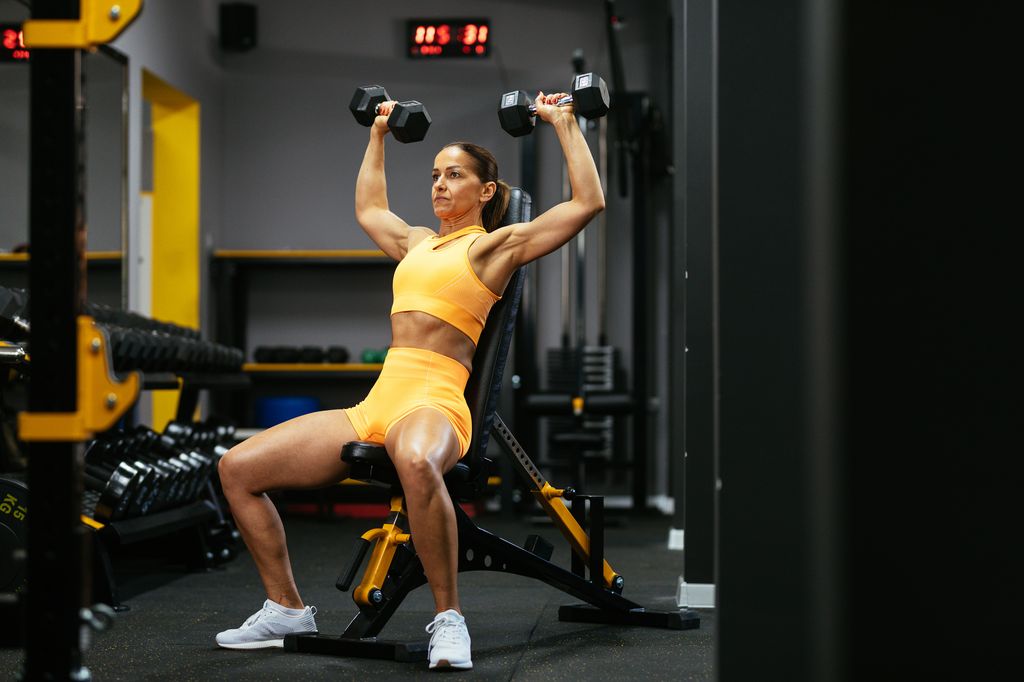
3. Arnold press
 © Getty Images
The Arnold Press, a tribute to the iconic bodybuilder Arnold Schwarzenegger, adds a rotational movement to a traditional shoulder press. But this extra motion doesn't generate any significant additional benefit and limits the weight you can lift, which decreases its overall effectiveness.
Why you may want to avoid the Arnold press:
- Additional movements without effective resistance.
- Use of lighter weights when compared to a traditional overhead press.
- Risk of postural misalignment if not executed with perfect technique or form.
Try this safe and traditional alternative:
The overhead press (or 'military press') is a far superior option for strengthening the shoulders. By enabling the use of heavier weights and maintaining simpler biomechanics, this exercise ensures more efficient and safer muscle development.
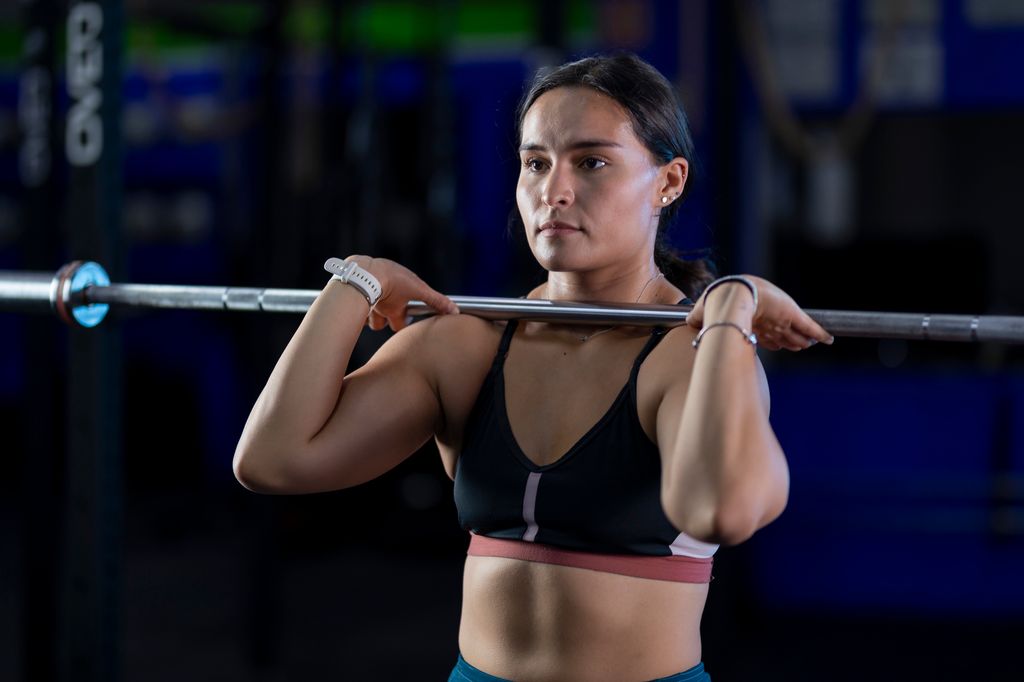
4. Narrow-grip upright row: A danger to your shoulders
 © Getty Images
This exercise is common for training the lateral deltoid and upper trapezius, but when performed with a narrow grip, it significantly increases the risk of subacromial impingement (the tendons being pinched). This problem occurs because the position forces the shoulders to rotate internally, creating damaging friction within the joint.
Try this safer alternative:
The wide-grip upright row reduces this risk by allowing the arms to rotate externally in a more natural way. This means you can effectively target your muscles without compromising the health of your shoulders.
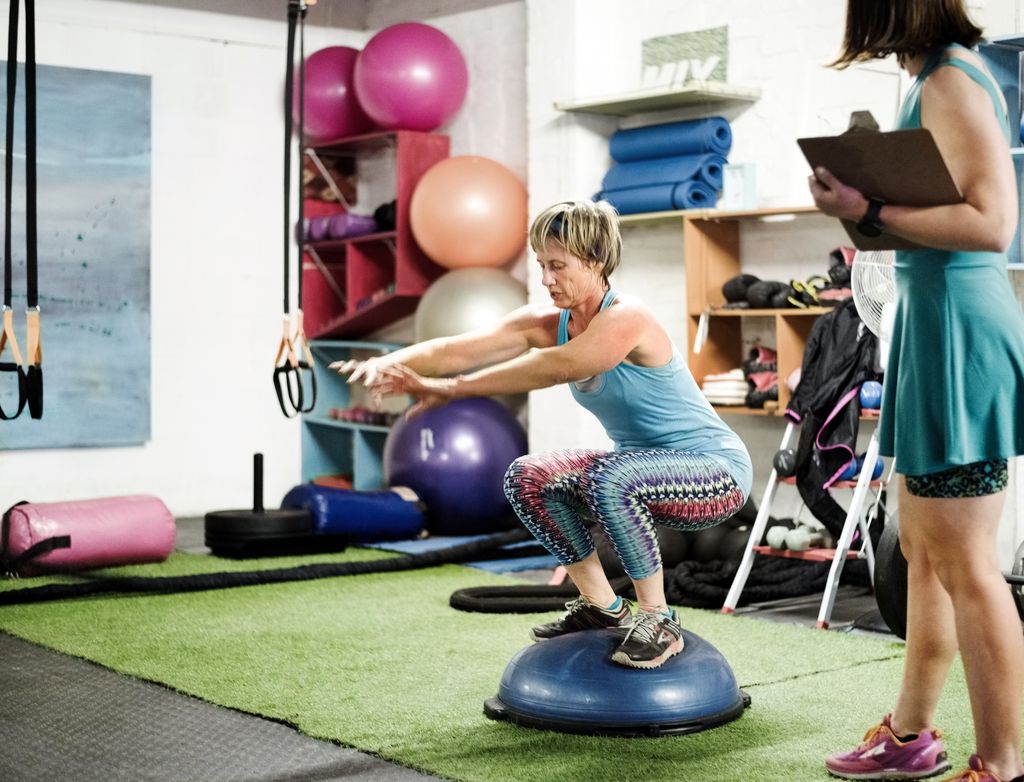
5. Bosu ball exercises: Low stability, lower results
 © Getty
The Bosu ball is promoted as a tool to challenge stability, but its usefulness is limited if you're looking to gain strength or muscle mass. By performing exercises on an unstable surface, your ability to apply progressive overload and work muscles in isolation is significantly reduced.
The Bosu ball can be useful, though, for functional training or improving balance. Still, it's not ideal if you want muscle hypertrophy (growth) or sheer strength gains.
Try this stable alternative:
Opt to perform your exercises on firm surfaces, such as the floor or a bench. This will allow you to focus the tension squarely on the target muscles for more consistent progress.
General tips for a safe and effective strength workout
You've probably performed some of these exercises with the aim of training your body more effectively. However, as the experts at FitGeneration have pointed out, they can pose a serious risk to your health. That's why the team have provided some recommendations for a safe and effective workout:
- Continuously check your technique. Many injuries occur because of incorrect movements or poor form.
- Prioritise quality over quantity. It's better to perform fewer repetitions with good technique than more with errors.
- Consult a professional. A qualified personal trainer can help you adjust your routine and avoid unnecessary or risky exercises.
- Listen to your body. If you feel discomfort or pain, stop the exercise and look for alternatives.
Training smarter doesn't just improve your results; it also ensures you can enjoy a healthier workout routine in the long run.