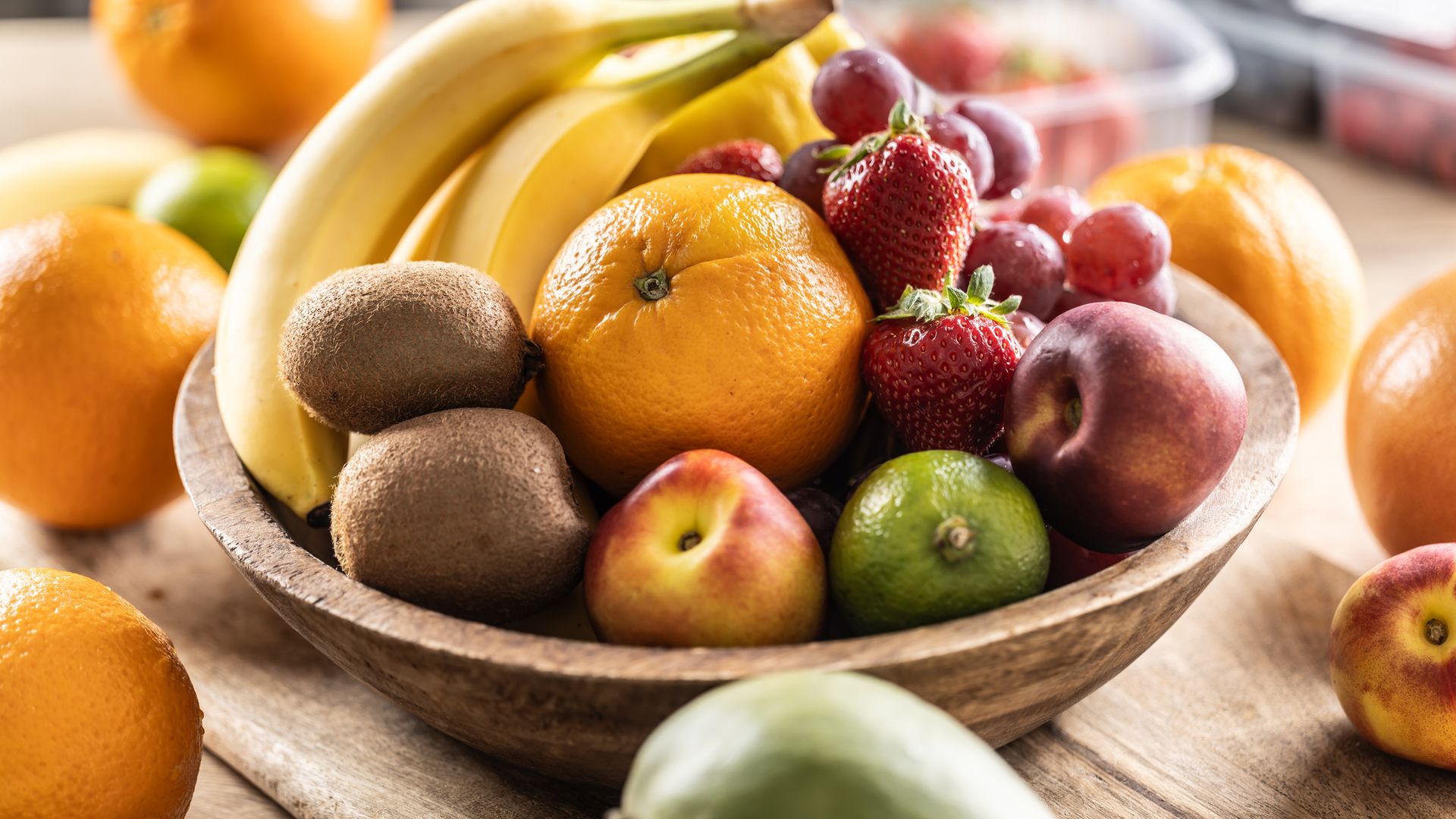

Fruit flies are never a welcome addition to the kitchen. Though they're most prominent during the hottest months, their irritating presence often persists well into the late summer and early autumn, when they continue to appear out of nowhere, feast on any food you leave out of the fridge and hover ominously around your worktops, no matter how aggressively you try to get rid of them.
Fortunately, there are many fast and effective ways that you can banish fruit flies for good from your kitchen, without using any unnecessary toxic chemicals or specialist equipment. At the same time, you can also take some preventative measures to keep the foul creatures out of your kitchen for good, and get to enjoy your fruit yourself.
What causes fruit flies to appear?
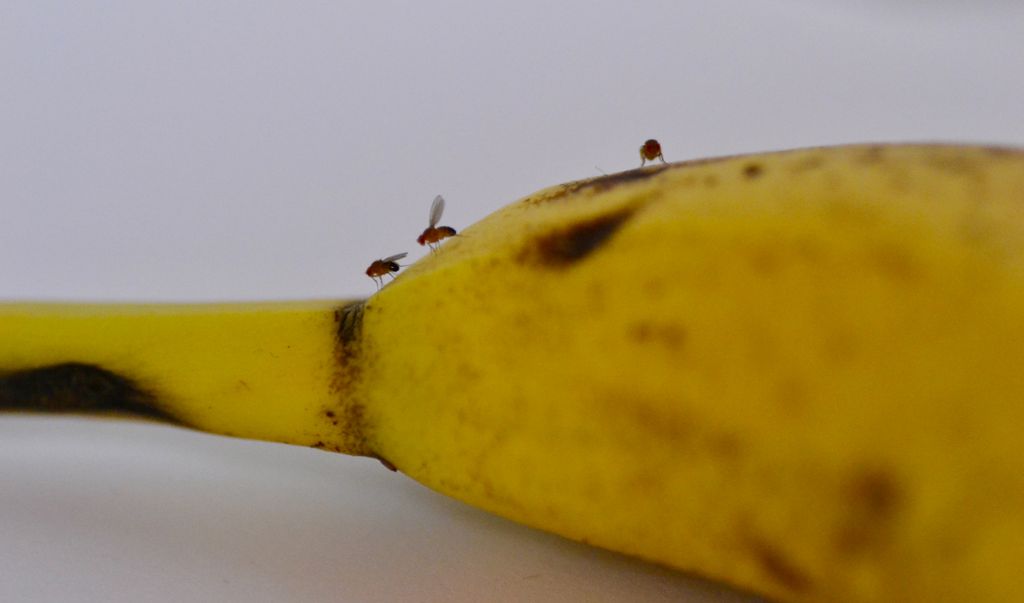
According to pest control expert Darren Backhouse, a partner at MJ Backhouse Pest Control, fruit flies appear "when there's rotting fruit, as their name suggests, but can also be attracted to sugary or alcoholic drinks like other insects are".

He points out that they usually get into your home through open windows, but can also lay eggs on fresh fruits and vegetables that we buy from the market or supermarket. They have a short lifespan, and become fully grown within a week – given that each female fruit fly can lay up to 500 eggs at a time, it can quickly spiral out of control.
Where do fruit flies lay eggs?
Darren explains that the female fruit flies "can lay their eggs on fruit and vegetables, but also in drains and rubbish bins," in which they're also often able to find the food and moisture that they need in order to survive.
Are fruit flies harmful?
Though they're undeniably a nuisance, fruit flies don't explicitly pose any health risks on their own, but they do often signal the need for a deep clean in the affected area. The pest control expert says: "They're not known to cause harm as such but can be a risk to food through the spread of bacteria."
How do you get rid of fruit flies?
As it would take a very long time for the pesky insects to go away on their own, it's often best to take action as soon as you can. Darren says: "If you've spotted a lot of fruit flies in your kitchen, make sure you clear out any old fruit and veg, empty rubbish bins and keep surfaces clear of spills. If the problem seems to be coming from your drains, using a drain cleaner can also help to kill eggs."
You can also buy premade fruit fly traps, or go for the DIY route using store cupboard ingredients. Simply place a bowl of apple cider vinegar on your worktop and add three drops of washing up liquid, then leave it uncovered – the flies will be attracted to the smell of the vinegar, but should sink and drown thanks to the washing up liquid. It takes less than a minute to put together, and is incredibly effective!
How do you prevent fruit flies?
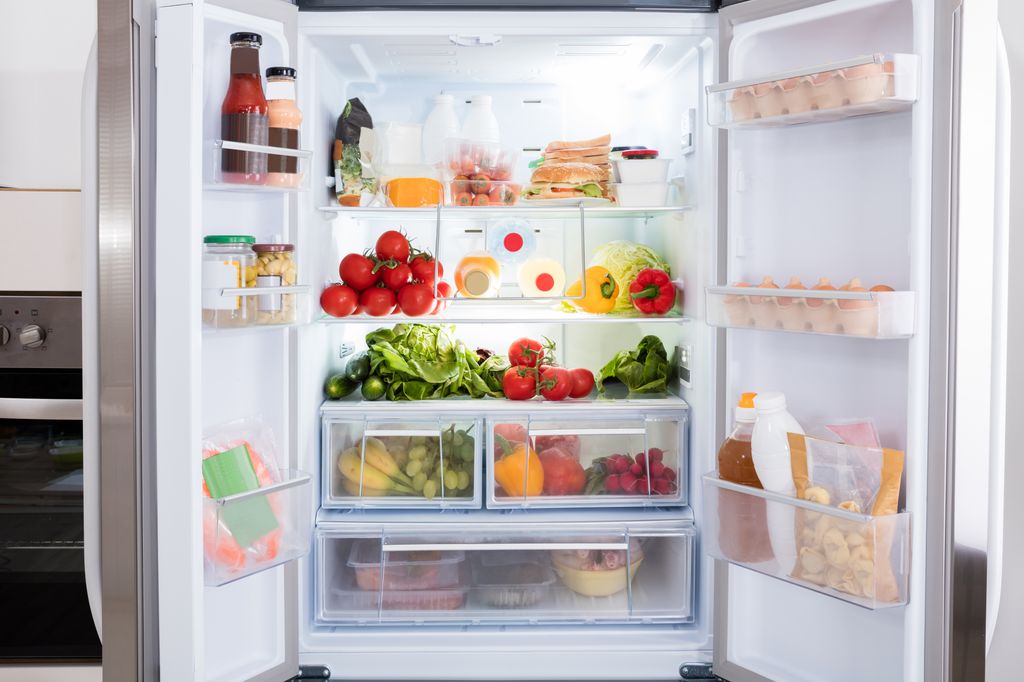
Darren concludes: "Good hygiene practices are the most effective prevention method. Store your fresh fruits and veg in the fridge or in sealed containers, keep the kitchen clean and don't let rubbish pile up. If fruit flies are more prominent on the warmer days or when you have the windows and doors open, fly screens can also be helpful to prevent them from getting in."