Trooping the Colour is always one of the major highlights of the royal calendar. The spectacular showcase of musical and military precision has been a firm fixture for over 260 days and serves as an official birthday celebration for the reigning British monarch.
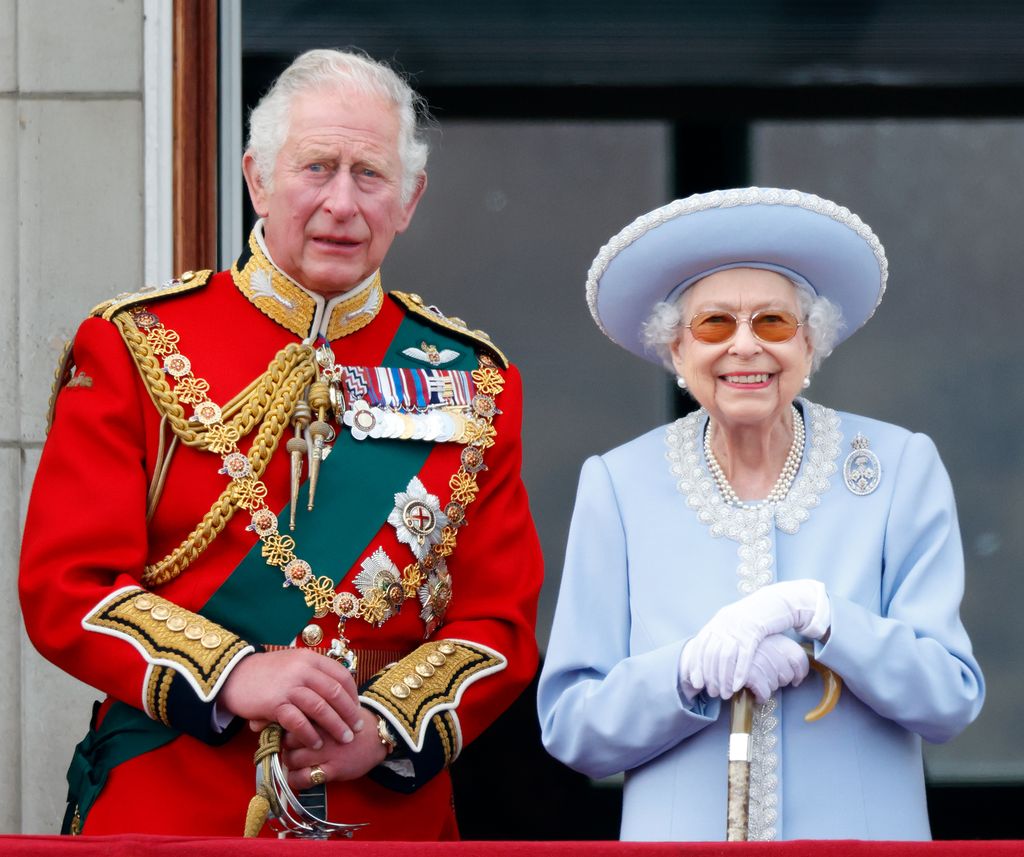
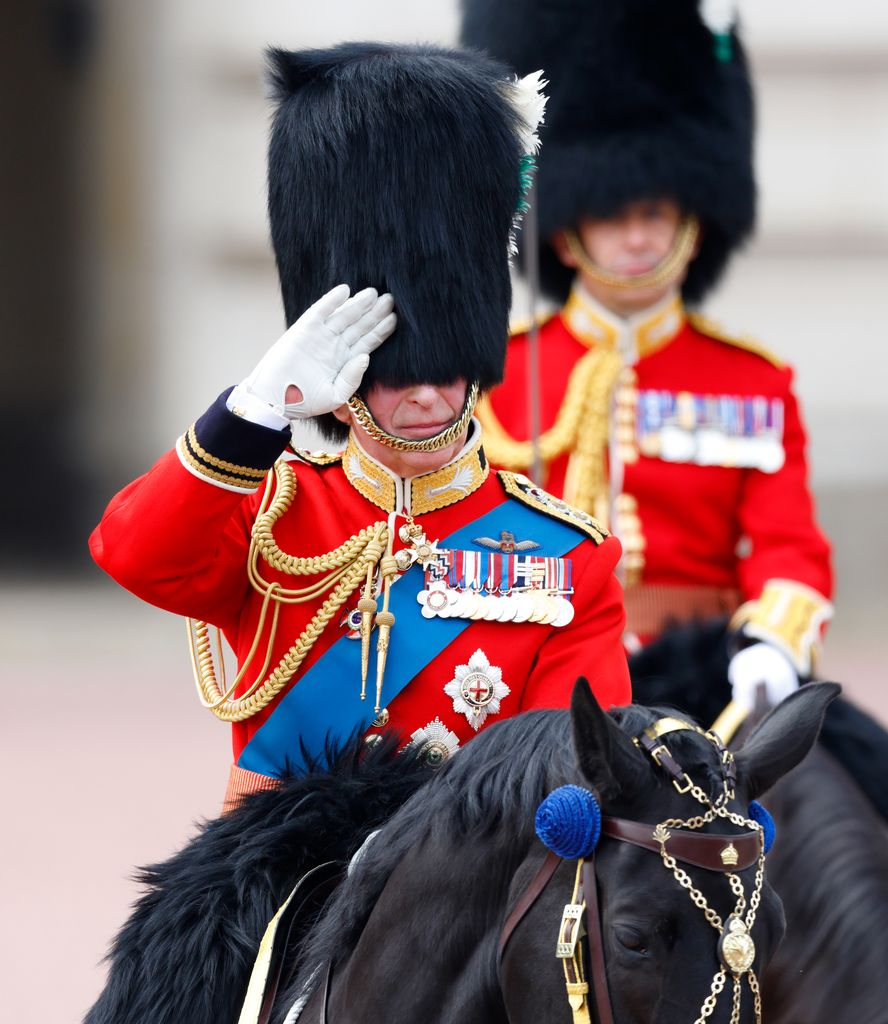
King Charles often wears the colours of the Royal Air Force, having served with the air force in 1971 and becoming a fully qualified helicopter pilot in 1974. The King served in the military during the 1970s, retiring in 1976; however, he has kept a close relationship with the RAF and holds the highest titles in the regiment.
In 2012, his mother bestowed upon him the highest possible rank for all three forces, making him a Field Marshal, an Admiral of the Fleet and a Marshal of the Royal Air Force.
 © Getty Images
Although the King never saw active military service, unlike his younger brother Prince Andrew and son Prince Harry, he still wears medals, although these reflect his lack of combat experience.
What are King Charles' medals?
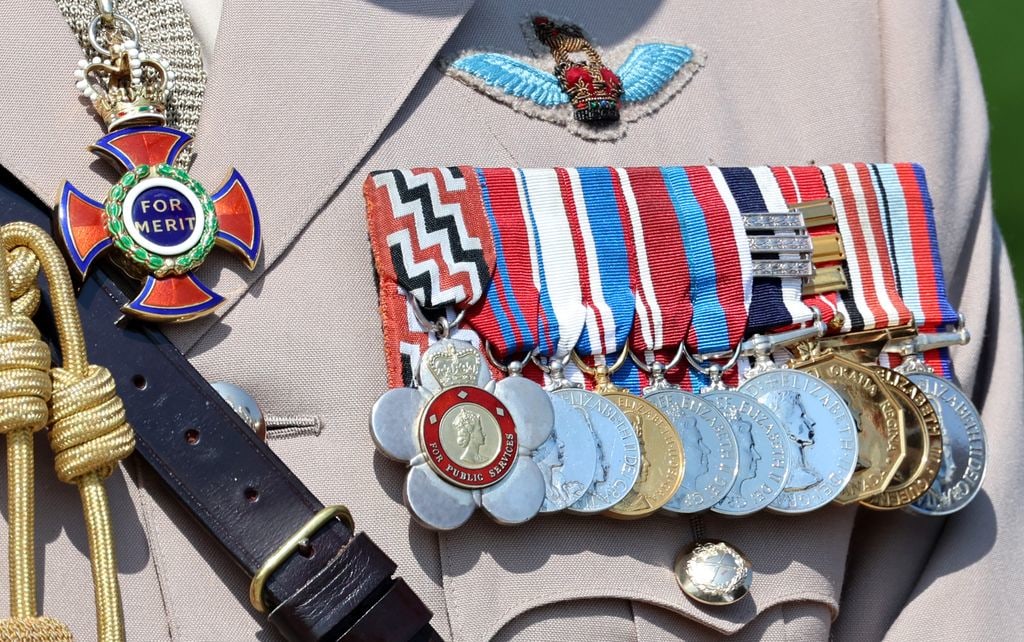
Charles has 11 medals on his uniform. The majority of the monarch's medals represent historic milestones of the British monarchy. These medals are arranged in chronological order:
- The Queen Elizabeth II Coronation Medal (1953): This was awarded to a young Prince Charles to mark his mother's ascension to the throne.
- The Silver Jubilee Medal (1977): Celebrating 25 years of Queen Elizabeth II's reign.
- The Golden Jubilee Medal (2002): Celebrating the late queen's 50-year milestone.
- The Diamond Jubilee Medal (2012): Celebrating her 60-year milestone
- The Platinum Jubilee Medal (2022): Celebrating her 70-year milestone
- The King Charles III Coronation Medal (2023): Marking King Charles' own coronation.
King Charles also displays a medal commemorating his formal military training and his honorary ranks within the British Armed Forces:
 © Max Mumby/Indigo
- Naval Long Service and Good Conduct Medal: Awarded to officers who have achieved at least 15 years of exemplary service, this medal highlights King Charles' time serving on various Royal Navy ships in the 1970s and qualified as a helicopter pilot.
As the head of the Commonwealth, King Charles also wears several medals awarded by member nations to commemorate his special relationship with their respective armed forces.
- Canadian Forces Decoration (CD): This medal is awarded for 12 years of military service, and his features three gold service bars, marking over 40 years of dedication to the Canadian military.
- The New Zealand Commemorative Medal: Marks the 150th anniversary of the signing of the Treaty of Waitangi.
- New Zealand Armed Forces Award: Commemorating his service within the New Zealand military, where he holds senior honorary ranks.
- The King's Service Medal (formerly Queen's Service Medal): A special award recognising voluntary service to the community or public service to the Crown
What do the medals mean?
The Queen's Service Medal, now known as the King's Service Medal, is handed out for either community service or for public services. Meanwhile, the Coronation Medal is handed out for the coronation of a new monarch, with the Jubilee Medals coming for the relevant Jubilee celebrations.
The Naval Long Service Good Conduct is awarded to those who serve in the Royal Navy for at least ten years. The Canadian Forces Decoration is similarly handed out for long service, typically being awarded for 12 years' worth of service.
 © Chris Jackson
The King's New Zealand Commemorative Medal marks the 150th anniversary of the signing of the Treaty of Waitangi, and the monarch's siblings were also recipients of the medal, while the New Zealand Armed Forces Award is also awarded for long service.
In addition to the horizontal row of medals on his chest, you will always notice a large, ornate silver star pinned lower down on his uniform jacket called the Garter Star.
It marks his position as the Sovereign of the Most Noble Order of the Garter, which was established by King Edward III all the way back in 1348. It is the absolute oldest and highest order of chivalry in Great Britain.
King's military service
Like many senior members of the royal family, Charles completed military service during his youth. The then Prince of Wales completed his Royal Air Force training during his second year at Cambridge, being presented with his RAF wings in 1971.
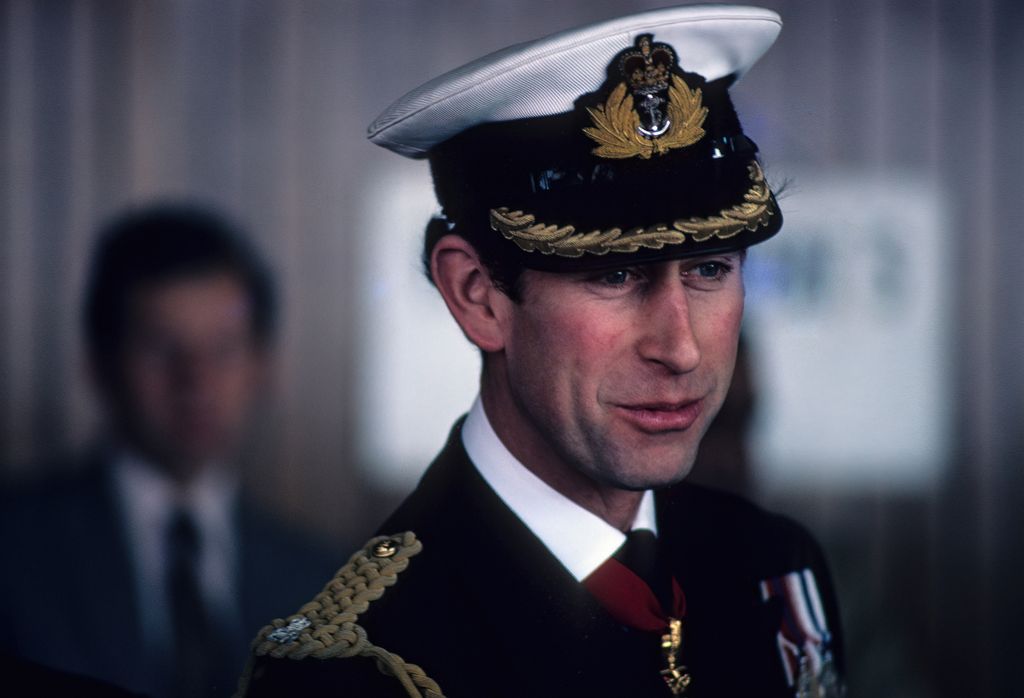 © Princess Diana Museum
He also trained with the Royal Navy, serving on the HMS Norfolk, HMS Minerva, HMS Jupiter and the HMS Hermes. His final ten months of service saw him as a commander on the HMS Bronington, a coastal minehunter.
Through his military service, Charles is also a fully qualified helicopter pilot and also trained with the Parachute Regiment in 1977.