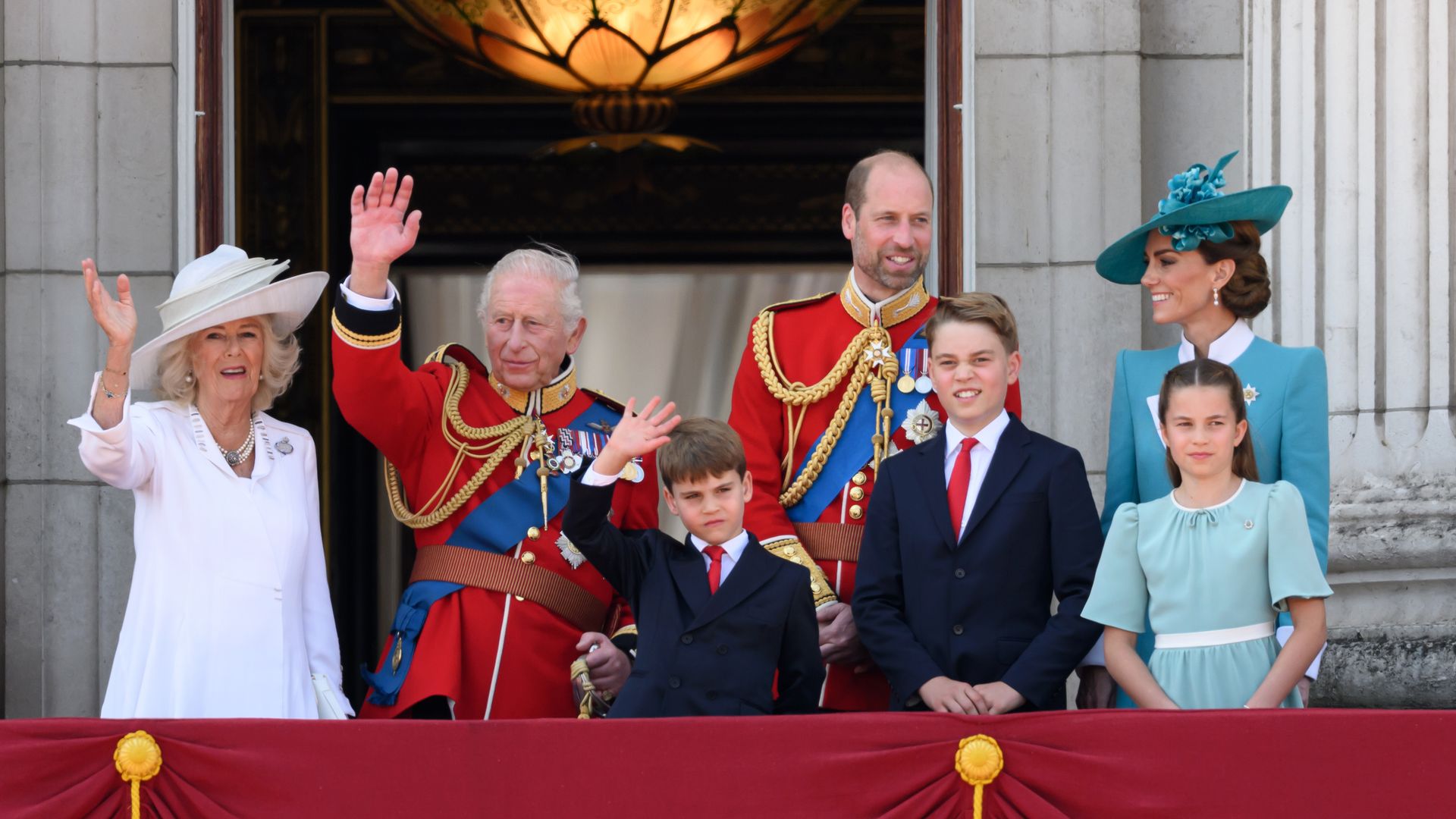

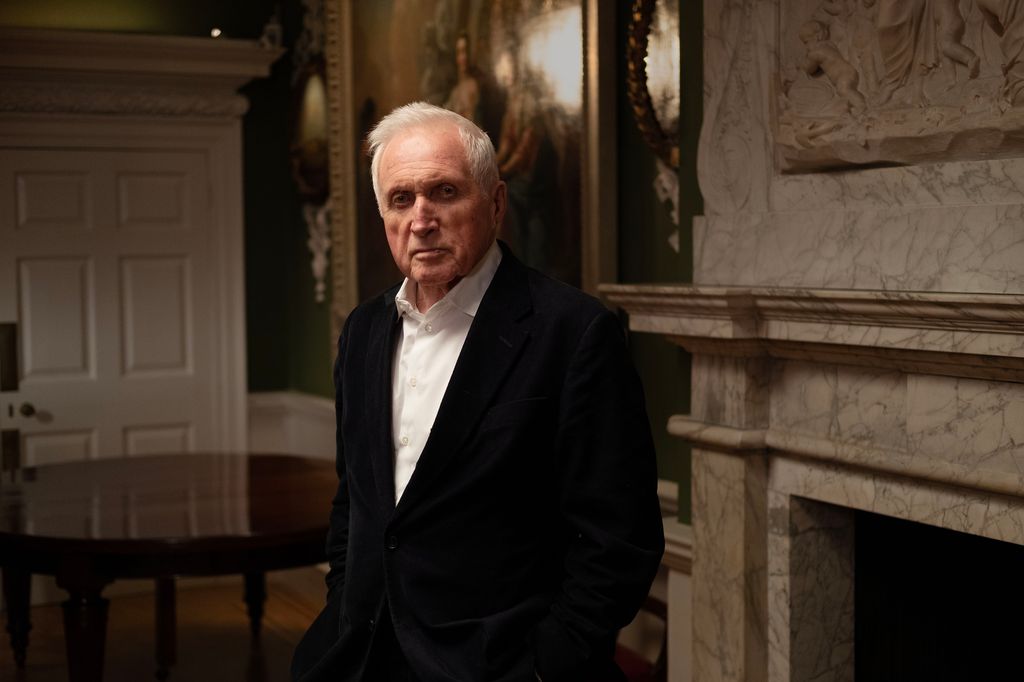
David Dimbleby stars in new BBC series, What's the Monarchy for?, in which he questions the role and power of the sovereign. The former Question Time host has spent much of his career commentating on the royal family, but for the past two years he has dedicated his time to making this monarchy-focused three-part documentary.
Dimbleby admits that the BBC are "royal ringmasters" – helping the monarchy display itself as it wants to be seen. He references the "mysticism about monarchy" and that that is what he's fascinated by; it's what most royal watchers are fascinated by, I would say.
But he also asks, "What role is there for our unelected head of state? Or more bluntly, what is the point of the monarchy? What does the monarchy serve for?" He goes as far as to compare the sovereign to the wizard in The Wizard of Oz – a character who has no real power but hides behind an illusion of greatness.
The late Queen Elizabeth II herself said: "No institution should expect to be free from the scrutiny of those who give it their loyalty and support, not to mention those who don't."
What power does the King really have?
From a cinematic point of view, I loved watching the archival footage and hearing Dimbleby narrate historical events and react to them. He interviews historians, palace press officers, government advisors, anti-monarchy campaign group Republic, and politicians from Tory minister Jacob Rees-Mogg to former Prime Minister David Cameron.
He gathers different opinions as he asks quite bluntly, "What's a King for?" (He toyed with calling the series this).
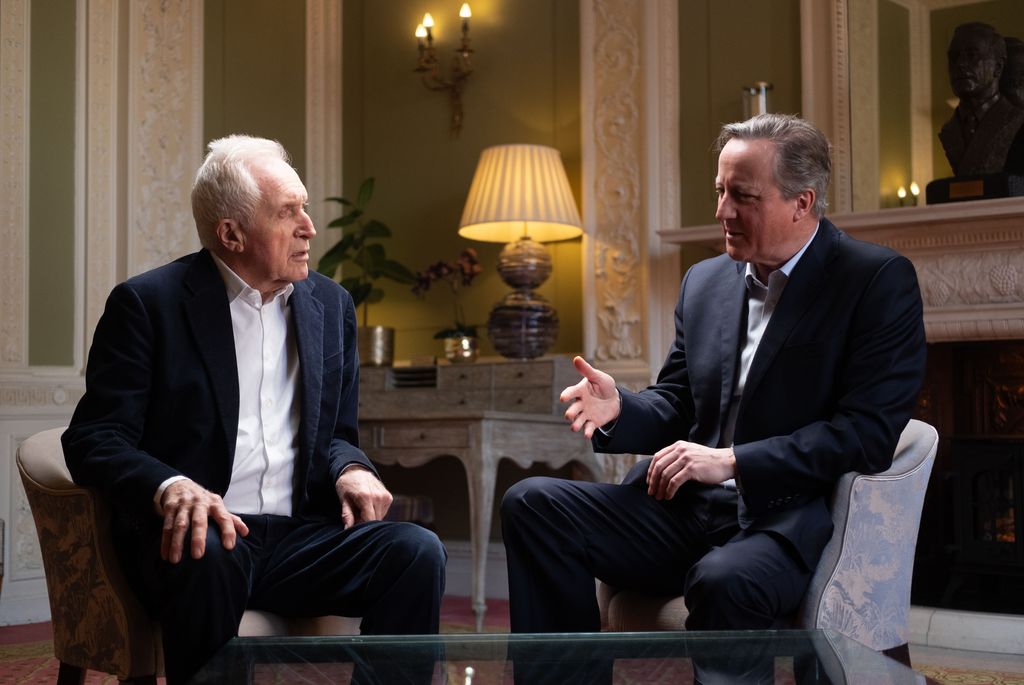 © BBC/The Garden TV
He asks what real tangible power does the monarch have with regard to government and explores cases, such as the time Charles' private letters to government ministers and Prime Minister Tony Blair were made public, to prove if, in fact, the then Prince of Wales was lobbying politicians. The conclusion was that he wasn't but Dimbleby makes a point: Charles may not have been able to influence government policy but he was determined to do so if he could. After all, letters from a royal – sealed with a crest – would go to the top of a government minister's pile.
Similarly, it would be naive to think that a Prime Minister's weekly audiences with the monarch would have no effect or influence on government policy.
But when push comes to shove, it's the government that calls the shots. Dimbleby explores the 2019 proroguing of parliament, when the late Queen Elizabeth II succumbed to Boris Johnson's pressure. The Supreme Court later ruled the prorogation unlawful, obviously not a good look for Her Late Majesty.
So Dimbleby asks, how much power did the Queen really have? What was the point of asking her opinion if she didn't really have a say? She was intrinsically woven into politics, but also apart from it.
 © BBC
© BBCThe royal family's "soft power"
But where the sovereign may not have real legislative power, he or she makes up for it in "soft power". The monarchy is a powerful government tool. The royal family is called on to undertake overseas tours and state visits at the behest of government.
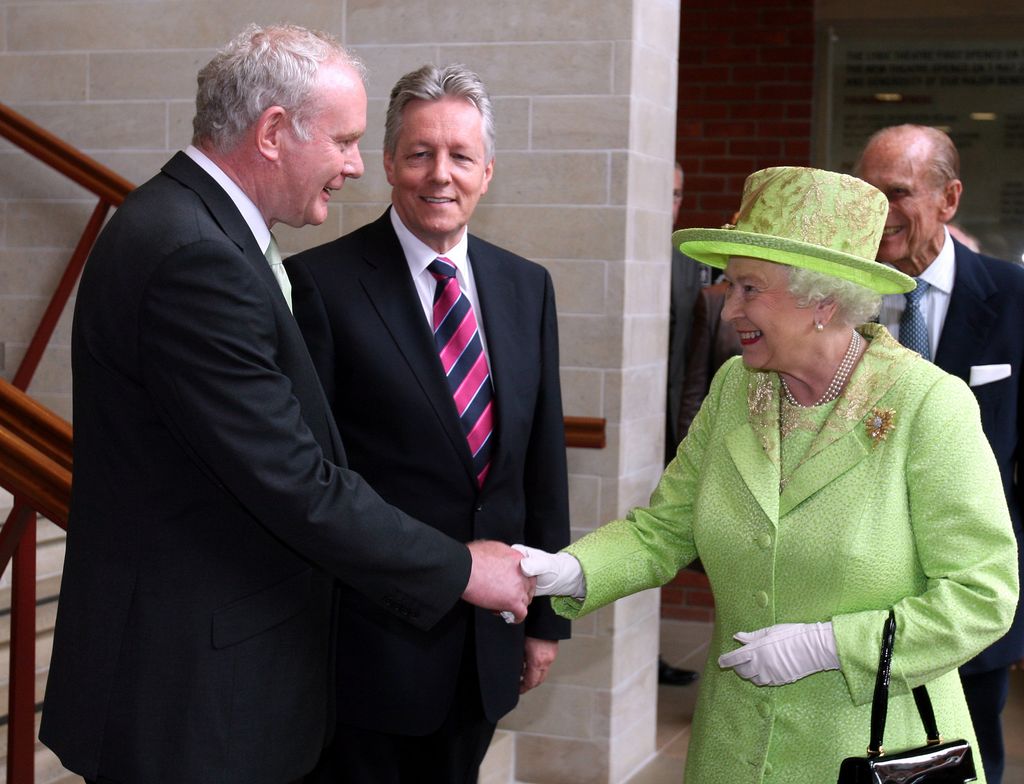
Her Late Majesty had to entertain people like Zimbabwe's Robert Mugabe and shake hands with ex-IRA leader Martin McGuinness (the IRA murdered her second cousin Lord Mountbatten in 1979). Not because she wanted to, but because she and the government understood the power of soft diplomacy.
 © Getty Images
Arguments against the monarchy
Given the title of the series, Dimbleby points out that not everybody buys into the mystique of the royal family. Republicanism is a minority, but it is a growing cause. One interviewee states that there is "something deeply irrational" that allows a person (the monarch), because of their birth – not merit nor talent – to have incredible influence and impact on the way we are governed, through weekly meetings with the prime minister.
While this quote in particular from historian Anna Whitelock, a professor of the history of monarchy at City, University of London, stayed with me: "The only way the monarchy works is by everybody either being apathetic or feeling very affectionate towards it. If those bonds are broken, there really is no purpose or point of monarchy."
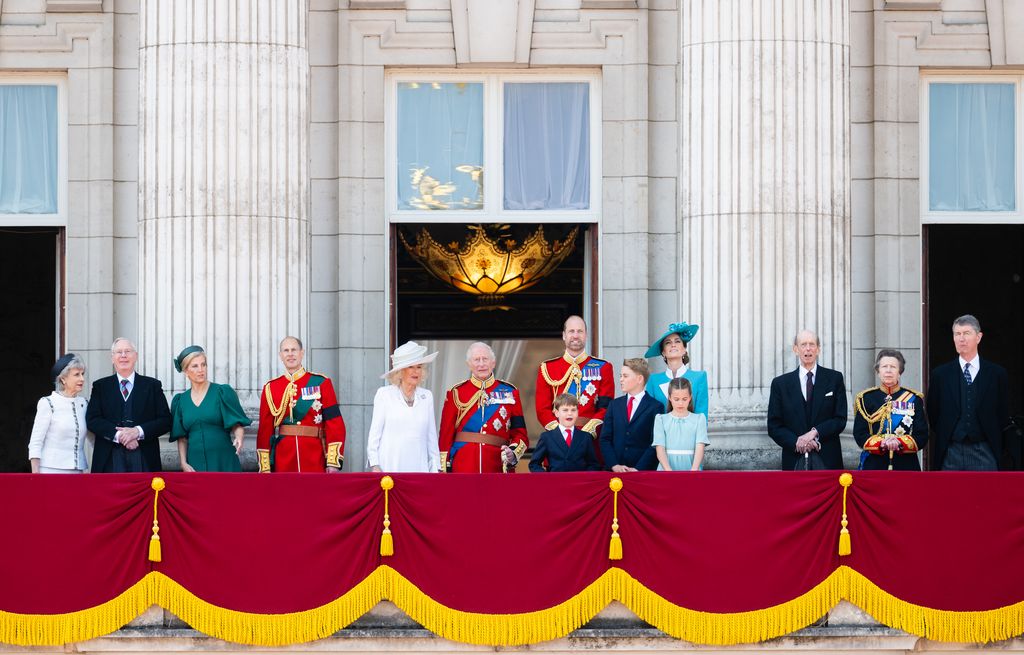 © Getty Images
What does the monarchy mean to you? What place does it have in our modern world? Vote in our poll and have your say on The HELLO! Royal Club, our online community for the most fervent royal fans where this post first appeared.
To read the full version, join the Club