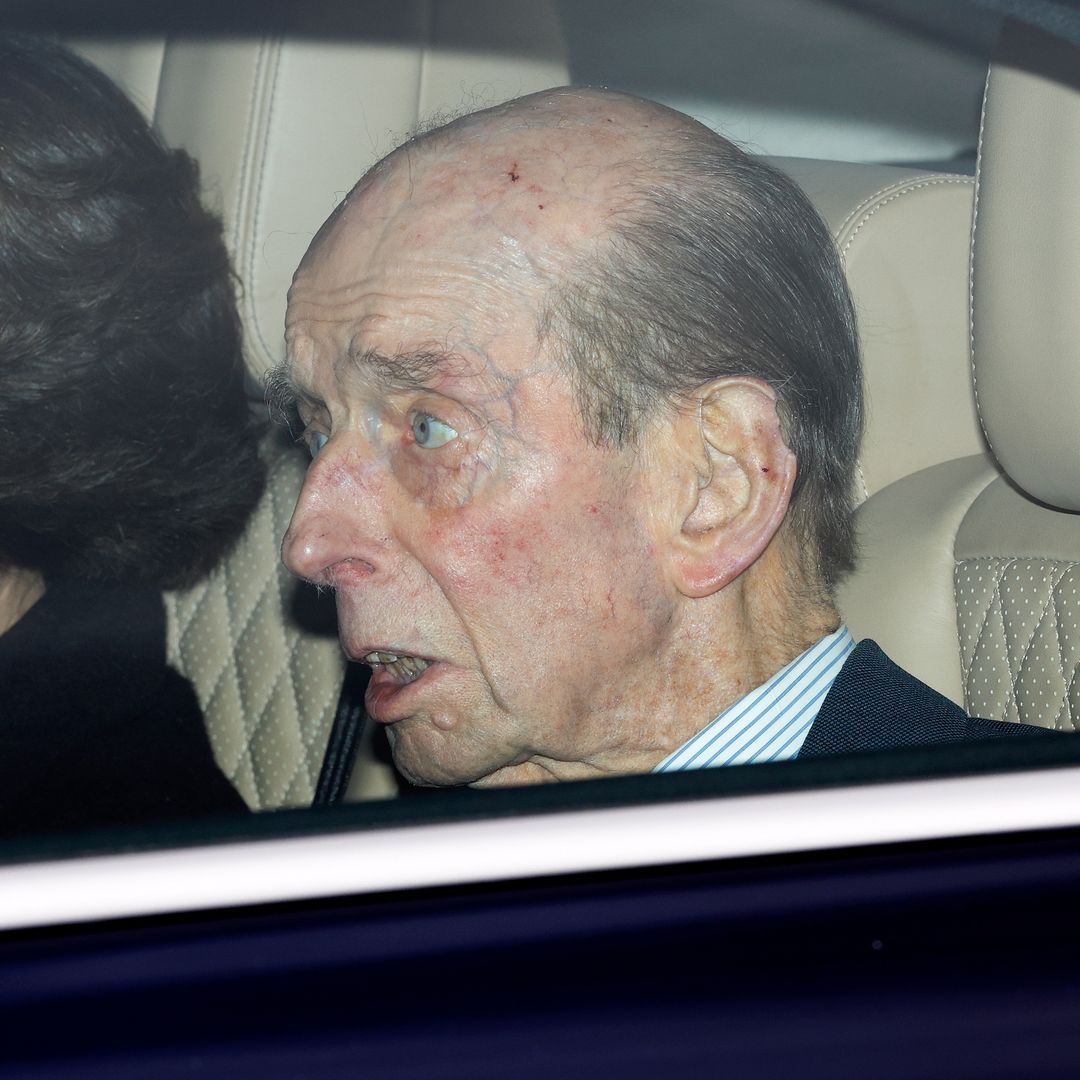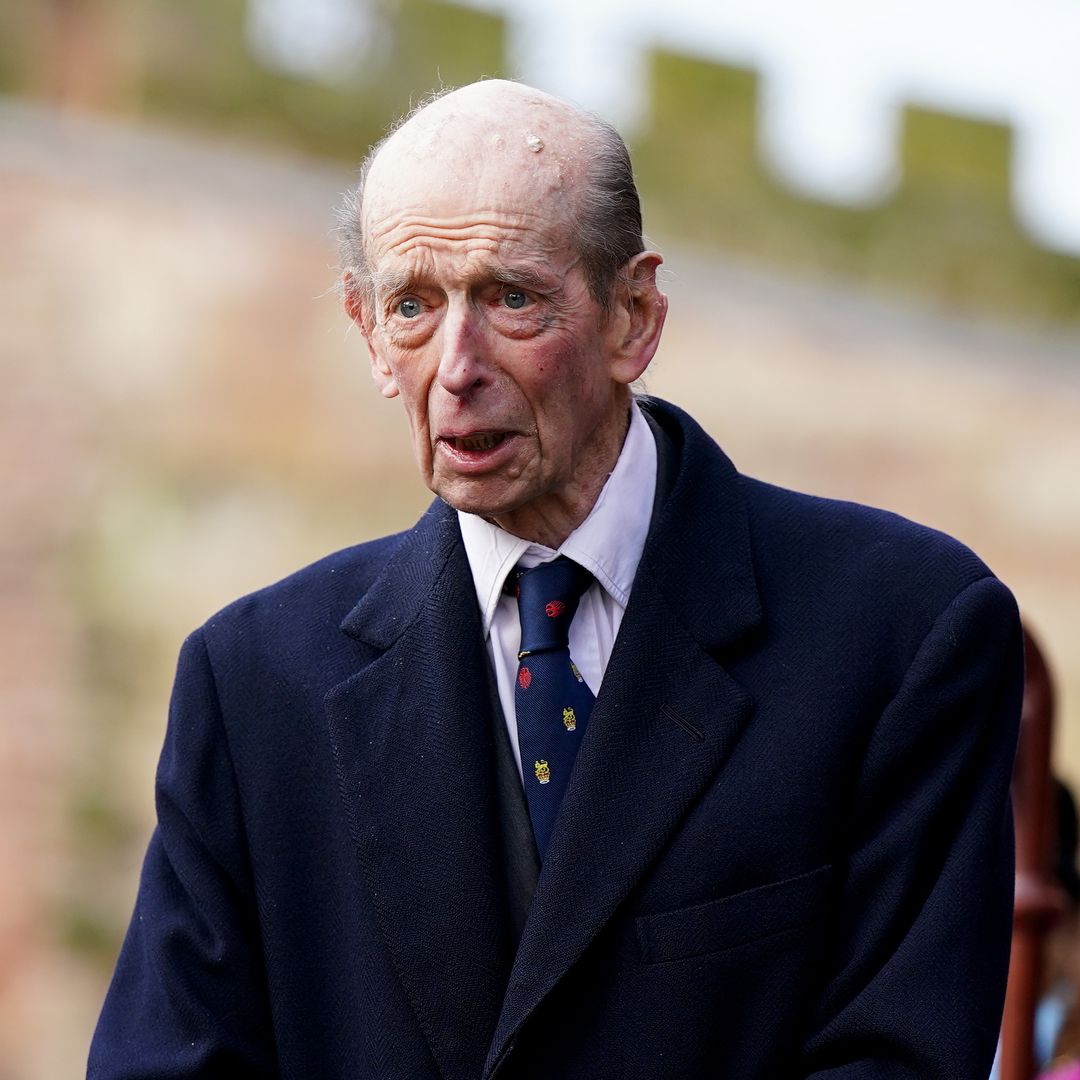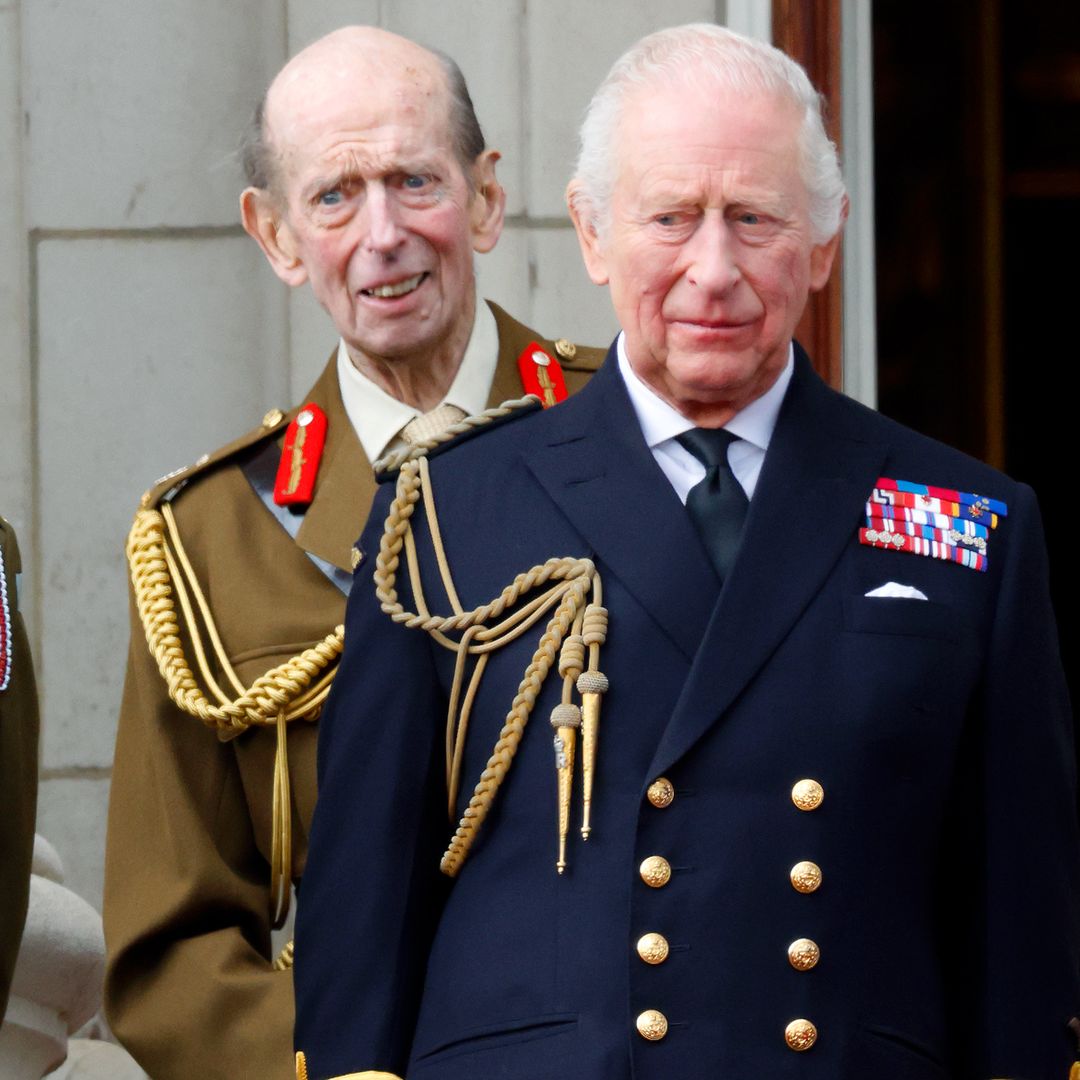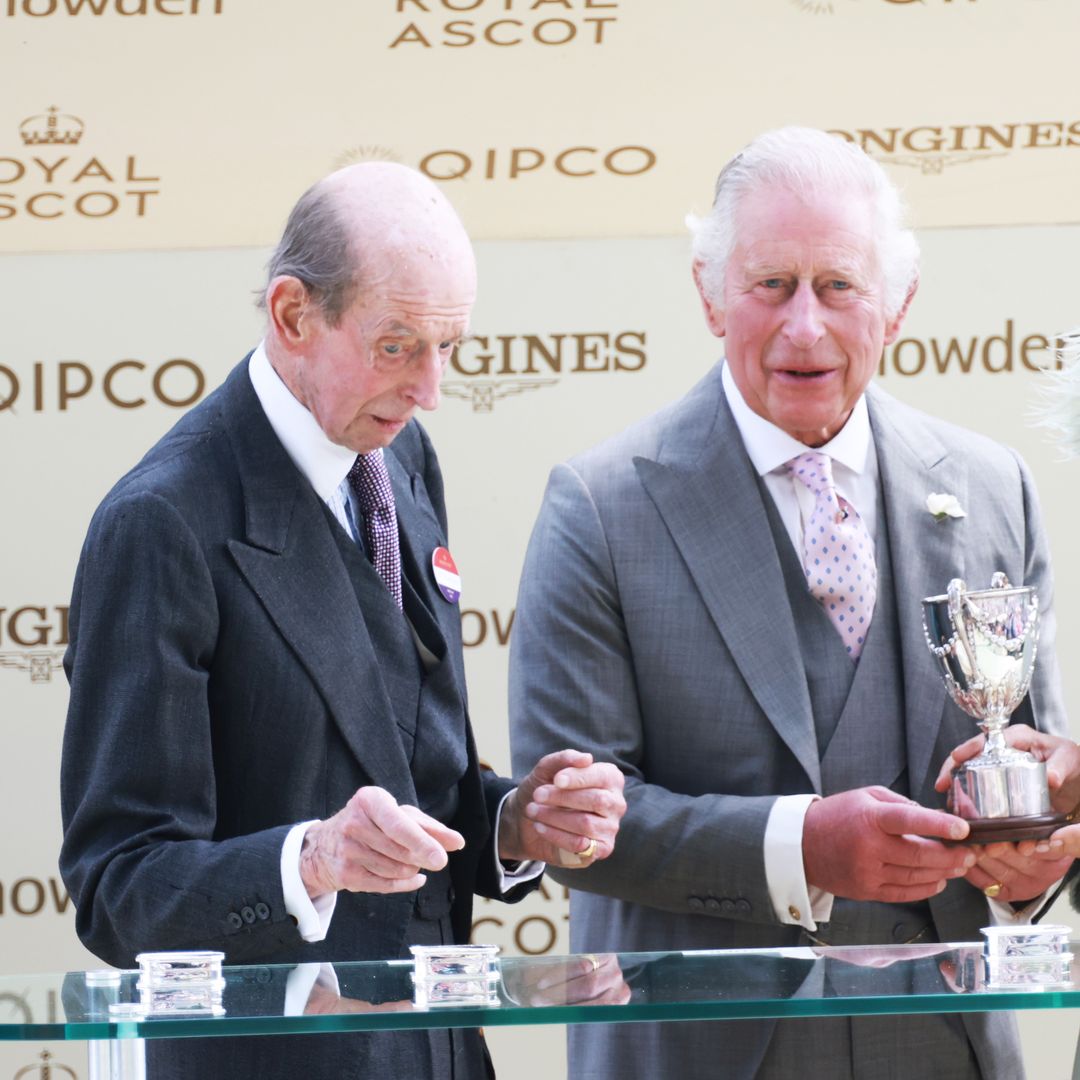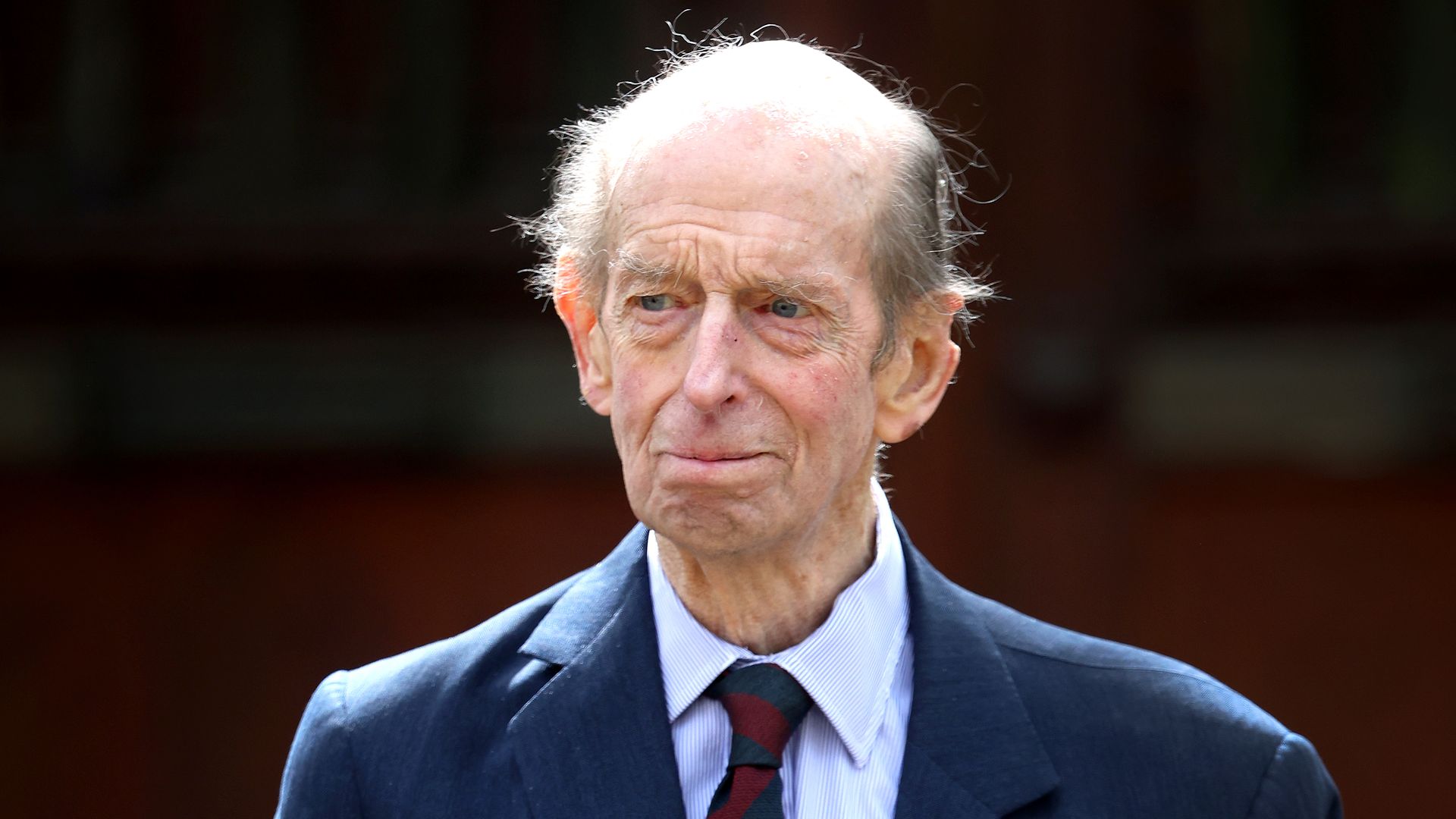

The Duke of Kent was pictured as he carried out a rare public royal engagement to mark a poignant occasion.
The royal family's Instagram account shared images of the late Queen Elizabeth II's cousin, Prince Edward, 90, as he visited the Imperial War Museum in London on Holocaust Memorial Day on Tuesday.
During the outing, the Duke, who was pictured using a wheelchair publicly for the first time, watched a performance by the English Chamber Orchestra. He has previously been seen using a walking stick.
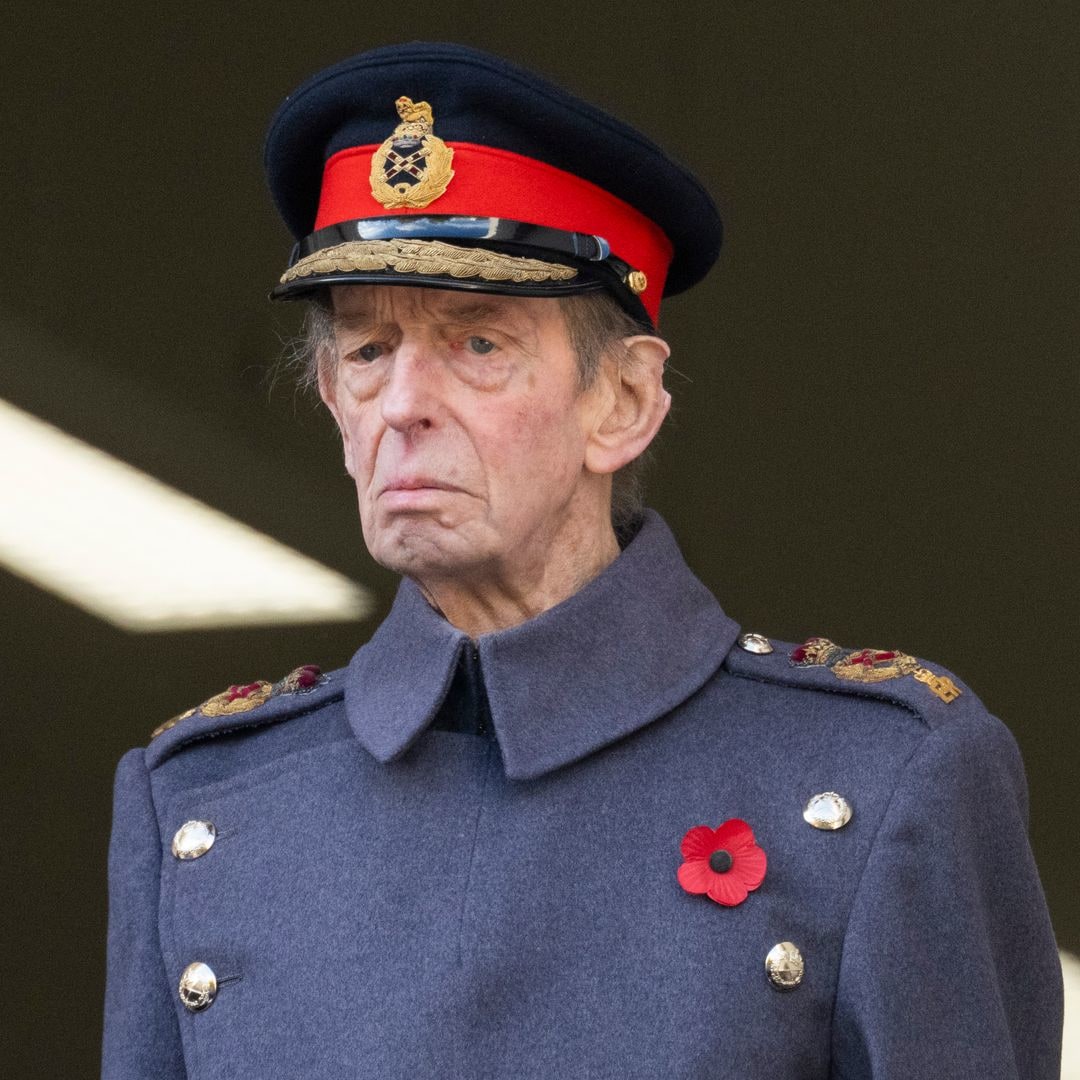
Prince Edward served in the Armed Forces in the UK and overseas in places such as Hong Kong, Cyprus and Northern Ireland, for 21 years. He retired from the army in 1976 and was given the honorary rank of major-general in 1983 and field marshal in 1993.
Since then, he has consistently supported the Armed Forces and holds a number of military affiliations, including President of the RAF Benevolent Fund and President of the Board of Trustees for the Imperial War Museum.
While the Duke has significantly reduced his public appearances in recent years, he still carries out engagements with his patronages and charities.
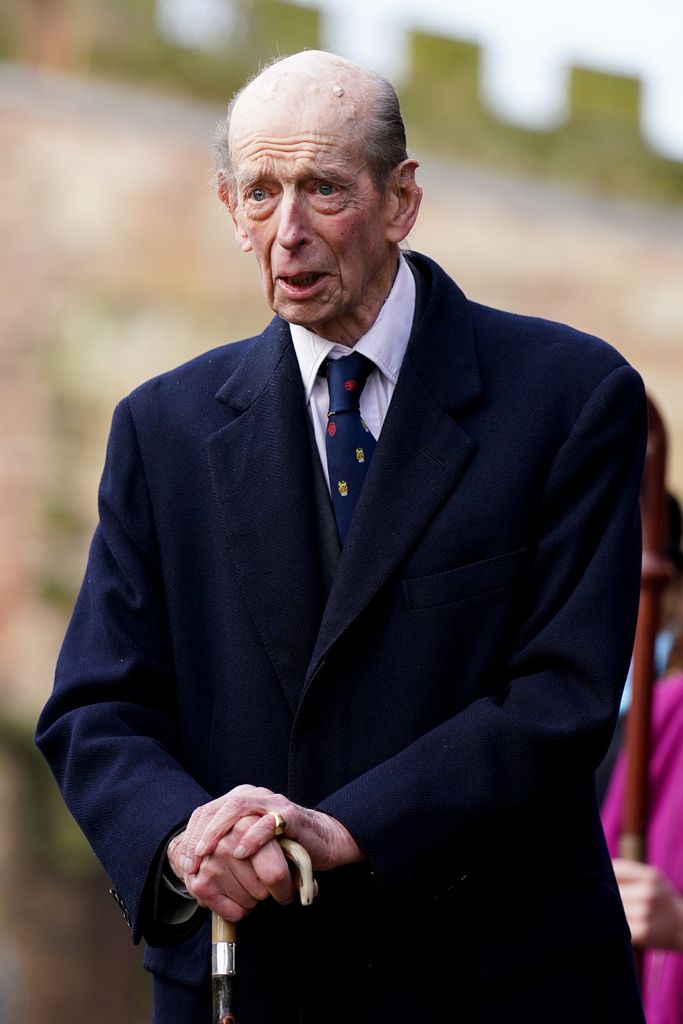 © Getty Images
Since the start of the year, he has attended a dinner to commemorate the 60th anniversary of his membership of Westminster and Keystone Chapter Number 10, and he has attended a concert performed by Dame Imogen Cooper in his role as patron of Wigmore Hall.
The Duke sadly lost his wife of 64 years, the Duchess of Kent, last year. Katharine Worsley, who gave up her HRH style in 2002 and retreated from public life in her latter years, died aged 92 on 4 September, with a Catholic funeral taking place at Westminster Cathedral.
Holocaust Memorial Day
The Duke's outing to commemorate Holocaust Memorial Day came as the King and Queen held a reception at Buckingham Palace, where they met Holocaust survivors and lit candles of remembrance to mark the anniversary of the liberation of Auschwitz-Birkenau in 1945.
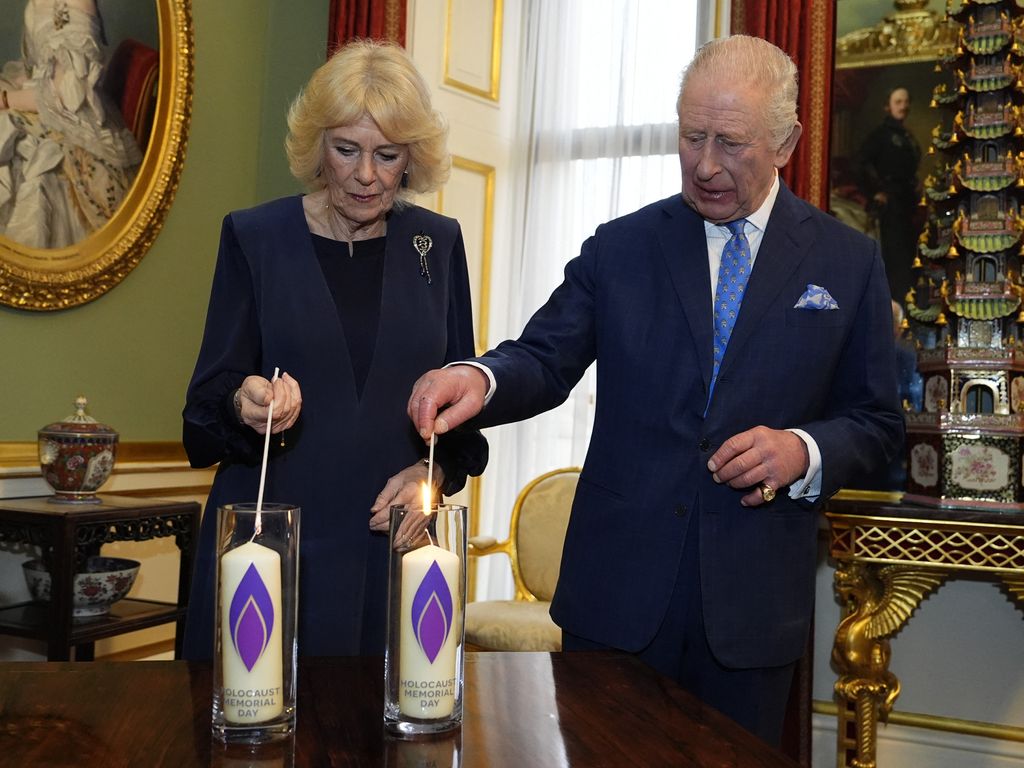 © POOL/AFP via Getty Images
Charles viewed portraits of seven Holocaust survivors including one of Helen Aronson, 98, who was one of only around 750 people to be liberated from the Lodz Ghetto in Poland, out of 250,000 people sent there.
The annual event remembers the six million Jewish people murdered during the Holocaust, as well as the millions of other people killed under Nazi persecution and those who died in subsequent genocides.