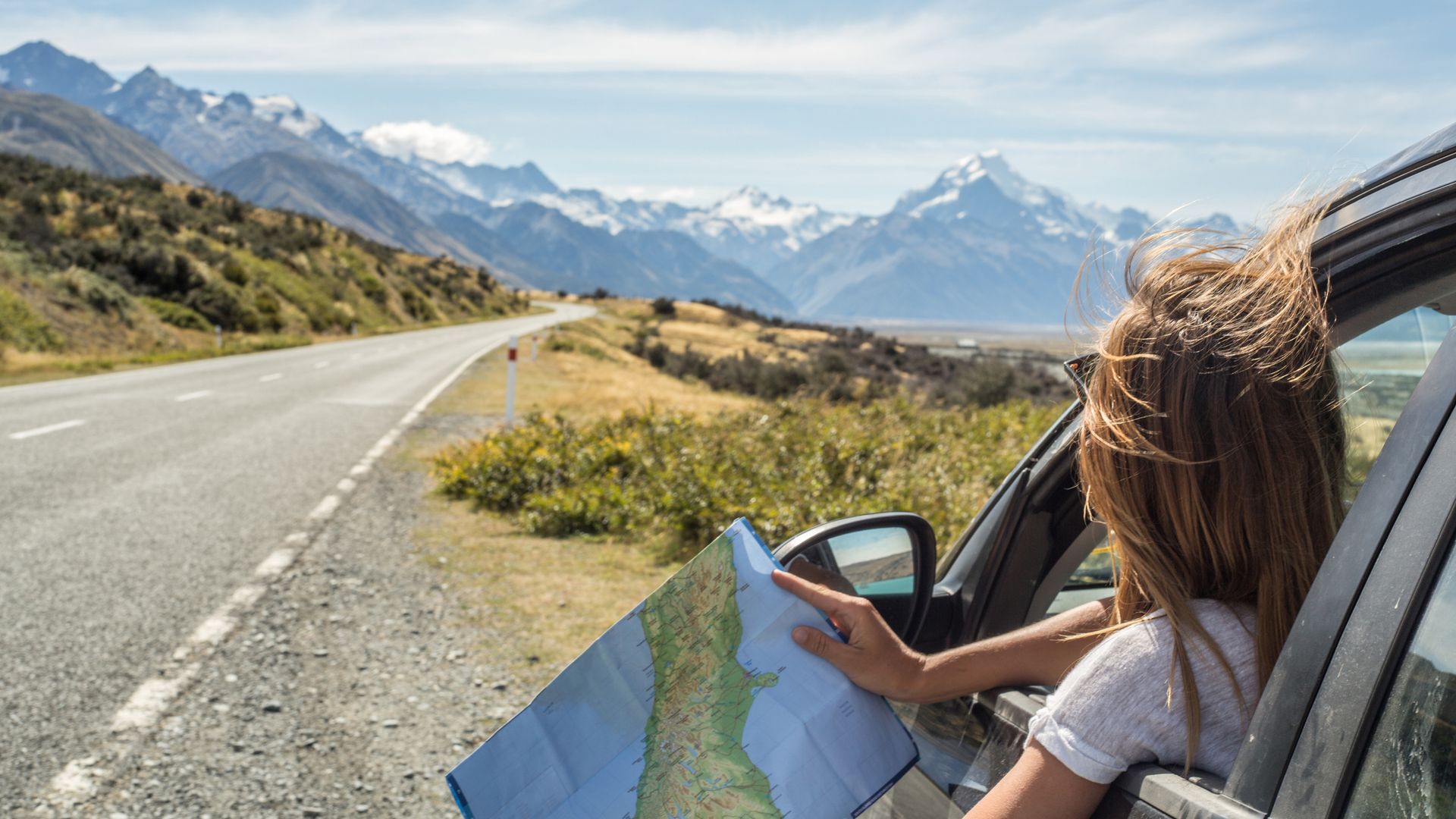

A road trip is considered a freeing and joyous way to travel, so much so that it often features on many people's 'bucket list' of trips. Whether it's taking on an iconic expedition such as Route 66, marvelling at the winding roads of central Europe, or braving the endless horizon of the Australian outback, the key to a successful four-wheeled journey is planning. The type of road trip you're keen to undertake will, naturally, dictate the planning process, but there are a few universal tips and tricks to bear in mind as you begin to forecast your trip. Not only that, but there are also some easily avoidable mistakes to bear in mind.
From where to begin when it comes to preparing for your epic route, to budgeting and how to swerve a car break-down, read our guide to planning a road trip, from those who have done it.
Where to start with planning a road trip
In addition to the obvious question of where you want to go on your road trip, there are a few other questions to consider. Are you craving an endless stretch of road with nothing but solitude and your stereo, or exploring new areas and socialising along the way? Seasoned traveller Laura Cannon, and founder of travel company Decades Gap Years for Retirees, who has completed road trips in Australia, Canada and the UK, says: "As with any trip, start with why. How do you want to feel when you're done? Out of that, the 'where' often spills out naturally. A road trip isn't really about the destinations. It's about the journey, the soundtracks, the people you're with, the pockets of everyday life you see along the way."
After that, planning your itinerary can be determined by whatever you want to do, and the practicalities will follow. Are you flying to a destination first, then hiring a car before hitting the road, or are you driving from home? These will, of course, influence the most important things to remember. Here's a quick list to look into further when it comes to planning your trip:
- Travel documents: if you're hopping in your own car and heading off on your trip from home, it can be easy to forget that you still need your passport if you're crossing borders. Don't let the lack of an airport routine trick your memory! Always double-check which documents you'll need (ETAs, e-visas, the incoming ETIAS or anything else relevant).
- Insurance: probably the biggest one to consider. If you're taking out car insurance on a hire car for your trip, just make sure you're covered for multiple countries and territories, and if you're travelling with more than one person and are planning on driving, remember to check the T&C's so that they're covered, too.
- Don't forget other vehicle practicalities such as tyre pressure, fluid levels and lights – and ensure you pack extra equipment like jump cables, spare tyres, first aid kits and more. It's always better to be safe than sorry.
- Fuel: whether you hire a petrol or diesel car, make sure you know where you can refuel over the course of your journey, and it's probably a good idea to pack extra (in a legally approved canister)
 © Getty Images
Budgeting tools and tips
When it comes to budgeting a road trip, it can be trickier to forecast than other trips. But once you've mapped out your route, you can get an idea of mileage, therefore fuel costs, plus how many stops for accommodation you'll need, and days of food.
If you're planning on road tripping a little more spontaneously, you might need a healthier budget and to be relaxed about spending more than you might initially think. There's not a lot you can do about the price of fuel or insurance, so work out how you can make savings in other areas.
 © Getty Images
For example, packing some emergency food (that won't spoil) for packed lunches/dinners rather than stopping to buy meals out, investigating campsites to stopover for rest or hostels to lay your head for some sleep rather than splashing out on hotels or costly property rentals.
 © Getty Images
Pieces of advice from those who have done it
It can be helpful to hear from people who have done it as they have the experience to provide feedback on what went well and, crucially, what went wrong.
"I found it useful to think in 'modes'," said Laura. "Ask yourself if you thrive on having a whole week in one vibe, such as beach week, city week or mountain week? Or do you prefer variety packed into every day? That shapes the rest. For breaks from driving, look for the small gems you'd never plan a whole trip around: a quirky museum, a park, a family-run café, a viewpoint. That's what makes the trip your own and not just an itinerary you found on the internet."
Another piece of useful advice from Laura: "Road trips take longer than you expect. Build in at least a third more time than you think you'll need, so you're not rushing around. And leave space for spontaneity."
 © Getty Images
Common mistakes to avoid
It's very easy to pack your itinerary full of exciting things for the entirety of your trip, but as Laura says, this isn't always wise. "One mistake I made was over-stuffing the itinerary. The temptation is strong, but it can make you rush past what's right in front of you. Slowing down is the key here."
Another mistake is overpacking the car. The key is just taking the essentials. BBC's Sort Your Life Out star, Iwan Carrington, says: "Packing cubes make packing, unpacking and managing holiday laundry a breeze, but they're also remarkable space savers.
 © Getty Images
"Swap rigid suitcases for soft canvas bags and flexible packing cubes, and colour code or label bags so it's easy to find the things you need quickly. Make must-reach items easy to access while putting the things you don't need until you arrive at your destination deeper into the car."
Another great tip from the TV star: "If you're travelling outside the UK, save enough space in the boot for duty-free wine, beers, spirits and cosmetics – this can save pounds on your holiday bar bill."
Maybe most importantly, always make sure you factor in rest time in your itinerary. It's dangerous to continue driving when you're feeling exhausted; it's not worth the risk.