

Charging phones and devices before travel is second nature to most of us as we store e-tickets, boarding cards and other vital information on our mobiles for easy access. It is something we are very used to doing anyway, but the simple act of plugging devices in could actually save you hundreds of pounds.
If you are like me and are totally unaware of the fact that all electronic devices must be charged before boarding a plane, then you can take solace in the fact that you are not in the dark alone.
I had no idea that security officials at airports could demand to see proof that a device has battery life and can be turned on before you take to the skies. If your electronics are dead and can't be turned on, then they can be confiscated from you there and then. With the average price of a laptop sitting around £500, that could be an expensive start or end to your travels.
Security staff at airports are permitted to ask you to switch on any device in your bag, and if they have no battery, they will be taken off you as they are deemed as a non-functioning device and a security risk.
 © Getty Images
"Make sure your electronic devices are charged before you travel. If your device does not switch on when requested, you will not be allowed to take it onto the aircraft," GOV.uk explained on its website. It also warns that there are different rules around devices depending on which country you are travelling to or from, so it's worth checking in advance.
For both myself and any HELLO! readers feeling blindsided by this news, I've explored the rules of each airline so you won't accidentally lose your expensive electrical items the next time you fly.
British Airways
While most airline carriers permit electronic devices on board and allow you to use items such as mobile phones, laptops and tablets during the flight, this hidden caveat widely applies - and it seems many people don't know about it.
On the British Airways website, it outlines its policy towards electronics and reiterates this airport rule.
The message reads: "You can generally take electric and electronic items in your hand or checked baggage, but you need to follow specific safety instructions.
"Airport security staff may ask you to turn on electronic or battery-powered devices, such as phones, tablets, e-books and laptops, to demonstrate they function."
The note continues: "If you're not able to do this, you will not be able to take your device with you. Please ensure that any items in your hand baggage are fully charged and switched on before you arrive at the airport. If your device is not charged, please place it in your checked baggage.
"If you are connecting, make sure that you do not deplete power in your devices during the first part of your journey, as charging points at airports might be very limited and you may need an adapter."
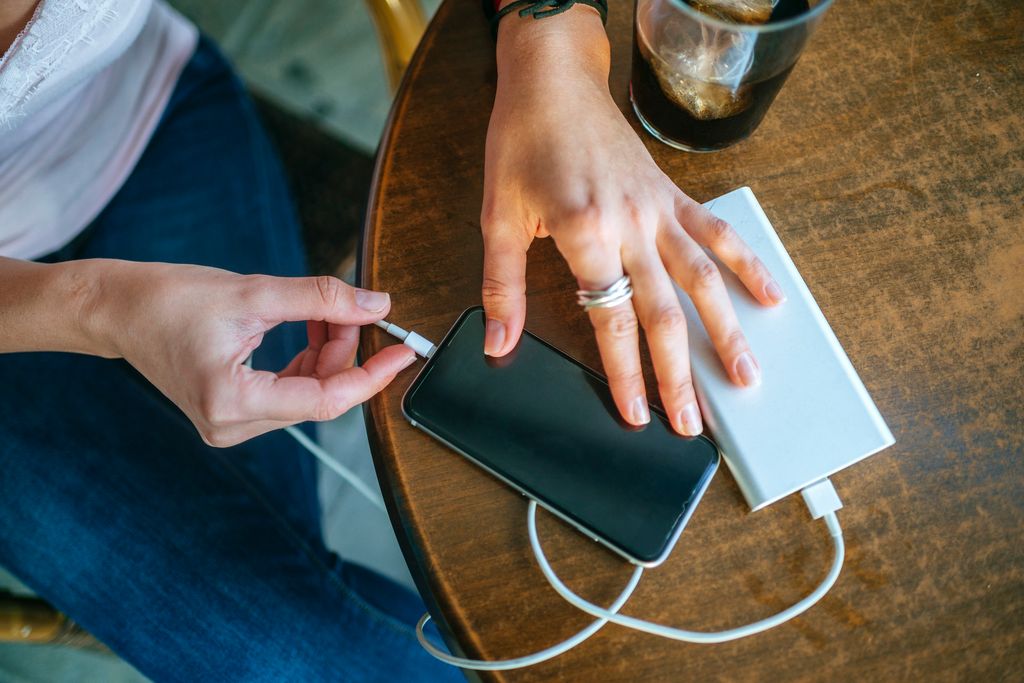 © Getty Images
Ryanair
Ryanair does not specifically state this rule on its website, but it makes reference to what happens if you do find that your phone has been confiscated at security.
In its FAQ section, a question reads: "What happens if my smartphone or tablet dies before airport security?" to which the website advises: "If you have already checked in online and your smartphone or tablet dies, you will receive a free of charge boarding pass at the airport."
Keep in mind this statement does not offer any assistance in the cases where security refuses to let you through to the boarding area.
TUI
Like British Airways, TUI warns customers about this dead battery airport rule and makes a note of it on its website, urging travellers to remember to plug in all devices that are being taken onboard and into the cabin.
Its website says: "If you're carrying any electronic devices in your hand luggage that are capable of holding a charge, you'll need to make sure they're fully charged when you go through airport security.
"This is part of security measures that have been introduced by airports in the UK and abroad. We recommend you keep things like mobile phones switched on until you board the plane, as there might be more checks at the departure gate."
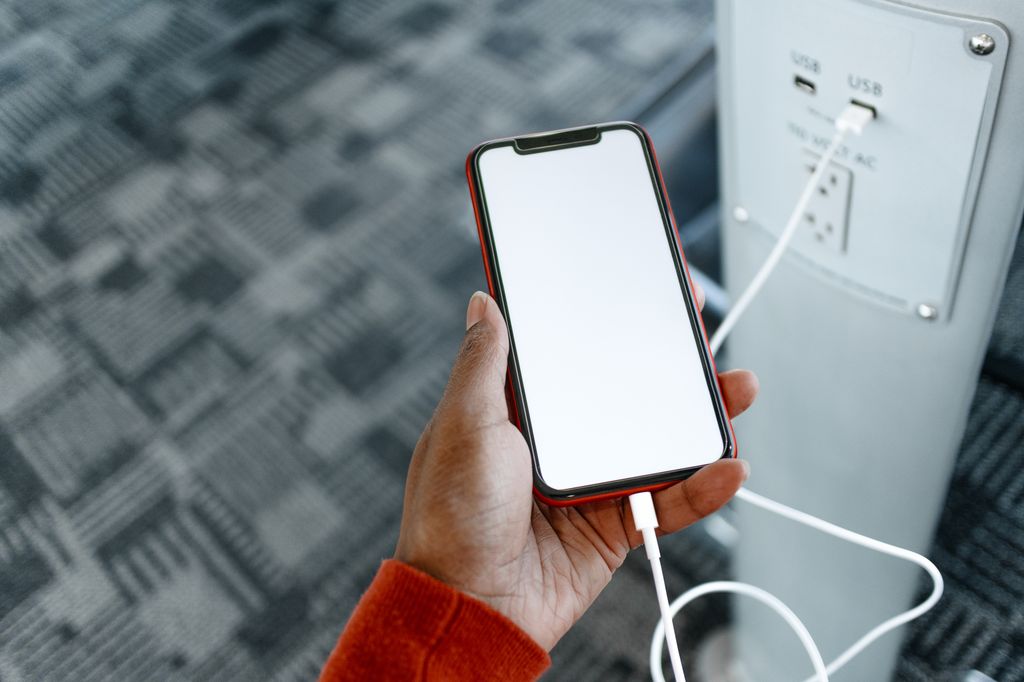 © Getty Images
Jet2
Keeping in line with the regulations enforced by the airports, Jet2 also requires passengers to travel with enough battery life to switch the electronic device in question on and prove its ability to function.
While it doesn't mention the rule on its website information, it does explicitly ban "damaged personal electronic devices (PEDs), including power banks and lithium batteries/cells, are forbidden from carriage in all circumstances".
As electronics with a flat battery are deemed a non-functioning device, this can fall under the damaged PED category and explains the reason for the potential confiscation.
While Jet2 doesn't explicitly list the 'dead battery' rule, passengers could still risk their devices being confiscated if they're deemed potential security risks.
easyJet
easyJet does not stipulate its stance on the battery rules, but they do enforce flight mode to be turned on on all devices during the flight, meaning that any electronics need to have an available battery to be able to switch them to flight mode when inside the cabin.