Mark McShane, Food Hygiene Certificate expert, reveals 7 foods that 'can lead to serious illness' while travelling


Trying local dishes abroad is a joy, but it's worth being mindful of hygiene…


Woman choosing food for breakfast at hotel restaurant© Getty Images
Francesca ShillcockDigital Travel Editor
July 24, 2025
Share this:

Indulging in local delicacies is a major highlight for many people while travelling abroad.

Exploring through food is a fantastic way of getting a taste of the culture, history and traditions of brand new places. 

However, according to hygiene experts, it's wise to take a moment to consider what we're consuming for the sake of our health.

Mark McShane, an expert from the Food Hygiene Certificate, says: "Food hygiene standards vary wildly from country to country. 

© Getty Images
A food hygiene expert has shared some foods people need to be wary of food to eat abroad

"What might seem harmless – a glass of juice with ice, or a fresh fruit salad – can lead to serious illness if it's not been properly handled."

No matter where you're off to next, it's worth considering the levels of hygiene so that unwanted bugs and illness don't put a dampener on your holiday.

© Getty Images

Ice in drinks

This might be the one that first springs to mind since it's quite a common routine that many people adapt to when they travel abroad. 

It's a simple fact that water systems vary from place to place, and the water we consume at home is what our bodies are most used to.

Mark says: "Ice in drinks can often be made from unfiltered or tap water that contains bacteria or parasites." 

Even if there aren't bacteria in the water, chances are your body won't be accustomed to local water, so best to stick to bottled.

© Getty Images

Raw salads

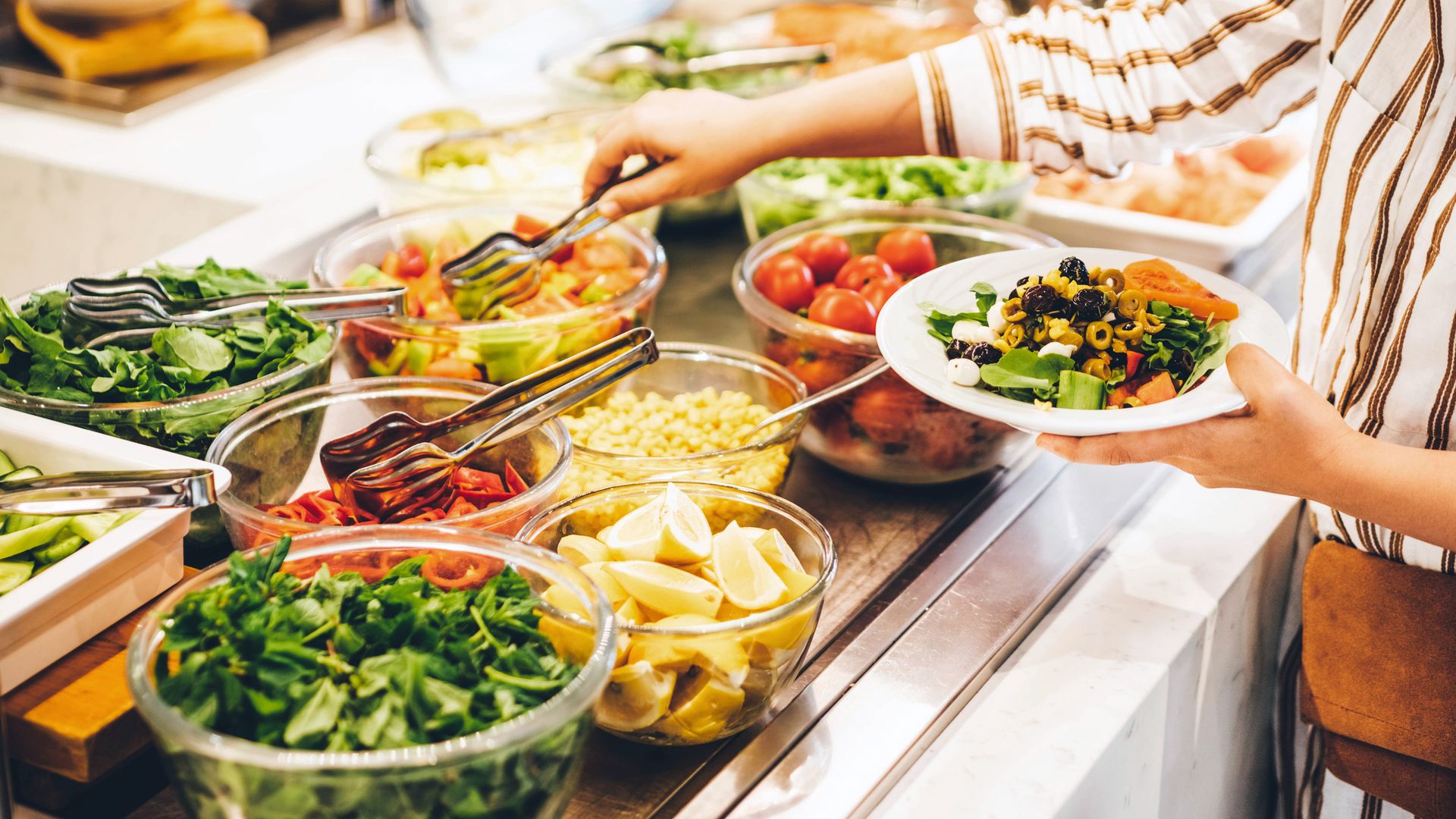
The same thought process applies to raw salads, since they're often washed in untreated tap water, which can cause bugs.

© Getty Images

Undercooked eggs

Nobody likes an undercooked egg. But more importantly, it can be a way of catching bacteria. Mark explains that it's not always obvious. 

"Undercooked eggs can be found in sauces, desserts and some street food, and can carry salmonella if not treated properly."

© Getty Images

Buffet seafood

Shellfish is another one that people might immediately think of when it comes to risky foods, regardless of location. 

Anyone who has had a dodgy oyster will know it does not make for a pleasant experience. 

Mark says: "Buffet seafoods easily spoil if not kept cold, and shellfish are high risk in warm climates."

© Getty Images

Creamy desserts

This one took us by surprise; desserts normally seem a pretty safe option. 

However, certain ingredients could spell trouble in certain environments.

"Fresh cream and custard in hot climates can quickly turn dangerous," advises Mark.

© Getty Images

Unpasteurised dairy

Dairy in itself can often be fine, but it depends on the process. "Avoid cheeses and milk that don't clearly state they're pasteurised," says Mark. 

Pasteurisation is the process of using heat to kill off the unhealthy and harmful bacteria in milk; it also extends the shelf life of a product.

© Getty Images

Rare or raw meat

Raw meat seems obvious, but some people are very partial to rare or blue steak. 

But approach with caution, Mark says, "especially minced meats and kebabs cooked on low heat."

He adds: "Trust your instincts – if it doesn't look right or smell right, don't risk it. 

"Food poisoning can ruin your trip, and in some cases, lead to hospital treatment or long-term illness."

Sign up to HELLO Daily! for the best royal, celebrity and lifestyle coverage

Email Address

By entering your details, you are agreeing to HELLO! Magazine User Data Protection Policy. You can unsubscribe at any time. For more information please click here.

More Food
See more