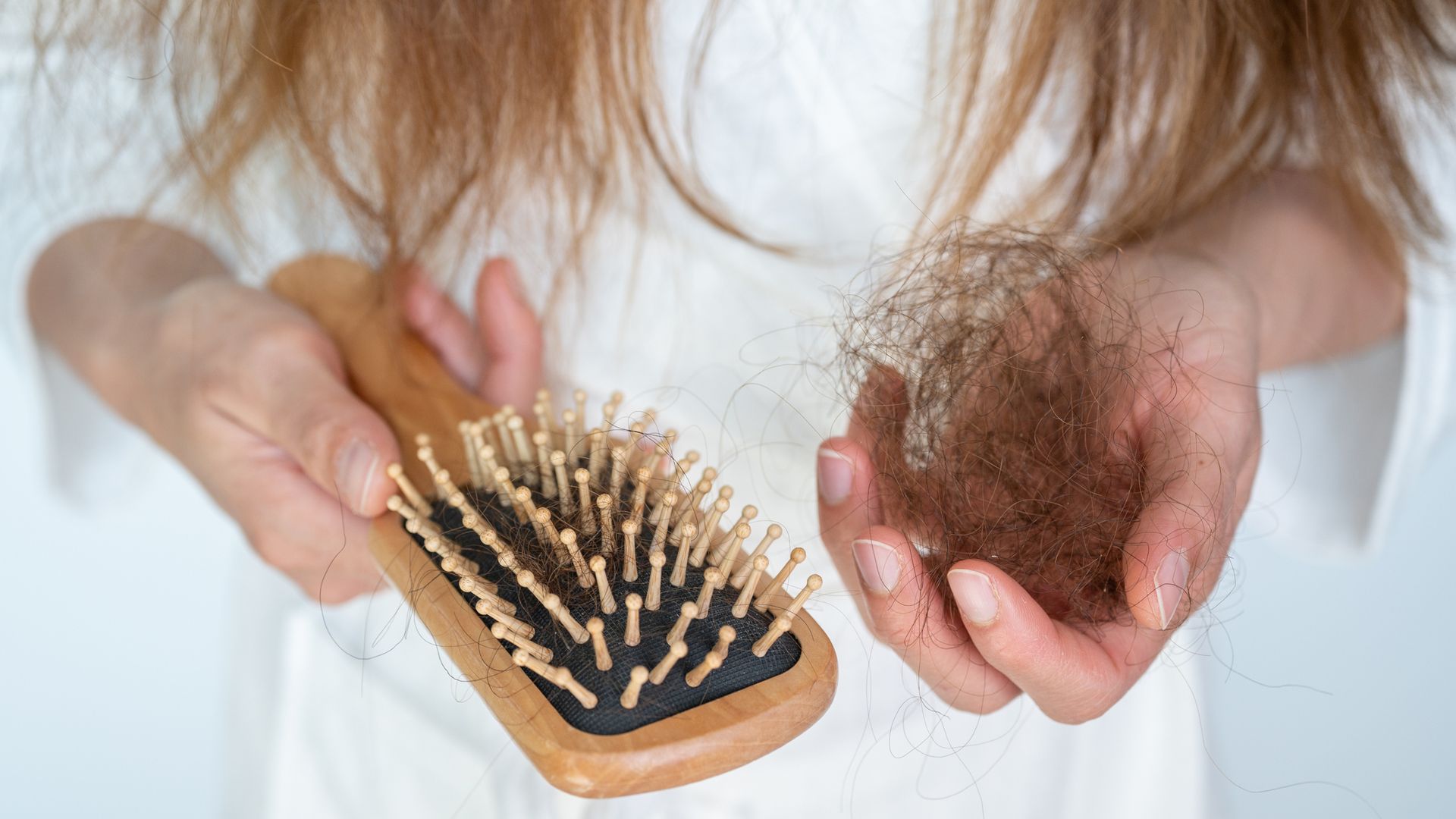

Hair loss is a common issue that affects us all at various points in our lives. From hormonal changes to stress and even exposure to chlorine and sun damage, hair shedding is common.
If you've noticed more shedding than normal and want some tips on how to prevent it, you've come to the right place.
As a beauty editor, I'm fortunate that I'm able to discover new launches and new technologies in the haircare world that aim to combat this problem. I am also lucky to have access to haircare experts that I learn so much from, and one of them is the wonderful Hollie Rose Clarke, who is a top London stylist and brand ambassador for the luxury, respected haircare brand Living Proof.
She's given us the lowdown on the ways that you can work alongside hair shedding and make it a preventable occurrence.
Hair loss is normal
"It’s important to remember that it is completely normal and natural to experience hair fall; on average, you lose up to 150 strands a day," Hollie tells HELLO!.
"However, if you are noticing more shedding/hair loss than is usual for you, it could be one of many factors causing this: stress, diet and deficiencies, medication, and hormonal changes such as pregnancy and menopause. It’s also important to add that sometimes the hair loss happens 4-6 months after the event that caused the reaction."
 © Getty Images
Consult your hairdresser
"My first and most important tip is that if you are experiencing more hair loss than usual, consult your hairstylist or a trichologist who can pinpoint the cause and support with a plan that is suitable for you."
 © Getty Images
Try a scalp serum
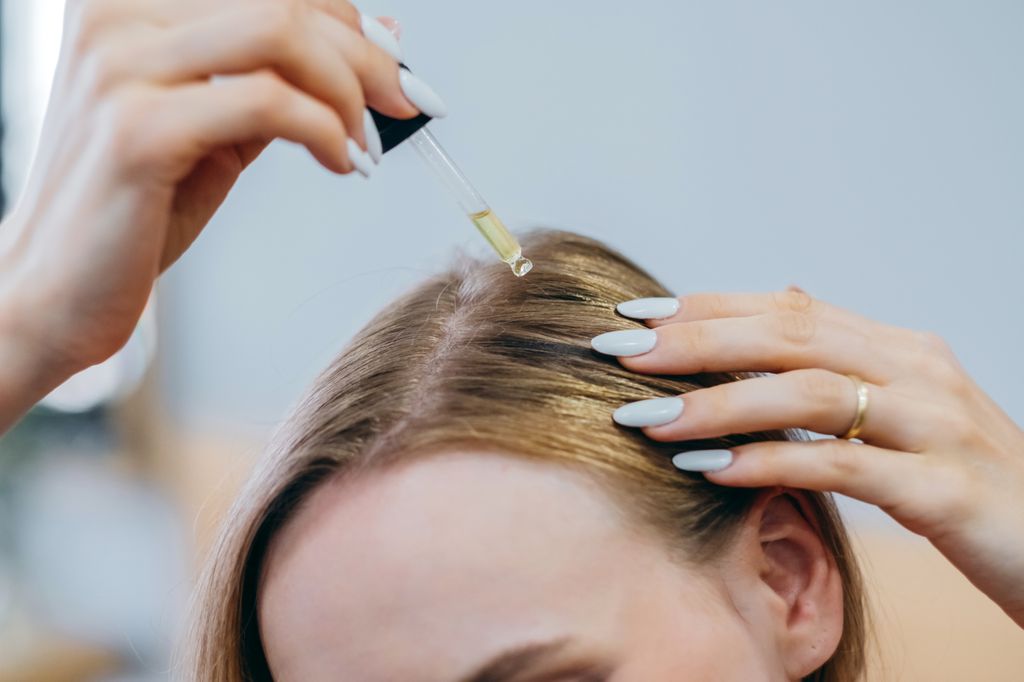
"Incorporate a topical scalp serum into your routine that supports a healthy scalp and helps stimulate hair growth. 'Living Proof Scalp Density Serum' is a lightweight, fast-absorbing scalp serum clinically proven to reduce shedding, increase hair density, and promote healthier hair growth with clinically proven results. Apply 2-3 dropperfuls daily, directly onto a dry or damp scalp and massage in."
 © Getty Images
Hair supplements
"Consider reviewing your nutritional intake to assess if there might be any natural deficiencies. Hair supplements rich in Vitamin D, Vitamin C, Vitamin B12, Biotin, Zinc, Iron, Folic Acid, and Selenium can be a great place to start."
 © Getty Images
Invest in great hair cleansing products
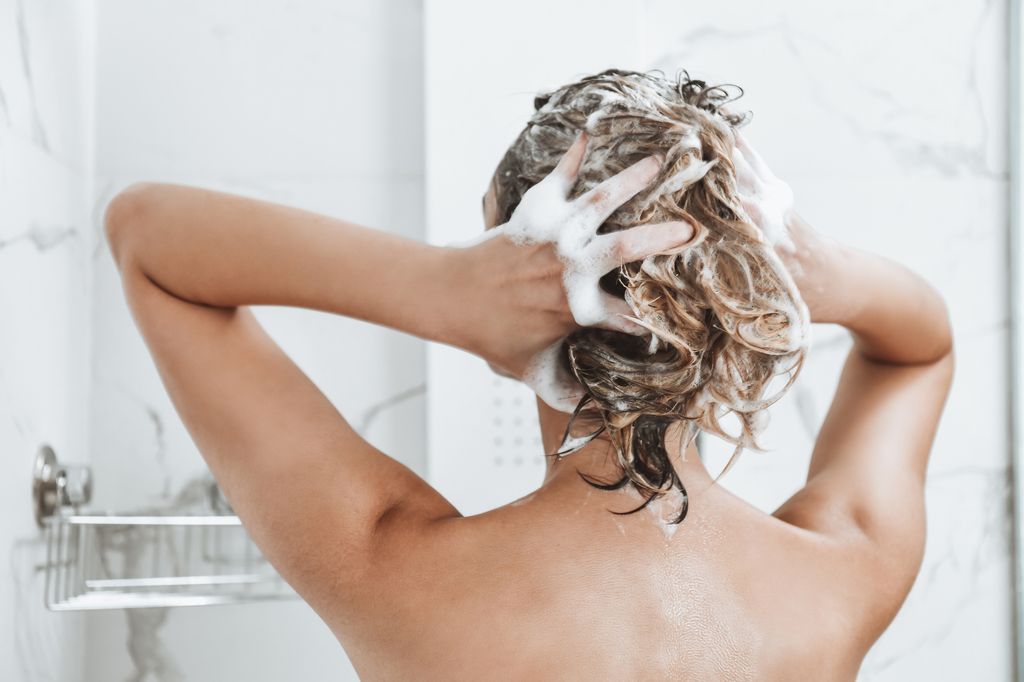
"Ensure you have a regular cleansing routine that acts as an extension to your skincare. Use a gentle clarifying shampoo weekly to help remove dirt, excess oil, and product buildup, but without stripping the scalp. This will help to unclog hair follicles and promote a healthy environment for new hair growth."
 © Getty Images
Scalp Massage
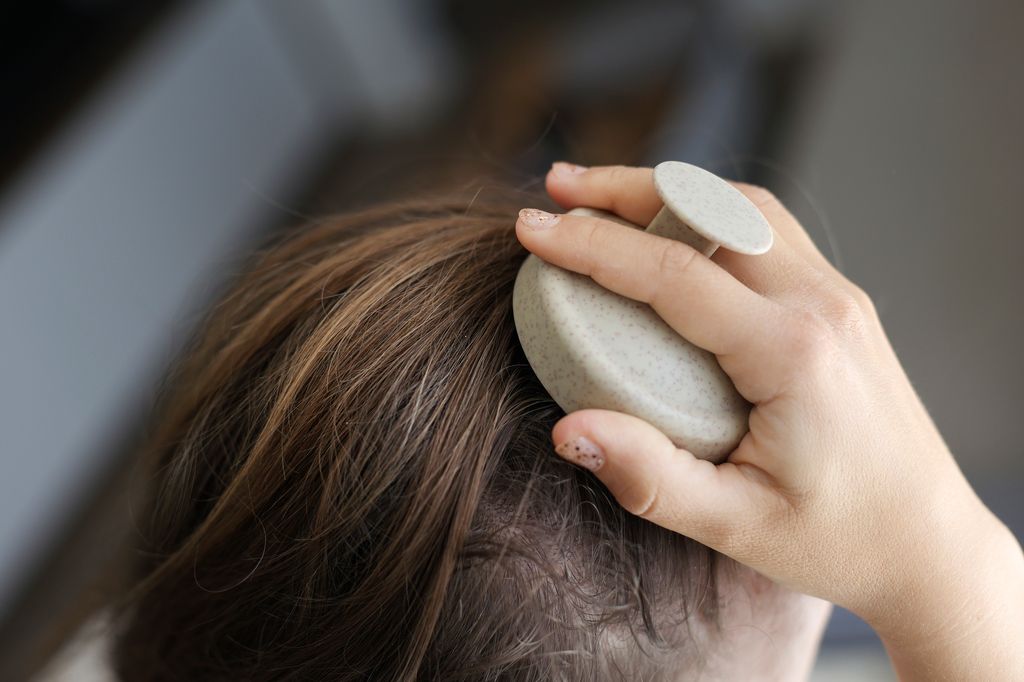
"Regular scalp massage can help to stimulate blood flow to the hair follicles, which in turn promotes hair growth."