Like many others whose childhood was synonymous with long platinum blonde hair, I was in denial as my mane slowly faded to a darker, duller shade into my teens.
Since then, I've spent years colouring my hair with highlights in a desperate bid to return to my roots (pun intended). But this year, as we headed into the cooler winter months, I decided my look (and my bank balance) needed a change.
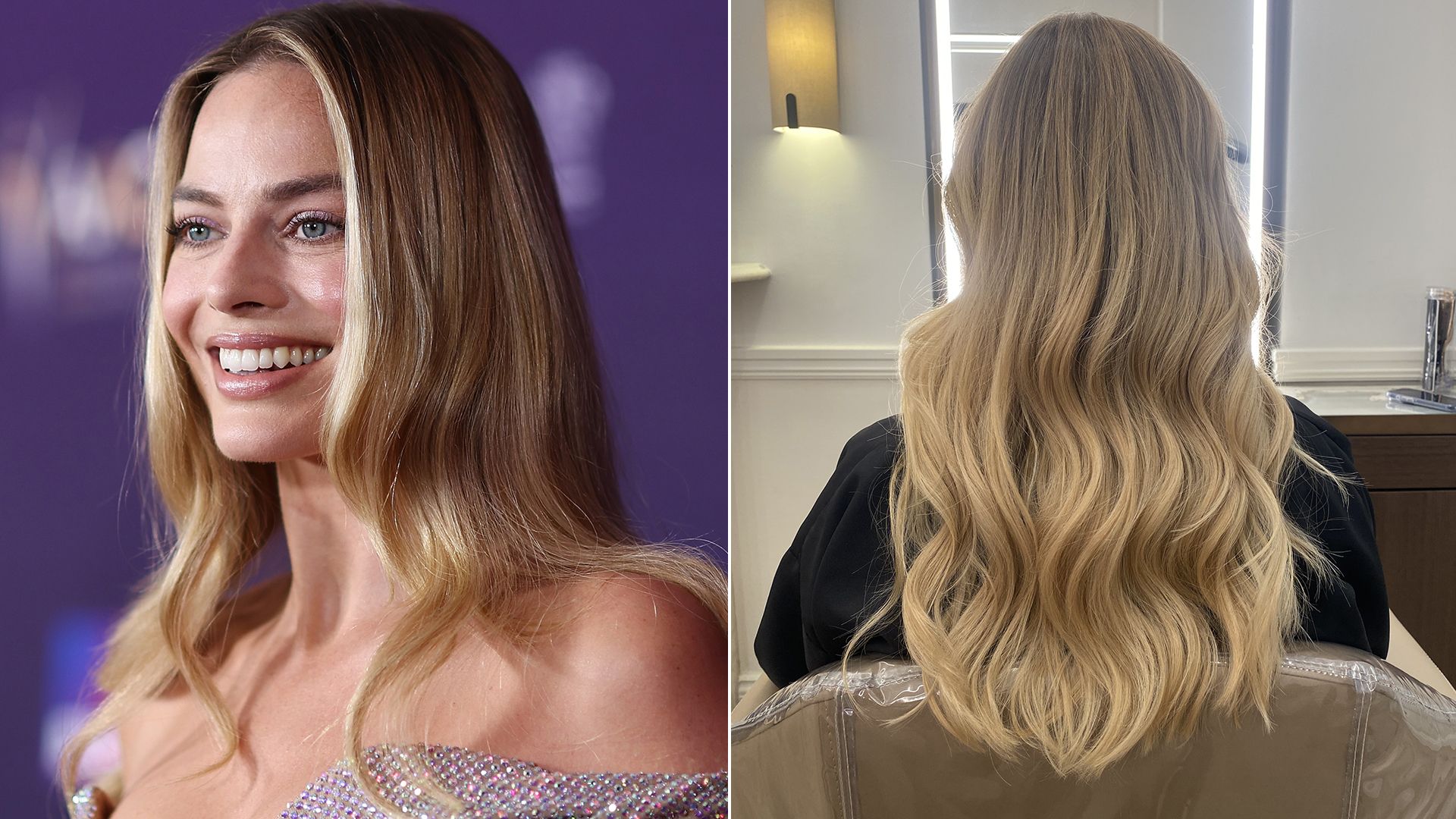
Personally, I can't think of a better source of hair inspiration than Margot Robbie. She seemingly switches from rich brunette roots to ashy blonde and warm honey tones, but my favourite look is undoubtedly her 'bronde' hair – a more natural, low-maintenance look that I was on the hunt to recreate.
But how could I ensure the bronde trend would suit my skintone? And how could I achieve the results with my starting roots so bright? I turned to the hair experts at The Six in Mayfair for help – not only did they provide some sort of wizardry on my locks, creating a seamless, natural colour blend personalised for me, but they also explained exactly what you should (and shouldn't) ask your hairdresser if you're after a winter hair transformation like me.
Margot Robbie's inspiration
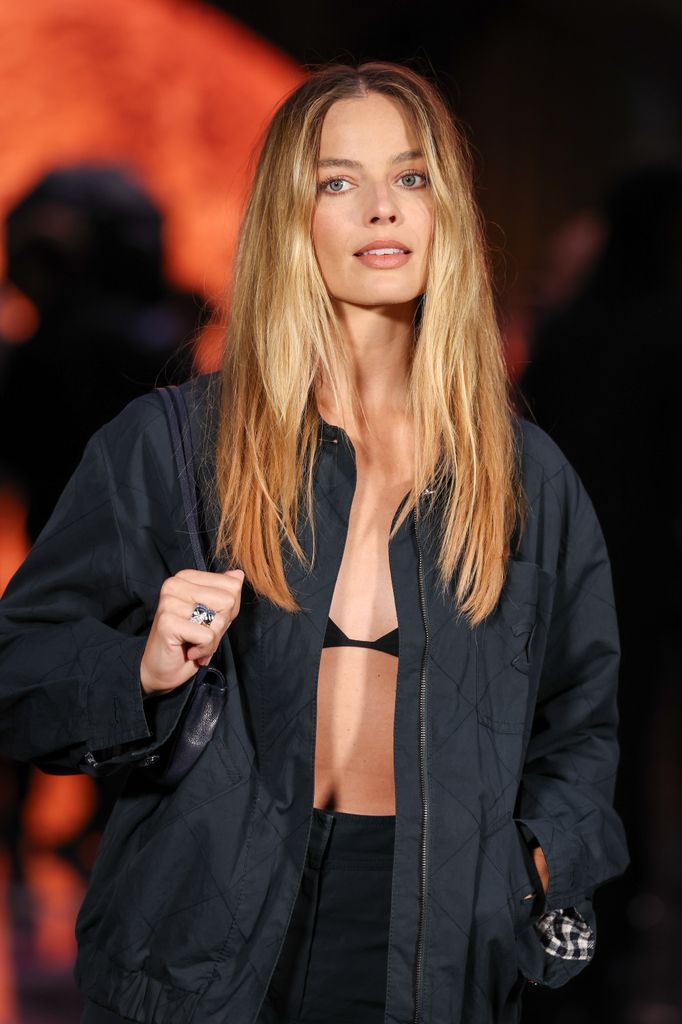 © Corbis via Getty Images
Stepping inside the pristine white London townhouse, I started with a tour of the building, following the green marble floors of the reception up to the highly private beauty rooms on the top floors and down to the grooming room on the lower ground floor – each with its own architectural design. I spent most of my time in the salon on floor one, complete with period fireplaces balanced with the leather seats and modern lighting.
After being served a cappuccino and an Acai bowl during my hair consultation, it was clear why The Six is a celeb hotspot. While they didn't divulge who their A-list clientele might be, I could hand over a myriad of photos of my dream Margot look so I could feel like one of them.
Explaining the secrets behind the Barbie actress' Hollywood hair, Founder, Director, CEO of The Six, Marcos Verissimo, told HELLO!: "Most blondes can work beautifully on any skin tone; it’s really about how you style and balance it. If you go for ashy tones, they’ll usually need more glossing and styling, and they’ll influence your makeup and wardrobe more than your actual complexion.
"Someone like Margot is a complete chameleon; it’s part of her job. She can switch between shades so effortlessly because she’s got a team of stylists behind her making sure everything, from her hair colour to her clothes and makeup, aligns. It’s never just the colour on its own that makes it work, it’s the full picture."
With the absence of hair and makeup artists at my beck and call, I was adamant I needed to recreate a low-maintenance version that I could keep looking fresh at home.
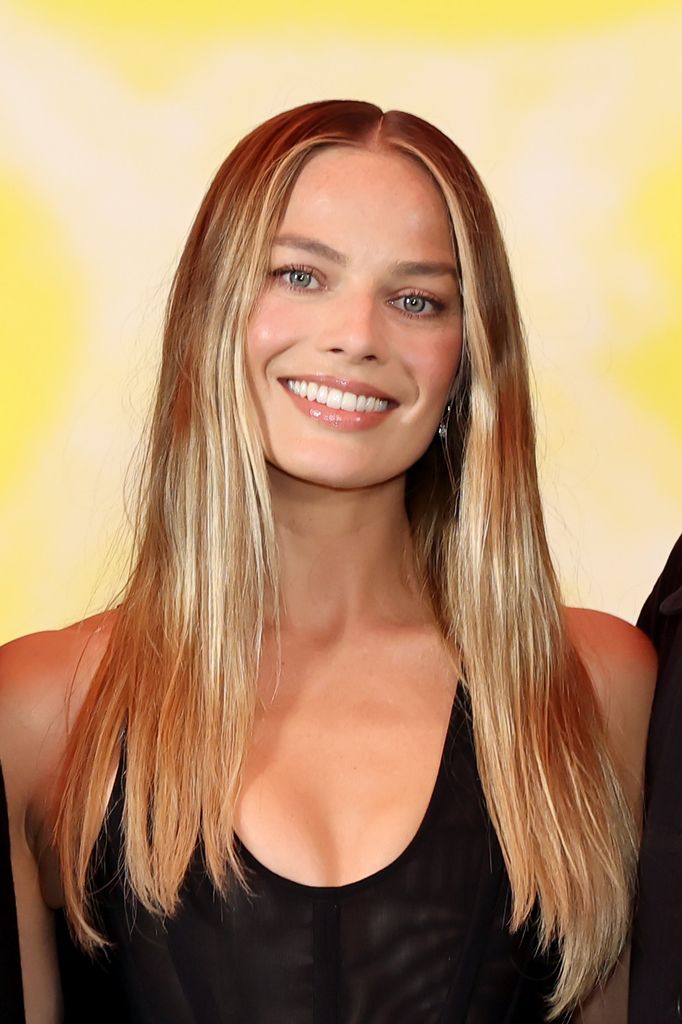 © Getty Images
The first step in this process was being realistic about the results. Initially, the higher contrast looks that started with darker roots fading to honey blonde ends were my aim, but my naturally dark blonde hair meant my overall result was more of a soft blend – and I love it!
"Your natural colour is always the starting point, it’s the base of everything. If you’ve got naturally dark hair and want to go Scandinavian blonde, for example, that’s not really sustainable. You might get close, but there are limits to what’s possible without compromising the hair. The darker your natural base, the longer and more complex the process will be to lighten it.
"For someone with a lighter base, like a dark blonde, it’s much easier to achieve that bronde or blonde look. So, understanding where you’re starting from is essential for setting realistic expectations," explained hair colourist Marcos, who has over 20 years of international experience.
What to ask your hairdresser for 'bronde' hair
If you're anything like me, your first instinct is to scroll through Instagram or TikTok looking for techniques like balayage that might deliver similar results. According to Marcos, that was my first major error – don't make my mistake!
"First of all, stop calling your hairdresser asking for a specific technique like balayage or highlights, that’s not your job to figure out. You don’t need to know if it’s half-head, full-head, foils or freehand. Book an appointment for colour, not for a technique.
"The consultation is where we decide how to achieve your vision. Tell your colourist what you want the end result to be, maybe you want that soft, sun-kissed bronde that feels warmer for winter, and from there, we’ll choose the right approach to create it," he explained.
Looking back, that's exactly how my hair consultation went. We chatted through whether I wanted a warm or a cool result (I decided on warm, since that was closer to my natural colour), and agreed that we'd work with my roots while maintaining soft pops of brighter blonde at the ends and around the face.
Ale Paiva, a hair colourist who has spent over a decade specialising in balayage, blonding, and lived-in colour, got to work painting like an artist with a canvas – not once did I need to know what he was doing or how he planned to achieve it.
My personal hair journey
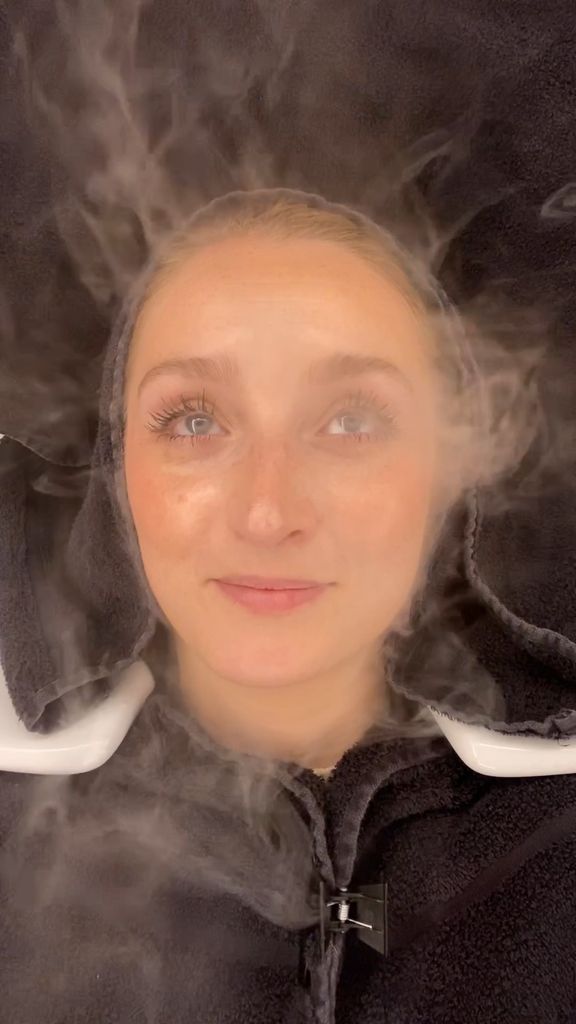
The hair expert said he subtly darkened my hair by approximately one and a half shades while "maintaining a natural, luminous finish, blending the roots seamlessly with the rest of the hair for a soft, lived-in effect."
Ale's step-by-step colouring techniques included:
- Backcombing: He backcombed sections at the front to create natural framing, allowing for a soft transition of colour that enhances facial features without overloading the hair with pigment.
- Glossing: Since my mid-lengths and ends were already bright and healthy, Ale applied a gloss to enhance shine and tone without further colouring the hair, stating it helped "preserve its natural brightness."
- Root blend and palm painting: Ale used root blending in combination with palm painting techniques, creating a soft gradient effect and avoiding harsh lines.
- Pre-pigmentation: A "critical step" for cancelling out any yellow undertones was pre-pigmentation. "This ensured the resulting shade had the perfect golden-bronde warmth and depth, closely mirroring Margot Robbie’s signature look," he said.
- Toner and gloss: Applied post-colour, these refined the hue, added shine, and ensured the golden tones were balanced and multi-dimensional.
- Fibre Clinix treatment: To protect and strengthen the hair throughout the colouring process, Ale incorporated this intensive repair treatment from Schwartzkopf, ensuring that the hair remained soft, strong, and healthy.
The cut and blow-dry were the final steps that helped emphasise the face-framing, golden-bronde colour. "The final result was a perfect blend of expert technique, careful colour placement, and attention to hair health – delivering a signature look that feels effortless yet polished," Ale said.
Admiring the soft waves in the mirror, it was clear this was the closest I've been to my base colour in over 15 years, and my hair has never looked healthier or glossier.
Low-maintenance results
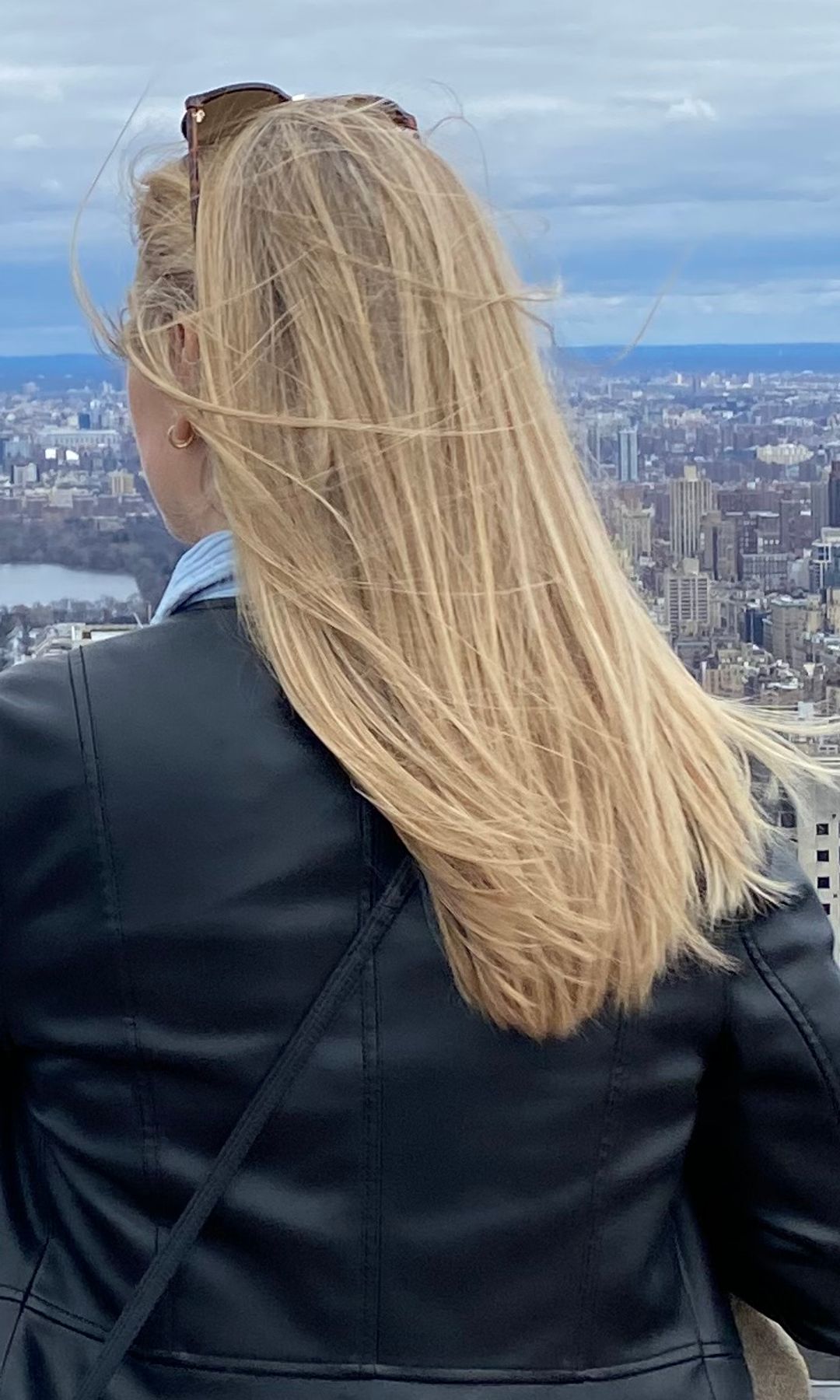
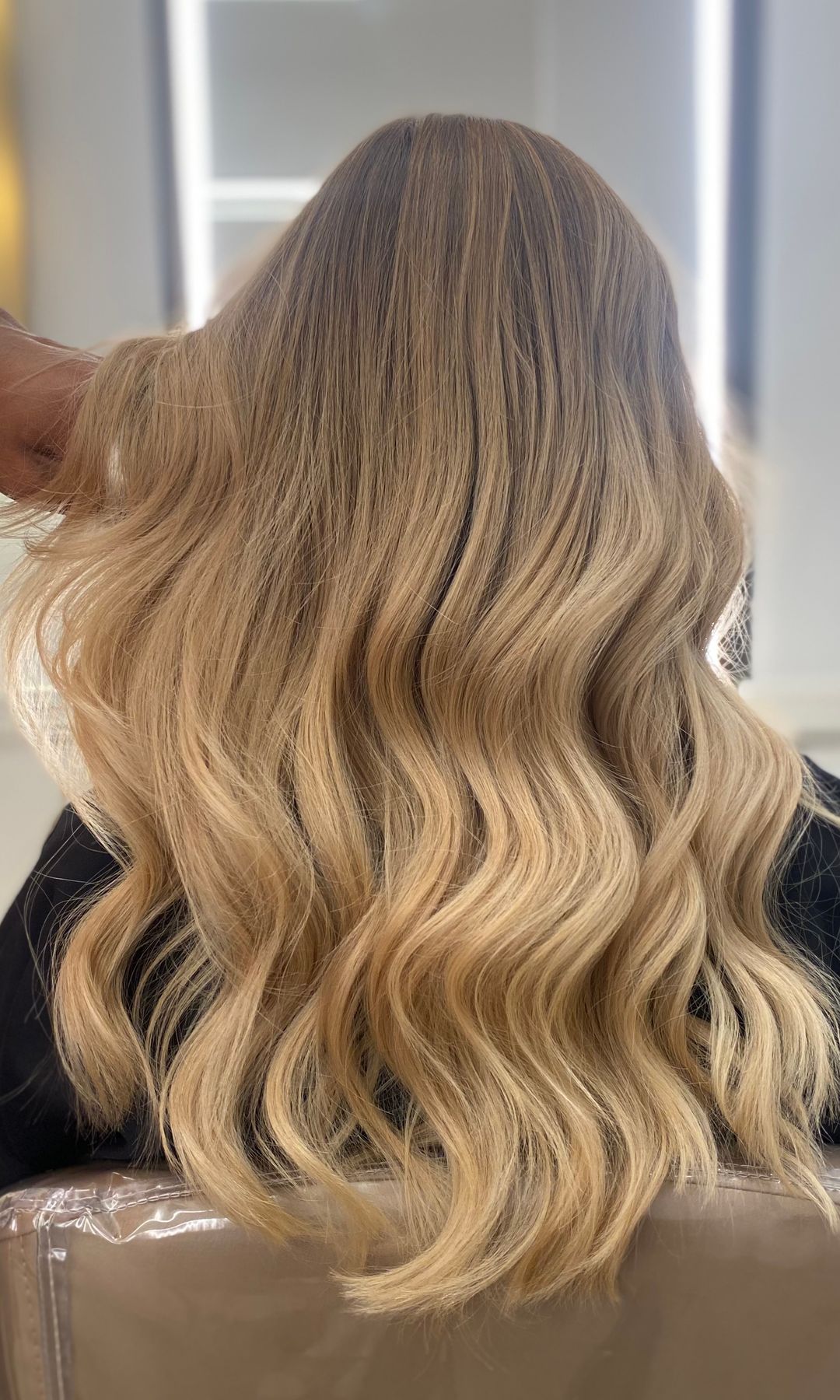
I'm ashamed to admit that my first thought was, 'How long will it be before my poor maintenance at home ruins the stunning results?' Marcos was here to reassure me that it's not as hard as expected.
"These days, maintenance is easier than people think. We’ve got a new generation of toners and glosses that are designed to keep the colour fresh without causing any damage," he began.
"Usually, a bronde shade will need re-toning about once a month. It can easily be done during your blow-dry appointment, adding maybe 15 to 20 minutes. Think of it as a treatment rather than a colour service; modern toners are acidic, so they actually condition the hair while refreshing the tone. That way, your colour stays vibrant and glossy all year round."
Disclaimer: It can take around 3 - 5 hours at the hairdresser's to achieve your desired result. Costs depend on your colouring technique, but balayage starts from £300 and a cut and blow-dry from £150 at The Six.