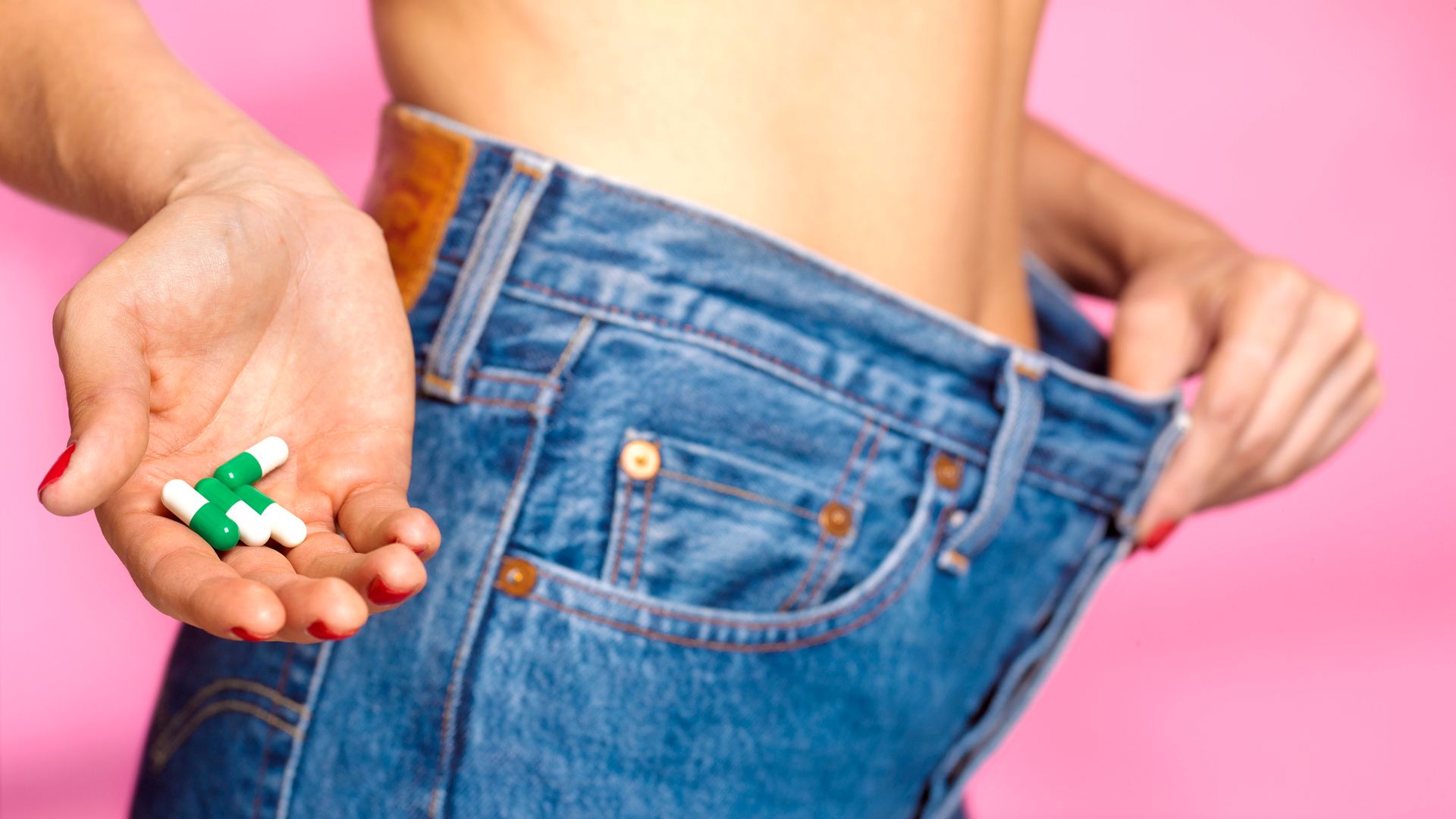

Whenever I open Instagram at the moment, every other story is an advert for the weight loss supplement berberine.
The adverts, touting both capsules and patches, range from claims that people taking it have lost two inches from their waist in 12 weeks, to users saying they lost 11 pounds in two months. Other says they've made them completely stop snacking.
Maybe I'm being spammed with berberine ads because I'm a woman in my mid-30s, so algorithmically I'm the target audience – but the fact that several supplement brands I know and trust (JS Health and Kind Patches, to name two) have now released berberine supps suggests there's more to the trend than simply targeting women with an interest in health and wellness.
 © Getty Images
I spoke to accredited nutritionist Faye James to understand what exactly berberine is, and why it's having a moment right now.
Why is berberine suddenly everywhere?
"Berberine has surged into mainstream attention partly due to social media and wellness influencers calling it 'nature's Ozempic," says Faye, author of The Perimenopause Plan. "That nickname comes from early research suggesting it might support weight loss and blood sugar control in ways superficially similar to GLP‑1 medications such as Ozempic, Mounjaro and Wegovy, though they operate through very different mechanisms."
What actually is berberine?
Faye explains that the so-called 'nature's Ozempic' is a compound extracted from several plants, including barberry and goldenseal, that activates AMPK, often called the 'metabolic master switch' in our cells, which helps regulate energy use and metabolism.
On the health claims, Faye elaborates: "Clinical studies have found berberine can lower fasting blood glucose by around 20 per cent in people with type‑2 diabetes, sometimes rivalling first‑line drugs such as metformin. It also tends to support healthier cholesterol and triglyceride [a type of fat] levels."

Does berberine help with weight loss?
As Faye notes, berberine is being compared to GLP-1 drugs - but does it truly have the weight loss benefits touted online? Faye breaks it down.
"Some human trials have shown modest weight loss effects [from taking berberine], for instance, one study giving 500 mg three times daily over 12 weeks resulted in an average weight loss of around 5 lbs and a 3.6 per cent drop in body fat.
"A review of twelve studies echoed reductions in BMI, body weight, and waist circumference," Faye continues.
 © Getty Images
On how berberine works, Faye explains: "These effects likely stem from improved insulin sensitivity, activation of AMPK (which boosts energy expenditure), and possibly by influencing fat cell metabolism."
Fellow nutritionist Jessica Sepel, founder of JS Health, who sells a berberine supplement, says of the pill's ability to curb cravings: "Berberine works at a cellular level to help the body use energy more efficiently. It may support healthy glucose metabolism, which can have a positive flow-on effect for energy levels and body composition. By helping to maintain healthy blood sugar balance, berberine can reduce the energy dips that often lead to cravings and fatigue, supporting a more balanced approach to nutrition and activity."
Are there any risks associated with berberine?
Faye cautions that berberine can cause digestive upset, with common side effects including nausea, diarrhoea, constipation and gas.
"It can also interfere with drug metabolism by inhibiting liver enzyme CYP3A4, which means it may interact with a wide range of medications, from blood pressure and diabetes treatments to immunosuppressants and hormonal contraceptives. For pregnant or breastfeeding women and people with certain genetic conditions such as G6PD deficiency, berberine is contraindicated."

A nutritionist's take
While the advertising I'm being served around berberine supplements is entirely geared towards weight loss, I wondered if there are other health benefits to this wonder supplement, and asked Faye exactly what she thinks of it.
"I take a cautious, evidence-led view," she told me. "Berberine shows some potential for metabolic support and modest weight reduction, particularly for those with insulin resistance or type‑2 diabetes, but it's no substitute for a healthy lifestyle. Supplements rarely work in isolation and aren't magic bullets."
She notes that the supplement's quality is crucial for results. "The quality and dosage of the supplement matter. Studies often use 1,000-1,500 mg daily in divided doses, and many commercial products are poorly regulated, with variable potency.
"I always advise working with a qualified healthcare professional before beginning berberine. And most importantly, any supplement should complement, not replace, a balanced diet, regular movement, stress management, and good sleep."