
Looking after ourselves is no longer something we do out of obligation; it's now a part of our everyday lives. We’ve learned that when we exercise, we feel much better, and being active influences not only our physical state but our mental one too.
There are many types of exercises we can do to achieve these benefits. Among the most recommended activities are yoga and Pilates - two disciplines that, although sharing certain benefits, have key differences that can help you decide which one best suits your needs.
As fitness expert Diego Moya, who holds a PhD in Physical Activity and Sport Sciences from the University of Valencia, explains, "Both disciplines bring together the power of connecting body, mind and breath." This common element makes them highly effective tools for combating the tension accumulated in daily life.
With the fitness scholar's help, we tell you how to incorporate them into your routine so you can choose which one you prefer - or maybe you'd like to give both a chance!
Breathwork and mindset: The shared foundations of yoga and Pilates
 © Getty Images
Yoga and Pilates share a fundamental pillar: conscious breathing. Focusing on breathwork not only helps to oxygenate the body but also encourages connection with the present moment, reducing stress and promoting a sense of inner calm.
"Both yoga and Pilates bring together the power of connecting body, mind and breath"
You can practise both yoga and Pilates at home, in a studio or outside (which is in line with current outdoor wellness trends). If you choose nature, the connection with the environment will undoubtedly enhance the experience. If you exercise indoors, meanwhile, listening to relaxing music can help create a space that's conducive to concentration and serenity.
Why choose yoga? Benefits for stress relief and mental health
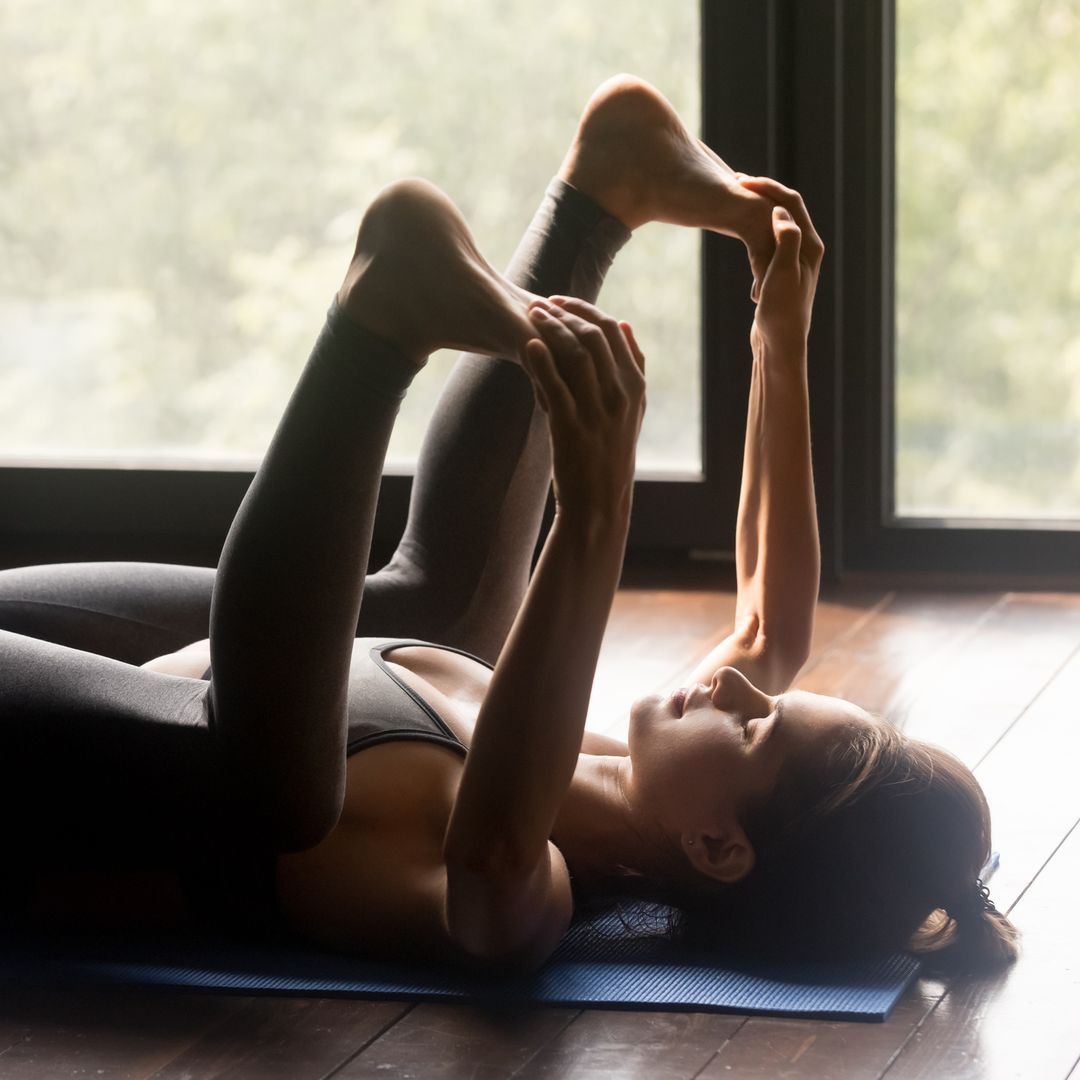
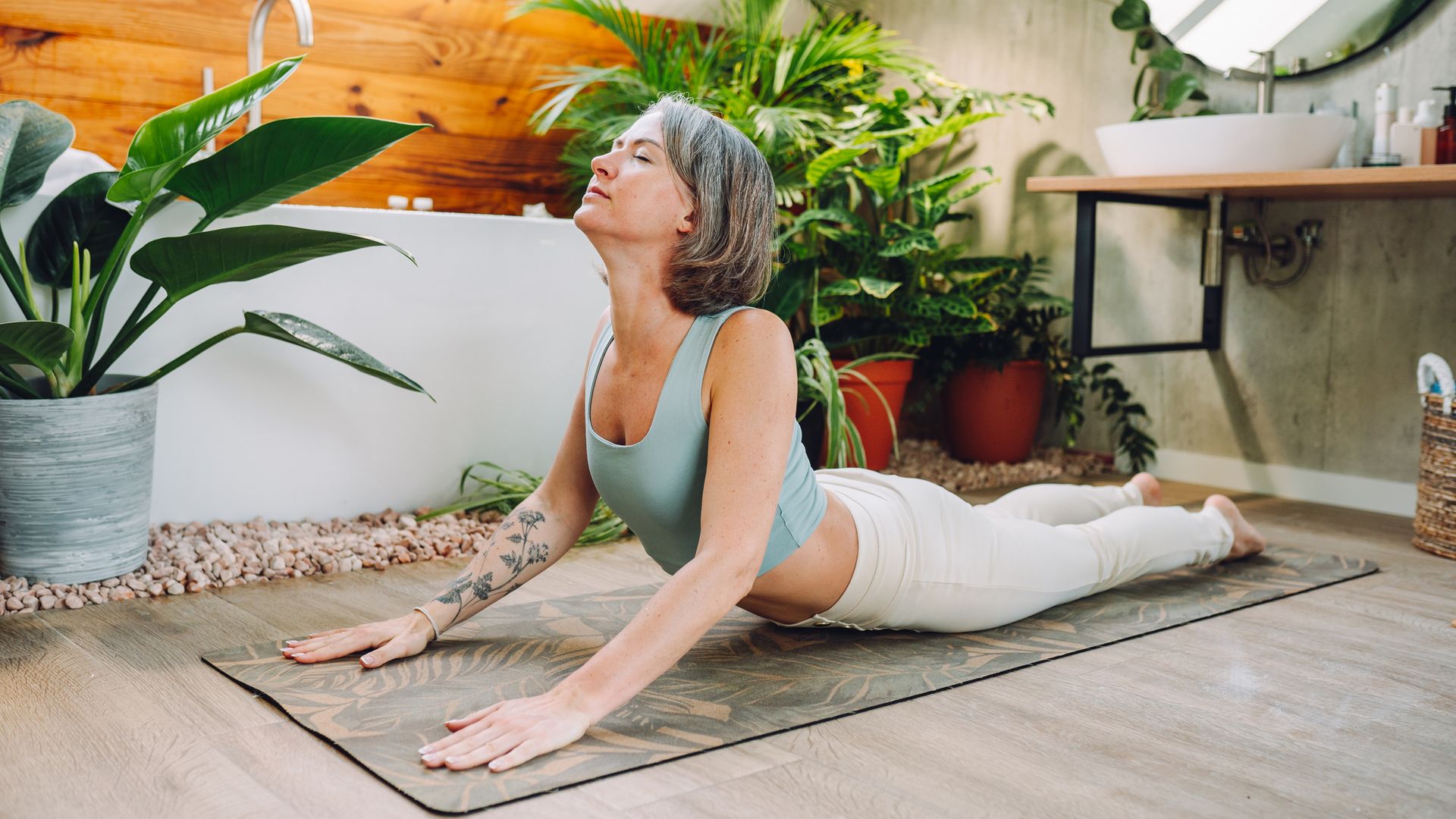
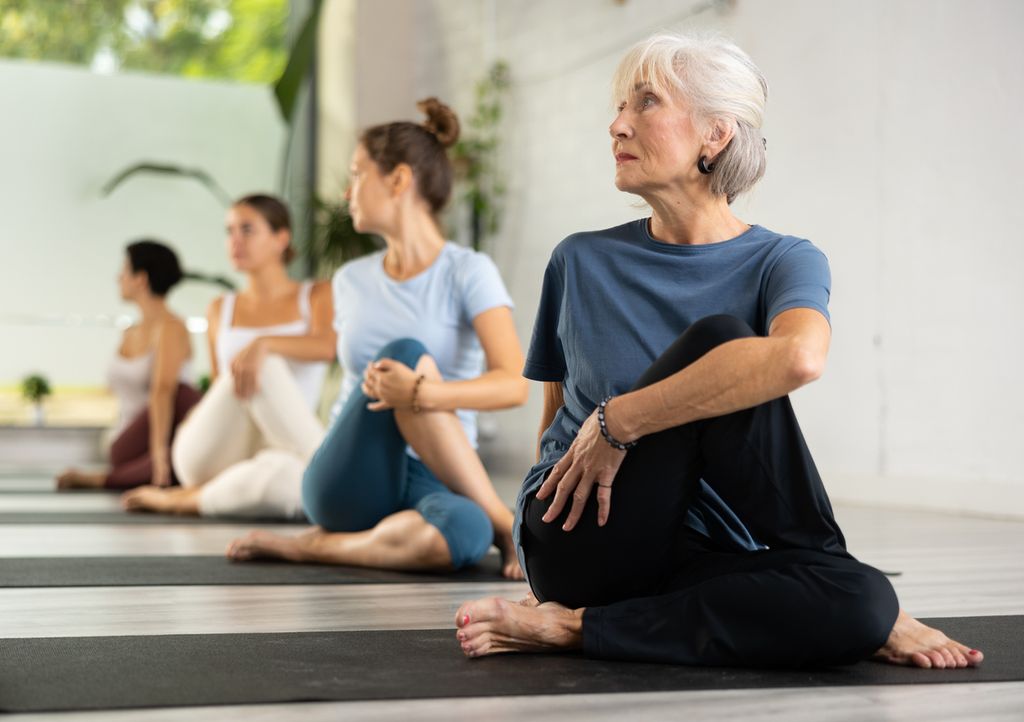
Yoga is an ancient discipline that combines physical postures (asanas), breathing exercises (pranayama), and meditation.
 © Getty Images
The main goal of yoga is to achieve the union between body and mind, and its benefits go far beyond increasing flexibility. These include:
- Stress reduction: Regular yoga practice can decrease levels of cortisol, the stress hormone, and improve mood.
- Better sleep: Evening yoga sessions are ideal for relaxing the body and preparing the mind for a deep, restorative sleep.
- Strengthened immune system: By reducing stress, yoga can also strengthen the body's natural defences.
- Increased self-esteem: The connection with the "inner self" helps to boost confidence and self-acceptance.
As Moya indicates, one of the key moments in yoga is Savasana, or the relaxation pose, performed at the end of each session. This pose allows the body to restore its energy balance and the mind to reach a state of deep peace. It is a simple yet powerful tool for eliminating accumulated tension.
Why choose Pilates? Benefits for core strength and posture
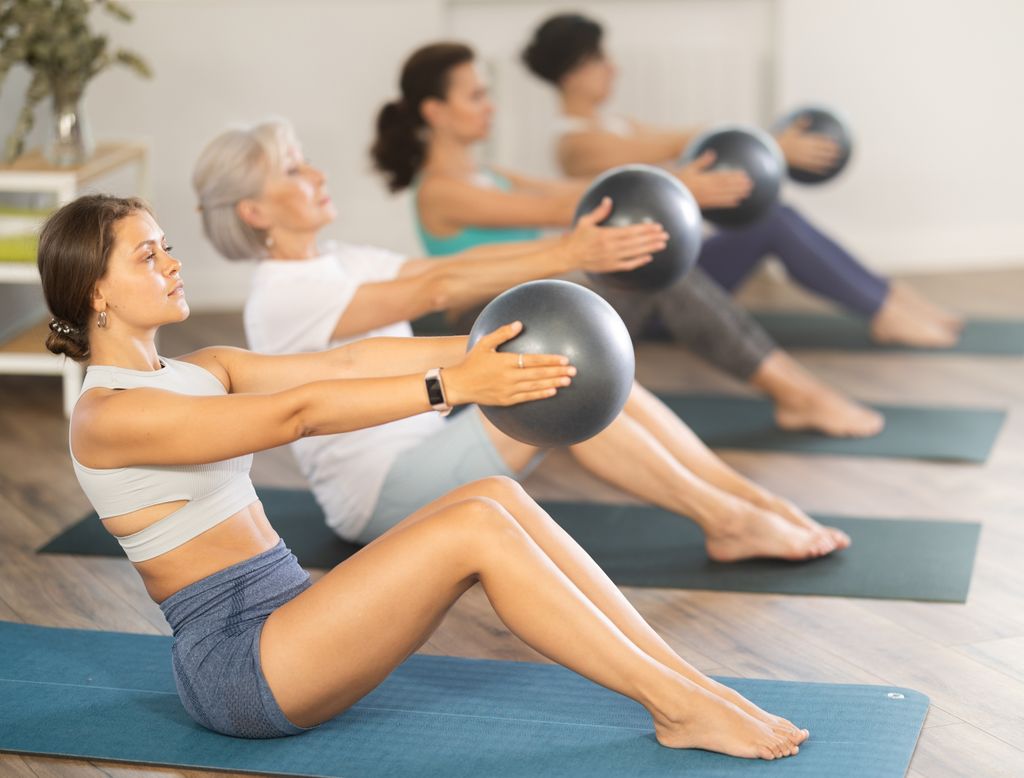
While yoga is about connecting the body and mind, Pilates focuses on strengthening the core and improving posture.
 © Shutterstock / BearFotos
This discipline, created by Joseph Pilates, is ideal for those looking to tone their body, prevent injuries and strengthen their back. Its benefits include:
- Muscle strengthening: Pilates works all muscle groups in a balanced way, which improves physical strength and endurance.
- Postural correction: It is especially useful for people with back pain or posture problems, as it reinforces stabilising muscles.
- Greater flexibility: Although not its main focus, Pilates also contributes to improving muscle elasticity.
- Injury prevention: By strengthening the core, it reduces the risk of injuries in daily or sports activities.
Unlike yoga, Pilates is more dynamic and physical, making it an excellent option for those seeking a more intense activity without losing the mind-body connection.
Both disciplines are compatible and can complement each other, so you might not have to choose between one and the other.
Yoga vs. Pilates: How to choose based on your fitness goals
The choice between yoga and Pilates depends on your personal needs and goals.
- If you are looking for a comprehensive practice that encompasses the physical, mental, and spiritual, yoga might be the best option. It is especially recommended for those who need to reduce stress, improve flexibility, or work on their inner connection.
- If your priority is to strengthen your body, improve your posture, or complement a sports regimen, Pilates is an ideal choice.
 © Getty Images
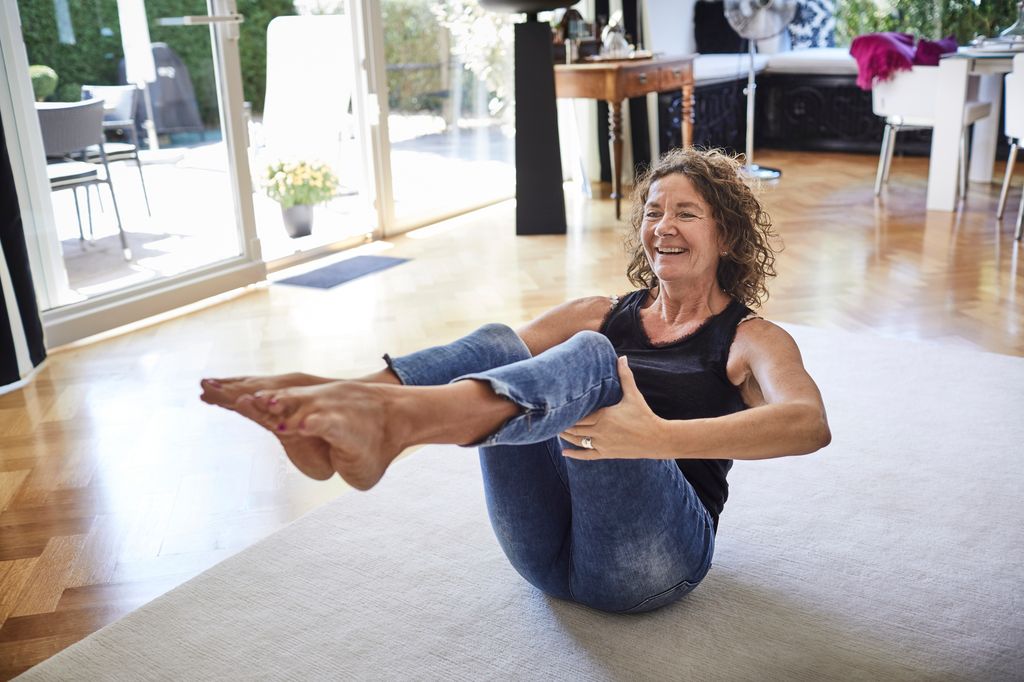
Keep in mind, however, that both disciplines are compatible and can perfectly complement each other in a weekly routine.
Pro tips: How to start your yoga or Pilates journey
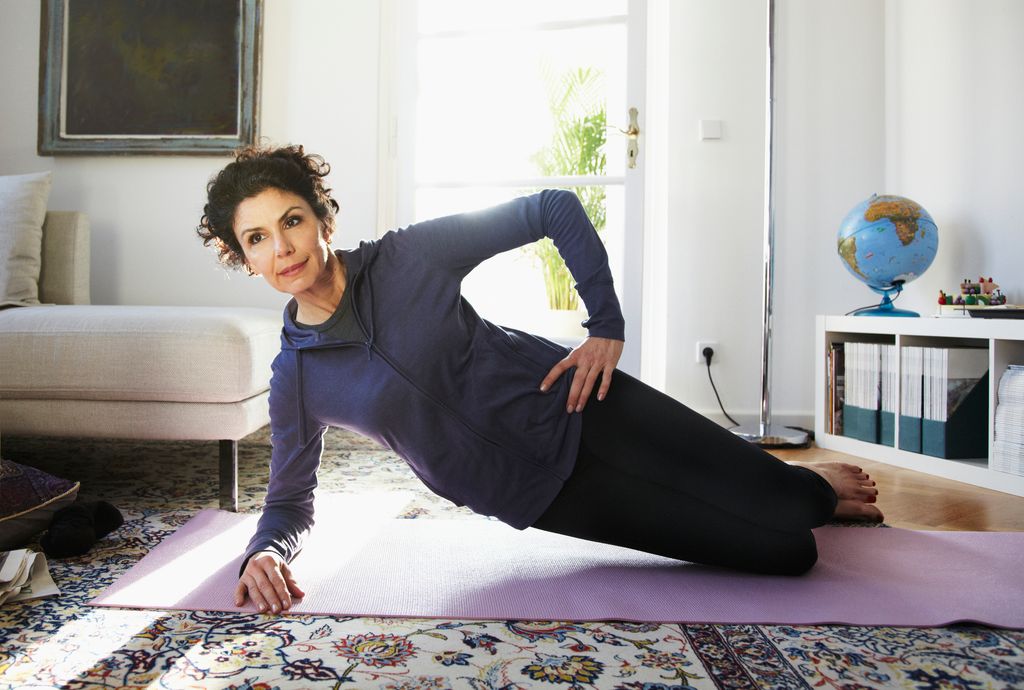
If you are keen to start practising yoga or Pilates, these practical tips can help you get the most out of them. For example, setting a fixed time for practice is key, as doing it first thing in the morning allows you to start the day with energy, while practising in the evening helps to release tension and relax before bed.
 © Silke Woweries
It is essential to disconnect from distractions by turning off your mobile and other electronic devices to focus fully on the activity without interruptions.
Furthermore, choosing an appropriate space is also important: look for a quiet place, preferably with natural light, and put on relaxing music if you are indoors. Finally, practising barefoot improves grip and stability in the postures, optimising the experience in both yoga and Pilates.