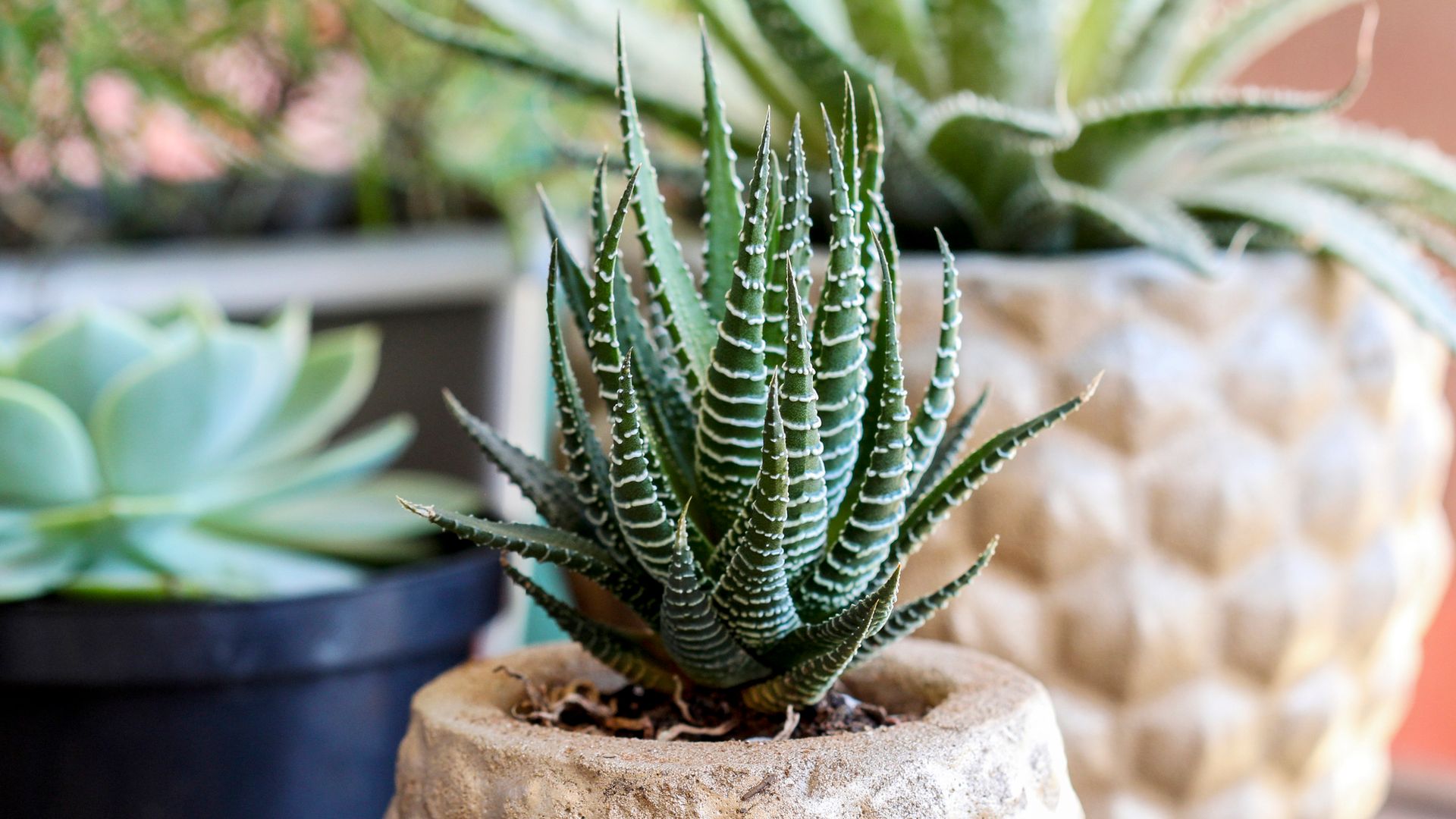
If you're looking for a beautiful but easy-to-care-for houseplant, a zebra succulent, scientifically known as Haworthiopsis attenuata, is the one for you. Sculptural and chic with distinctive, fleshy green and white pointed leaves, this plant is ideal if you want to bring a bit of relaxing, mood-boosting nature indoors, but don't want a plant you'll have to care for constantly or worry about while on holiday. Formerly known as Haworthia attenuata, this plant should be on your radar if you're looking for something that's, well, in plain terms, hard to kill. Because for those who don't exactly have a green thumb, the best thing about this zebra succulent is that it's one of the hardiest plants out there, making it a no-fuss choice for beginners. If you're not convinced, don't worry - I'll explain everything you need to know, from its origins to how to care for it.
Origin and characteristics of the zebra plant
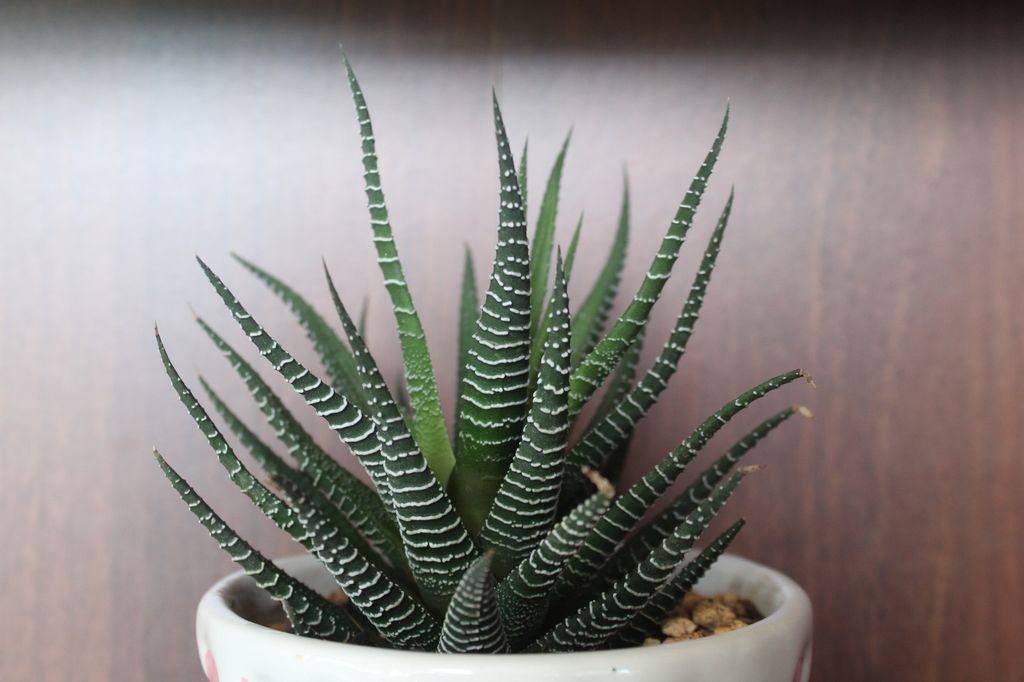
The zebra succulent - which people sometimes confuse for a cactus or medicinal aloe vera plant - gets its name from the distinct white speckled stripes that cover its leaves. It's really well-suited for the low-effort indoor life, and it's no wonder: native to the rocky, arid terrain of South Africa, this plant's origins and natural habitat have made it incredibly resilient.
 © Getty Images/iStockphoto
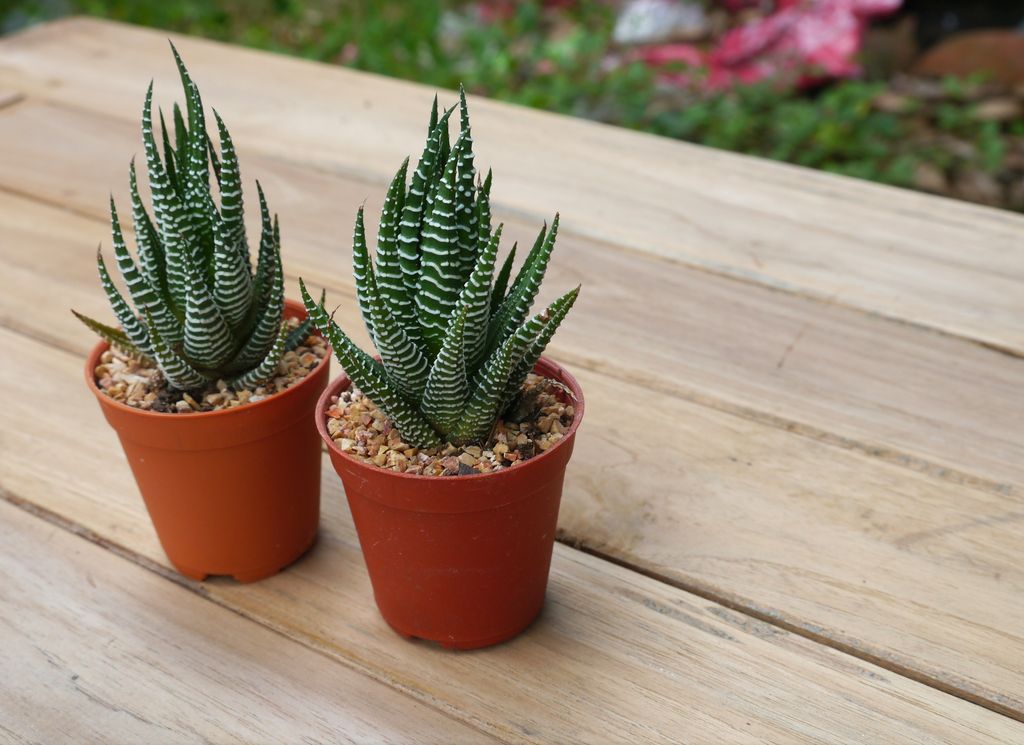
What I love about it is that it doesn't need frequent watering or care to thrive. Perfect if you have a reputation as a plant-killer but have always wanted a jungle-like home interior full of green. With a compact, rosette shape, the zebra succulent adds a sculptural touch to any space. Reaching a height of about six inches (15cm), it's the perfect size for just about any corner of your home, no matter how tiny.
How to keep a zebra plant alive indoors: light requirements
One of the needs of Haworthiopsis attenuata is light, but not too little... and not too much. Indoors, it needs a well-lit spot, but you don't want to put it anywhere that gets a lot of direct sunlight. An east or south-facing window is ideal, as long as you filter the light with a curtain if you're in an area with very bright sun. But also bear in mind that if you place it in a spot that's too dark, the plant will start to fade and the leaves will lose colour.
You can place the versatile plant just about anywhere - on a desk in your home office, on a shelf in your living room or bedroom, or even in the bathroom - if there's enough natural light.
The zebra succulent sometimes gets mistaken for a cactus or an aloe vera plant, but it's neither. It is, however, just as easy to care for
The ideal temperature for the zebra succulent
Haworthiopsis attenuata thrives best in temperatures on the warmer side, between 18°C and 26°C (64 to 79°F). If you keep your plant outdoors during the warmer months, remember to bring it inside if nighttime temperatures drop below 10°C (50°F). And as hardy as it is, keep in mind that, like other succulents, the zebra doesn't like to be exposed to frost or freezing temperatures.
You'll also want to avoid placing it near heat sources or in poorly ventilated spaces - your zebra succulent won't be fond of temperature spikes or overly humid environments. A warm, bright, airy room will be its ideal home.
Watering: Not too much and only when needed
As a succulent, the zebra plant is designed to store water in its leaves, making it much more resilient to dryness and drought than it is to excess moisture. That's why the key to keeping your zebra plant healthy is to try not to overwater it, because the dampness will cause root rot.
When it comes to caring for this houseplant during the winter, you'll find that watering once a month is probably enough, but during the summer, aim for every two or three weeks. Focus on just dampening the soil and be sure to avoid getting the leaves wet. Most importantly, always wait until the soil is completely dry before watering again.
What type of water is best for this plant? Soft water is preferable, but you can always fill a bottle or watering can with tap water and then leave it standing for at least 24 hours before watering your plant. This helps chlorine to evaporate, and any limescale to settle at the bottom. Lastly, when using this technique for watering, be careful when pouring and don't shake the container. You don't want materials that have settled at the bottom to end up in your plant's soil.
The best soil for your zebra succulent
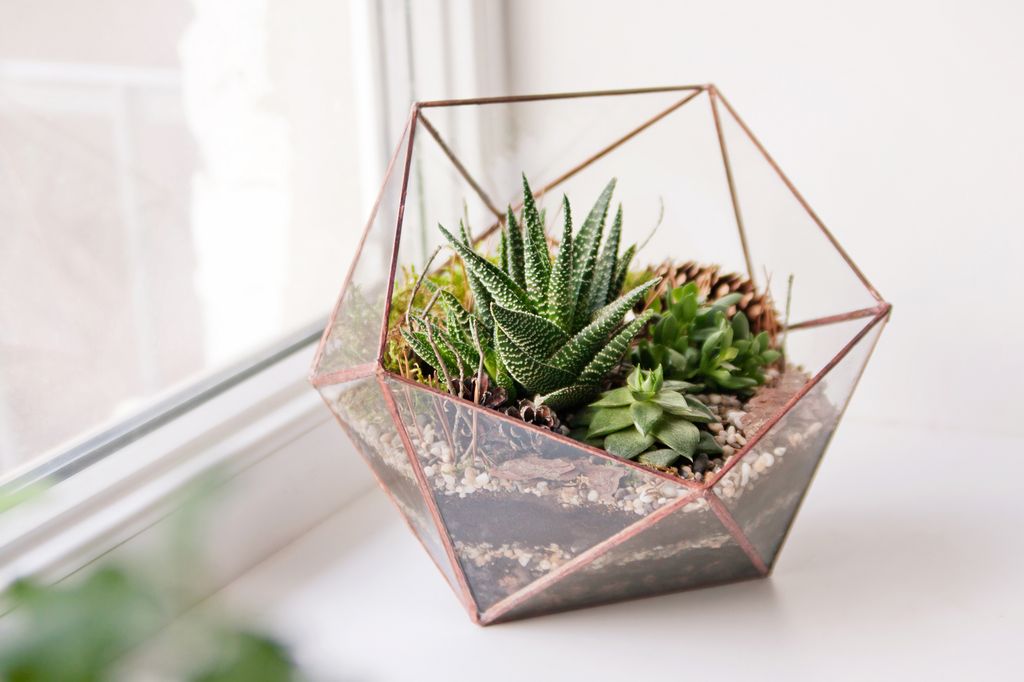
The most important thing to do for your plant is to choose a soil that drains well. Ideally, one that's specifically made for cacti or succulents. (If planted in soils that retain too much water, the zebra succulent's roots will suffocate, which leads to root rot.) You can also make your own substrate by combining 50 per cent universal potting soil with coarse sand and perlite.
It's also a good idea to plant the Haworthiopsis attenuata in a clay or ceramic pot with drainage holes, which will allow excess water to drain more easily. A thin layer of gravel at the base of the pot will also help with drainage.
 © Getty Images/iStockphoto
When and how to fertilise the zebra plant
The zebra succulent is definitely not a demanding plant, but it will appreciate some fertiliser during spring and summer, when it enters its growth phase. Be sure to use a fertiliser created specifically for succulents and only fertilise about every four to six weeks.
Remember that too much fertiliser will cause the leaves to warp and lose their gorgeously intense green colour. When fertilising, it's better to give the plant small doses that are spaced apart rather than overdoing it all at once. And when autumn and winter come, you won't have to worry about it! It's not necessary to fertilise your plant during the colder months.
How to propagate the zebra succulent
Haworthiopsis attenuata reproduces easily with offsets, which look like tiny baby zebra succulents, that sprout at the base of the parent plant. (You can also propagate it by using leaf cuttings, but the process takes a lot longer.)
When an offset has at least three or four leaves and small roots, you can carefully separate it and prepare to plant it in a new pot. There's an important step you don't want to miss, though. Be sure to let the cut end of the offset dry out for about 24 hours before transplanting it to a new pot. That will help prevent root rot in the new plant.
 © Getty Images/iStockphoto
Haworthiopsis attenuata: Common problems and how to solve them
Although it's a hardy plant, you should be aware of certain signs that your zebra succulent is not thriving.
- If the leaves start to wrinkle or lose their rigidity: The plant most likely needs some water.
- If leaves are soft, brown or look transparent: The problem is usually overwatering.
- If spots appear, or if leaves look red: You may have exposed the plant too much to direct sunlight.
As for pests? Mealybugs and aphids might appear, especially if your plant is in an enclosed, warm environment. To eliminate bugs, wipe the leaves with a cotton pad soaked in rubbing alcohol that has been diluted with water. You can also spray potassium soap. Essentially, proper ventilation, natural - not direct - sunlight and correct watering are your best bets to avoid most of the potential problems with this easy-to-grow plant.
Do zebra succulents flower? Yes, but don't get excited
Although the zebra plant is a succulent that can produce blooms, flowering is definitely not its main attraction. During spring or summer, like many other succulents, it may produce a long stem with small white or greenish tube-shaped flowers. These blossoms don't have a smell and aren't particularly decorative, although you'll be happy to know they're at least an indication that your plant is flourishing.
You can leave the flowers alone or prune them without affecting your plant's health.
Why choose the zebra succulent for your home?
This plant is a great choice for beginners or small indoor spaces because it's pretty, it's compact, and it's easy to care for. It really adapts to almost any space and gardening skill level.
The small size makes it ideal, and its sleek geometric shape and striped leaves make it a bit more elevated than plants with similar vibes, like cacti and aloe vera. And it's perfect if you're looking for houseplants that don't need much care.
Just follow my tips, and your zebra plant will be bringing your house joy and beauty for years to come - and with minimal maintenance.