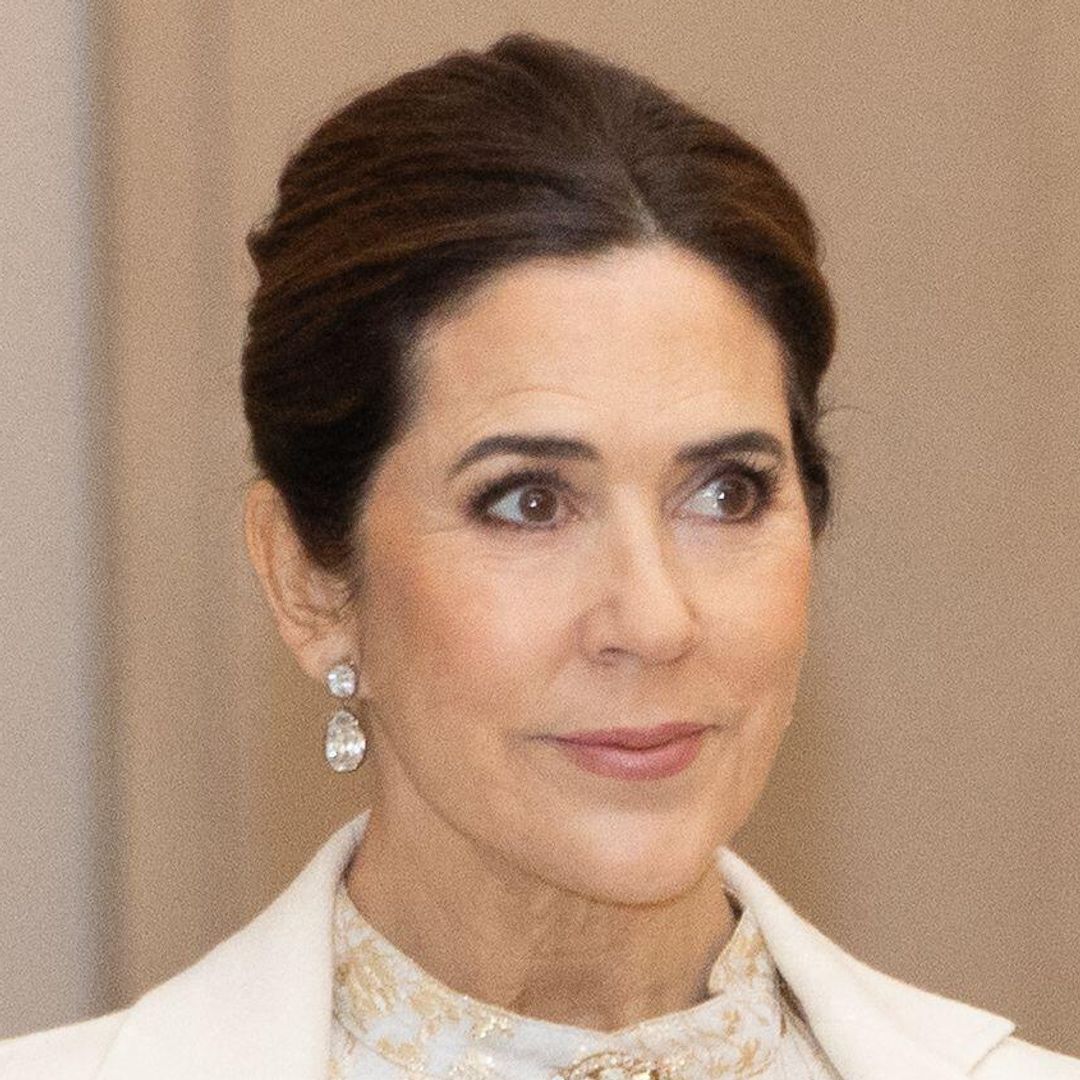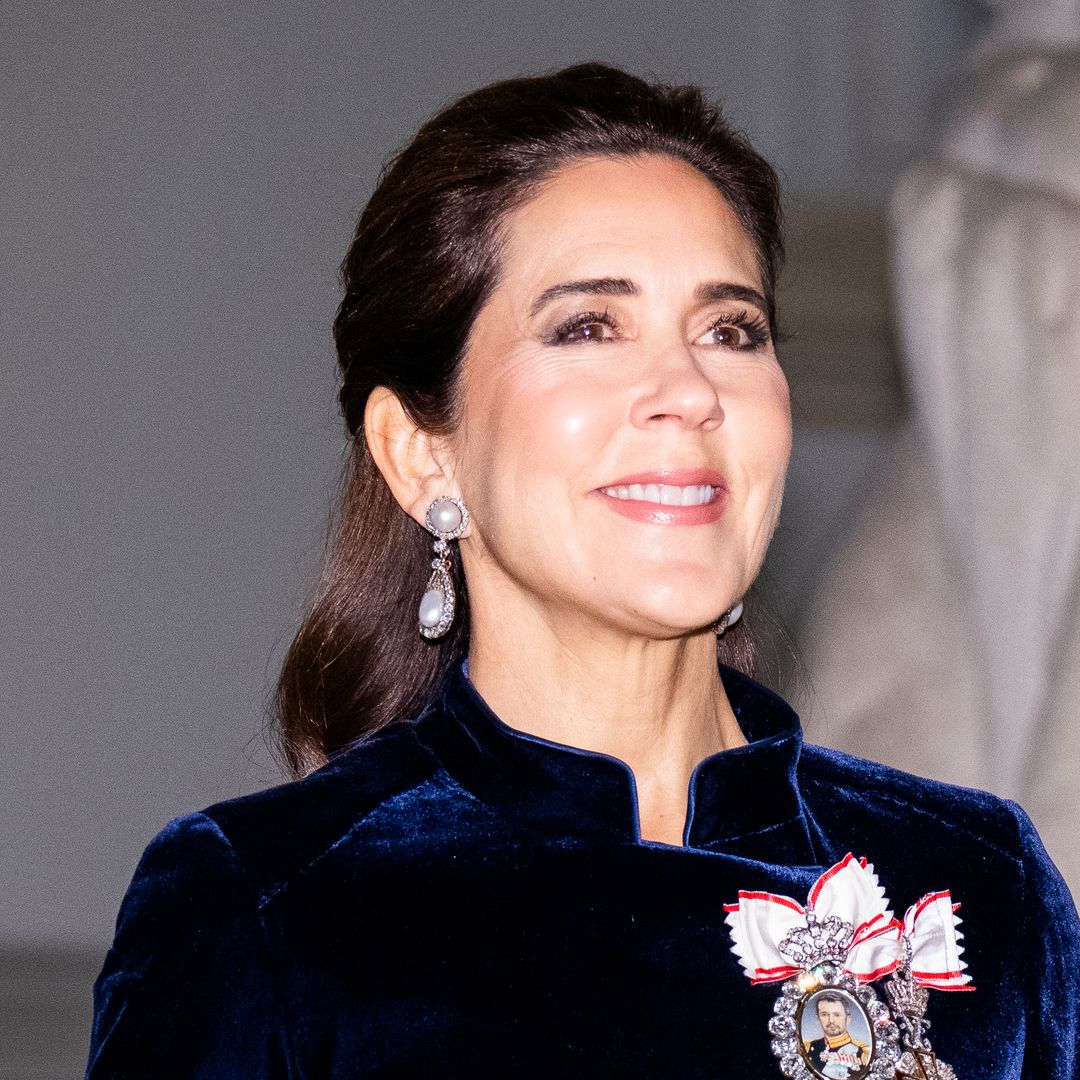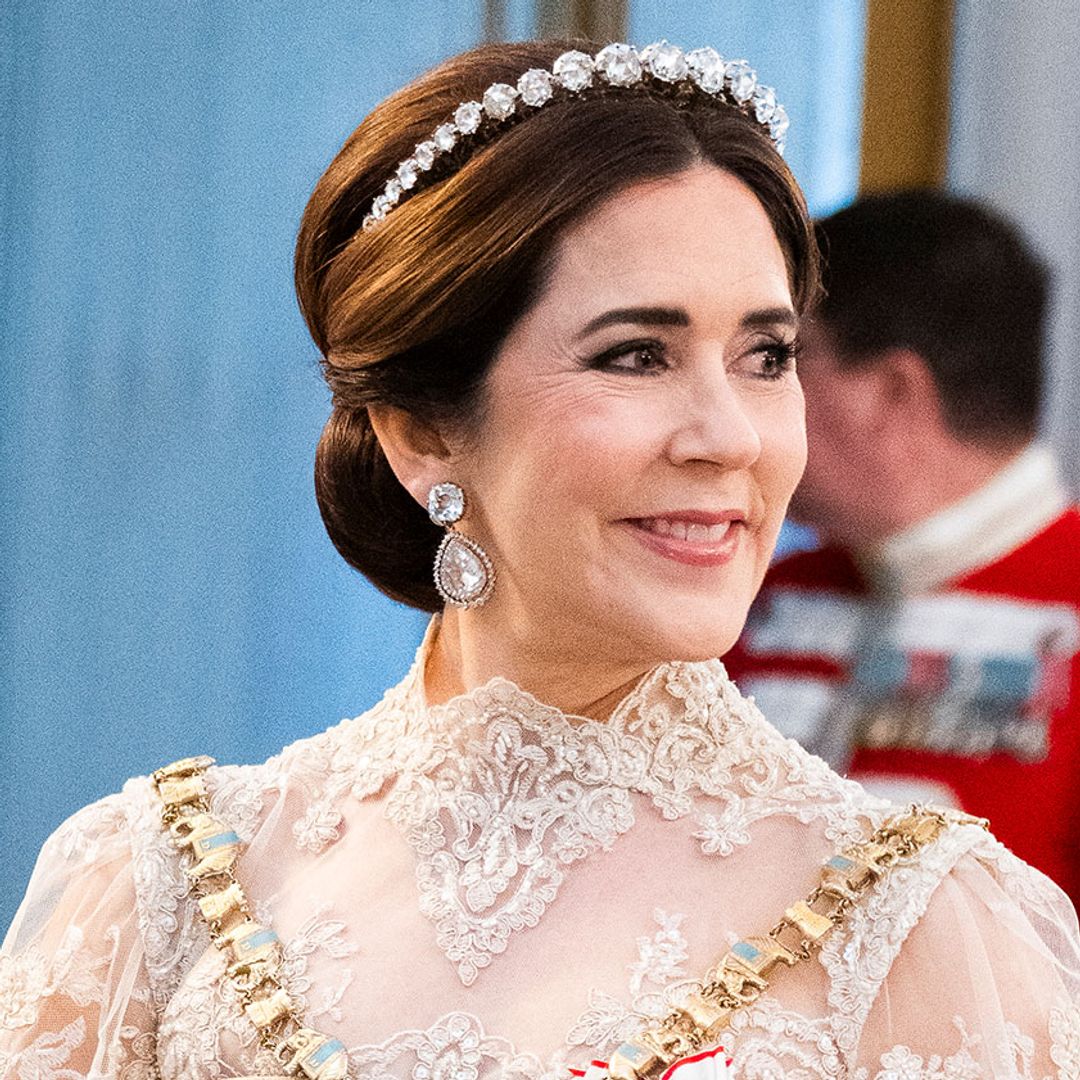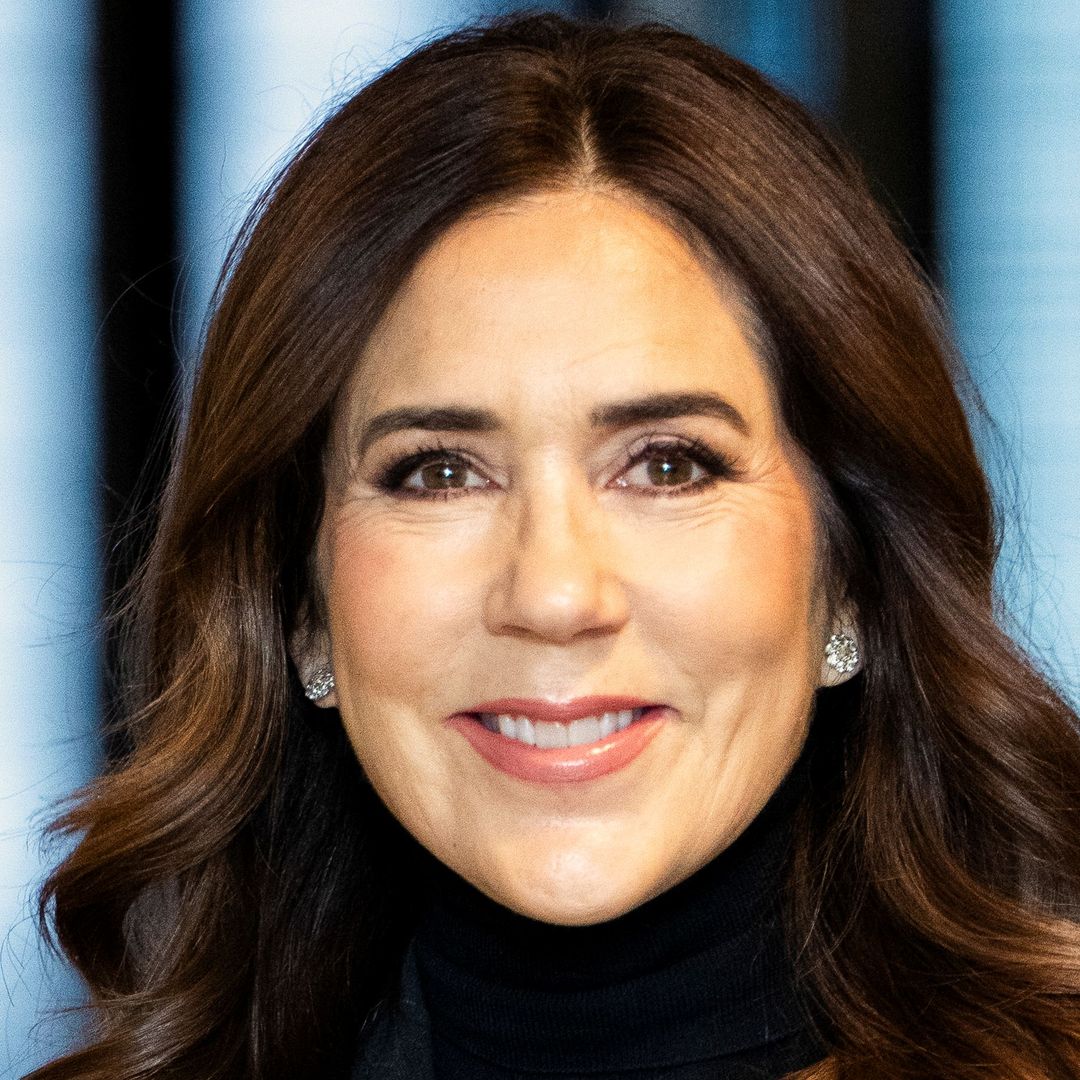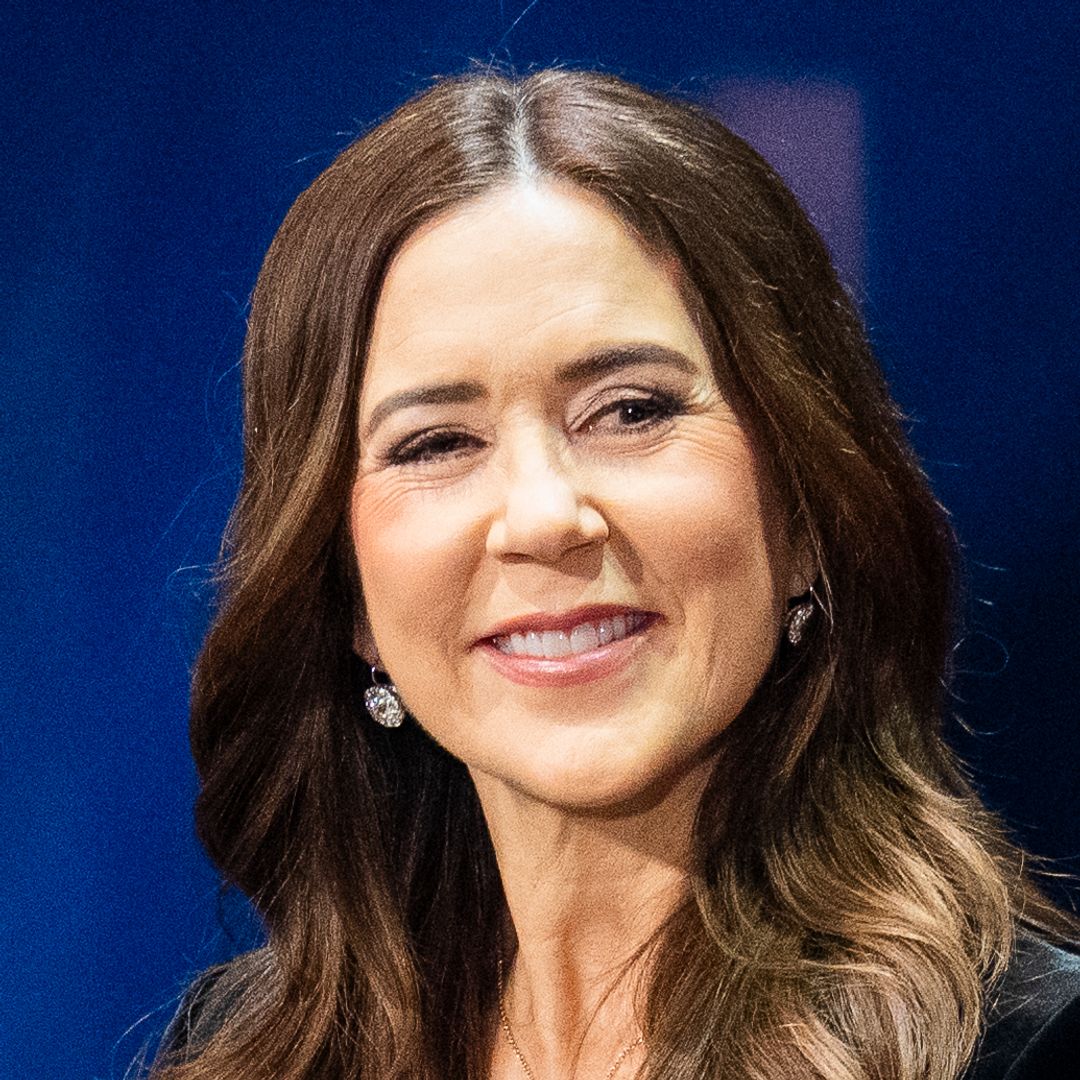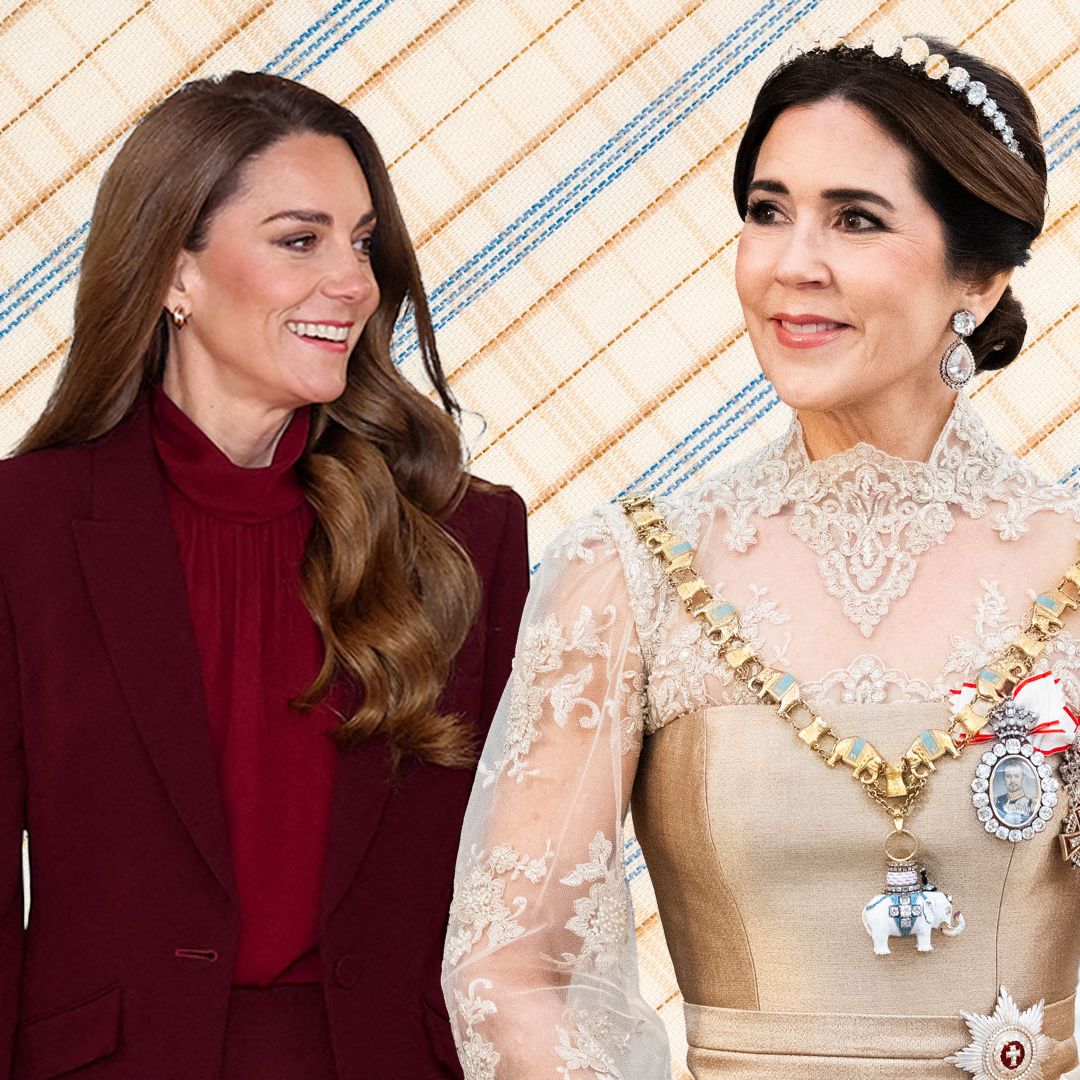
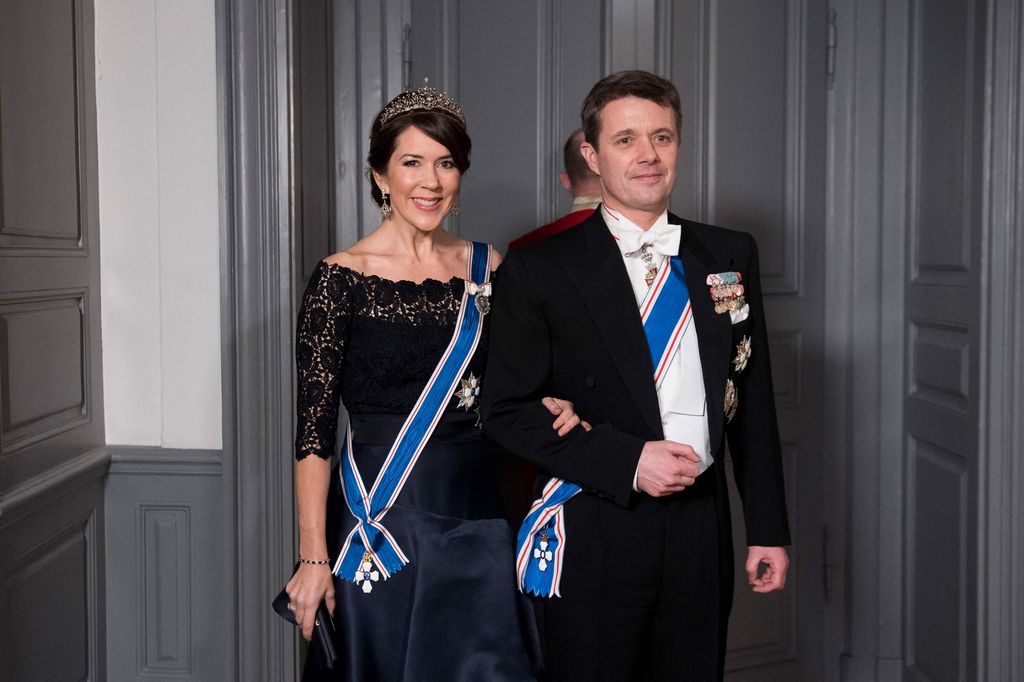
Queen Mary of Denmark has worn a number of royal tiaras since marrying King Frederik in 2004, but she has one trick up her sleeve for securing the most beautiful tiaras that other royals have yet to try. The Australian-born Danish royal, 53, has not only worn tiaras that have been gifted or lent to her, as the Princess of Wales and other royal ladies have done, but she has acquired her own tiara by purchasing it at auction.
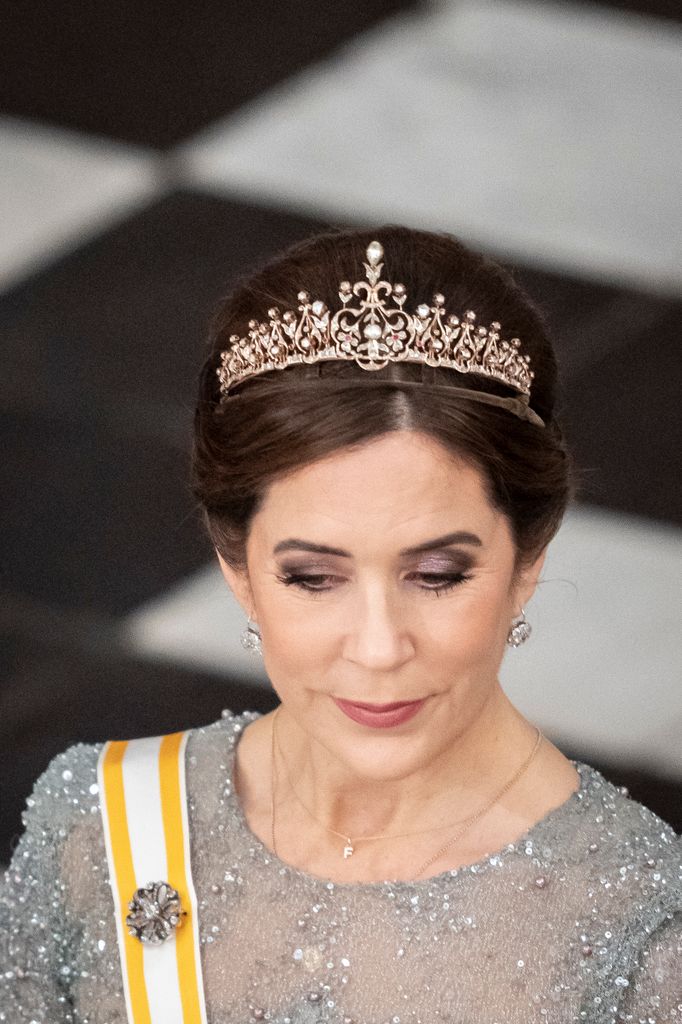
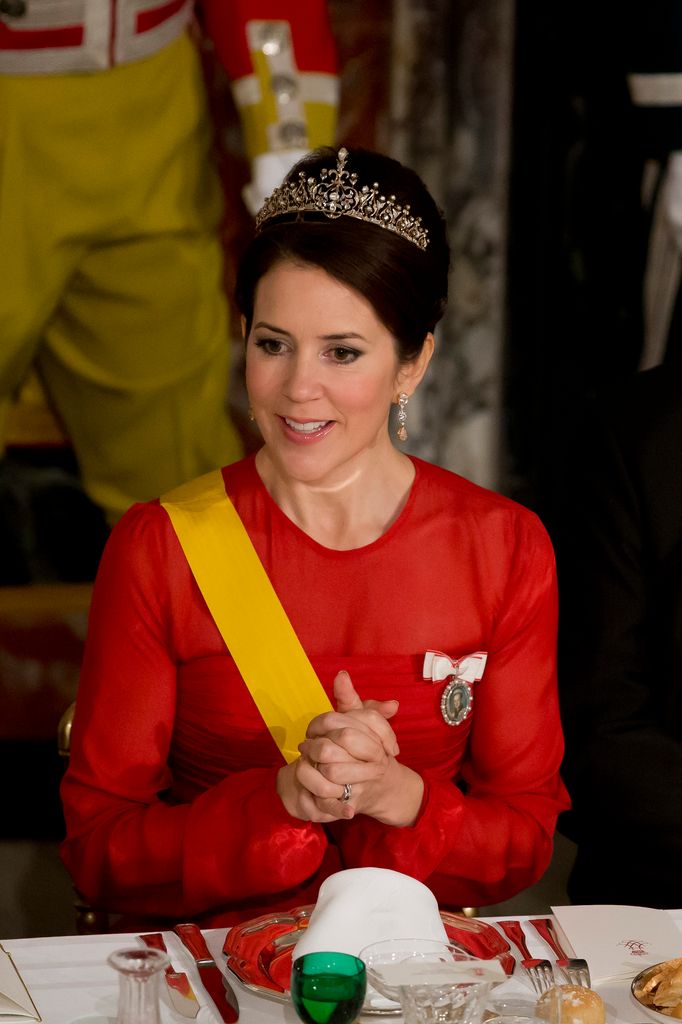
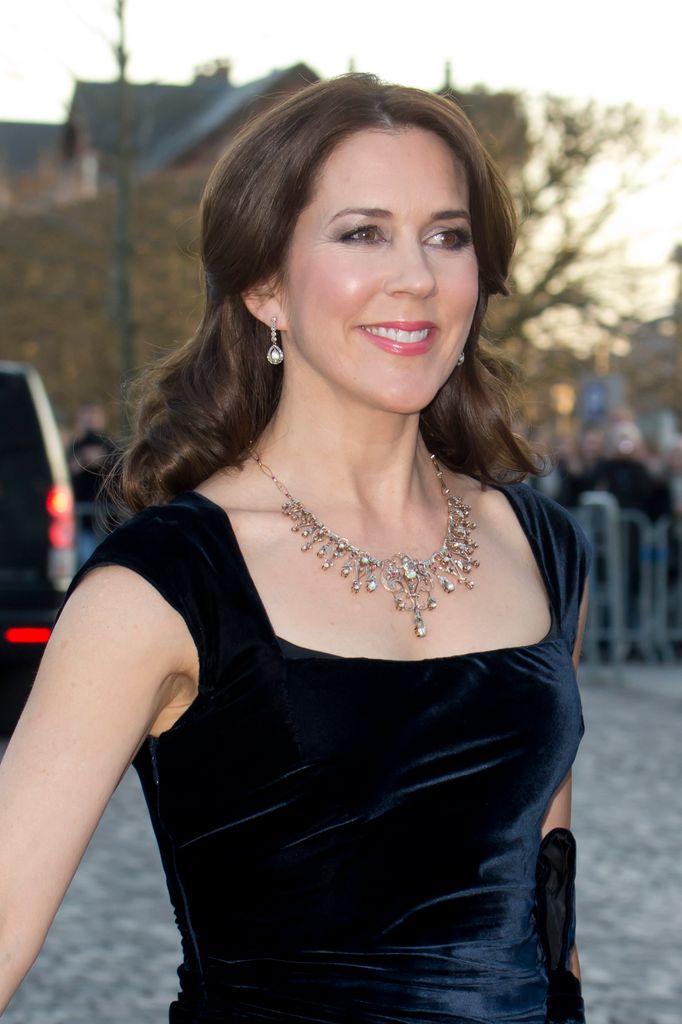
According to The Court Jeweller, the queen's beautiful Edwardian tiara was acquired at auction in 2012, in the form of a convertible necklace that came with matching earrings.
 © Getty
She purchased the pieces from Bruun Rasmussen auction house in Copenhagen, the catalogue from which described them as "a diamond jewellery set comprising a necklace and a pair of later ear screws set with numerous rose and old-mine-cut diamonds, circular-cut rubies and spinels, mounted in 14-carat gold and silver." They sold for 8050€ (approximately £6980).
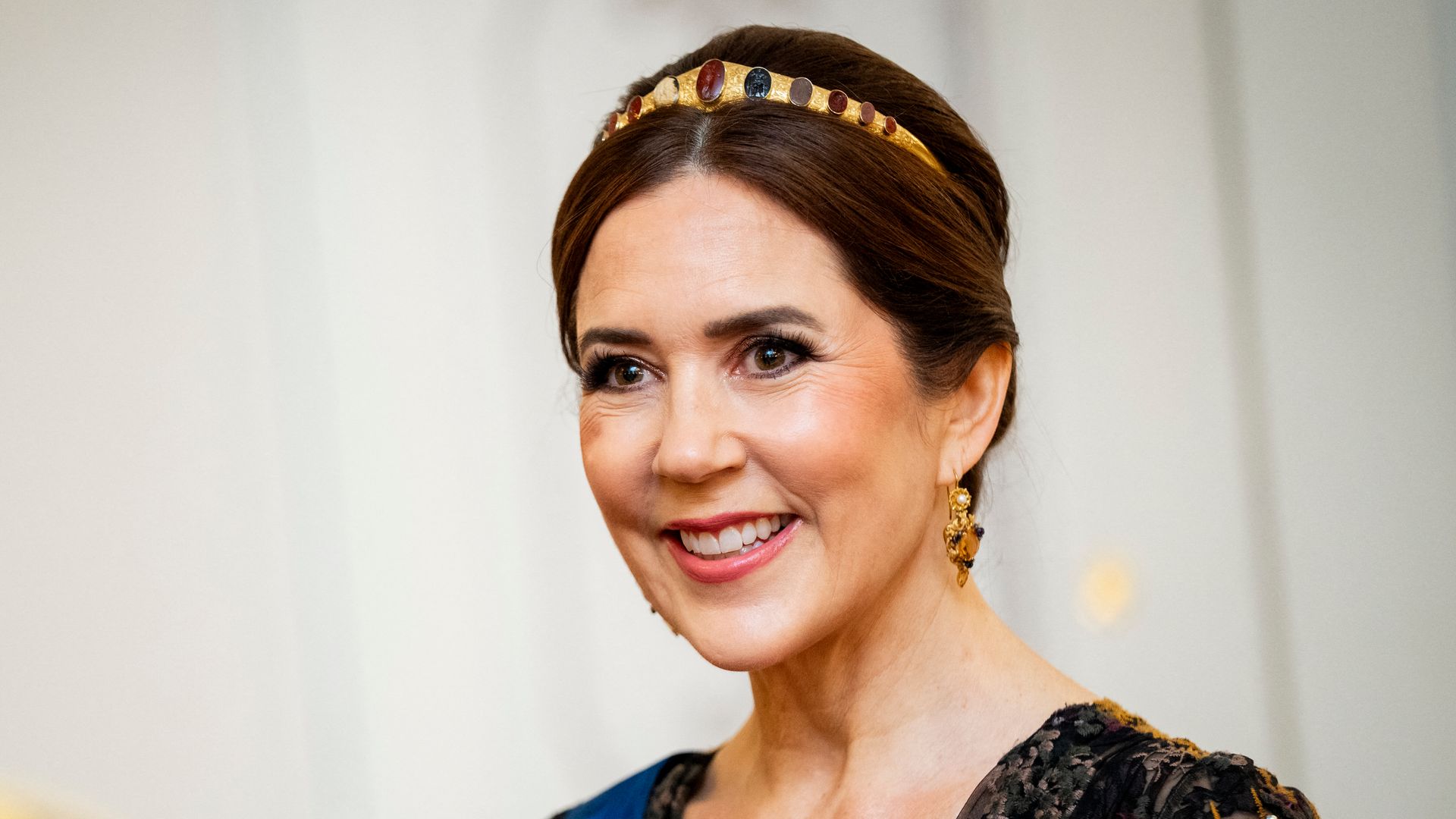
Queen Mary's auction-bought tiara revealed
Mary didn't debut the piece in public for another three years when she attended Queen Margrethe's birthday party at the Concert Hall Aarhus in April 2015, wearing it as a necklace. This time gap was a result of the set needing some TLC, as a stone was missing upon purchase.
She wore it as a tiara for the first time in March 2016, while attending a gala at Christiansborg Palace celebrating Danish arts and culture. Her decision to purchase her own tiara is something that strikes Trang Do, an expert jewellery designer of eight years and curator who has worked with the likes of Cartier and Graff, as transgressive.
What does a jewellery expert make of Mary's purchase?
"From my perspective, Queen Mary's approach to tiaras is quietly radical by royal standards," Trang tells us. "Rather than relying solely on inherited heirlooms, she has actively acquired tiaras at auction, introducing pieces into the royal collection through her own discernment and taste.
 © Getty
"This is highly unusual within European monarchies, where tiaras are traditionally passed down through generations and worn as symbols of dynastic continuity rather than personal choice," she continues. "By purchasing tiaras herself, Mary shifts the narrative slightly, from inheritance alone to intentional curation."
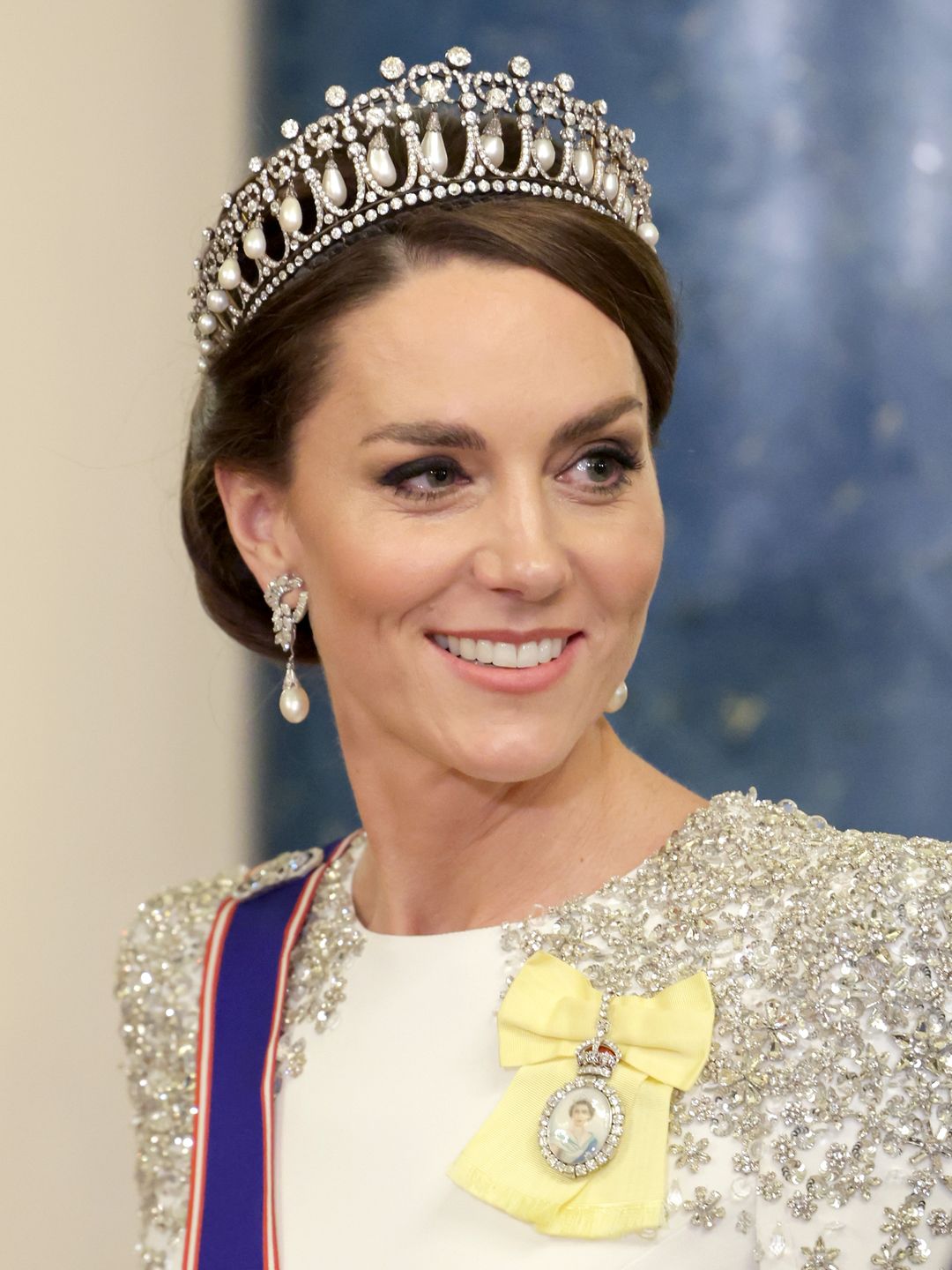
The expert adds: "What makes this particularly significant is that tiaras are not merely decorative; they are loaded with symbolism, protocol and history. Most royal women, including Catherine, Princess of Wales, primarily wear heirloom pieces that reinforce lineage and legacy, often selecting from a tightly defined vault of historic jewels.
 © Getty
"Mary's willingness to introduce new-old pieces, antiques with their own provenance but not tied to her family line, signals a more modern interpretation of royal jewellery, where craftsmanship and historic value can coexist with personal agency."
 © Getty Images
Trang says this decision is reflective of Mary's general approach to style and dressing, which she describes as respectful of tradition, but not bound by it. "By sourcing tiaras at auction, she preserves historical jewellery that might otherwise disappear into private collections, while also shaping a visual legacy that is distinctly her own," the jewellery expert explains.
 © UK Press via Getty Images
"From a jewellery standpoint, it's a fascinating evolution, one that positions tiaras not just as inherited symbols of monarchy, but as living artefacts that can be thoughtfully collected, worn and recontextualised by a modern queen."
Which tiaras has Queen Mary worn?
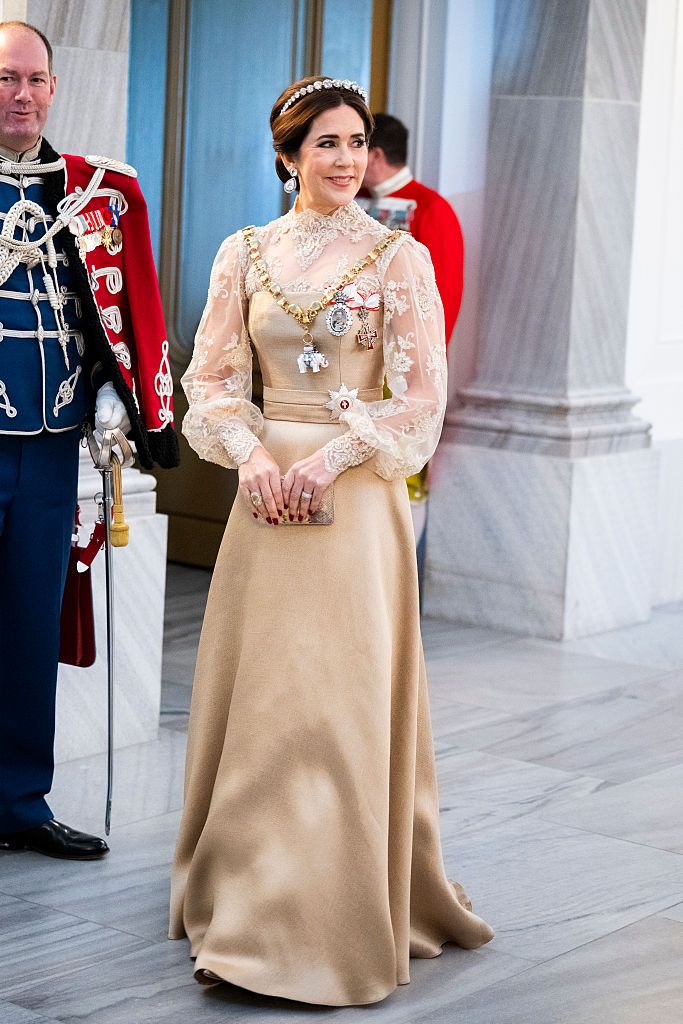
In terms of the other tiaras Queen Mary has worn, the stars of the show are the Rose-Cut Diamond Bandeau Tiara, which she wore to the New Year's Banquet on 1 January, and which was made from royal diamonds dating back to 1840.
 © Getty Images
She has also previously worn the Ruby Parure Tiara (a piece dating back to Napoleonic times), her wedding tiara, which was a gift from her mother-in-law, Queen Margrethe, and the Pearl Poiré Tiara, which has been in the Danish royal family since 1825.