
With summer in full swing, pool days are becoming something of a staple in lots of people's schedules.
Not only is it a great form of exercise, but it can also be relaxing, and it's a hobby that many find genuinely enjoyable.
But whether swimming for fun or exercise, it needn't come at the cost of our hair.
While caps are a great option, I can't be the only one who is immediately triggered and taken back to childhood swimming lessons just thinking about them.
My mother wrestling with one in the changing rooms, attempting to get it on my head, is a core memory of mine.
The question is, should we be worried about what swimming, specifically the high levels of chlorine, does to our hair? An expert has weight on the argument and addressed the facts once and for all.
Does chlorine cause hair loss?
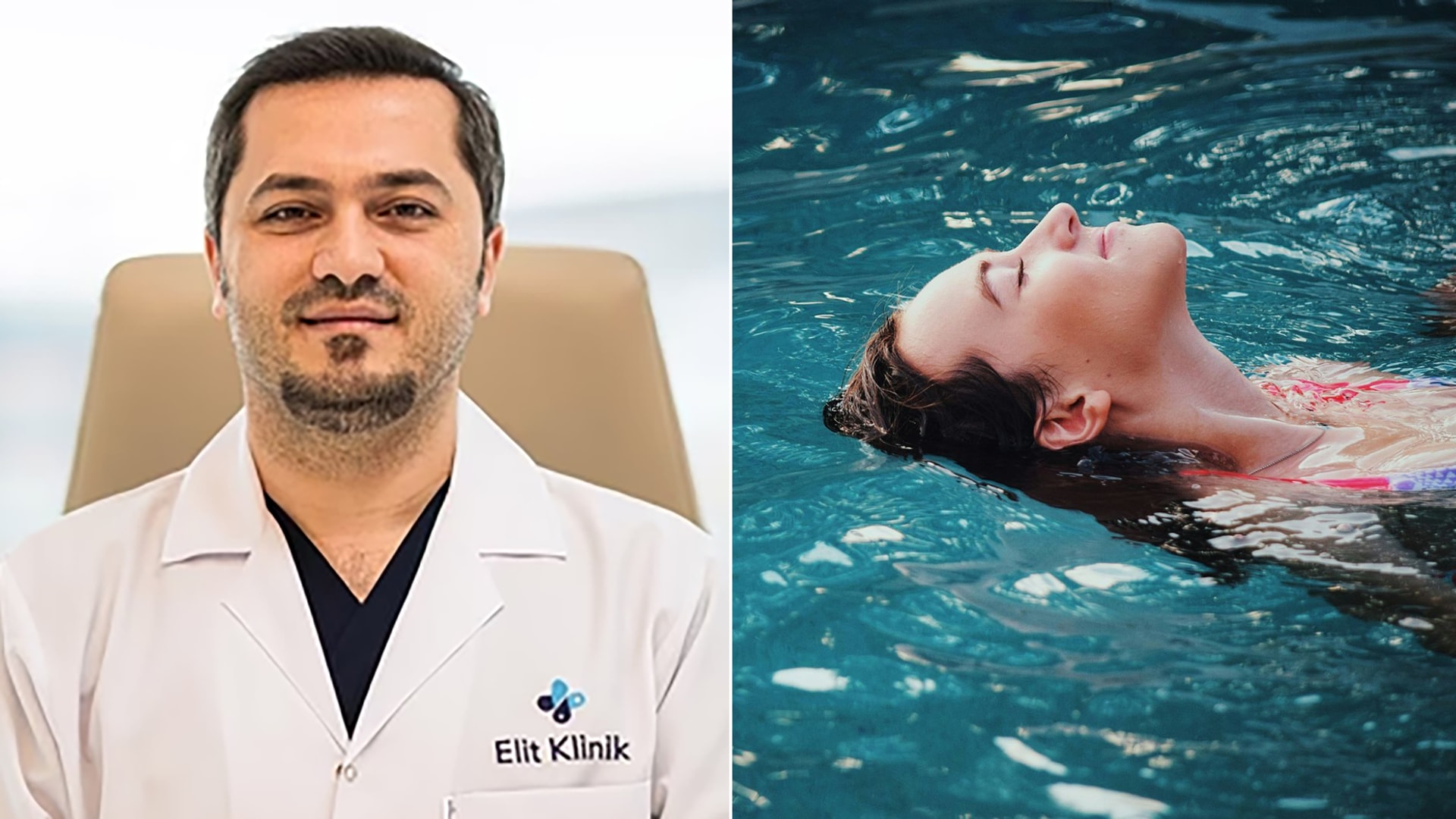
Dr Abdulaziz Balwi, leading hair doctor at Elithair Clinic, the world's largest hair loss clinic, breaks down the facts behind chlorine exposure and its true effects on your hair and scalp.
So, does it cause hair loss? Dr Balwi says, in short, the answer is no. Phew.
 © Getty Images
"Chlorine itself doesn't cause hair follicles to stop producing hair, but excessive exposure can lead to breakage and scalp irritation.
"In rare cases, scalp inflammation caused by chlorine may exacerbate existing conditions or trigger temporary shedding (telogen effluvium), but this does not involve permanent follicle damage."
He adds: "Hair breakage caused by chlorine can make hair appear thinner or more brittle, but it doesn't damage the follicle itself. This is a cosmetic issue rather than a medical one."
How does chlorine affect our hair and scalp?
Chlorine is important because it keeps the pH balance of a pool safe and ultimately disinfects bacteria and germs.
 © Getty Images
It's for this reason that it can strip your scalp (and skin) of essential oils, which can create dry and brittle ends, scalp flaking, frizz and increased susceptibility to breakage.
"When chlorine weakens the hair shaft, strands become more fragile and may break mid-length," explains Dr Balwi. "This can thin the appearance of hair, especially around the crown or ends, but it's not true hair loss from the follicle.
"Hair that breaks off due to damage isn't gone forever. Once you restore moisture and improve scalp health, new hair will continue to grow, and the damage is often reversible."
 © torwai
How to protect hair from chlorine damage
So, how do we protect our hair in the first place? Fortunately, there are a few ways to give our locks some extra TLC before taking a dip.
Firstly, pre-soaking your hair with fresh water can help fill the shaft with clean water, reducing the amount of chlorine it can absorb.
Applying a leave-in conditioner or hair oil before taking to the pool can help seal in moisture. After swimming, rinse immediately with clean, lukewarm water to wash away residual chlorine, before washing your hair with a gentle, clarifying (sulphate-free) shampoo to remove build-up.
And finally, the most effective way to mitigate damage? Those rubber swimming caps we'd rather forget. Maybe my mum was right after all.