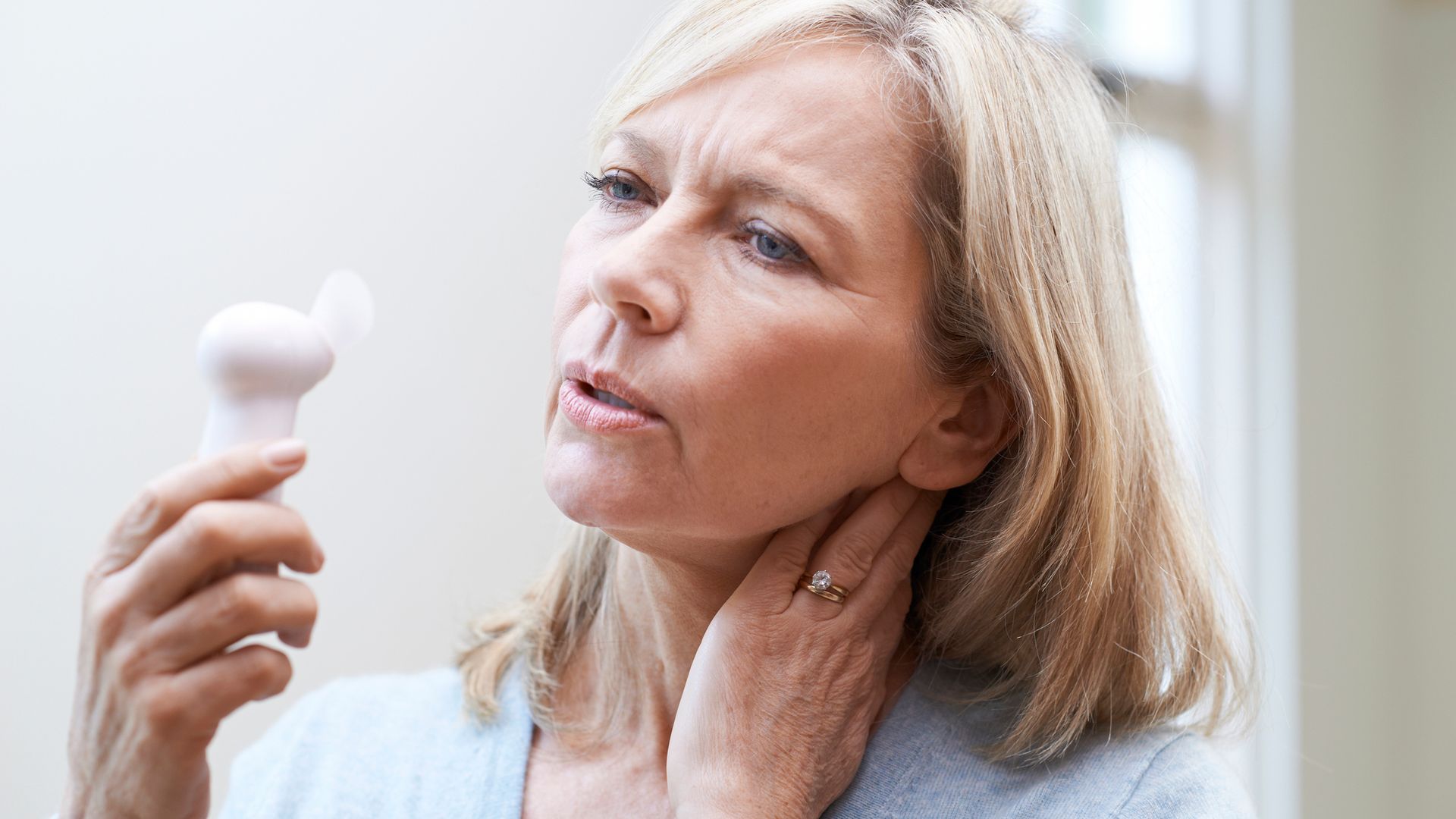
If you're in perimenopause or menopause, you likely know exactly what we mean when we talk about the agony of hot flushes (or hot flashes for our US readers). It's that sudden sensation of heat rising through your chest and neck, and up to your face, turning you red as you break into a sweat with barely enough energy to grab your hand-held fan. It's also very embarrassing (especially if you're in a meeting)! But what if we told you there are foods that can help you reduce them, both the frequency and intensity?
HRT and miracles aside, these are simple and easy changes to your diet that will help.
The right diet is not only key for overall health, but it also influences how the symptoms of menopause manifest. "Nutrition during menopause has both a preventive and protective aspect and, in some cases, even a therapeutic one," says nutritionist Raquel Clapés.
As the expert explains, it's a good idea to adjust what you eat during this stage to support the physiological and hormonal changes your body is going through.
There are no magic formulas, but there are four key ingredients that can be a great first step to feeling better if you add them to your diet. Here's what the dietician says to eat to keep your hot flushes at bay...
Soy: a natural ally for your hormones
Soy is a true superstar when it comes to making menopause a bit less difficult. It's rich in isoflavones, which are plant compounds that have a similar structure to oestrogen and have oestrogen-like effects on the body. They can help compensate, in part, for the hormonal drop that occurs during this time of life.
"Through a proper diet rich in nutrients, anti-inflammatories, antioxidants, and phytoestrogens, it's possible to prevent some hot flushes and sweats, reducing both their frequency and intensity," explains Clapés.
Soy isoflavones can be found in products like tofu, soy milk, tempeh and edamame. By regularly including them in your diet, whether in salads, chilled soups, stir-fries or even desserts, you can better manage symptoms like hot flashes and night sweats.
Flax seeds: a small but mighty force to fight hot flushes
Another excellent food to add to your diet is flax seeds, which are rich in lignans - another type of phytoestrogen that helps regulate the female body. According to the nutritionist, "Lignans help to balance hormone levels and are beneficial for women in menopause."
In addition, flax seeds contain fibre, which helps intestinal transit, and omega-3 fatty acids, which are great for your heart health. You can grind flax seeds (they're more easily digested that way) and add them to your yoghurt, smoothies, cold soups or homemade breads.
And if you want to alternate, sesame seeds are also rich in lignans, so you can combine both seeds according to your taste.
Lentils are a menopause superfood
Legumes, particularly lentils, offer more than just excellent vegetable protein, iron and fibre. They also contain isoflavones and zinc, a crucial mineral for regulating both the immune system and hormonal balance.
Zinc also plays a vital role in maintaining healthy skin, nails and mental well-being, all of which can be affected during menopause. Lentils are a good source of B vitamins, including B6, which supports the proper function of the nervous system and emotional stability.
Try them in salads with vegetables and vinaigrette, as a base for hummus, or in dishes combined with brown rice and flax seeds. Lentils are filling, simple to prepare and incredibly versatile.
Strawberries: sweet, fresh and loaded with Vitamin C
Red berries, especially strawberries, are a powerhouse of vitamin C, antioxidants and anti-inflammatory compounds. During menopause, they can help you maintain healthy skin, strengthen your immune system, and, of course, reduce hot flushes. This is because they improve your body's ability to cope with oxidative stress - when your body doesn't have enough antioxidants - a key factor in menopausal symptoms.
"Your diet should provide the right amount of macronutrients and micronutrients to meet the needs that come with a woman's physiological changes," Clapés reminds us. Strawberries also offer extra freshness and flavour. Enjoy them on their own, with natural yoghurt, in smoothies or as a topping for porridge or salads.
Soy, lentils, flax seed and strawberries are the four key foods that will help you with hot flushes
If you don't have strawberries on hand, you can alternate them with kiwis, citrus fruits or red peppers, which are also rich in vitamin C and serve a similar function.
Other ingredients to help with hot flushes
There are many more foods that can help you relieve menopausal hot flushes. For example:
- Nuts such as walnuts, almonds and peanuts, which contain B vitamins and healthy fats.
- Oats, which are ideal for breakfast and provide sustained energy and vitamin B6.
- Oily fish - such as salmon or mackerel - for a source of vitamin D and omega-3.
- Eggs (especially the yolk) and dairy products enriched with vitamin D.
The combination of these nutrients can help not only to relieve hot flushes, but also can improve your mood, quality of sleep and energy levels.
What to avoid in your diet if you have hot flushes
What you leave off your plate is just as important as what you have on it. When it's hot outside or on days you're feeling more susceptible to hot flushes you should avoid:
- Hot drinks, spicy foods or soups.
- Caffeine, as it can increase the frequency of hot flushes.
- Alcohol. Like tobacco, it interferes with nutrient absorption and can worsen symptoms.
And, of course, don't forget to stay hydrated. "During menopause, it's essential to consume at least 2.5 to 3 litres of water a day, whether in the form of still or sparkling water, light herbal teas, cold broths or natural juices," the expert recommends.
Menopause is a natural process, but you don't have to just live with the discomfort. Small changes in your diet can help you much more than you might imagine. "Paying attention to what you eat not only helps relieve symptoms but also helps avoid the progressive or chronic health issues that can often come with this stage," concludes Clapés.