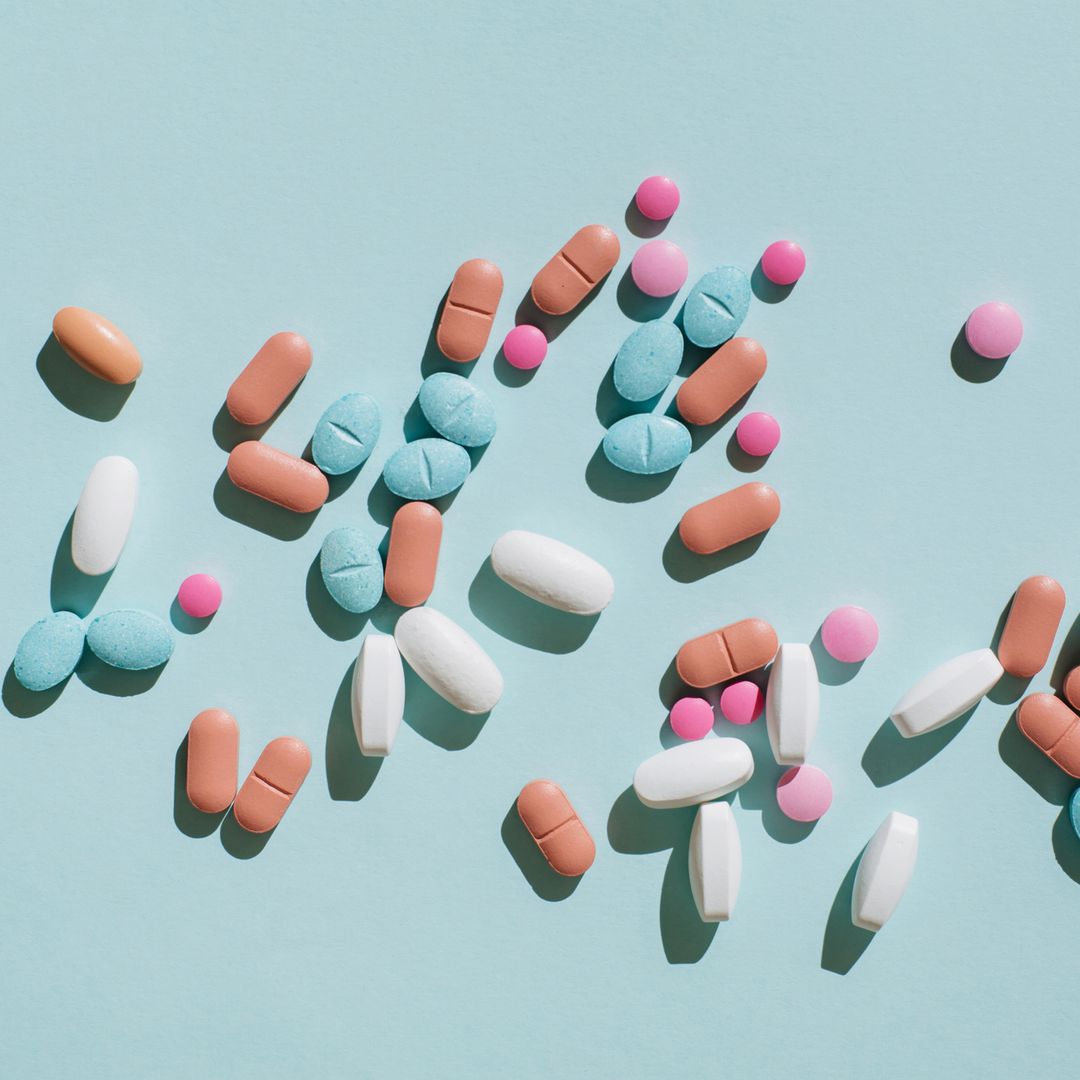

It's easy to brush off things like muscle cramps, tiredness or mood changes as just a part of life, but these may be a sign that your body is lacking in some key nutrients. Vitamin deficiencies don't always present with dramatic symptoms, but instead show in more subtle ways, such as dry skin or nails that break more than usual. However, when we tune into our bodies and recognise what these signs mean, we may notice that they are hinting at underlying issues and that they are not getting what they need.
I'm a health and nutrition coach, and these are the symptoms of vitamin deficiency to look out for, along with some of the foods that can boost your intake of essential vitamins and minerals.
How to know if you're lacking certain vitamins
Most people should be able to get enough of the nutrients they need through a balanced diet. However, our lifestyles, diets high in ultra-processed foods and other factors, such as being vegan, pregnant or taking other medications, mean that we are either not meeting daily vitamin requirements, or our bodies aren't able to absorb them as efficiently.
There are some symptoms that may point to particular vitamin deficiencies, but some of them may overlap, so it's best to check with a GP before introducing supplements.
Common deficiencies and their signs
Tiredness or fatigue:
 © Getty Images
Tiredness and fatigue, regardless of how much sleep you're getting, can be linked to deficiencies in nutrients like B12, iron, vitamin D, magnesium, and CoQ10. These vitamins and minerals all play key roles in energy production, oxygen transport, and nervous system function, so even a mild deficiency can leave you feeling drained. Spotting these signs early and addressing them through diet, supplements, or testing can help restore your energy and overall well-being.
To support your dietary intake of these nutrients, consider eating eggs, dairy, red meat, lentils, spinach, nuts, whole grains and fortified cereals.
Muscle cramps or restless legs:
Muscle cramps and restless legs can be signs of deficiencies in key nutrients like magnesium, iron, and vitamin D. Magnesium plays a crucial role in muscle relaxation, while low iron levels can disrupt dopamine function, contributing to restless leg syndrome. Vitamin D deficiency may also affect nerve and muscle health, making these symptoms more likely to appear when levels are low.
To boost your intake of these nutrients, focus on whole foods such as leafy greens, fatty fish, eggs, nuts, legumes, fortified cereals, and lean meats.
Brittle nails or hair loss:
 © Getty
Brittle nails and hair loss can be signs of deficiencies in nutrients like biotin (vitamin B7), iron, zinc, and vitamin D, which all support healthy cell growth and repair. When levels are low, the body may prioritise vital functions over hair and nail strength, leading to thinning, breakage, or shedding. These symptoms often develop gradually and may be easy to overlook until the deficiency becomes more pronounced.
To support healthy hair and nails, be sure to add foods rich in biotin, zinc, iron, and protein, such as eggs, salmon, leafy greens, nuts, seeds, and whole grains, to your daily diet.
Bleeding gums or easy bruising:
If you're often noticing bleeding gums when you brush your teeth or easy bruising, it could be a sign of vitamin C and vitamin K deficiencies. Low vitamin C weakens connective tissue and capillaries, while a lack of vitamin K impacts the body's ability to form clots, causing prolonged bleeding.
Try incorporating more vitamin C-rich foods into your meals, such as berries, peppers and citrus fruits. Meanwhile, leafy greens, like spinach and kale, are good sources of vitamin K.
Mood changes or anxiety:
 © Getty Images
Mood changes and anxiety can be signs of deficiencies in key nutrients like vitamin B12, magnesium, vitamin D, and omega-3 fatty acids. All of these support brain function and nervous system health, so when levels drop, they can disrupt neurotransmitter balance and lead to symptoms like irritability, low mood, or stress.
Salmon, eggs, leafy greens, nuts, seeds and whole grains are all good sources of B12, vitamin D and omega-3 that may help to boost your mood and support mental health.
Pins and needles or brain fog:
If you're frequently feeling a tingling sensation like pins and needles in your hands and feet, or have brain fog, it may indicate a deficiency in vitamin B12. This vitamin is vital for supporting red blood cell production and nerve health, and deficiencies are especially common in vegans and vegetarians, as it is mostly found in meat and dairy.
To boost your dietary intake of vitamin B12, incorporate foods like beef, salmon, tuna, eggs and dairy products. Fortified cereals are a source of B12 for those on a plant-based diet, but it is worth considering supplementation if you don't eat these foods on a regular basis.
When to see a doctor
If you're noticing any of these symptoms, a blood test from your GP can confirm any deficiencies. Many of these symptoms can also be related to other conditions, so it's important not to self-diagnose or take lots of supplements and see your doctor to pinpoint the root cause.