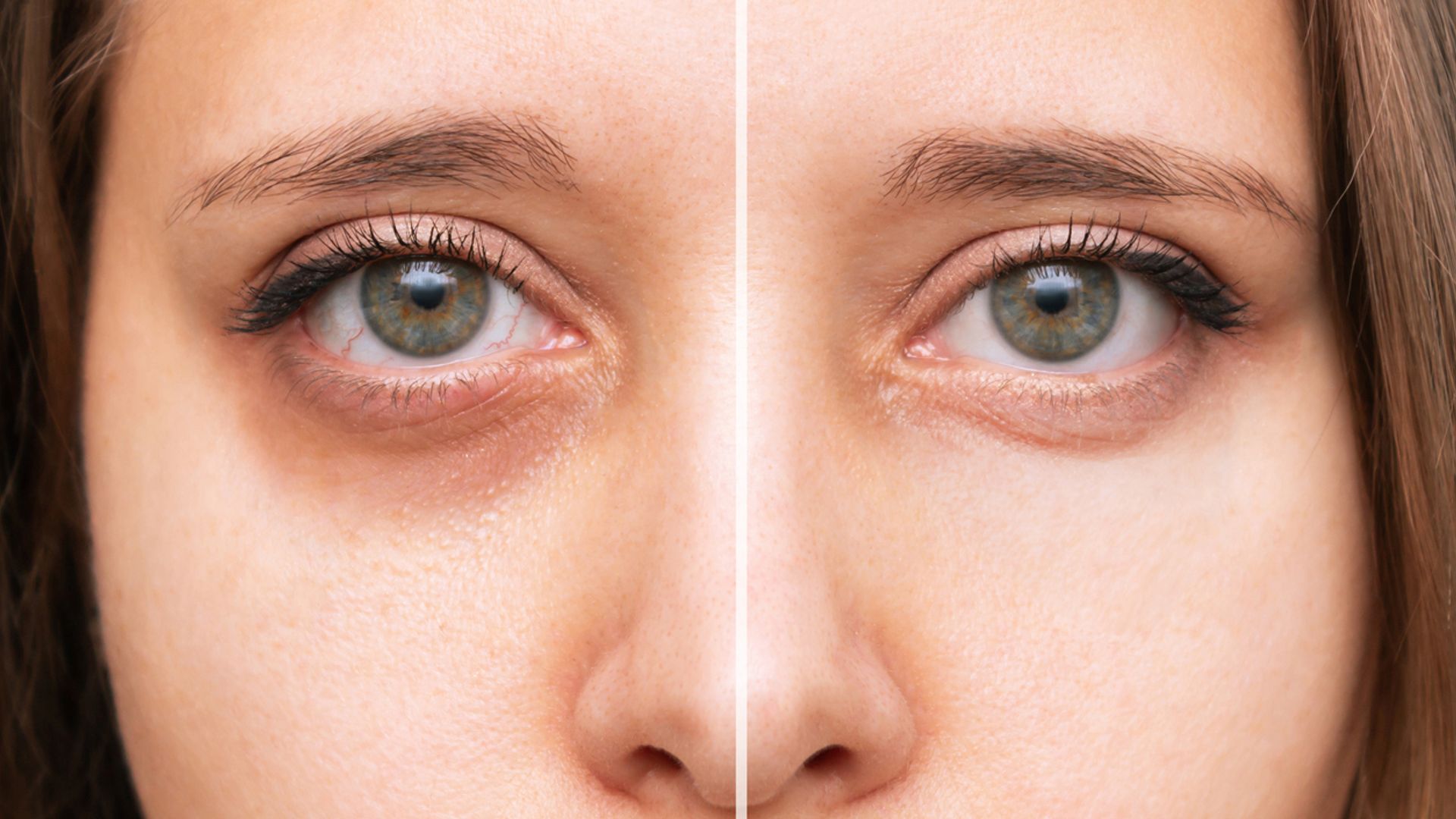
When it comes to the beauty questions I'm asked most often, I've noticed how frequently the topic of dark circles arises. There are so many influencing factors beyond our control (genetics, for instance, play a significant part) but it is important to know that other variables are within your power if you are trying to reduce the appearance of under-eye shadows.
Beyond sleep: Why lifestyle factors and genetics cause dark circles
"Some people simply have dark circles because they've genetically inherited thinner skin under their eyes or a higher concentration of pigment in that area," explains Gema Cabañero, founder of her eponymous Anti-Ageing and Advanced Aesthetic Clinic in Madrid, Spain.
However, lifestyle is also a crucial factor in understanding why some people struggle with under-eye shadows while others do not.
"Factors such as smoking, excessive alcohol consumption and a high-salt, nutrient-deficient diet can worsen skin health and make under-eye shadows more visible," says the expert.
Another significant cause? Lack of rest. "People who do not practise proper sleep hygiene are much more likely to trigger an inflammatory response in the body, which can lead to various skin conditions beyond dark circles.
"Additionally, sleep promotes hydration balance and the repair of the skin barrier," adds Cabañero.
To help prevent dark circles, the expert recommends that, alongside avoiding alcohol and tobacco, you should be particularly careful with sun exposure. "Don't expose your face to the sun for prolonged periods without adequate protection. This leads to excessive melanin production, which can result in hyperpigmentation in this delicate area."
The 4 main types of dark circles: Which one do you have?
To understand the causes and treatments, the expert distinguishes between four specific types:
- Genetic: These are hereditary and appear from an early age. They usually have a brownish tone and can be difficult to treat; however, their appearance can be improved with the correct aesthetic procedures.
- Sleep-Deprived: Lack of sleep causes a variation in blood circulation around the eyes. This leads to the dilation of blood vessels, making them visible through the skin and creating a bluish tint. Remember, quality sleep is essential for cellular repair and hormonal balance.
- Ageing-Related: The loss of collagen and elastin causes the skin to lose firmness and grow thinner. This results in "shadowed" discolourations that often appear along with eye bags.
- Pigmented: Characterised by a brownish colour, these are mainly caused by years of sun exposure resulting in an overproduction of melanin.
At-home solutions: Simple habits to brighten tired eyes and reduce puffiness
I also asked Cabañero about at-home routines, and her advice is refreshingly simple: drink at least two litres of water a day.
"It is vital to stay well-hydrated to prevent the skin from looking dry and dull. I also recommend using an eye mask once a week. For hydration, look for ingredients like hyaluronic acid or aloe vera. If you want a boost of luminosity, incorporate Vitamin C or retinol."
If you’ve had a restless night, gel patches are a fantastic quick fix. "Ensure they contain hyaluronic acid, collagen or caffeine to boost their hydrating and decongestant power."
The best eye cream ingredients: How to use caffeine, retinol and vitamin C
To keep the area healthy, include an eye cream in your daily routine. Look for products containing:
- Caffeine: A vasoconstrictor that narrows blood vessels to help reduce puffiness.
- Vitamin C: An antioxidant that helps to brighten your skin and reduces pigmentation.
- Hyaluronic acid: A powerful humectant that helps the skin retain moisture.
- Retinol: One of the most effective ingredients for reducing the appearance of fine lines and boosting collagen, helping improve the look of your skin texture.
About the expert:
Gema Cabañero is founder and director of the Gema Cabañero Anti-Ageing and Advanced Aesthetic Clinic and R&D Director at nutricosmetic firm 180 The Concept.