
I run cold. And by that, I don’t mean exercising en plein air (ew sweat!). During winter, my body exists in a perpetual state of shivering, brutalised by the frosty British chill that bites with unrelenting force every time I step beyond the comfort of my heated flat.
What to do about said conundrum? I already own more coats than I care to admit, plus a sizeable roster of plush scarves, gloves and thick socks. Yet, as anyone who understands a basic level of science will know (me neither, don’t worry), we lose most of our bodily warmth through our head. Cue the headwear!
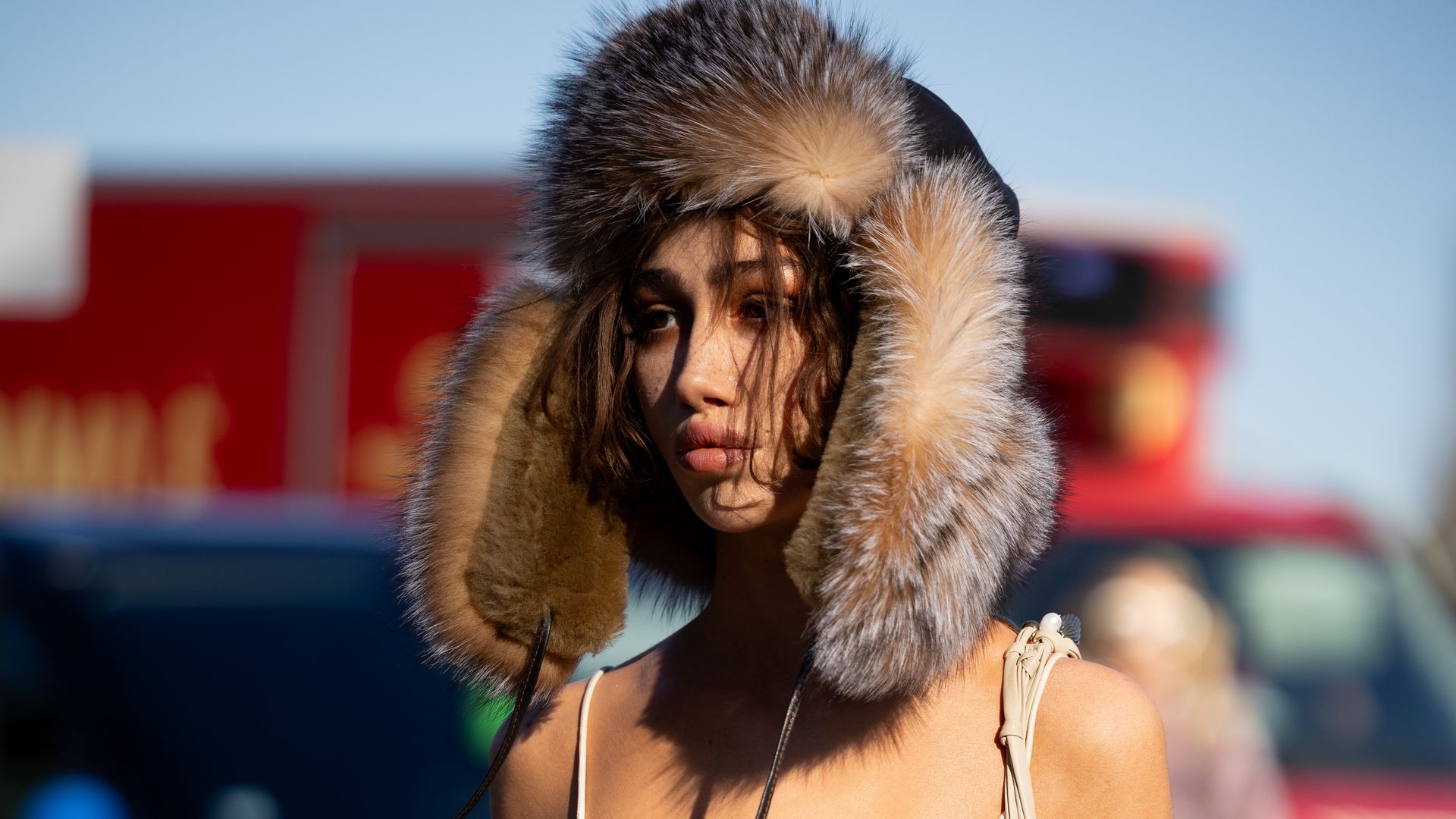
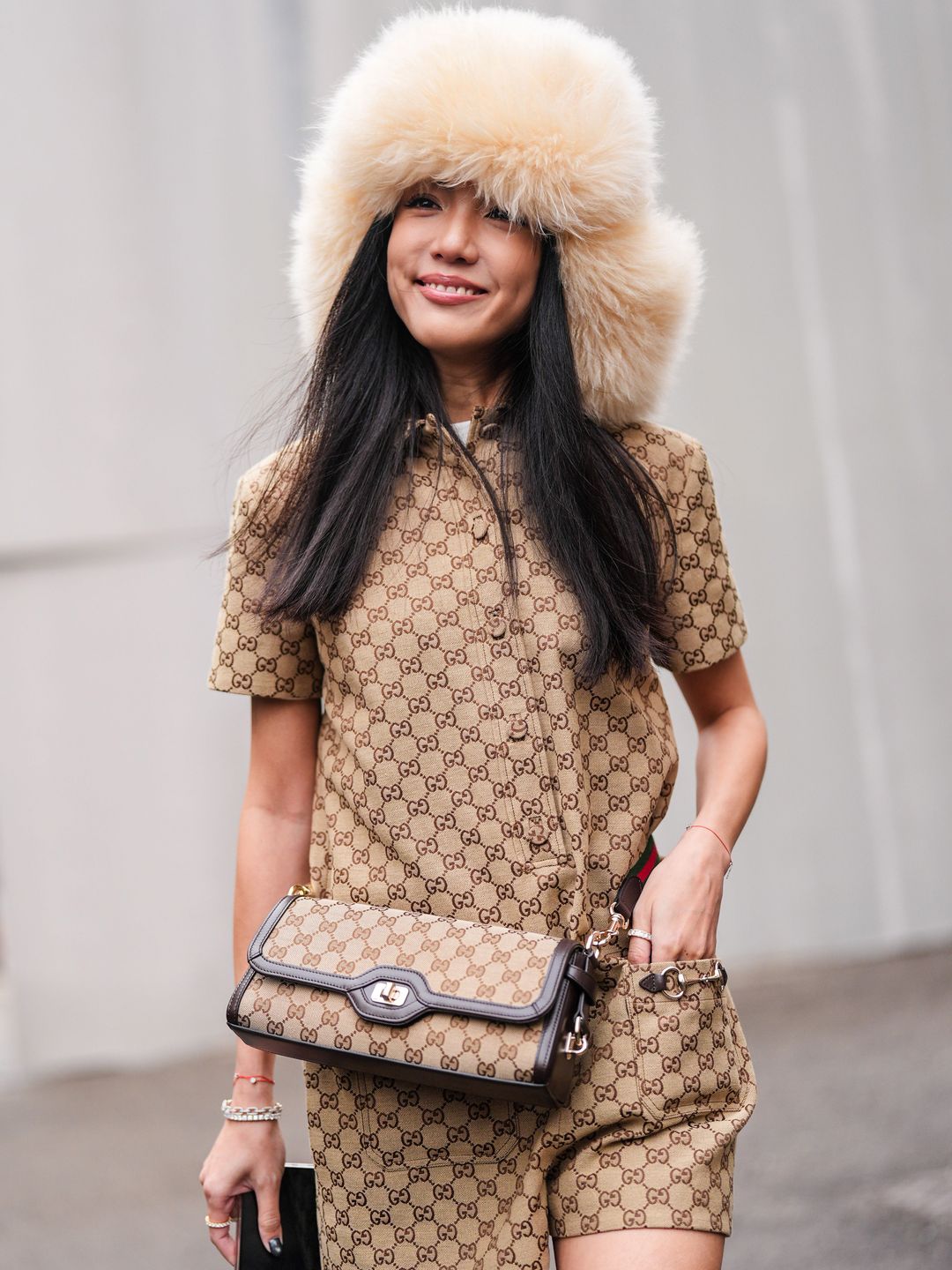
Forget the beanies, there is a new silhouette in town. Trapper hats have taken the fashion industry by force, enticing consumers with their fluff-tastic texture and ear flaps that promise cosy all-day warmth.
 © Getty
Popular in the early Aughts, trappers have been famously sported by stars including Ke$ha - a walking beacon of messy Y2K style. Today, they have been reclaimed by Gen Z (typically those of the Hackney persuasion), who are leaning into vintage aesthetics that nod to sustainability.
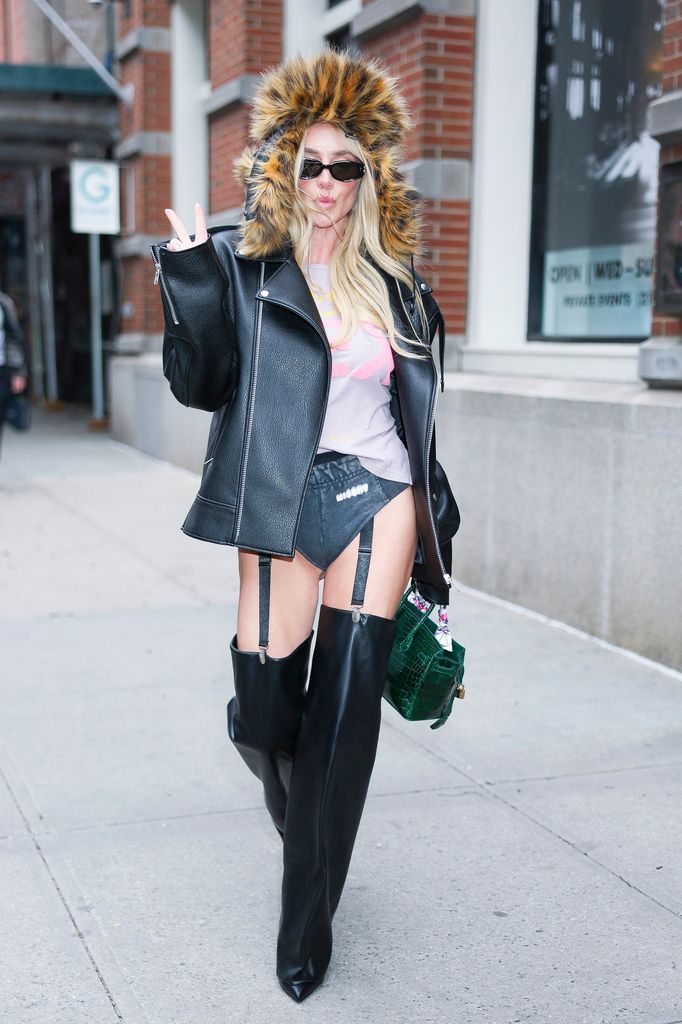
Utterance of the accessory's renaissance came in October 2024, when Emily Ratajkowski snapped a martini-armed selfie wearing the unmissable piece - also known as an ushanka - but their history dates back centuries.
 © GC Images
Trapper hats were born in response to the harsh climates of Siberia and Eastern Europe, where they were designed for warmth and practicality. Traditionally made from animal fur and leather, the pieces feature ear flaps that can be tied under the chin or on top of the head, offering versatility in extreme weather.
The hat gained prominence in Russia, where it became a symbol of military uniform in the early 20th century, particularly during World War II.
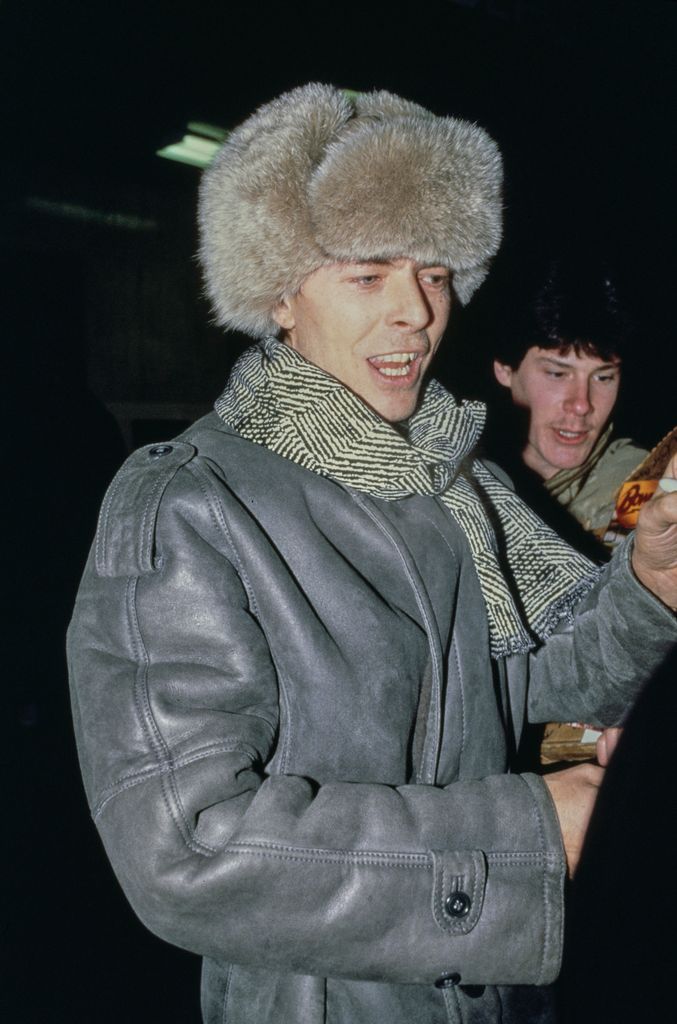
By the mid-20th century, the trapper hat spread to Western fashion, particularly in colder regions, where its functionality and rugged style made it popular for outdoor activities such as hunting and snow sports.
 © Getty Images
Today, while still rooted in its utilitarian origins, the trapper hat has become a stylish winter accessory, often made from faux fur and worn by fashion-forward individuals in urban settings - or on the slopes.
Why the trapper renaissance at this particular moment? According to trend forecasting expert Pinterest, consumers are set to rebel against the clean-girl aesthetics of popular influencers - moving towards unkempt, non-curated palettes that champion individuality.
With their historically rich background and XL design, trapper hats certainly embrace this - making for a playful choice over a classic baseball cap or pom-pom-topped beanie. Luxury believes so too, with Prada, Miu and Burberry incorporating trapper designs into their current online collections.
My take? Shoppers are tiring of conformity - and what better way to stand out from the crowd than with a giant, textured hat that bids adieu to minimalism?