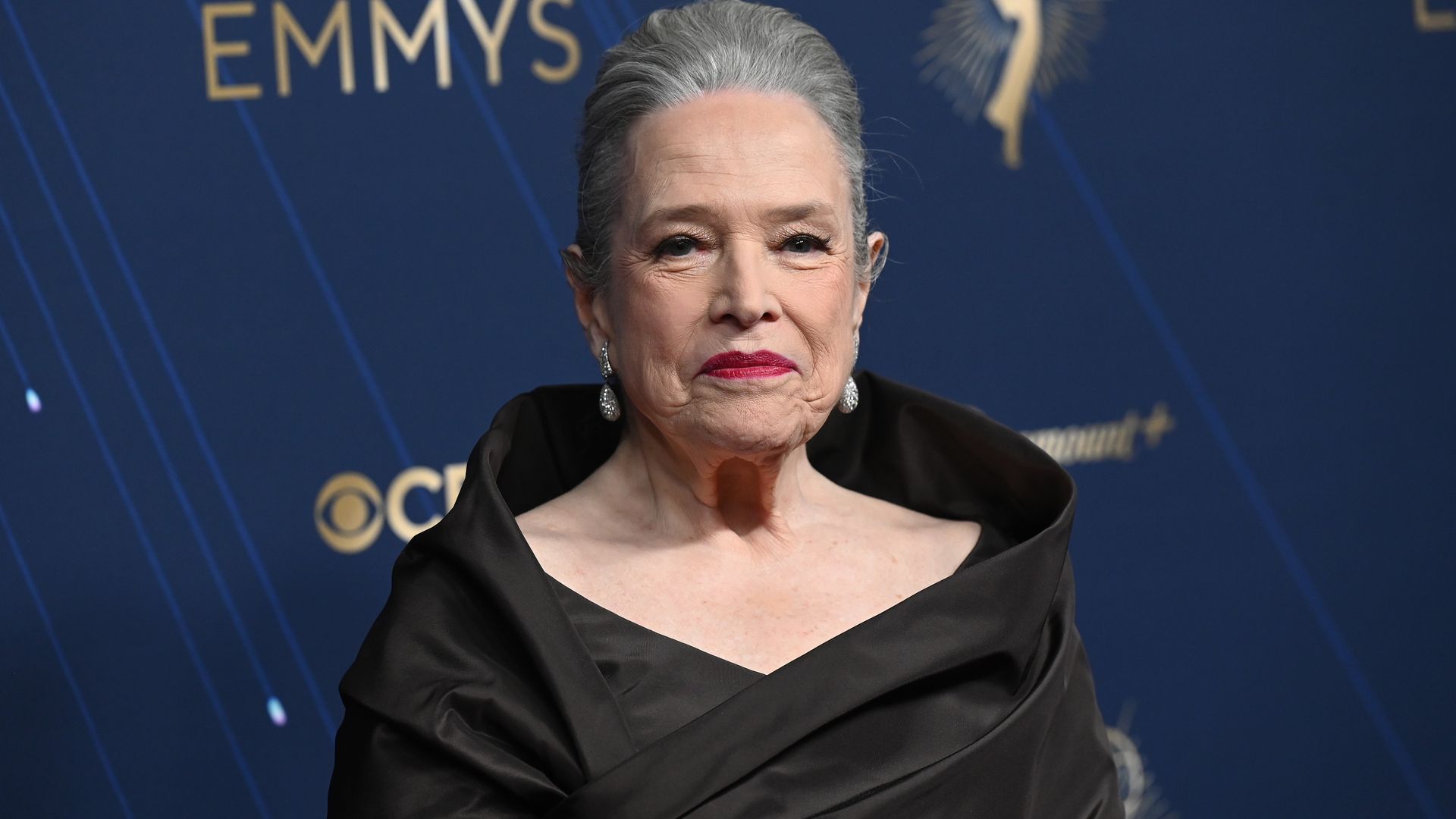

Kathy Bates has been outspoken about her weight loss, criticizing those who believe she relied on Ozempic and acknowledging how it has been "unbelievable" to be at her healthiest while also perhaps at her most critically successful point in her career at 77. However, the actress is still getting used to the changes in her life, admitting that she "started crying and crying" when she realized a ballgown would fit her after years of feeling like there was no beautiful fashion available for her.
Losing weight can be a complicated feeling for many people, and when Kathy was working with her stylist for the 2025 Emmy Awards she retained many of the former emotions around what would or would not fit her. "[My stylist] had a beautiful dress for me to try. I looked at it on the hanger, and I thought, 'That’s not gonna fit.' I put it on, and it fit, and I just melted down," Kathy told Variety.
"I just started crying and crying. I’m still figuring out what it’s like to be without all of that weight," she added. "What was it for? What was I hiding myself from? What are the emotions that are pouring out because I don’t have that armor? It just really surprised me, really shocked me."
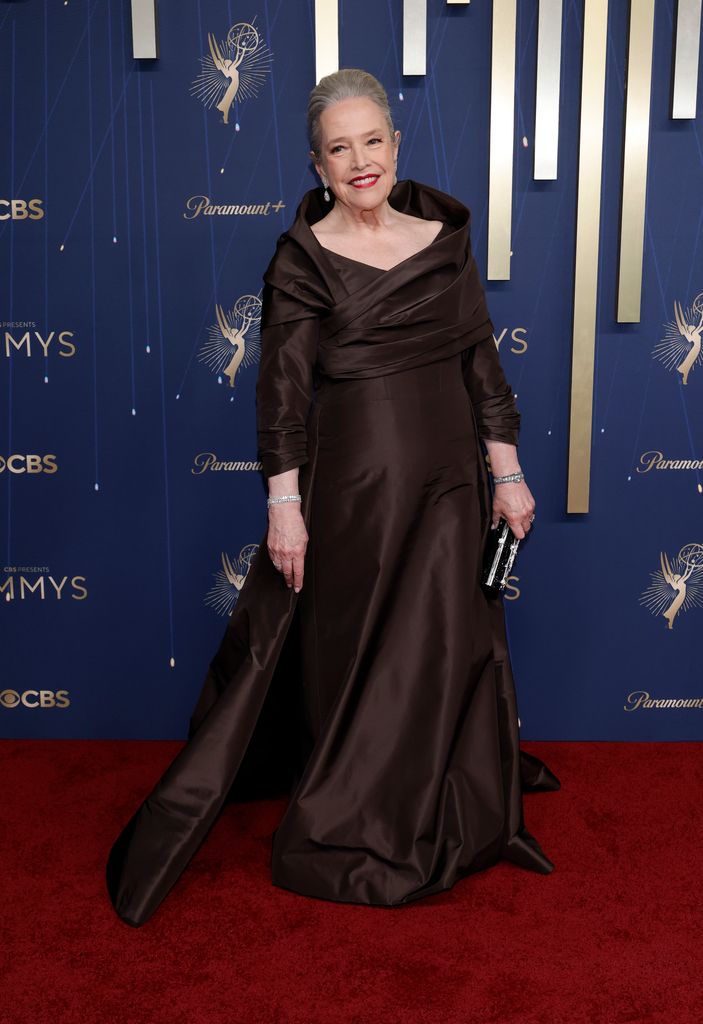
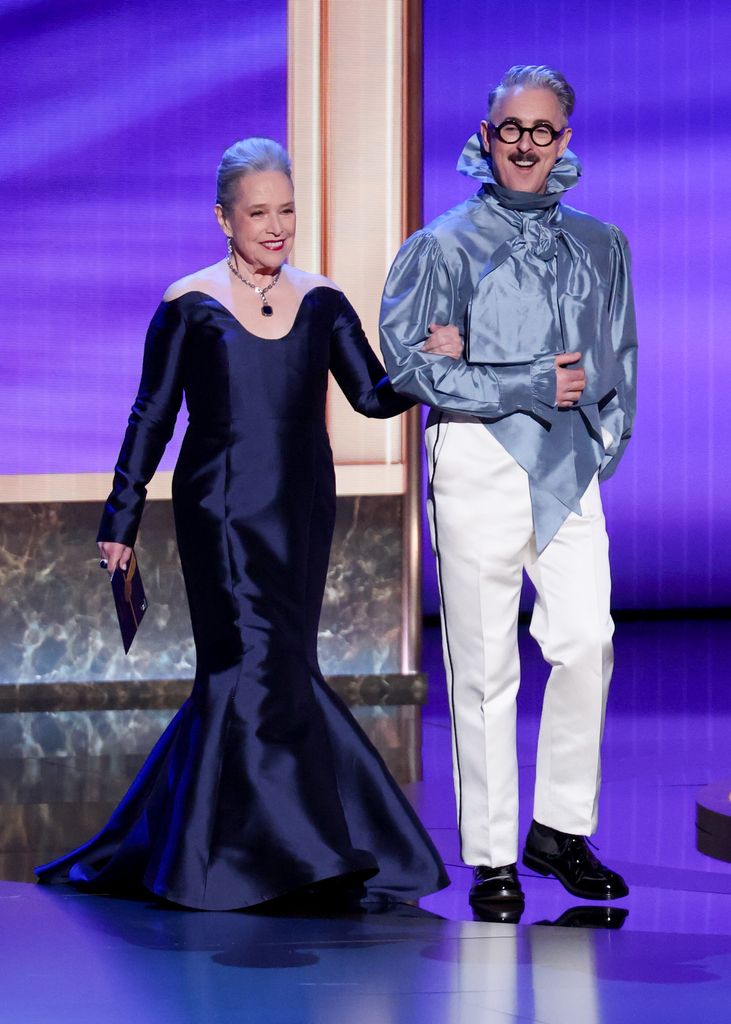
The actress, who was nominated for an Emmy for her work on CBS' series Matlock, wore a stunning chocolate brown floor-length Vera Wang gown on the red carpet with an open neckline and a voluminous updo that helped to emphasize the neckline, making her arguably one of the best-dressed stars on the red carpet. She later changed into a custom midnight blue gown from Greta Constantine that highlighted her curves. Kathy lost the Best Actress award to Severance's Britt Lower.
 © Getty Images
 © Variety via Getty Images
Kathy has been open about her ongoing weight loss journey, which began several years ago when she was diagnosed with diabetes. Both her father and grandmother died of diabetes, and one of her sisters also had a diagnosis. Over the years, she figured out what to do, focusing on changing her eating habits towards protein-rich meals and listening to her body to decide when and what to eat.
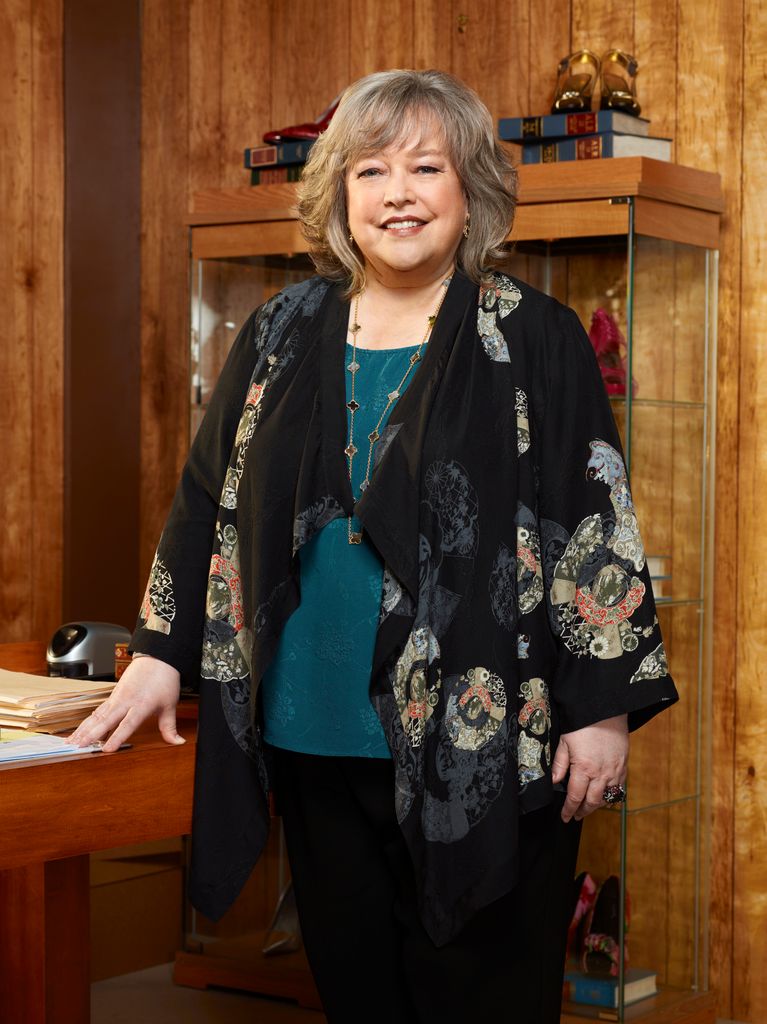 © NBCU Photo Bank/NBCUniversal via
She lost around 80lbs this way, and then spoke to her doctor and together they decided to use Ozempic to help her lose the final 15-20lbs. "People say, 'Well, it was the Ozempic.' [Expletive] you, it was the Ozempic! It took me years to do this," she concluded.
Ozempic is the brand name for a once-a-week injection that was developed to treat type two diabetes and instead became a global headline-maker due to its weight loss side effects; it mimics glucagon-like peptide-1 (GLP1), a hormone the body naturally produces after eating. This hormone slows digestion, improves blood glucose control, and acts on the brain to reduce what’s known as "food noise" that relentless inner chatter that pulls us back to the fridge, even when we’re not hungry.
 © CBS
© CBSThe stigma around using them has lessened over the past 12 months, and Dr Debra Marcos, Medical Director at doctor-led clinic Weight Medics, notes that, if used in the proper way such as combined with other treatments and lifestyle changes, then the medications remain an effective form of treatment even when you stop taking them. "These medications aren't a cure, they're a tool. Like with any chronic condition, weight management needs long-term treatment. It's a piece that many patients and the industry as a whole are missing," she said.