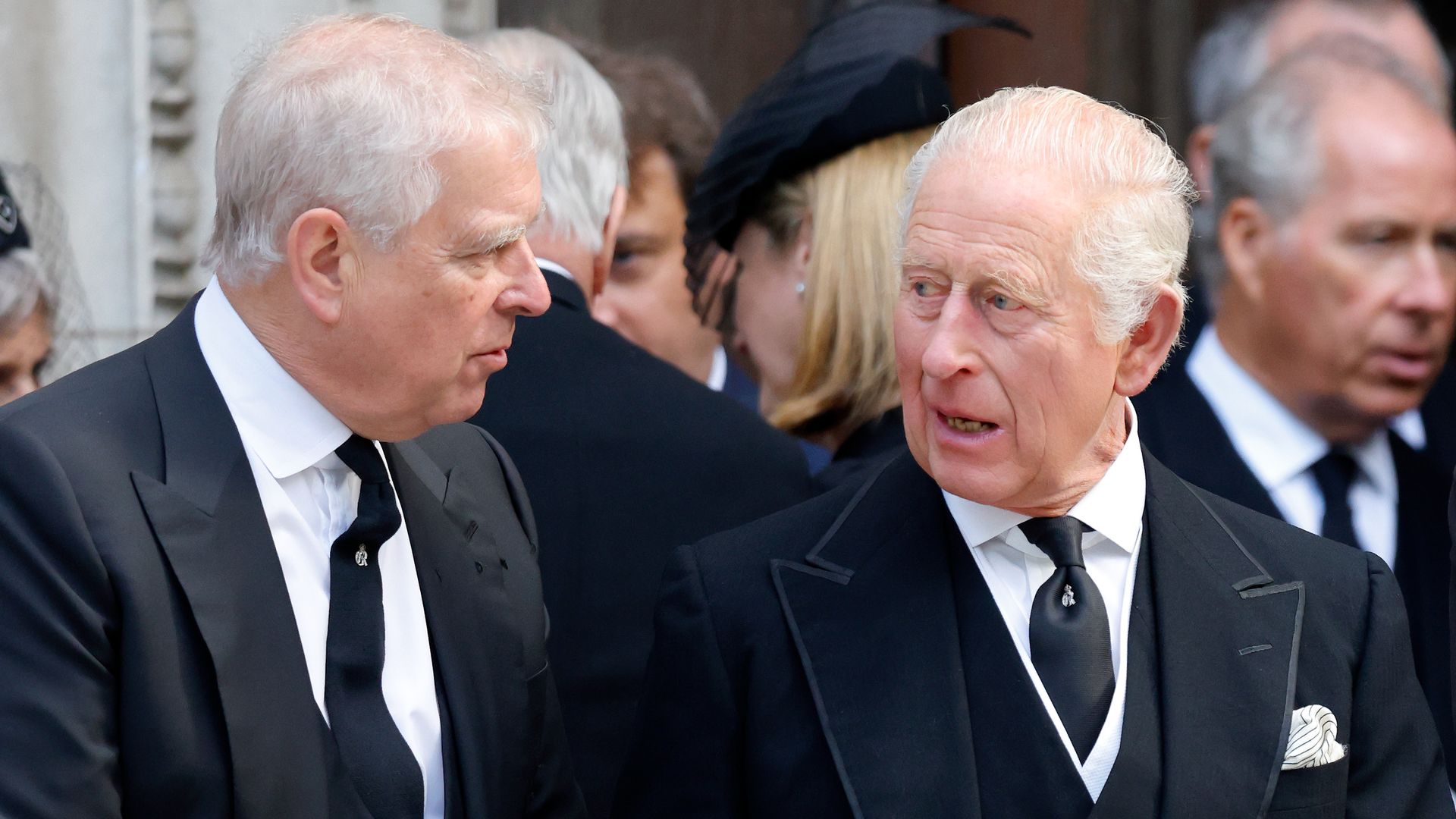
With the deadline to Andrew Mountbatten-Windsor’s end of the month eviction from Royal Lodge fast approaching, critics want the King to take even tougher action against his disgraced brother.
Already stripped of his military titles, royal patronages, HRH status, and princely title itself after years of Epstein scandal fallout, some argue it is absurd that Andrew remains eighth in line to the throne. So why won't Charles finish the job? The answer is simple: he can't.
Removing Andrew from the line of succession is not something that can be sorted by royal decree. It needs an Act of Parliament. Not just MPs at Westminster too. Under the Statute of Westminster 1931, all 15 Commonwealth realms – countries where the British monarch still reigns – must agree and vote it through their parliaments.
That means identical legislation passing through Canada, Australia, New Zealand, Jamaica, and eleven other independent parliaments. It is not unprecedented, but it needs the will of the MPs and the time for it to pass into law.
The last time this happened was 2011's Perth Agreement, which introduced gender-equal succession and abolished male-preference primogeniture. This uncontroversial reform – simply revising succession rules for the 21st century – still took over three years from agreement to implementation.
Targeting Andrew specifically amid the ongoing scandal with no under-oath evidence could prove far trickier and more tortuous. One hostile realm could veto it and the whole process collapses.
With so much political upheaval around the world, Westminster's MPs have little appetite for making time to push this through. Opening succession law to parliamentary debate risks months of damaging headlines, hostile amendments, and worse, constitutional chaos. Government sources have made clear that they want to focus on ''other legislative priorities''. There is also no precedent for a royal enforced removal.
Edward VIII's 1936 abdication was after all voluntary and he signed the instrument himself. Nobody has ever been forcibly expelled from the British succession. Even Catholic King James II, who fled the country, was declared an abdication by Parliament, even though he never accepted it.
Why is he still a Counsellor of State?
The Counsellor of State situation is another minefield. Andrew's eligibility flows automatically from his position in the succession. Removing him would require a lot of work and time: amending the Regency Acts, more legislation, more debate, more scandal rehashed. The Counsellors of State Act 2022 added his sister Anne, the Princess Royal, and Prince Edward, the Duke of Edinburgh.
With seven counsellors now available, Andrew may still be one but, like Prince Harry, he will never be called upon to fulfil the role. The government committed that only working royals would serve, thus solving the potential problem without legislative rancour.
Once Prince Louis becomes an adult, Andrew loses even theoretical counsellor eligibility anyway. King Charles's view seems to rely on time being a great healer – it sorts what legislation cannot.
Looking to other royal families
International precedents tell the same story. When Queen Margrethe II of Denmark stripped Prince Joachim's children of their princely titles in 2022, she kept their succession positions. Titles can be removed through royal prerogative. Succession rights require constitutional upheaval.
In Spain, King Juan Carlos abdicated in 2014 amid financial scandals but was never removed from the succession. He headed to self-imposed exile in Abu Dhabi. His son Felipe VI renounced any inheritance and slashed his allowance, yet the succession itself remained untouched.
Sweden's Carl XVI Gustaf stripped five grandchildren of royal titles in 2019 to slim down the monarchy. Their succession positions stayed put. The system is established. Monarchies can remove titles, revoke funding, force exile – but altering the order of succession crosses a constitutional line they won't approach.
Andrew is ''powerless''
Andrew, once Charles's spare and born second in line to the throne, is 65, now eighth in line, and sinking lower with each royal birth. Barring some awful royal family tragedy, Andrew will never approach the throne.
The succession represents constitutional stability beyond any individual’s conduct. Preserving that principle protects the institution. But succession, the ancient structure that survived the English civil war, remains sacrosanct. Not because Charles lacks will. He’s been more ruthless towards his shamed brother than their late mother Queen Elizabeth II ever was.
Our constitutional monarchy evolved with enough checks and balances to stop monarchs from altering succession on a whim. Sometimes the strongest move a constitutional monarch can make is accepting what he cannot change.
Scandal-hit Andrew Mountbatten-Windsor remains an embarrassment the King cannot completely rid himself of, but Charles has distanced Andrew enough from The Firm.
Robert Jobson is the author of The Windsor Legacy – A Royal Dynasty of Secrets, Scandal and Survival.
We'd love to hear your thoughts. Do you think the King has done enough to rid the royal family of the Andrew problem? Leave a comment below and take part in our poll.