
Beauty
From the latest makeup launches and must-try hairstyles, to royal skincare routines and celebrity beauty hacks, HELLO!’s beauty section will help you to look and feel your best every single day. Now that really is a thing of beauty.

The mother of Prince George, Princess Charlotte, and Prince Louis looked incredible at the wedding of Peter Phillips and Harriet Sperling - but her nails proved a problem…

As Harriet Sperling walks down the aisle to wed Princess Anne's son, Peter Phillips, we wonder if she's set to have the same influence over the British public as Princess Kate

The mother of Prince George, Princess Charlotte, and Prince Louis looked stunning in a new dress by Rodarte at St. James's Palace, sporting a bold makeup look
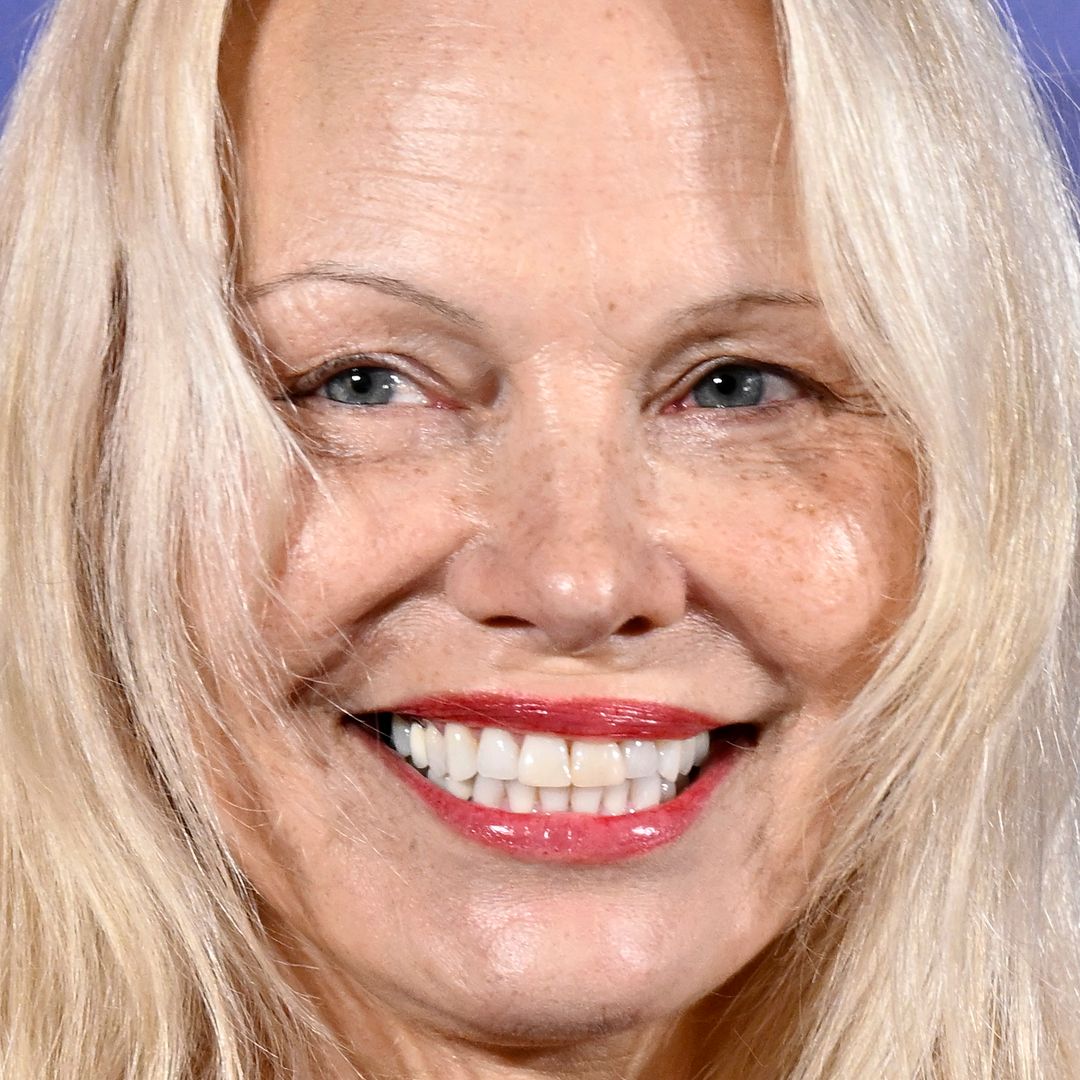
The former Baywatch veteran paid a visit to the Soho Farmhouse earlier this month, and new pictures have emerged from her overseas trip





The designs are chic, 'flattering on the tummy' and perfect for all manner of summer occasions, including weddings, holidays and days at the races

FatFace's new summer collection includes breezy dresses, effortless co-ords and much more to add to your new season wardrobe
Supported by FatFace

From vibrant stripy bags and multitasking scarves to nostalgic Tees and platform heels, these are my faves from Kurt's Cabana

Shop the latest Aspinal sale with deals on handbags, accessories and small leather goods - and yes, that includes royal favourites too
Supported by Aspinal of London
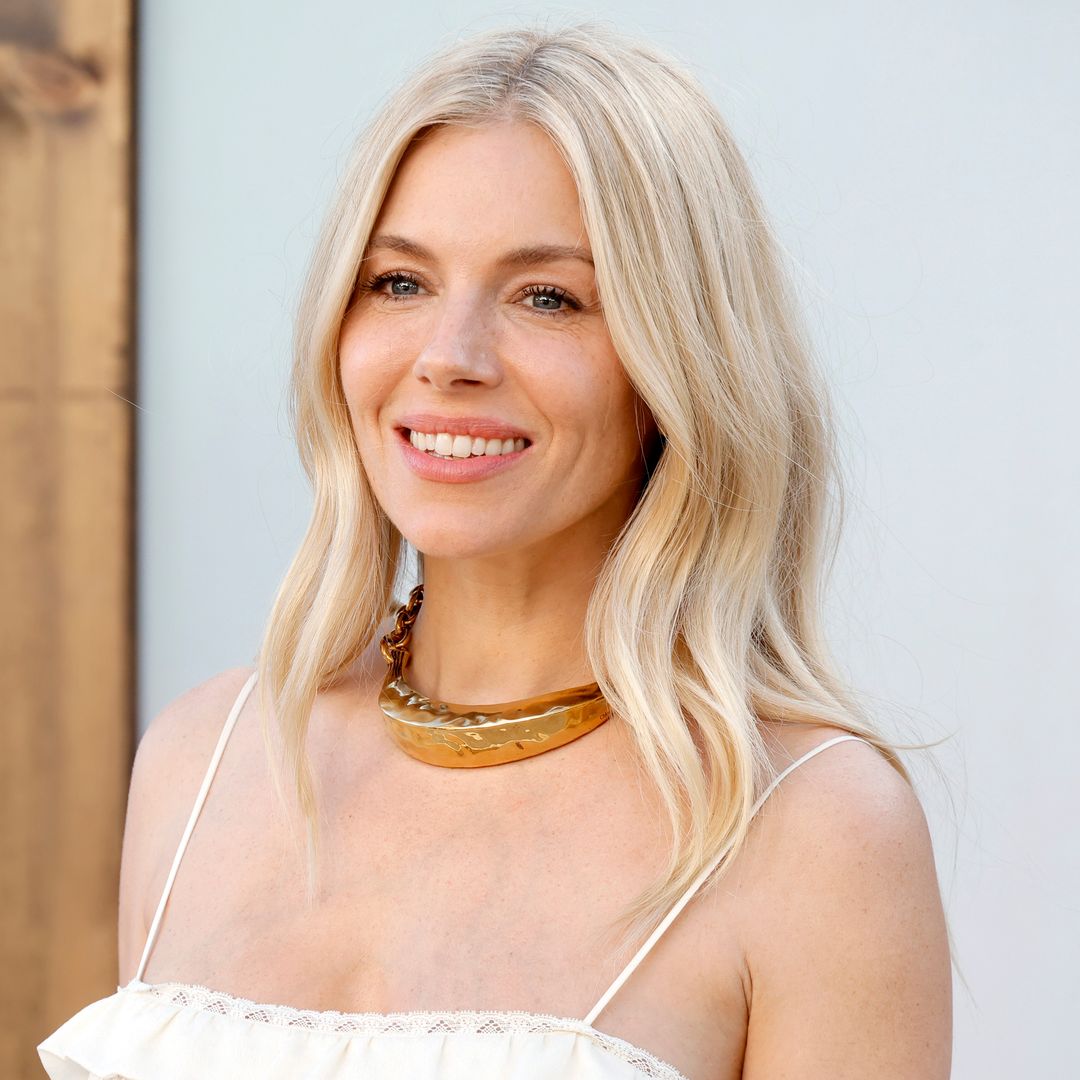


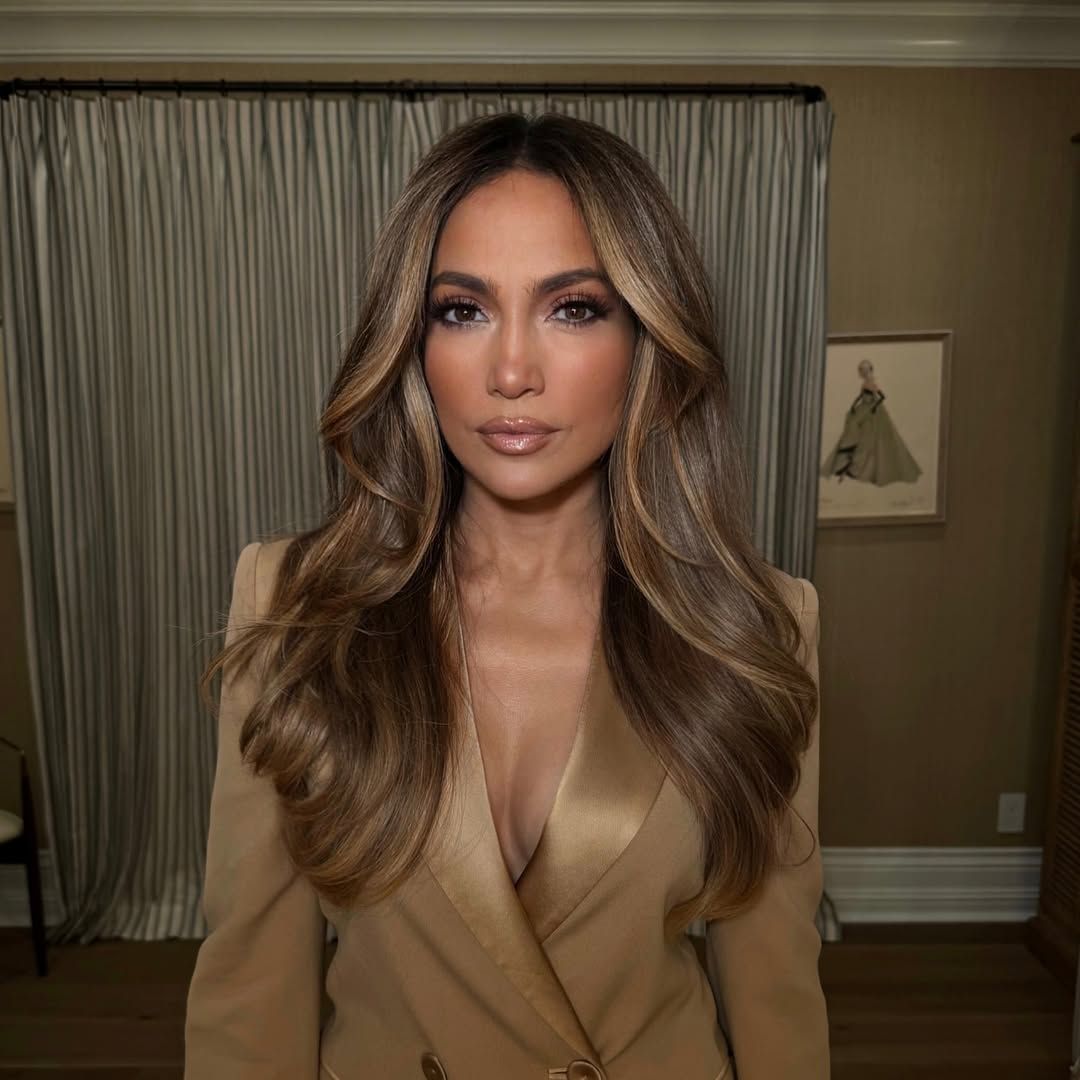
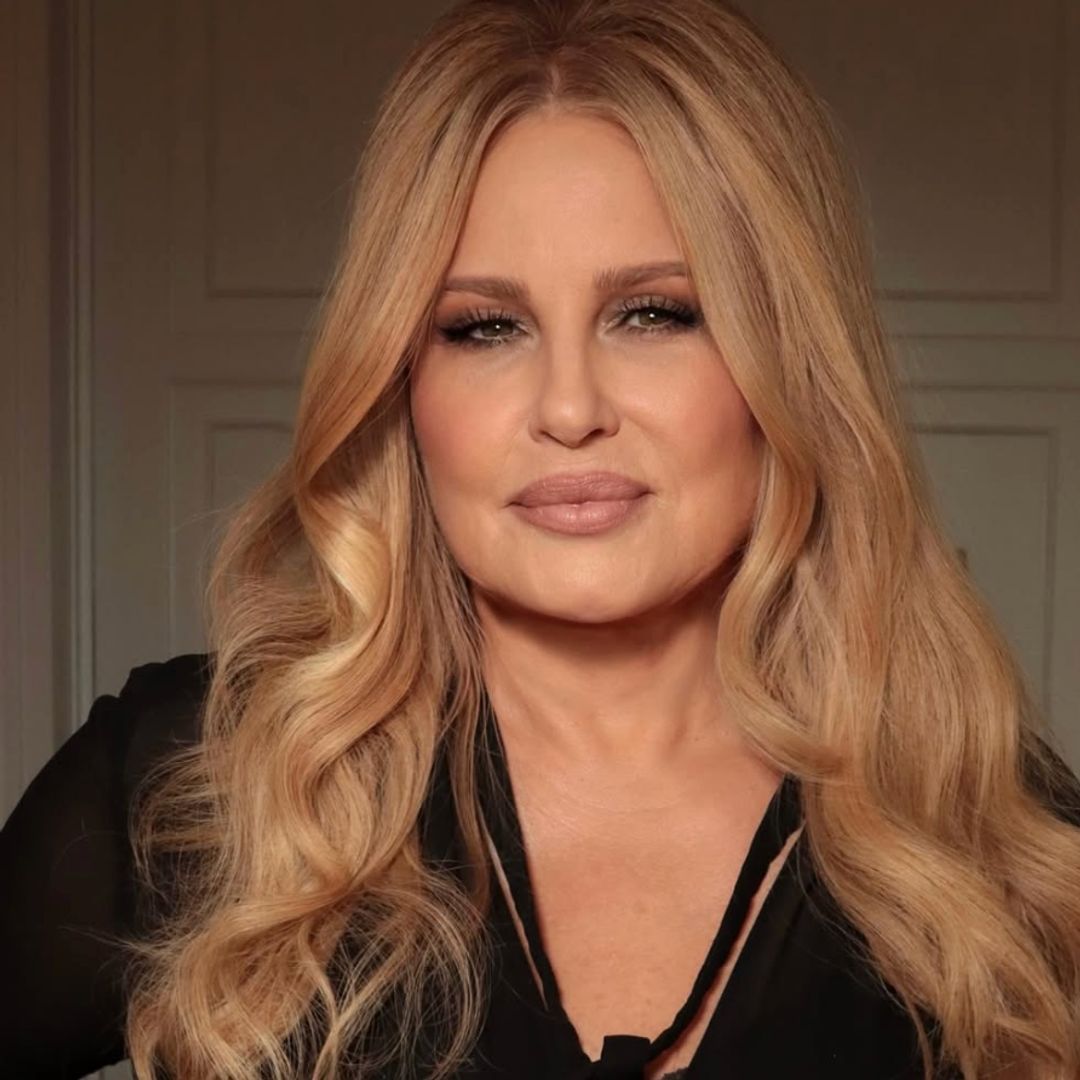

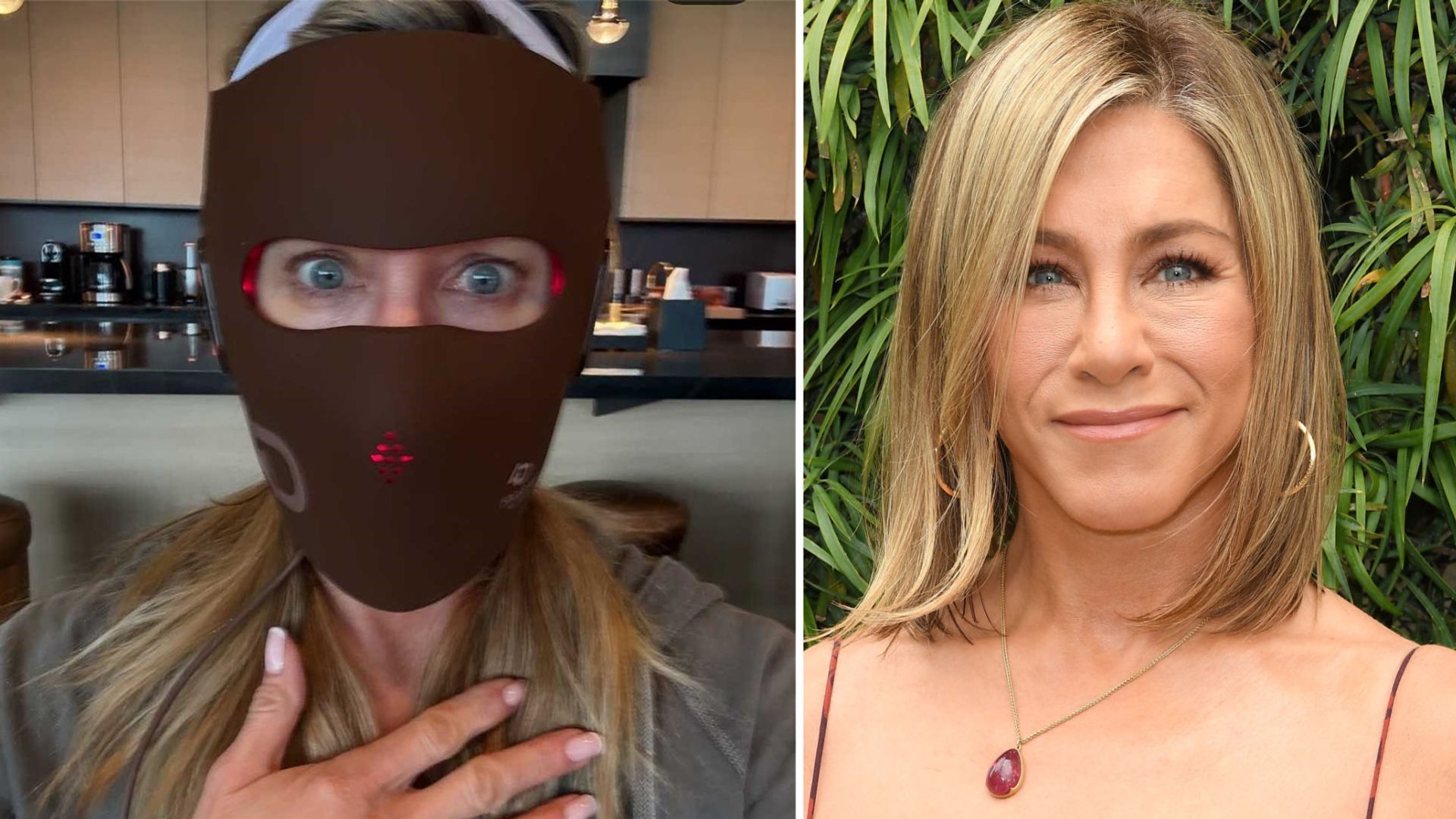


Summer promises healthy, bouncy curls – but we're normally left with frizzy tangles. Here's why, and how to make hair behave

Gillian Anderson broke the Internet when she stepped out with a voluminous mane of curly hair at the 2026 Cannes Film Festival.
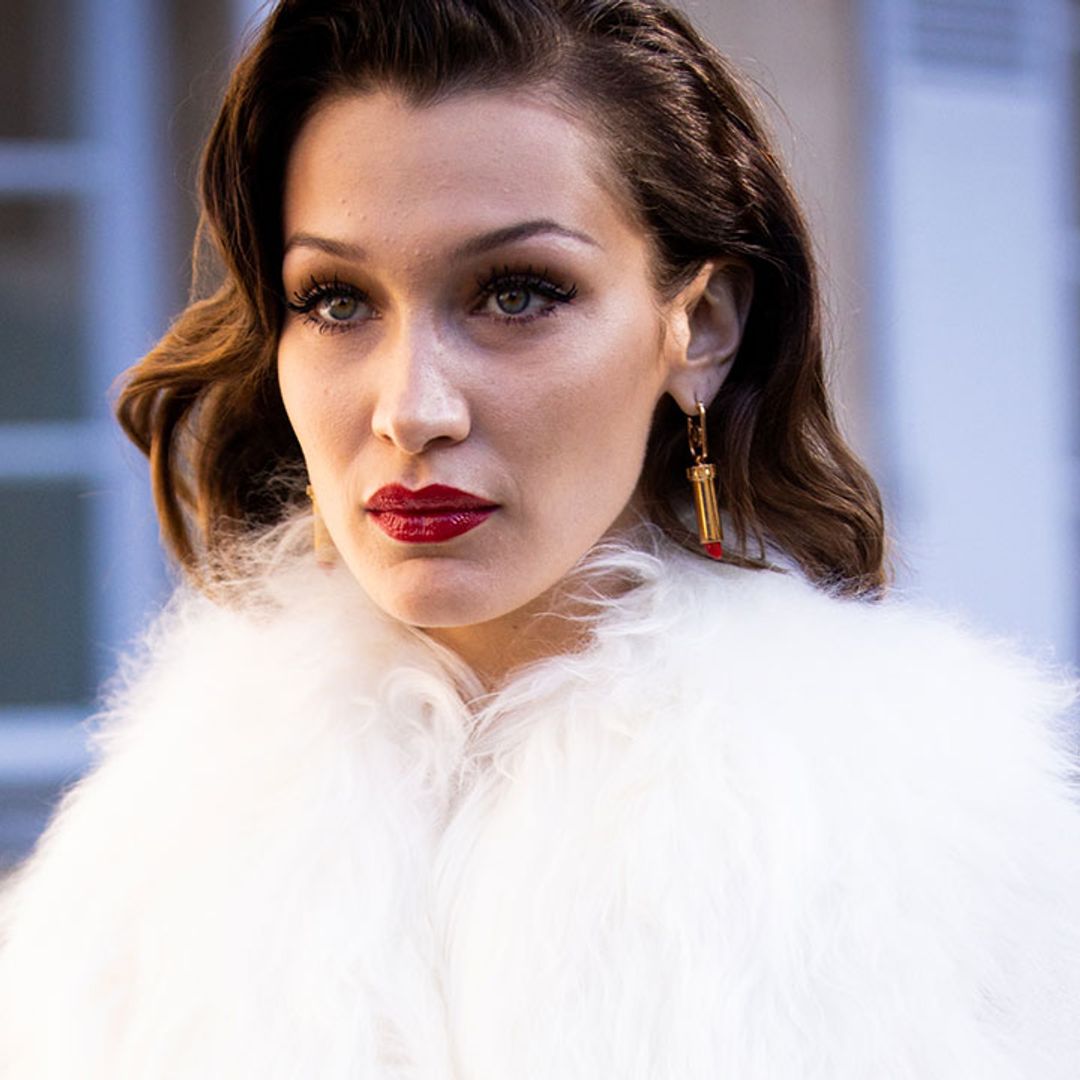
Achieve salon-worthy bouncy waves at home with these top-rated heated rollers, from the luxury to the affordable

The Noughties side parting is set to be spring's biggest hair trend, thanks to a lineup of A-listers rocking the look – here's how to style it


From mascara that won't budge to blusher that actually cools your complexion, these are the makeup items I rely on in hot weather

Feeling overwhelmed in the beauty aisle? We want to help! Here, HELLO! Canada presents the top 125 winners of 2026

Ring lights. Garment rails. Gold-infused facials. HELLO! went inside Cannes’ most exclusive beauty prep rooms to find out exactly how A-listers achieve that Riviera glow.

Master the art of layering SPF for smarter skin protection