Travel
Travel
Travel has never been more valued and HELLO! is here to provide inspiration for every conceivable type of holiday. Whether you're looking for a luxury weekend away, a quality staycation or an epic worldwide adventure, we can help. And we know all the locations most favoured by royals and celebrities too - so you really can live your best royal life.
Luxury Travel
HELLO WORLD
Discover bucket list destinations with HELLO!'s trips of a lifetime special
Let us bring you the world’s greatest voyages, adventures, safaris and stays – and the inside track on how to do them
HELLO! WORLD
Indulge in sizzling Cantonese fare with HELLO!'s Foodie Travel special
Back with a bang, Hong Kong is wowing visitors with avant-garde menus, sizzling Cantonese fare and immersive street-food tours
HELLO! WORLD
Check in to luxury with our hot hotels special
From cityscapes to scenic hideaways, these hotels around the globe are the cream of the crop. Katie Bowman and Team HELLO! handpick their favourite…
Family Holidays

Hotel review
The Italian hotel that has perfected the family formula
Set against the stunning Dolomites in South Tyrol, I visited four-star Das Mühlwald - Quality Time Family Resort to see if it delivers for those with young children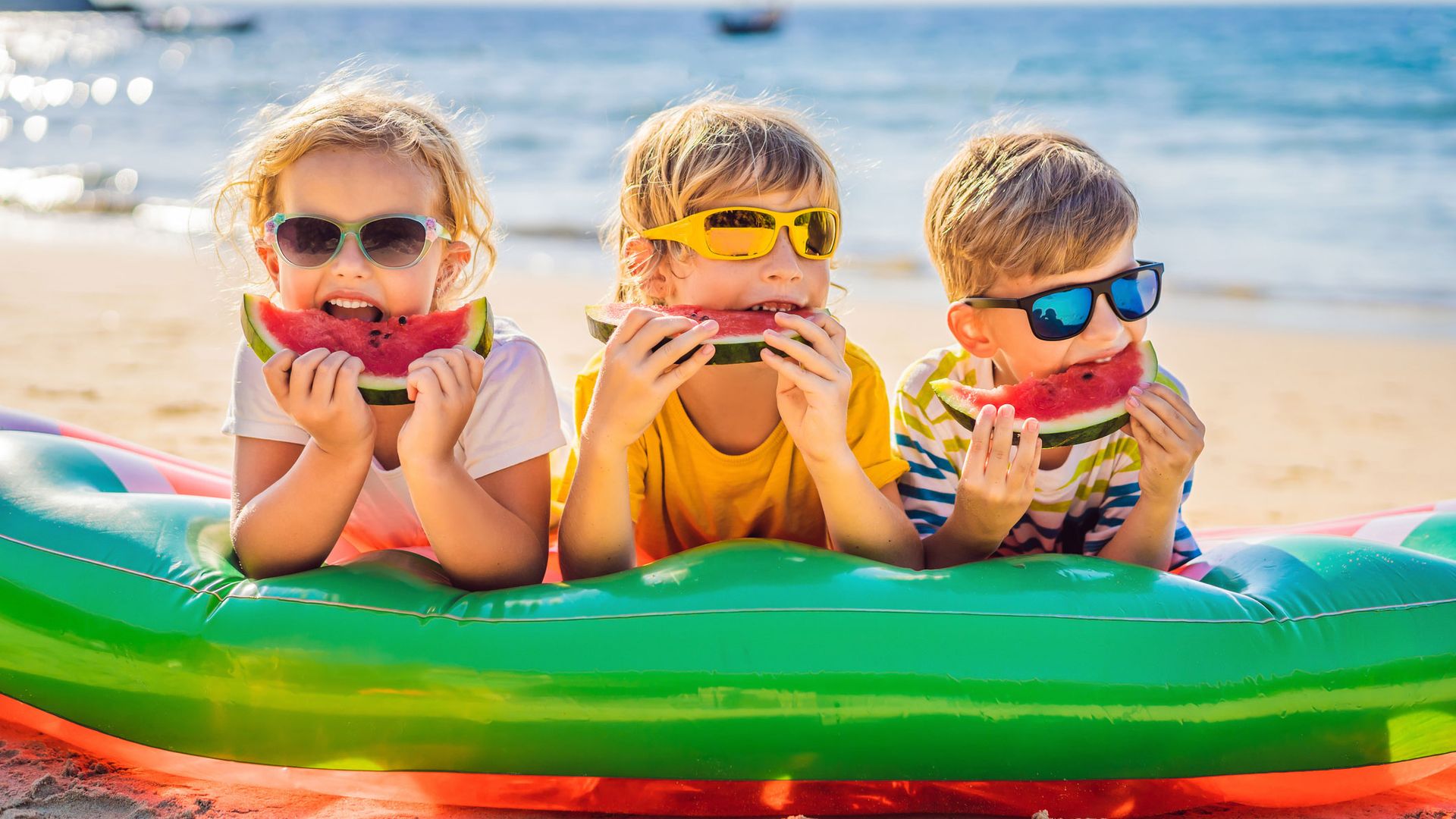
Family friendly
20 best holidays to go on with babies and toddlers in 2026
These family breaks have never looked so appealing! Book the best toddler-friendly holiday in 2026 - as chosen by the HELLO! team.

Travel
15 of the best all-inclusive hotels with top reviews for 2026: Spain, Turkey, Greece & more
From luxury resorts to family-friendly locations, we’ve got the travel inspiration for your next holiday. Yes, the all-inclusive resort has entered the chat for 2026City Breaks

Travel
I've found a new way to see Paris without the crowds
In an attempt to combat the impact of overtourism, Intrepid has launched a series of Uncommon Day Trips. Our Head of Travel was one of the first to try them out.

Travel
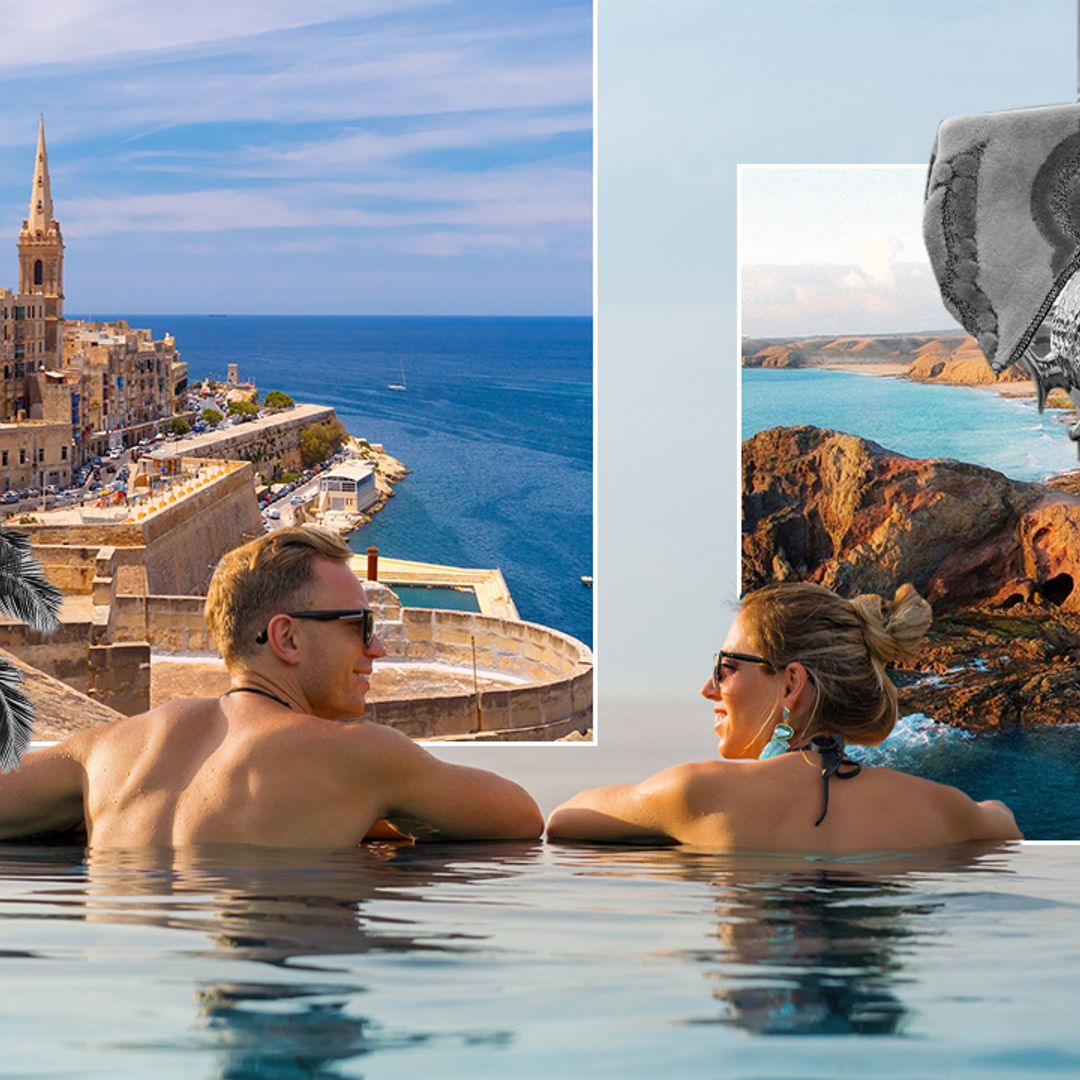
HELLO! editors share their favourite lastminute.com destinations for winter sun – including Europe's best kept secret
In partnership with lastminute.com
Staycations

Royalty
I grew up in the Cotswolds – I can see why Peter Phillips and Harriet Sperling chose this historic village for their wedding
Come with me for a deep dive into the historic Cotswolds village where Peter Phillips and Harriet Sperling are tying the knot this weekend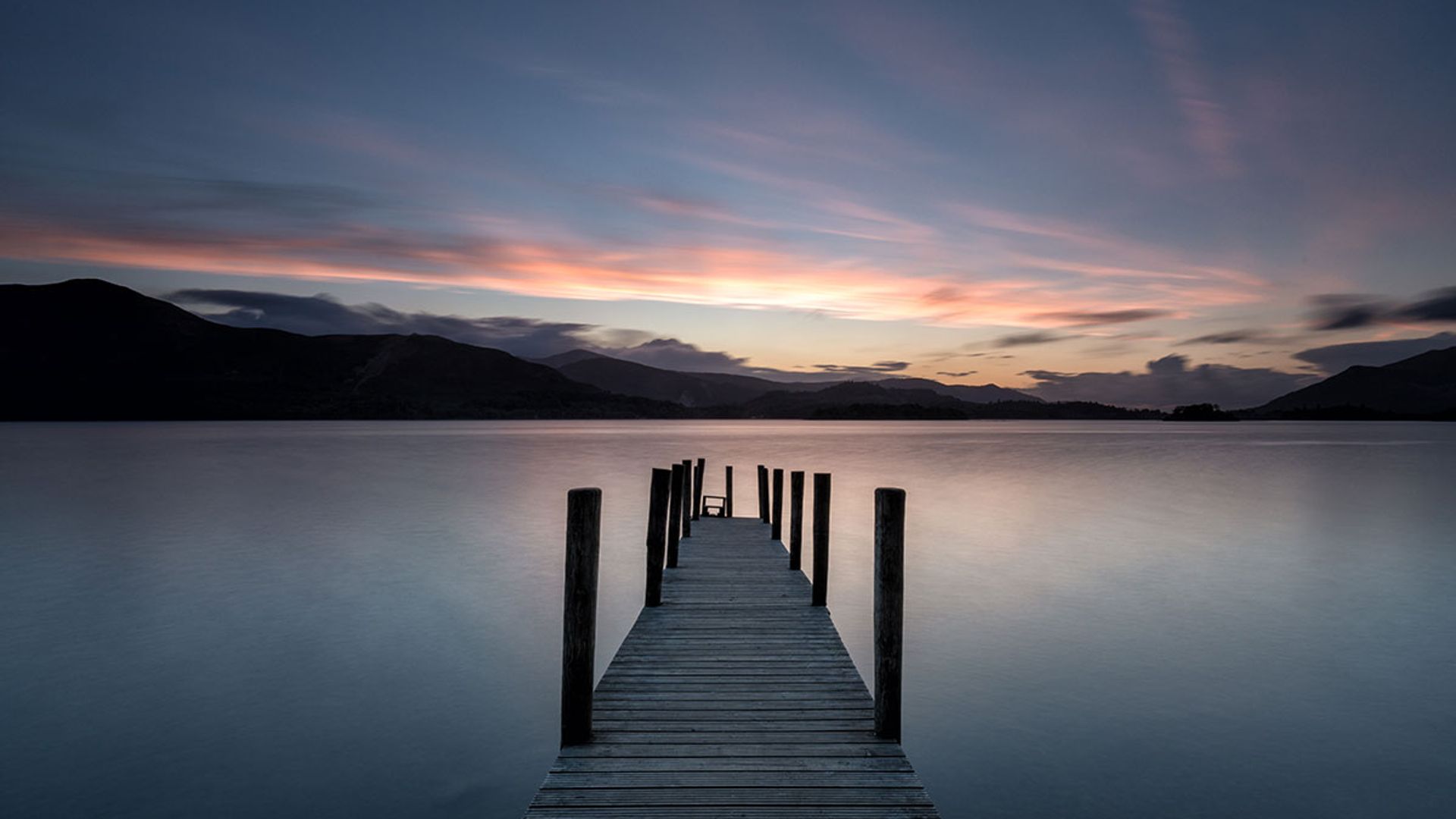
Travel
19 of the most romantic couples' retreats in the UK to stay with your other half
Find your next love nest
Travel
Where to find the real Rivals of the Cotswolds – and how to visit like an A-lister
With season two of Rivals set to premiere later this week, our writer explores the beauty of the Cotswolds, and reveals how to experience this beautiful National Landscape like a celebrity
Travel
How to travel like David Attenborough – from coming face to face with gorillas to spotting orcas
Celebrating a century of the national treasure, our expert reveals how to recreate some of the most incredible wildlife moments ever captured on filmSpeciality Holidays
Travel
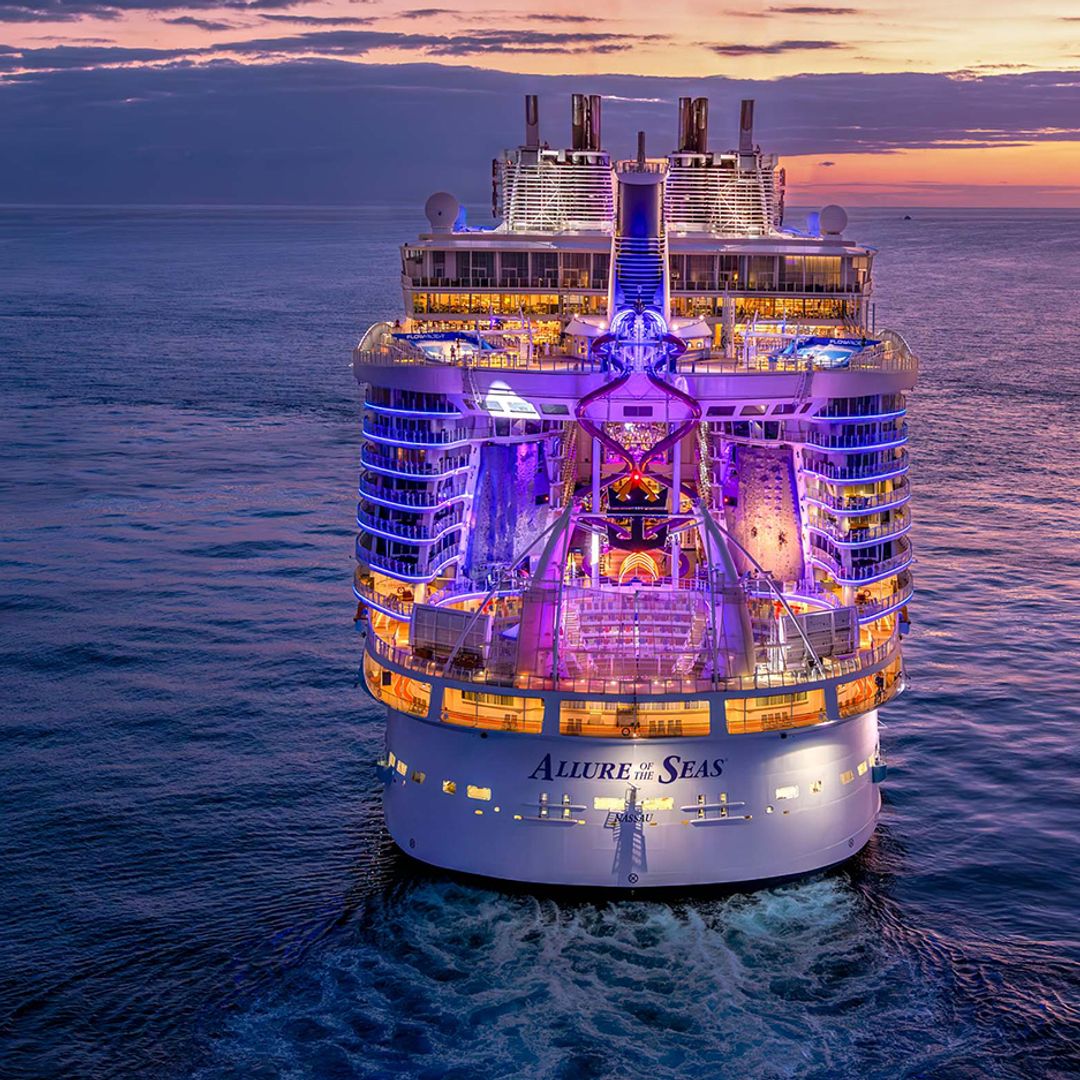
I took my kids on a cruise – here's what surprised me most (and why I'd do it again)
Royal Caribbean's Allure of the Seas is sailing around the Mediterranean this summer
Travel
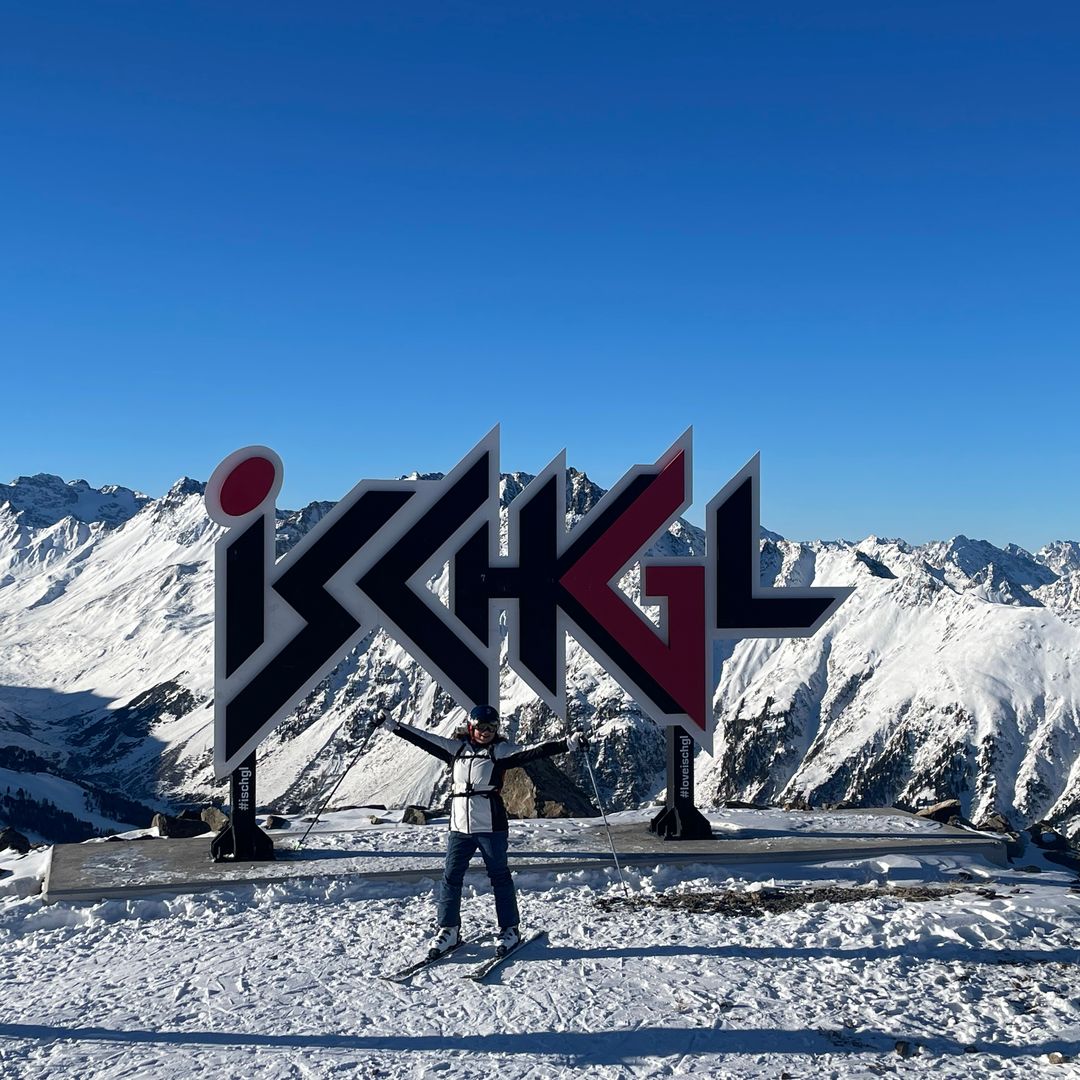
Ischgl ski resort: The go-to resort for sun, snow and music in the mountains
I headed to the Austrian ski resort Ischgl and here's my verdict...
Travel
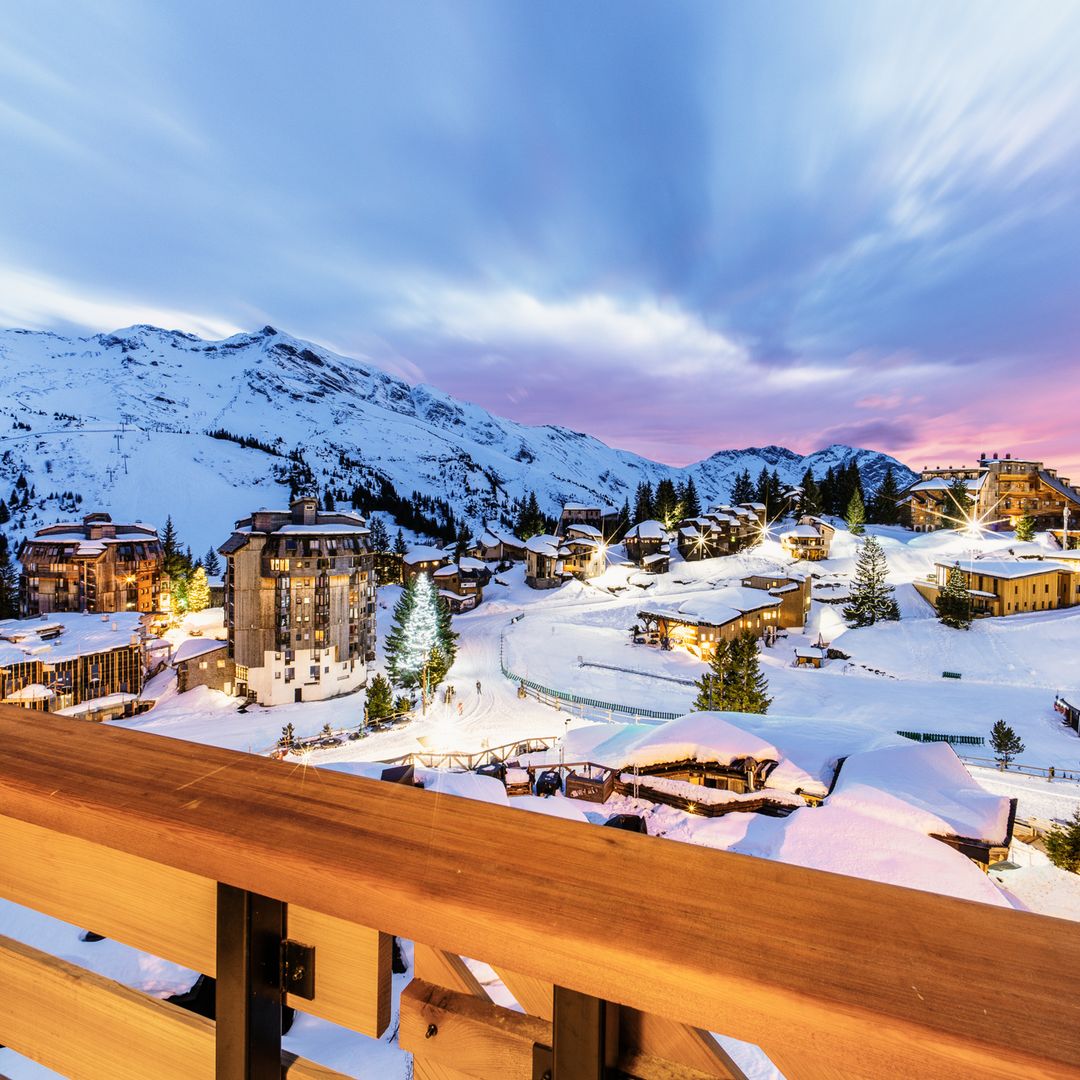
Chalet in style: My experience of living like an A-lister at a VIP chalet in Avoriaz
Life couldn't be more lovely in the French Alps
Travel
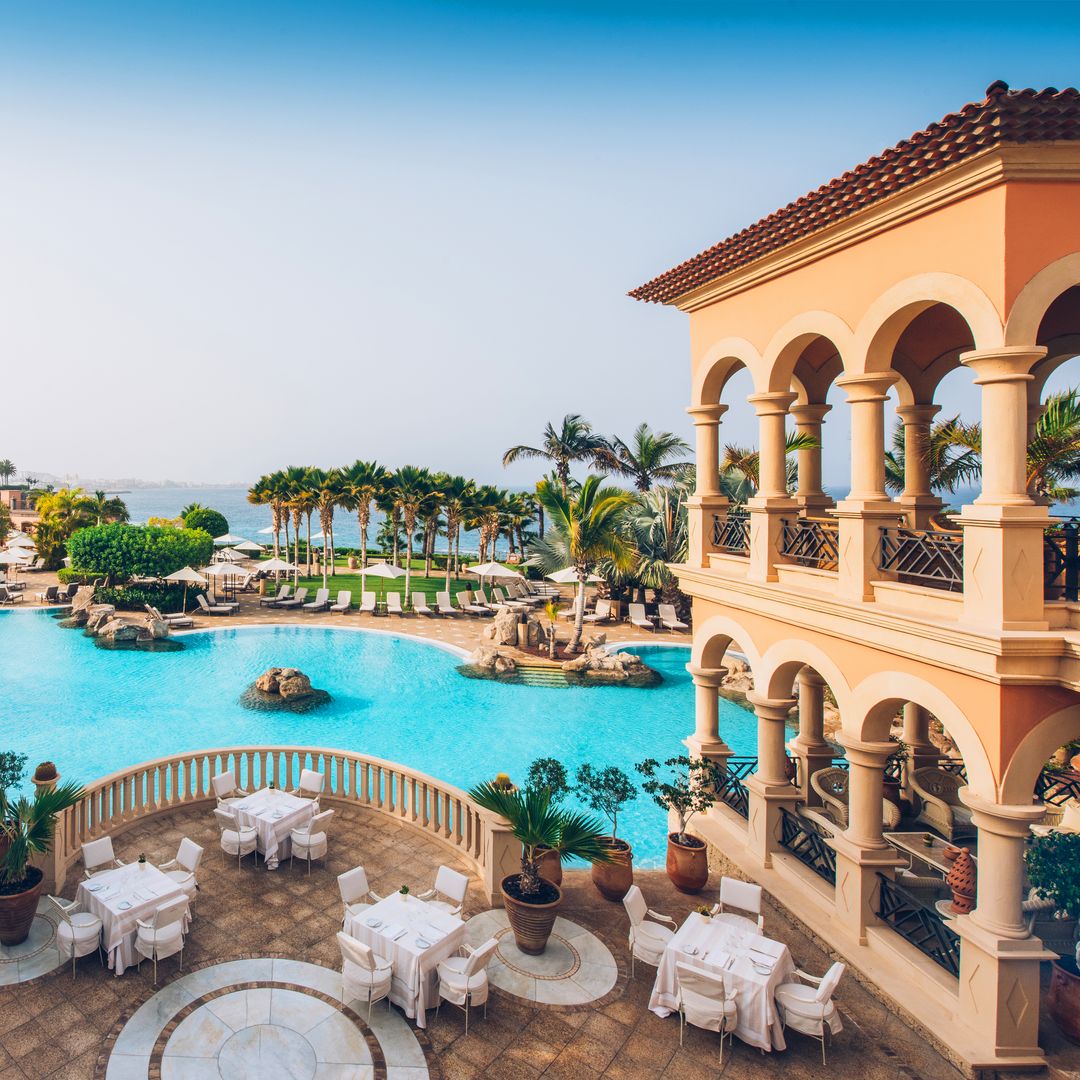
I went on holiday by myself for the first time aged 30 – here's what I learned
Fancy a dose of luxury all to yourself? Iberostar is the place to go…
Wellness
Travel
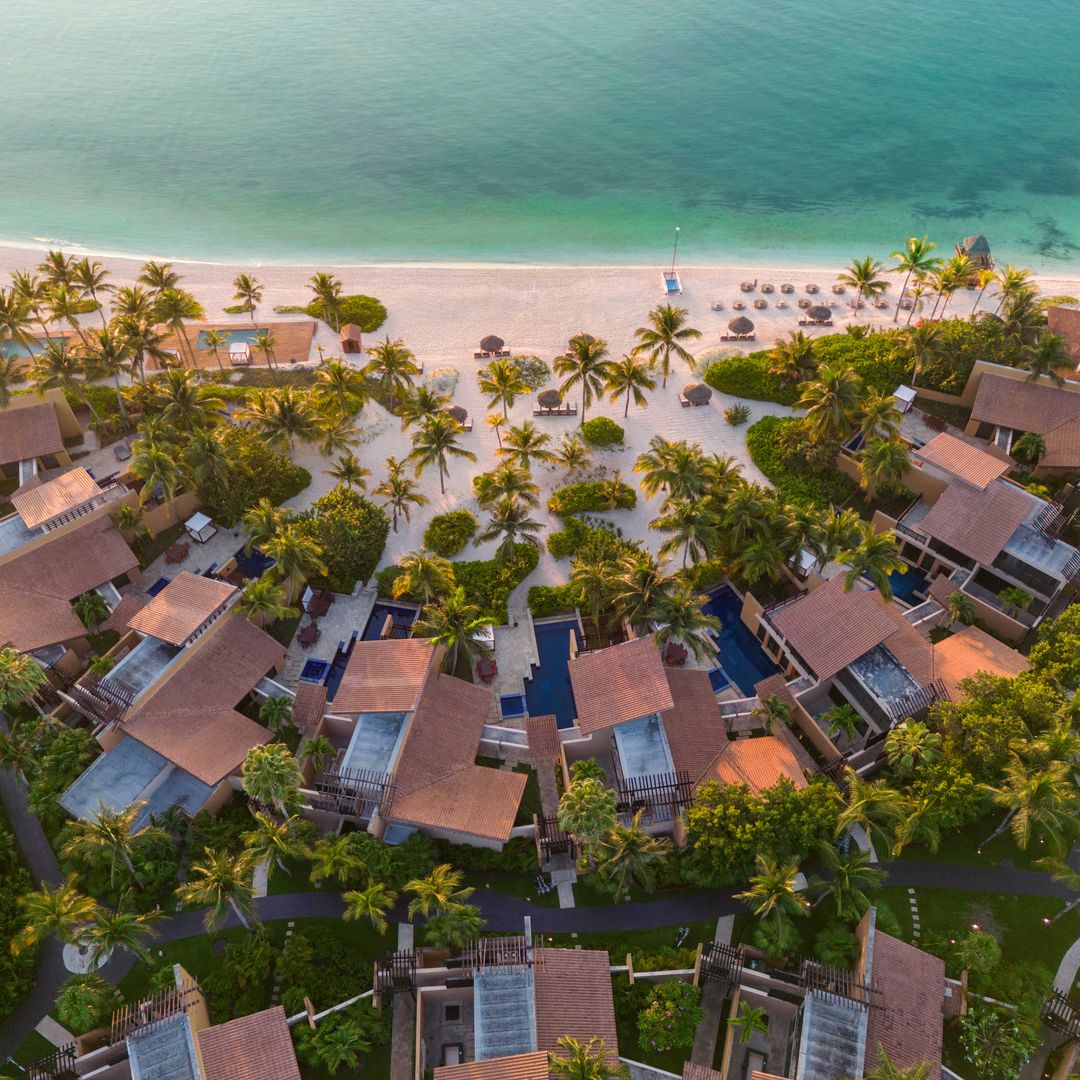
I'm a city girl who doesn't 'do' resorts - until Banyan Tree Mayakoba converted me
Located on Mexico's idyllic Riviera Maya coastline, Banyan Mayakoba is a tranquil all-villa sanctuary that feels worlds away from city life...
Travel
I travelled to Tuscany to try the hot spring where Romans healed their wounds
Terme di Saturnia Natural SPA is in the most stunning location
Travel
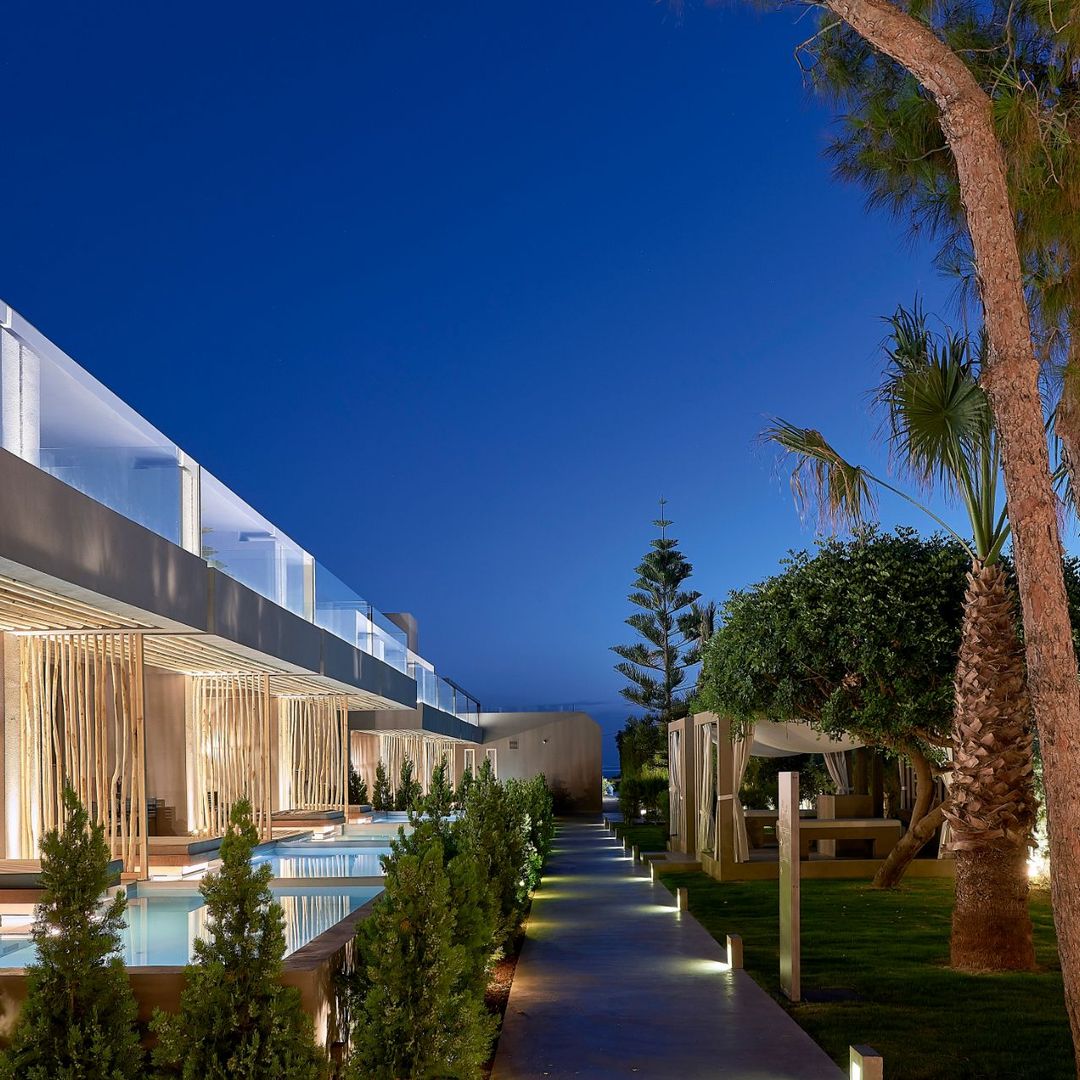
I visited my first ever adults-only luxury retreat in Crete and now I'm not sure if I can holiday any other way
The NEMA Design Hotel and Spa changed my holiday mindset
Dream Escapes
Travel
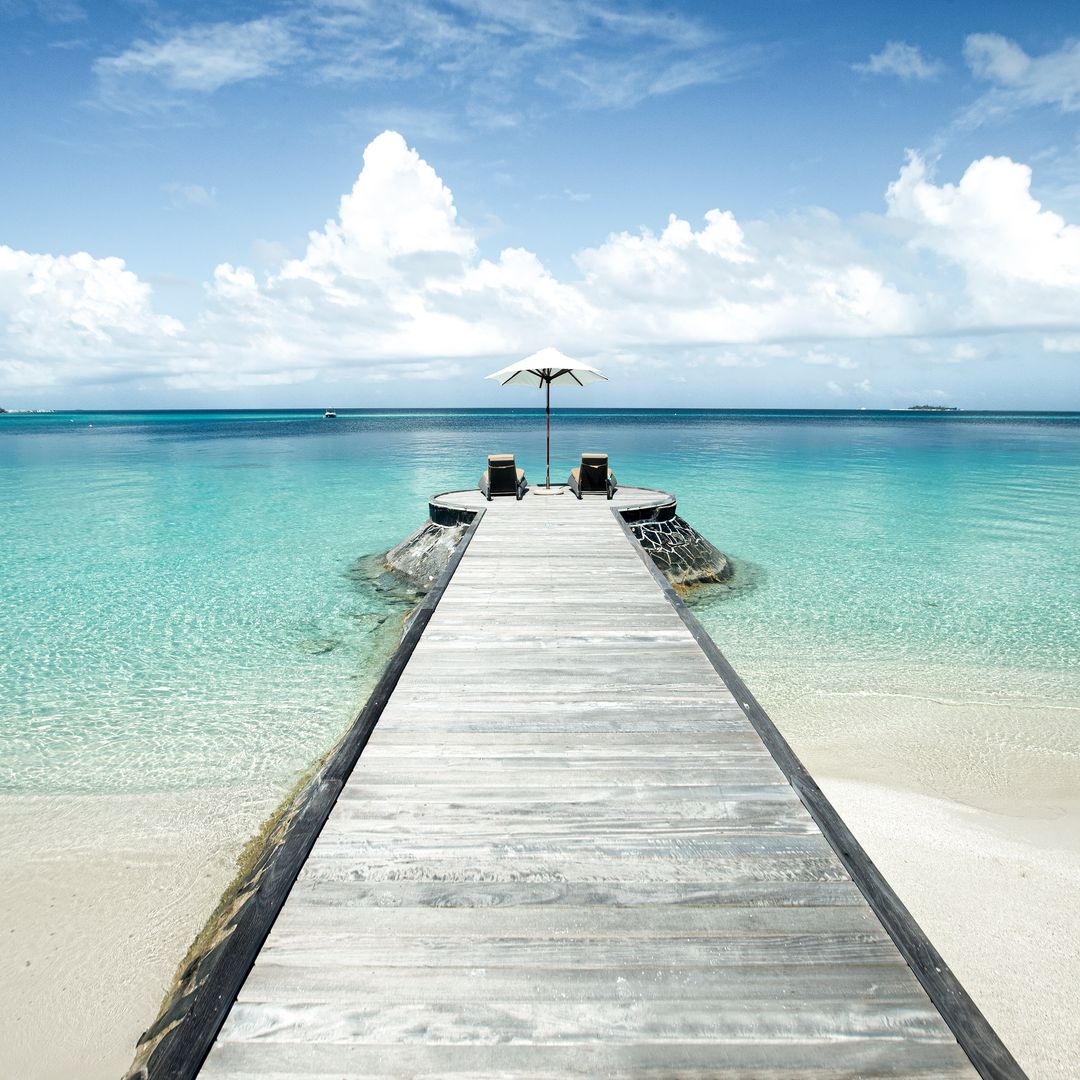
I've been to Claudia Winkleman's favourite Maldives resort - and it's everything the TV star is: laidback, chic, friendly and fun
Loved by The Traitors host Claudia Winkleman, Maldives resort Moofushi is perfect for those seeking turquoise seas, sunsets and a warm welcome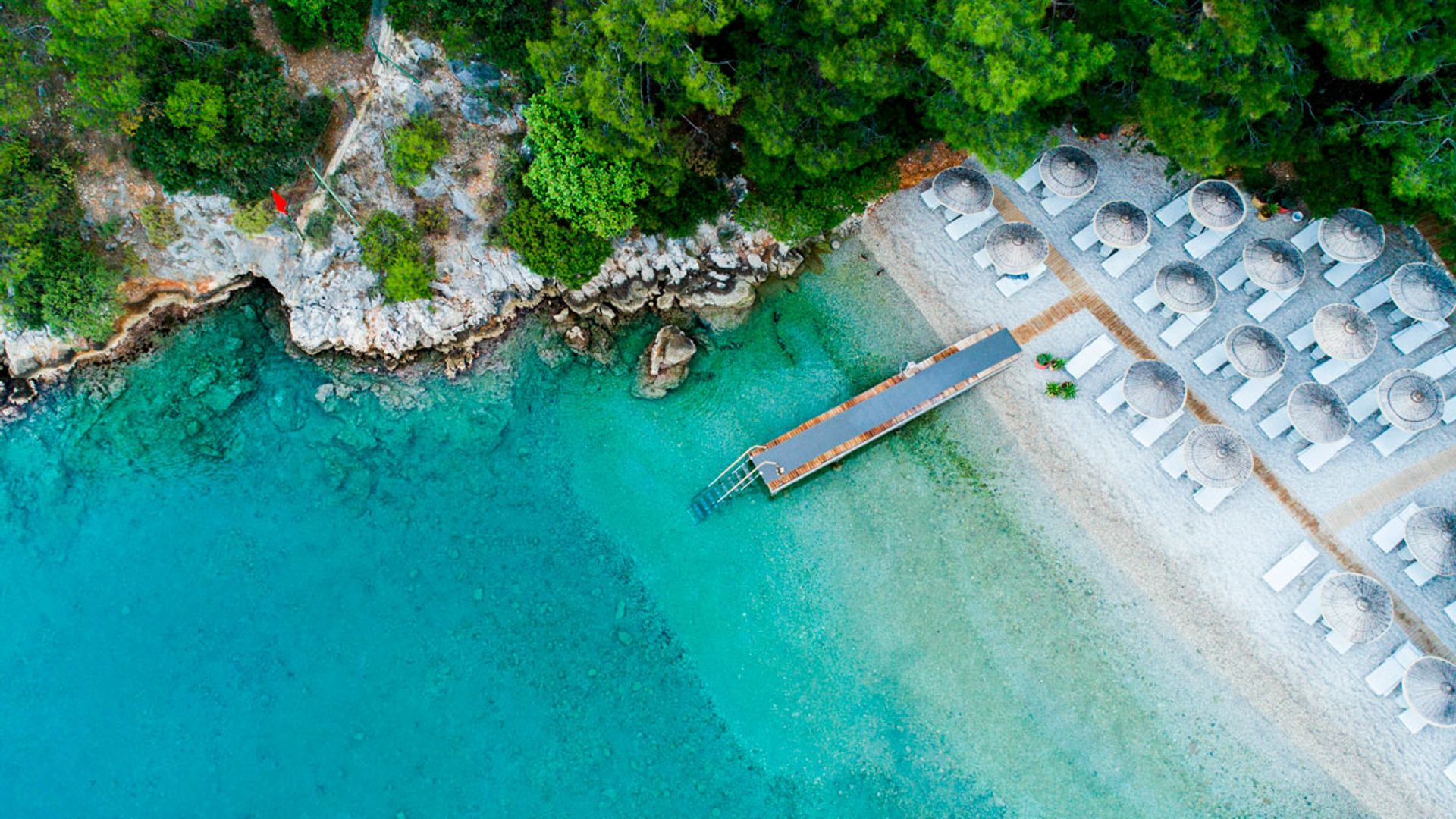
Travel
Why celebrity-loved Hillside Beach Club is a honeymooners' paradise
The five-star resort in Fethiye, Turkey is the perfect location for your 2023 honeymoon
Honeymoon spot
I am a travel writer - and here’s why I chose Japan as my honeymoon destination
How to spend two perfect weeks in Japan visiting Tokyo, Hakone, Kyoto, Osaka, Beppu and more…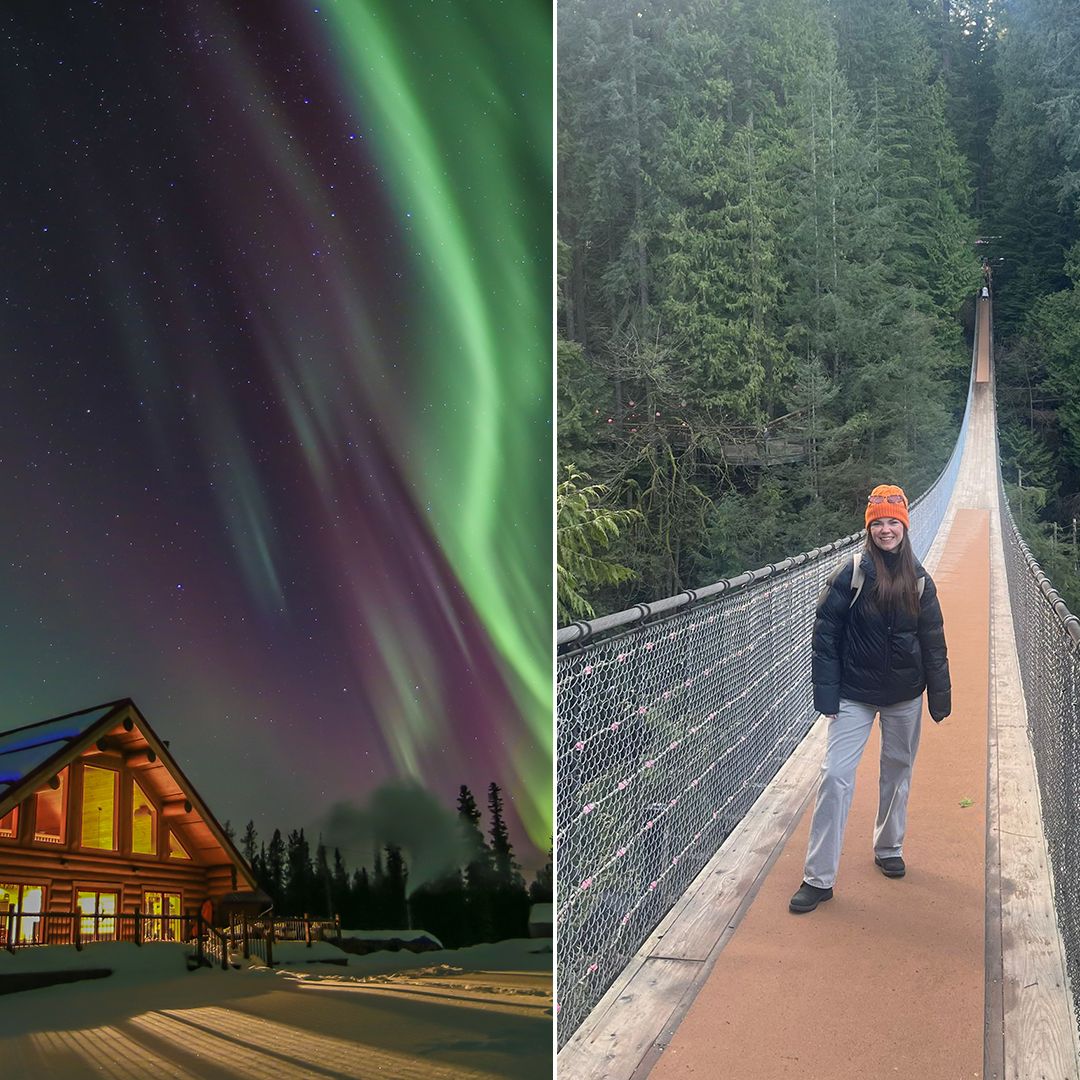
Travel
I braved the Canadian wilderness on a bucket list trip – this is how it's changed my wellness game
Exploring British Columbia and The Yukon changed my perspective on travel and wellnessEco Travel
Travel
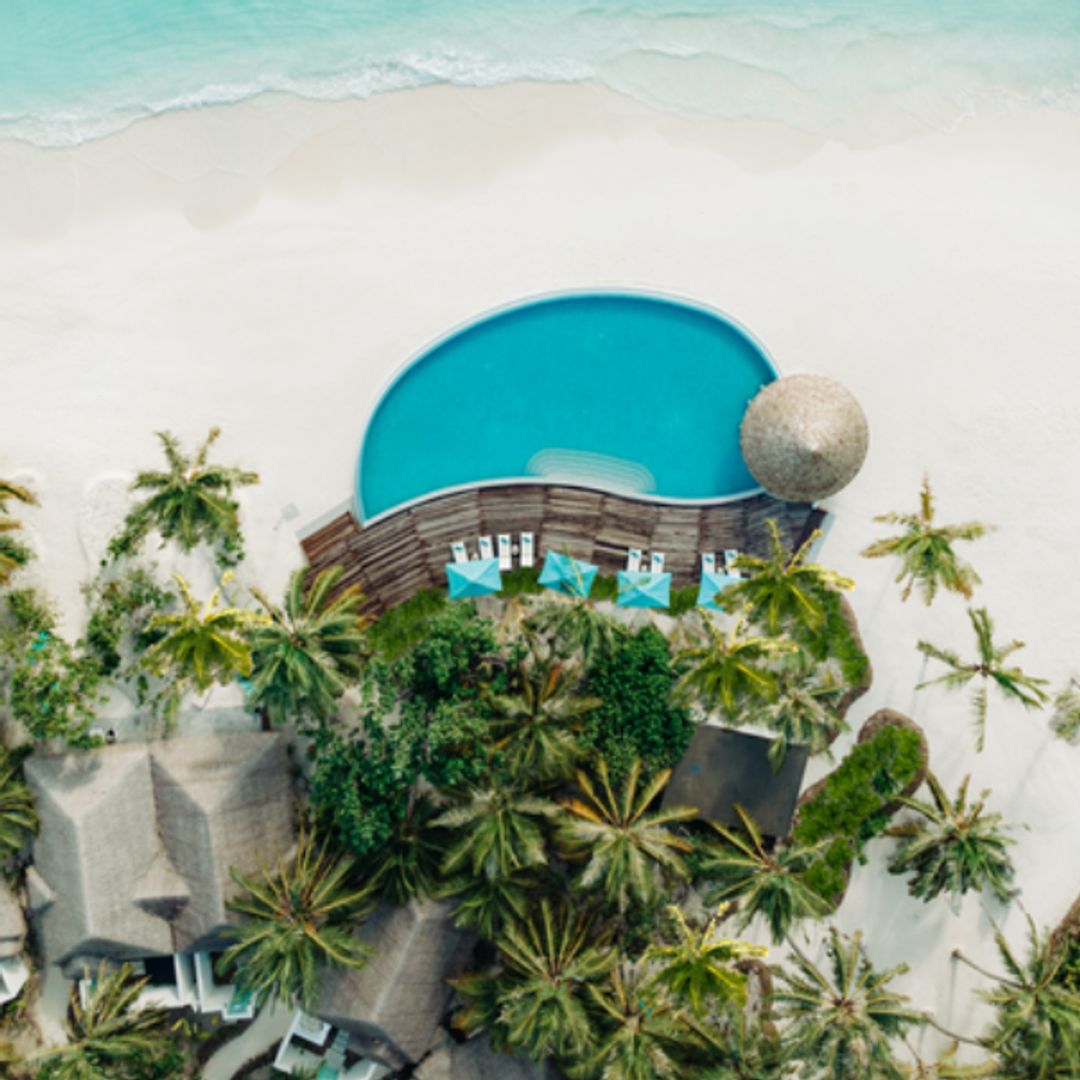
Eco-luxury at Nova Maldives: A solar-powered paradise in the Indian Ocean
HELLO!'s Georgia Brown exchanged her busy London life for barefoot luxury on a tiny Maldivan island

Travel
I took the train to celeb skiing hotspot Verbier for an amazing eco-break
Loved by the Beckhams, Prince Harry and Leonardo DiCaprio, Verbier Switzerland is leading the way in making skiing eco-friendly

Luxury Escape
Why Fiji's Likuliku Lagoon Resort is the adults-only getaway you've been dreaming of
Inside Fiji's most intimate island escape, where romance and relaxation intertwine at the adults-only Likuliku Lagoon Resort
More Travel

Travel
Missed out on Wimbledon tickets? These UK tennis tournaments are the next best thing
From Queen's to Eastbourne: The UK tennis tournaments you need on your radar

Travel
Energising things to do in London in May 2026
Get the HELLO! team's honest review of London's hottest new offerings for the month of May – including a glittering West End debut

Beach Babe
Kylie Jenner showcases her perfect figure on star-studded island getaway
Kylie Jenner shares her two children, Stormi, eight, and Aire, four, with her ex-partner, Travis Scott

Longevity
I swapped raving for a midlife longevity break and it made me rethink everything
After almost three decades of visiting Ibiza, could Danielle Lawler break the habit of a lifetime and come back feeling better than when she went?