
There has been a resurgence of classic or 'retro' fragrances recently - a movement that some are calling the "Old Lady" perfume trend. Yet, far from smelling staid and old-fashioned, these powdery scents have captured the attention of Gen Z and Millennials, making them one of the most surprising comebacks of the year.
We're talking about notes that are going beyond mere nostalgia for the fragrances our mothers and grandmothers once wore and are now firmly establishing their place in modern perfumery.
Notes such as vanilla, lavender, iris and violet are experiencing a renaissance within the niche fragrance sector, with timeless elements expertly reinterpreted to create innovative new versions.
This enthusiasm is echoed by Miguel Bartolomé, Brand Manager at European luxury beauty retailer Isolée, who explains that this return to retro is not simply about reviving the classics, but also, as he puts it, "challenging today's norms about what is considered 'appealing' in terms of scent.”
So, which notes precisely define a classic retro perfume? Here are nine notes to look for...
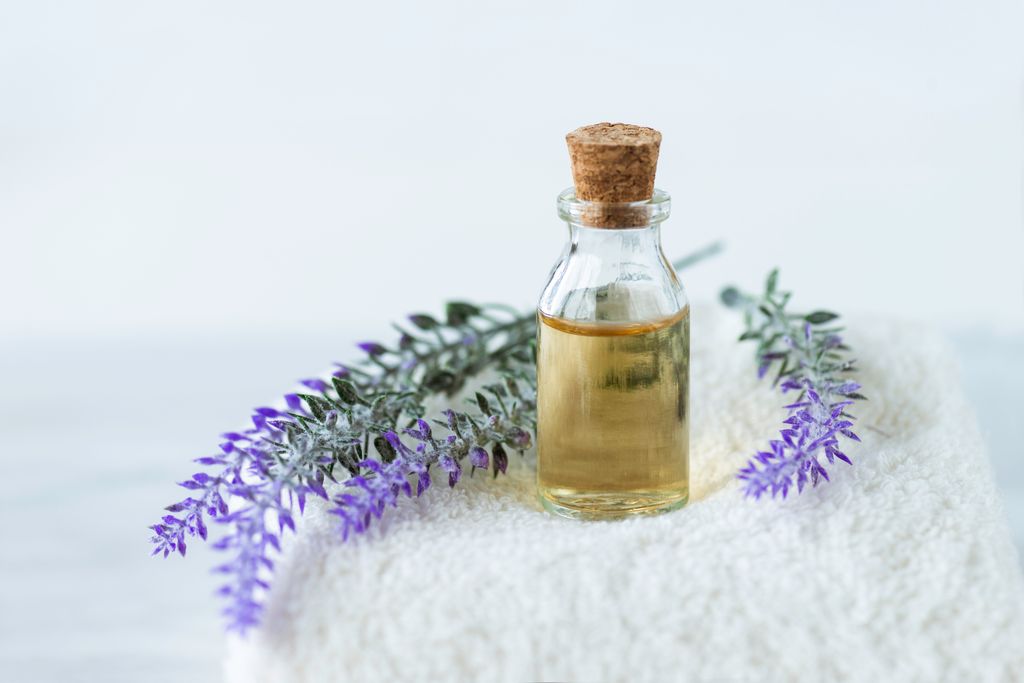
Lavender
 © Getty Images
Originating in the Mediterranean region, lavender has been utilised throughout history for its many documented benefits. The ancient Romans famously used its flowers not only to scent their bathwater but also for medicinal purposes.
Over the centuries, relaxing lavender has become embedded in the cultures of various civilisations, with its popularity soaring across both aromatherapy and perfumery. Within the fragrance world, it has emerged as a key note, valued for its characteristic freshness and calming properties. Its aroma is clean and herbal, and instils a sense of wellbeing.
While it has traditionally been associated with old fashioned women's perfumes, lavender is now even found in men’s fragrances, challenging traditional gender norms in 21st century style. This shift also indicates that the perception of fragrance is evolving, becoming more inclusive and diverse as time goes by.
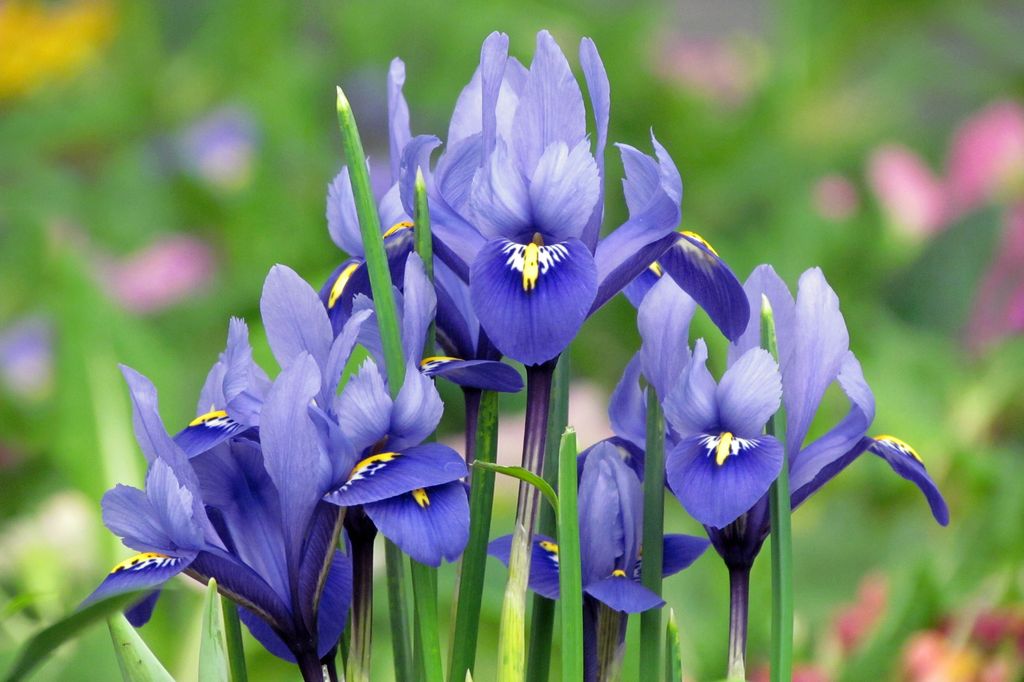
Iris
 © Getty Images
Iris is another note that, despite its historical association with an image of powdery, stately elegance, is now being recast. According to Bartolomé, this highly distinctive note is now utilised in fragrances that not only strive for elegance but also to challenge the conventions of traditional perfumery, resulting in avant-garde compositions that delivers a new brand of sophistication.
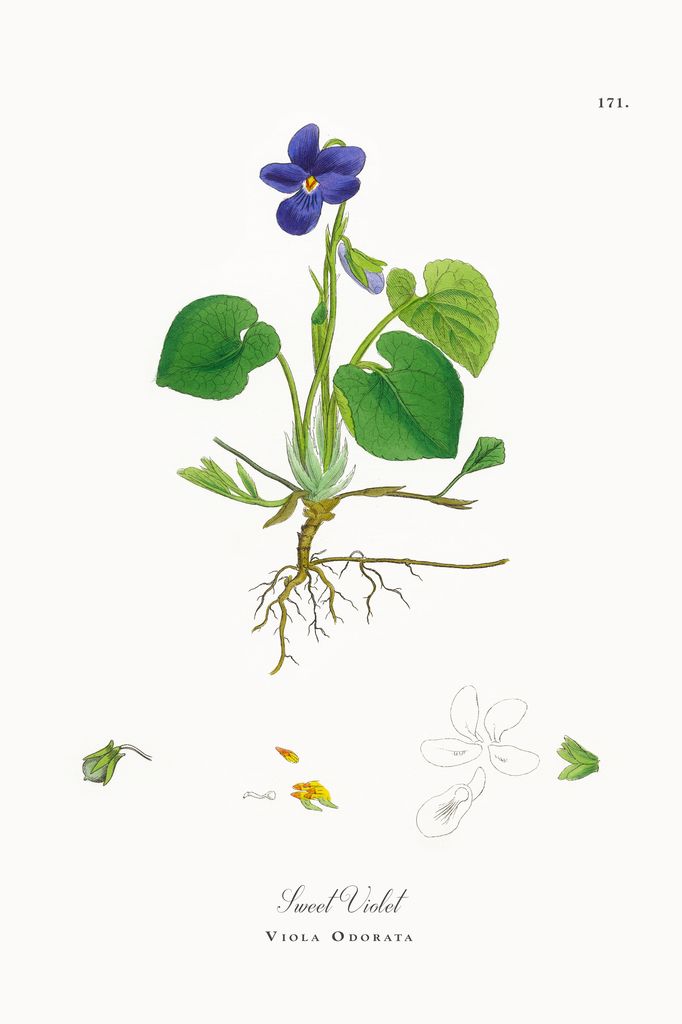
Violet
 © Getty Images
Violet has always carried a romantic connotation, but has managed to secure a place for itself in perfume collections aimed at a younger audience. "It has become one of the fragrance notes of the moment," says Bartolomé. The resurgence of classic violet is demonstrating that this delicate note can be reinterpreted to appeal to modern life without losing it's classic elegance.
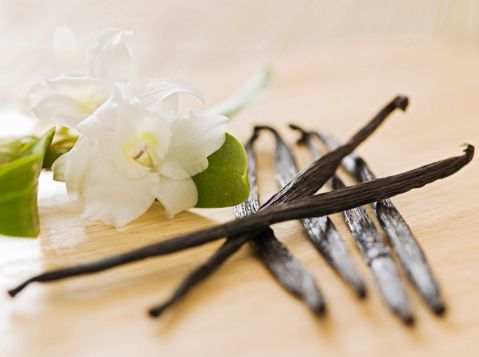
Vanilla
 © Getty Images
While for years it was often viewed as a "heavy" ingredient in perfumery, vanilla has had a glow up. According to the expert, this note is now the star of some of the most important luxury creations, used in a way that enhances its most elegant and sensual side, and firmly relegating to the past the perception of it being a sickly-sweet note.
More nostalgic notes: From rose to amber
 © Alamy Stock Photo
Vanilla, lavender, iris and violet are some of the notes that are currently taking centre stage, but if you want to capture a retro scent, there are some other classic notes loved by our grandmothers that have also returned:
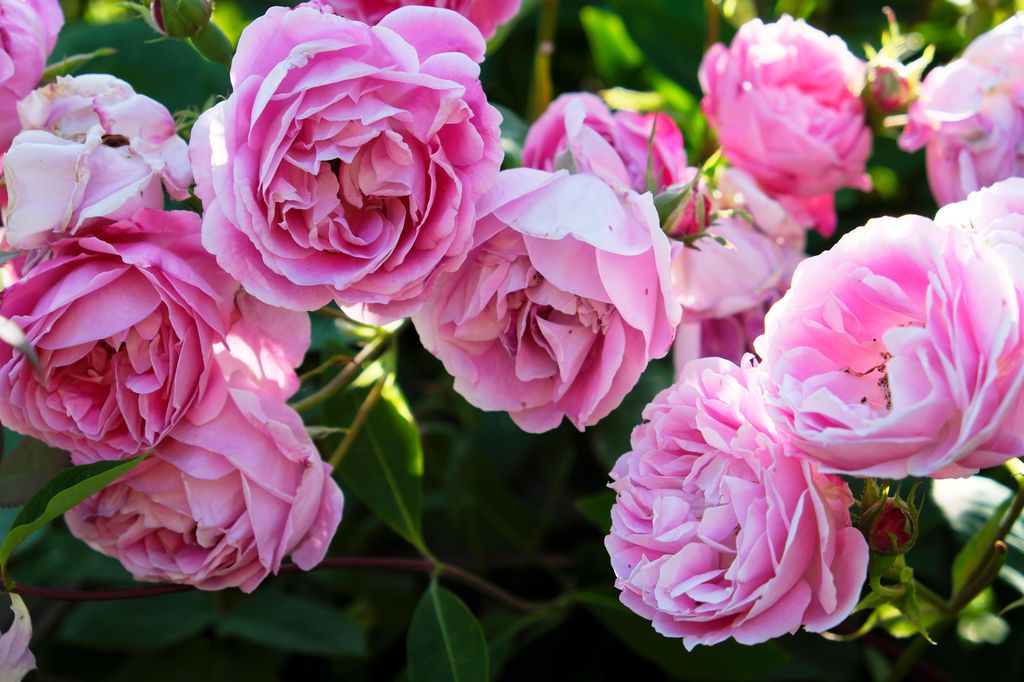
- Rose: The floral scent utilised in perfumery for centuries remains a key component in many iconic fragrances of yesterday and today.
- Jasmine: A thoroughly fresh, sweet and highly feminine aroma that also has depth.
- Warm woods: Notes like creamy, earthy sandalwood are a less powdery option than florals. This is often employed as a foundational note in many retro-inspired niche perfumes because of the special depth and warmth it offers.
- Amber: The star of 1970s-era perfumes, this warm accord (often a blend of resins and vanilla) has a sweetness that has prevailed as a main scent profile.
- Citrus: Notes like bergamot or lemon are fresh and cheerful. These notes infuse fragrances, both classic and new, with luminosity and sparkle - it's no wonder these scents are loved by the Princess of Wales.
 © South China Morning Post via Get
This re-evaluation of our grandmothers' classic fragrances signals a significant shift in how we think about and wear scent. It's more than just a nostalgic trend; it's an evolution where these classic aromas are being embraced and transformed into a modern experience for everyone.
Today's generations are eager to experiment with new perfumery while actively claiming their voice in the broader conversation about the art of scent. At this exciting intersection of vintage inspiration and contemporary creation, the future of perfume is poised to be as vibrant as it is unexpected.