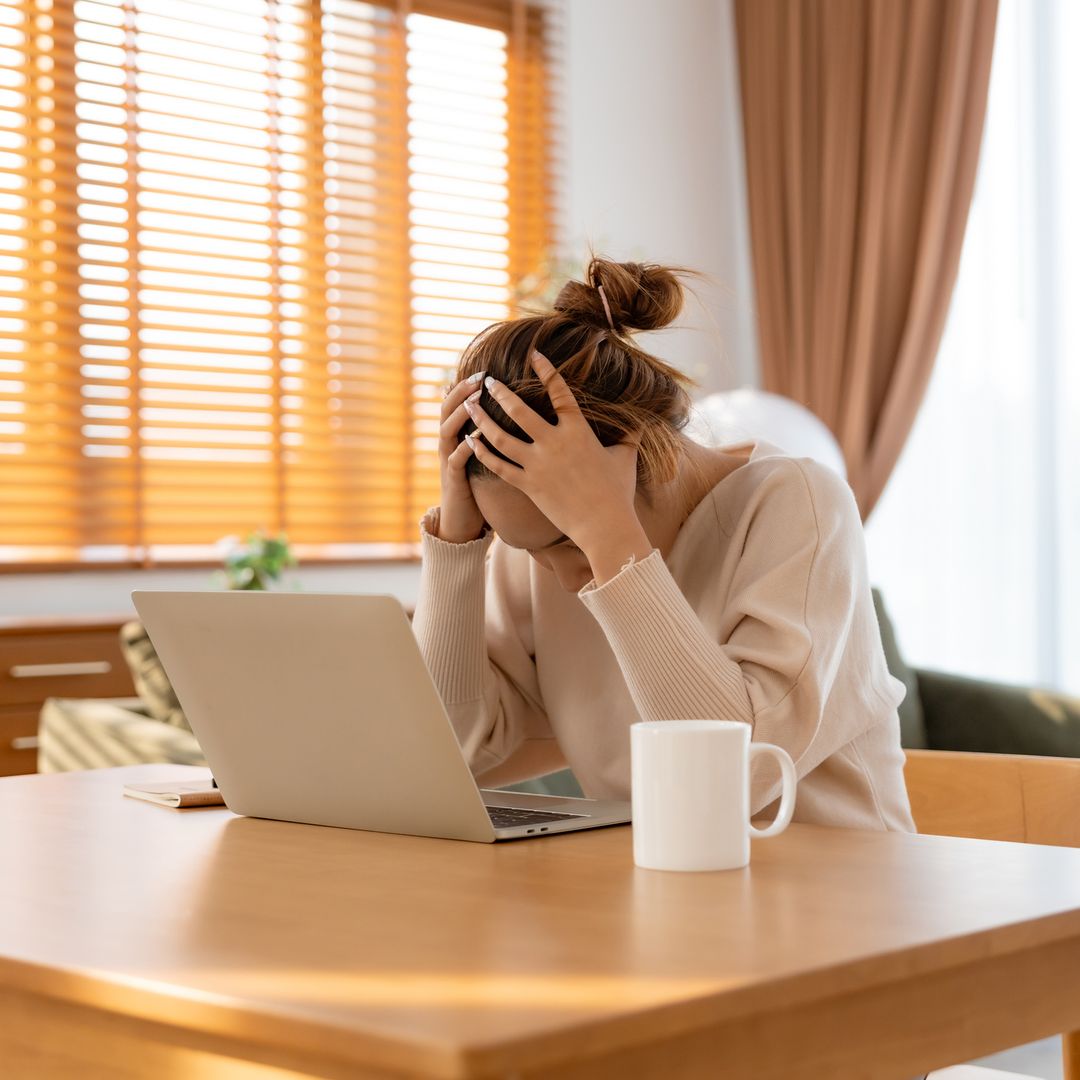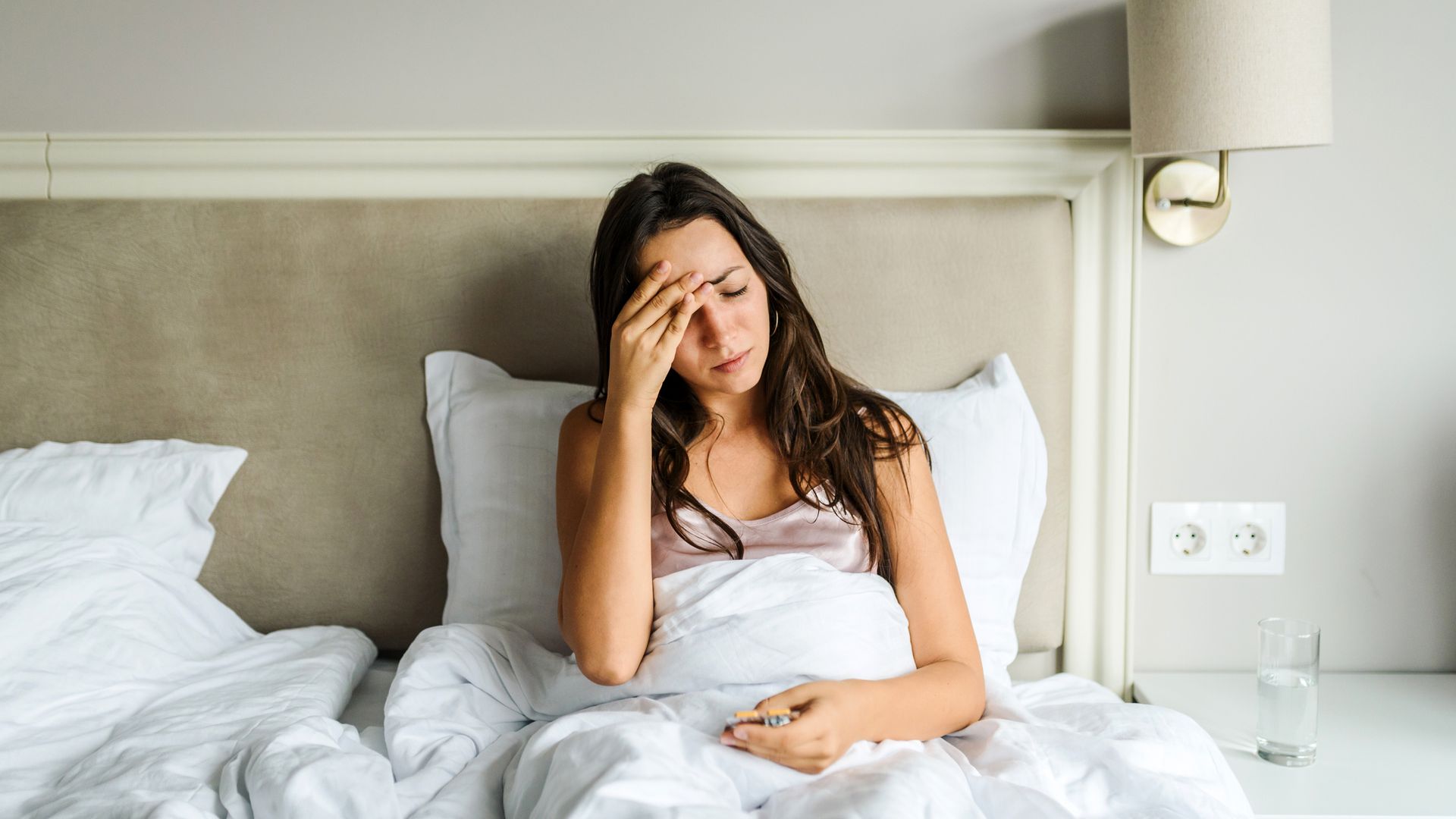

You probably have heard of histamine as it relates to seasonal allergies, but did you know that some symptoms that appear during menopause could be related to an excess of this naturally occurring chemical in your body? We know that during the menopause years, our bodies experience so many changes produced by the hormonal fluctuations typical of this stage of life. Hot flushes (also known as hot flashes), sweating and headaches are among the more common symptoms of menopause that we all know about, but little is said about histamine how it relates to those challenges.
If histamine isn't well-regulated, which can happen during the imbalances that happen during menopause, it can make the symptoms much more intense and difficult to manage.
With the help of some experts, we're able to better understand how histamine works, how it influences our body during perimenopause, menopause and post menopause, and what we can do to keep it under control.
What is histamine?
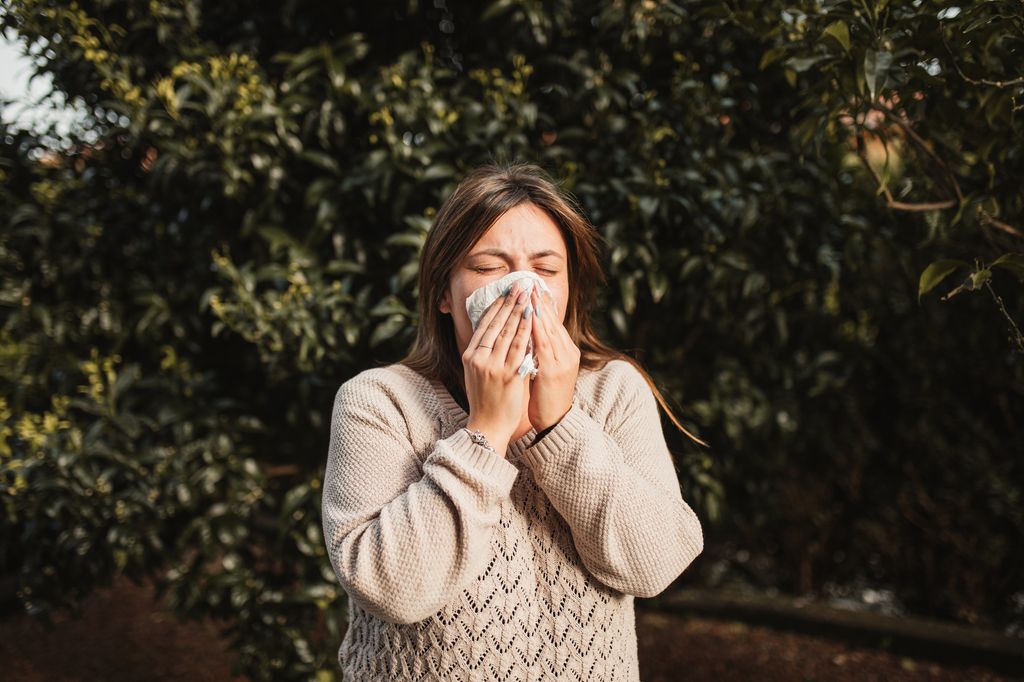
"Histamine is a chemical substance that our bodies release in response to allergens or irritants," explains Dr Andrea Azcárate, Head of the Endocrinology and Nutrition Service at Sanitas La Moraleja University Hospital in Madrid. The specialist goes on to detail that "its main function is to mediate allergic and inflammatory responses."
The chemical causes blood vessels to widen (vasodilation) and become slightly leaky (increased permeability), which helps immune system cells and fluids reach the affected area quickly to fight off infection or repair an injury.
 © Getty Images
It's also active in your lungs, where it can "cause smooth muscle contraction, helping to improve respiratory problems such as asthma," explains the doctor.
Finally, histamine is essential for your digestive health as well, stimulating thes ecretion of gastric acid stomach to produce the acid necessary for breaking down food.
While all these functions are vital, having too much histamine can lead to uncomfortable symptoms, especially during menopause. Hormonal changes affect how your body regulates this chemical; when histamine builds up, the excess can show up as problems like frequent migraines or even breathing difficulties.
How does menopause affect histamine levels?
During menopause, oestrogen and other hormone levels begin to fluctuate, and this has a direct impact on histamine release. According to Dr Azcárate, "When oestrogen levels decrease, there can be a greater release of histamine, exacerbating allergic or sensitivity symptoms in some women." These symptoms can manifest as migraines, skin redness, nasal congestion, itching or even breathing difficulties. Histamine can also influence the regulation of body temperature, which subsequently aggravates the typical hot flushes of menopause.
 © adriaticfoto
How can HRT influence histamine?
Hormone Replacement Therapy (HRT), an option many women choose to alleviate menopausal symptoms, can also have an impact on histamine levels. Dr Azcárate comments that, "Hormone therapy can help reduce histamine release in some women, improving the body's ability to metabolise it." This can ease symptoms such as itching, redness and congestion.
However, she also warns that "in women with pre-existing sensitivities, hormone therapy could aggravate histamine-related symptoms, generating greater sensitivity."
Dietary solutions: How to manage histamine through food
Diet is one of the best tools we have at our disposal to control menopausal symptoms and, in particular, those related to histamine. Natalia Galán Bravo, a nutritionist at Blua de Sanitas, recommends "incorporating a diet rich in fresh and unprocessed foods." Among the most beneficial foods, she mentions low-histamine fruits and vegetables, such as apples, pears, broccoli and cucumber. These foods help reduce inflammation and keep histamine release under control.
 © Getty Images
She also suggests increasing the intake of omega-3 fatty acids, which have anti-inflammatory properties and can contribute to overall well-being. "Maintaining adequate hydration is essential, and consuming probiotics... can also improve gut health and help break down histamine more effectively."
However, not all foods are allies when it comes to managing menopausal symptoms and histamine. Bravo warns that "cured cheeses, processed meats, fermented foods and canned or processed fish" are rich in histamine and should be avoided or reduced.
Coffee and alcohol can also trigger histamine-related symptoms, such as skin redness or migraines.
Stress and histamine: The vicious cycle
Stress is another factor that can aggravate histamine symptoms during menopause. Psychologist Jorge Buenavida explains that "stress activates the sympathetic nervous system, which increases the production of hormones such as cortisol and adrenaline. This can influence histamine regulation, leading to an increase in its release."
Stress can also directly affect sleep quality, which can worsen inflammatory and hormonal symptoms. Especially if the stress is continuous and the person feels unable or poorly able to adapt to or modify the situations causing it.
"When all these factors combine, they can cause fatigue and emotional exhaustion, ultimately making it far harder to deal with the volatile mood swings typical of menopause," he adds.
 © DimaBerlin
Identifying the imbalance: Key symptoms and signs
In addition to those mentioned previously, respiratory problems are also frequent and can include nasal congestion, sneezing and breathing difficulties, which are similar to the symptoms of an allergic reaction. Gastrointestinal symptoms are another manifestation of excess histamine, with women reporting stomach discomfort, diarrhoea or nausea, says Dr Azcárate. Likewise, some women may experience unexplained fatigue - as well as mood swings, anxiety or irritability - which can also be linked to elevated histamine levels.
To identify an imbalance, it is important to pay attention to physical symptoms such as hot flushes, night sweats, vaginal dryness and menstrual cycle changes, which can indicate hormonal imbalances. Emotional symptoms, such as anxiety, irritability or mood swings, which can be related to hormonal fluctuations, should also be considered.
Changes in appetite, unexplained weight gain and digestive problems, such as inflammation or diarrhoea, can be signs of an imbalance. An increase in allergic reactions, such as itching and skin rashes, can also indicate a rise in histamine.
It's important to have regular medical check-ups and discuss any worrying symptoms with a specialist. Hormonal tests and blood analyses can help identify specific imbalances.
 © Getty Images
Supplements and therapies for support
Wondering what supplements can help? Experts recommend:
- Omega-3 supplements, found in fish oil and chia seeds, which have anti-inflammatory properties that can benefit overall well-being.
- Vitamin C, which acts as an antioxidant and can help break down histamine.
- Quercetin, a flavonoid present in fruits and vegetables, has natural antihistamine properties.
- Magnesium can be beneficial for reducing anxiety and improving sleep quality.
Complementary therapies such as acupuncture, yoga and meditation can also be considered to manage stress, concludes Dr Azcárate.