
The consumption of fermented foods has soared in recent years, becoming an essential component of healthy and natural diets.
Foods such as yoghurt, kefir, kombucha and tempeh are all examples of fermented products that, thanks to their abundance of live microorganisms, offer a wide range of health benefits.
They are even used in cosmetics for their probiotic properties because, just as they strengthen the gut microbiota (the beneficial bacteria in the digestive system), they also help to improve the health of the skin's microbiome.
According to dietitian and nutritionist Laura Jorge, "Fermented foods might seem fashionable now, but they've been a part of the human diet forever... They aid digestion and provide beneficial microorganisms for the gut."
They've proven to be key allies in maintaining a healthy body. They play a supportive role in warding off metabolic conditions like hypercholesterolaemia (high cholesterol) and high blood pressure, and they also contribute to the prevention of chronic diseases.
 © Getty Images
More popular fermented foods
She also points out some more of the best-known fermented foods, aside from those already mentioned:
- Rejuvelac: A drink made from grain - often wheat berries, rye or quinoa - fermented in water.
- Sauerkraut: A staple in Germany and other central and Eastern European countries made from cabbage fermented with salt.
- Kimchi: A Korean food made from cabbage and other vegetables, fermented with ingredients like ginger, garlic and gochugaru.
- Miso: A Japanese paste of fermented soya beans with salt and kōji.
- Umeboshi: Pickled dried Japanese plums.
 © Getty Images
The proven health benefits of fermented foods
"The core of the benefits provided by fermented foods lies in their ability to balance and restore the gut microbiota," states Andrea Calderón, Professor of Nutrition at the European University.
Studies suggest that a balanced gut microbiota is closely linked to improved overall health, as it influences key bodily functions such as digestion, immune response and weight management.
Professor Calderón suggests that "regular consumption of these foods, combined with a healthy diet, can strengthen the gut barrier, reduce inflammation and improve immune function, both locally in the gut and across your whole system."
Dietitian Laura Jorge notes that not all fermented foods have exactly the same properties, but most share several beneficial characteristics:
- Encouraging the build-up of healthy microorganisms in our gut, supporting overall gut health and the immune system.
- Promoting healthy digestion.
- Boosting nutrient absorption.
- Providing an excellent source of essential nutrients and vitamins.
 © Getty Images
How fermented foods can improve your skin
According to dietitian and nutritionist Antonio Andújar, fermented foods offer both direct and indirect benefits for the skin.
The indirect benefits are those that are purely nutritional. When consuming fermented foods, the overall improvement in gut health leads to a general improvement across the entire body - which has a knock-on effect on the skin. We absorb more nutrients, and, as a result, our skin looks better.
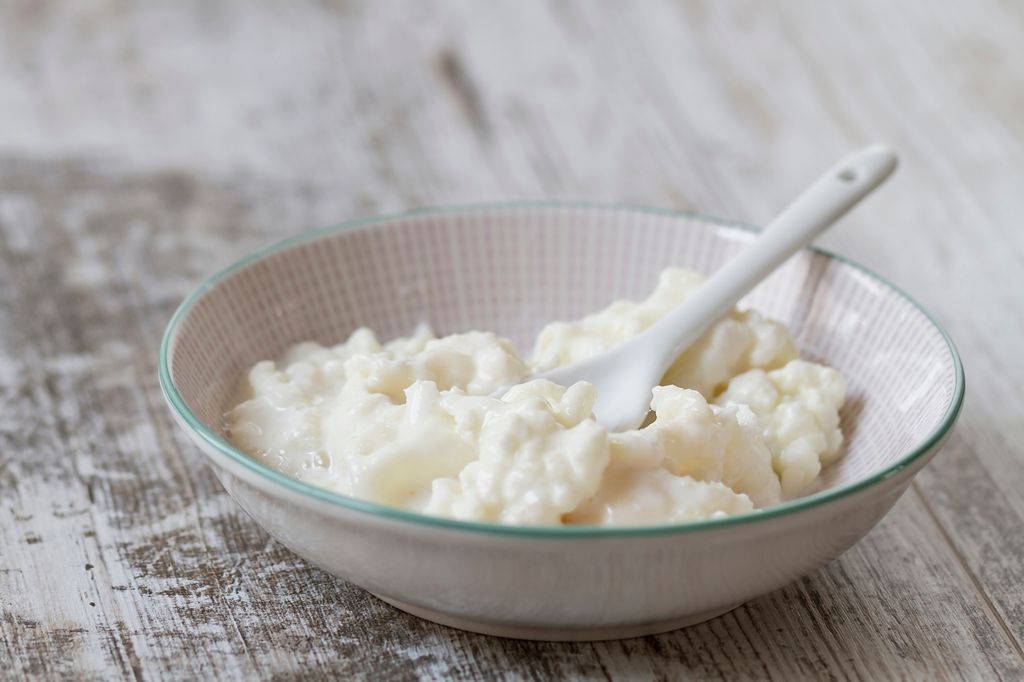 © Getty Images
The direct benefits are reaped by using cosmetic products that contain ingredients derived from fermentation processes
Expert warning: Fermented foods are not a 'miracle cure'
Professor Calderón warns that, despite the well-documented benefits of fermented foods, their properties are often exaggerated. "In some cases, people might believe that these foods can replace medical treatments, such as antibiotics, which is a mistake. Fermented foods are not a 'miracle cure', and their consumption should always be within the context of a balanced diet and under the supervision of a professional when necessary," she says.
Finally, the expert advises buying fermented products from supermarkets and health food shops, and not taking the risk of trying to make them at home. "They're produced under strict food safety conditions, which ensures their quality, she concludes.